You brought home the internet’s favorite dog, expecting a cuddly, meme-worthy companion, but instead, you got a fiercely independent fox-dog that screams when you try to clip its nails. Are Shiba Inus actually like the viral videos? No, you are struggling because the internet sold you a myth; Shiba Inus are primitive, basal breeds that operate on a completely different neurological frequency than standard obedience dogs, requiring high-value negotiation rather than physical dominance.
If you try to force them into submission, they will fight back, completely destroying your bond.
Whether you are navigating a cramped New York apartment or a sprawling Australian suburb, here at Snoutbit, we are tearing down the fiction. Here are the five dangerous myths you must unlearn to successfully train your Shiba Inu.
Myth 1: They Are Eager-to-Please Lap Dogs
Look at that smiling, fluffy face, and it is incredibly easy to assume they just want to make you happy. The reality is that the Shiba Inu is a basal breed. Their DNA is remarkably close to their ancient wolf ancestors, meaning they possess an intense survival instinct that prioritizes self-preservation over pleasing a human.
In my years of training Labradors, a simple “Good boy!” is often enough to reinforce a behavior. When you tell a Shiba Inu to sit, they do not blindly obey. They actively evaluate the situation, check what kind of treat you are holding, and calculate if the transaction is worth their physical effort.
You cannot force this breed into compliance using heavy-handed training methods or harsh leash corrections. If you try to physically dominate a Shiba, they will dig their heels in, completely shut down, and tune you out permanently.
Why Is My Shiba Inu So Stubborn?
They are not stubborn; they are independent thinkers. You must shift your mindset from “commander” to “business partner.” You have to negotiate with them using a currency they actually care about.
Dry supermarket kibble will absolutely not work when your dog’s adrenaline is pumping. You must find their absolute favorite food and use it exclusively for high-stakes training.
Pro-Tip: The “Jackpot” Currency Exchange
Stop wasting high-value treats inside the house. Reserve top-tier rewards—like tiny shreds of boiled chicken, freeze-dried liver, or dog-safe peanut butter—exclusively for outdoor training or highly stressful situations. If they get chicken for just existing in the kitchen, it loses all of its negotiating power when you need it outside.
Myth 2: The “Shiba Scream” is Just Them Being Dramatic
If you have ever tried to force a Shiba into a bathtub or clip their nails, you have likely heard the infamous “Shiba scream.” It is an ear-piercing, high-pitched vocalization that sounds like the dog is experiencing medieval torture.
The internet laughs at this, labeling the breed as “dramatic divas.” This is a catastrophic misinterpretation of canine body language. The scream is a sheer panic response, not a theatrical tantrum. Their primitive brain genuinely believes they are in mortal danger when their physical autonomy is violently restricted.
When owners ignore this scream and force the dog through the grooming process anyway, they create deep-rooted psychological trauma. This trauma often rapidly escalates into active fear-biting.
What Triggers the Infamous Shiba Scream?
The scream is almost always triggered by forced restraint or a sudden invasion of their personal space. To fix this, you must completely abandon physical force and implement systematic desensitization.
You slowly introduce stressors while pairing them with exceptionally high-value food to change their underlying emotional response. You want them to associate the nail clippers with a massive reward, rather than a wrestling match.
Information Gain: The “Chin-Rest” Cooperative Care Protocol
Do not just hold your dog down and feed them treats. Teach them the “Chin-Rest.” Train your Shiba to rest their chin on your open palm or a towel. As long as their chin is resting, you proceed with brushing or touching their paws.
If they lift their head, you immediately stop what you are doing. This gives the dog a “stop button,” returning their sense of control. When a primitive breed feels they have the power to stop a scary interaction, their panic instantly evaporates.
Myth 3: You Can Train Them to Be Reliable Off-Leash
Many owners successfully teach their Shiba to “come” when called inside the quiet confines of their living room. The trap springs when they confidently take their dog to a public park, unclip the leash, and watch their dog vanish after a squirrel.
Can Shiba Inus ever be trusted off-leash? The harsh reality is no. Their prey drive is hardwired into their ancient DNA. If they spot a fast-moving animal, their predatory sequence takes over completely, and they literally become “scent-blind” to your voice.
This intense drive makes off-leash walking highly dangerous. In the US, it leads to them bolting into busy traffic; in Australia, a loose Shiba chasing a blue-tongue lizard or a kangaroo can easily lead to a fatal encounter or a snakebite.
Can Shiba Inus Be Off Leash?
You must radicalize your acceptance: most Shiba Inus can never be trusted completely off-leash in an unenclosed area. However, you do not have to keep them on a restrictive 6-foot leash forever.
Pro-Tip: The Biothane Long-Line Hack
Throw away your dangerous retractable leashes, which can easily snap or cause severe friction burns. Invest in a 30-foot biothane long-line leash attached to a secure back-clip harness. This incredible tool allows them to run, sniff, and experience the illusion of off-leash freedom while keeping them safely tethered to you.
Myth 4: They Don’t Need Socialization Because They’re “Aloof”
The breed standard describes the Shiba Inu as “aloof with strangers.” Unfortunately, owners frequently use this standard as an excuse to avoid properly socializing their puppy.
There is a massive, dangerous gap between being aloof and being aggressively reactive. Aloof means the dog simply ignores a stranger. Reactive means the dog barks, lunges, or snaps out of sheer terror.
If you miss their critical developmental socialization window (which closes incredibly early, around 14 weeks), that natural suspicion permanently hardwires into severe fear-based aggression.
How Do You Socialize a Fearful Shiba Inu?
Socialization does not mean forcing your dog to physically interact with every person or dog they meet. That actually causes reactivity. Proper socialization simply means teaching your dog to exist neutrally in a busy environment.
You want your Shiba to look at a passing dog and think, “That’s boring, but my owner has chicken.”
Information Gain: The Parallel Walking Strategy
Never force a fearful Shiba into a crowded, chaotic dog park. Instead, use “Parallel Walking.” Walk your dog on a leash parallel to a calm, fully vaccinated adult dog, keeping about 20 feet of safe distance between them.
Slowly close the gap over the course of a structured 30-minute walk. This completely removes the intense pressure of direct face-to-face eye contact and allows them to safely assess the other dog through scent while moving forward.
Myth 5: Their Double Coat Protects Them From Everything
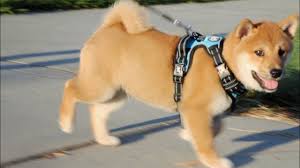
Shibas possess a thick, plush double coat originally designed to insulate them against freezing Japanese mountain winters. Many owners falsely believe this rugged coat makes them immune to environmental hazards and skin issues.
In reality, Shibas are highly genetically predisposed to severe atopic dermatitis (environmental allergies). Their dense undercoat acts like a sponge, trapping microscopic allergens directly against their skin.
Every time they roll in the grass, pollen and dust mites become deeply embedded. Because the coat is so thick, owners rarely notice the initial skin redness until the dog has already scratched themselves raw, leading to painful secondary staph infections.
Does a Double Coat Prevent Heatstroke and Allergies?
It absolutely does not prevent heatstroke; in fact, it requires massive management during the summer. If you live in a hot climate like Florida or Queensland, your dog is at a high risk of overheating.
However, you must absolutely never shave a Shiba Inu. Shaving destroys the guard hairs, permanently ruins their ability to naturally regulate their temperature, and exposes their sensitive skin to severe sunburn.
Pro-Tip: The Line-Brushing Technique
Do not just brush the top layer of their fur. You must use a technique called “line-brushing” during shedding season. Use one hand to push the coat forward, exposing the skin, and use a high-quality slicker brush to gently pull the loose undercoat away, section by section. Follow up by wiping their paws and belly with hypoallergenic pet wipes after every walk to physically remove trapped pollens.
What to Do Next to Master Your Shiba Inu
You now know that your dog is not trying to make your life difficult; they are simply operating on centuries of basal genetics. You must stop trying to train them like a compliant working dog and start respecting their independence.
Your Actionable Next Steps:
- Audit Your Handling: Stop physically forcing your dog into uncomfortable grooming situations today. Start practicing the “Chin-Rest” protocol for five minutes every evening using extremely high-value rewards.
- Upgrade Your Leash Gear: Order a 30-foot biothane long line and a secure, Y-shaped escape-proof harness. Begin practicing your recall training in an open, grassy park to safely simulate off-leash freedom.
- Manage the Environment: If your dog barks aggressively at the window, restrict their access to it. Use frosted window film to block their line of sight, instantly lowering their daily cortisol levels.
When you stop fighting their primitive instincts and start working with their incredible intelligence, your Shiba Inu will transform from a frustrating roommate into a fiercely loyal companion.
Disclaimer: This article is for informational purposes only and does not constitute veterinary medical advice. Always consult with a licensed veterinarian before altering your pet’s diet, starting a new training regimen, or addressing health concerns.