The Reality of Raising a New Dog
Did you know the vast majority of owners unknowingly train their puppies to misbehave on a daily basis? Yes, puppy training is incredibly difficult, but actively avoiding these seven specific mistakes will rapidly transform your chaotic household into a calm reality. Bringing a new dog home is heavily romanticized, but the exhausting truth involves bleeding hands, sleep deprivation, and ruined carpets.
You likely feel completely overwhelmed and secretly regretful about your new furry addition right now. By deeply understanding their biological limitations and hardwired genetics, you can immediately stop fighting against their core nature.
Mind Map Overview: Fixing Puppy Mistakes
- The Problem: Treating an infant animal like a fully matured, logical adult dog.
- The Agitation: Chronic indoor accidents, severe property destruction, and permanent joint damage.
- The Solution: Strict environmental management, enforced crate naps, and utilizing their natural retrievinggenetics safely.
The Problem: Expecting Adult Biology from an Infant
1. Assuming They Possess Bladder Control
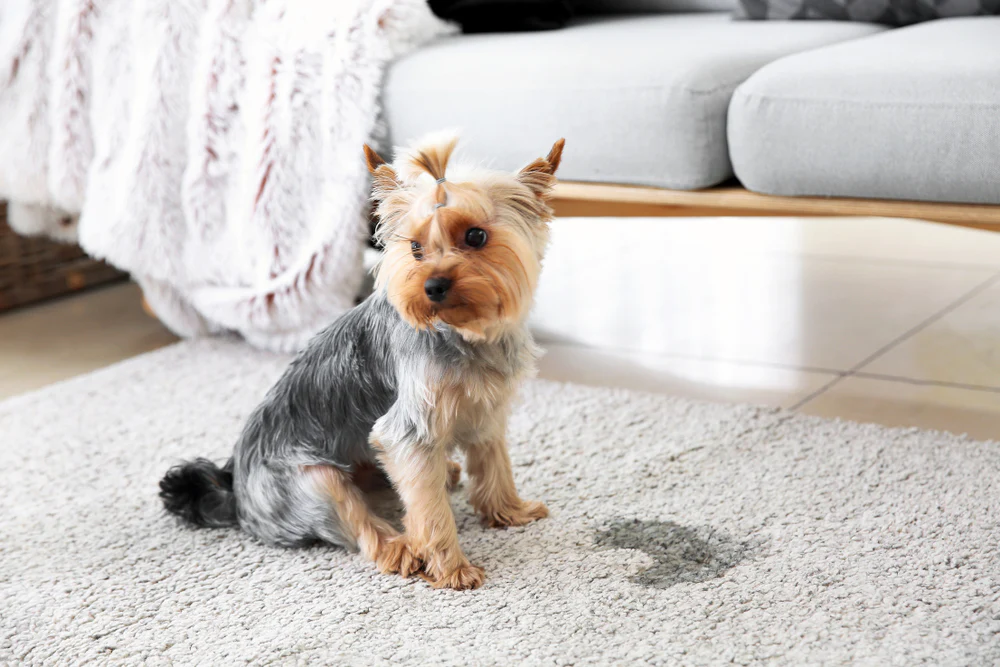
The absolute most common mistake owners make is assuming a young puppy has the physical capacity to hold their urine. Puppies possess incredibly immature sphincter muscles and virtually zero internal bladder control until they reach several months of age. A strict veterinary rule dictates that a puppy can only safely hold their bladder for one hour per month of age.
Expecting a twelve-week-old puppy to survive a standard workday without eliminating indoors is physically impossible and biologically unfair. When you inevitably come home to a soiled carpet, punishing the dog after the fact permanently destroys their trust. You must establish rigid schedules, explicitly taking them outside immediately after waking, eating, or engaging in intense play sessions.
2. Punishing the Teething Process
Your puppy is born with a set of razor-sharp needle teeth that begin forcefully falling out around twelve weeks of age. This highly painful biological process causes severe gum inflammation, driving an intense, unstoppable urge to chew hard surfaces for relief. If you simply punish them for chewing your shoes without providing a legal alternative, you are fighting a losing battle.
Instead of yelling, you must actively deploy strict bite inhibition training the exact millisecond their teeth touch your skin. Stand up, turn your back, cross your arms, and completely ignore them for thirty seconds to clearly signal that biting ends all fun. Once the penalty concludes, immediately hand them a frozen, veterinary-approved rubber toy to safely numb their throbbing gums.
The Agitation: Medical and Behavioral Disasters
3. Exercising Them to Utter Exhaustion
Many exhausted owners attempt to drain their puppy’s manic energy by forcing them on long, continuous neighborhood runs. This is a catastrophic medical mistake that actively destroys the soft, unfused growth plates in their rapidly developing leg bones. Forced, repetitive cardiovascular exercise severely accelerates early-onset arthritis and exacerbates preexisting genetic conditions like hip dysplasia.
If you own a working breed with a thick waterproof coat, they desperately require intense mental stimulation, not marathon running. Ten minutes of complex trick training or intense nose work burns significantly more energy than a mindless two-mile walk on hard pavement. Protect their skeletal structure by keeping physical exercise limited to short, self-paced play sessions on soft, forgiving grass.
4. Fighting Their Hardwired Genetics
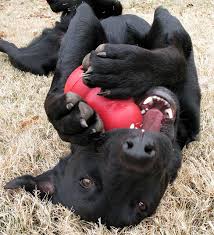
Owners frequently become enraged when their sporting breed constantly steals socks, shoes, and expensive remote controls. Dogs bred specifically for retrieving process their environment entirely through their mouths, and they possess an overwhelming genetic drive to carry objects. Screaming at them to drop your items directly suppresses their natural instincts and triggers severe behavioral frustration and resource guarding.
You must actively weaponize their genetics by teaching a highly reliable “trade” command using premium food rewards. When they grab an inappropriate item, calmly offer them a piece of freeze-dried liver in exchange for the stolen object. By consistently rewarding the trade, you satisfy their natural carrying urge while effortlessly protecting your expensive household items.
The Solution: Vet-Approved Environmental Management
5. Skipping the Mandatory Enforced Naps
Most owners falsely believe that a frantically biting, hyperactive puppy needs more physical playtime to finally calm down. The exact opposite is true; a manic, violently biting puppy is clinically overtired and desperately requires an immediate, enforced nap. Puppies absolutely must sleep for 18 to 20 hours every single day to safely support their massive neurological development.
Unlike human toddlers, puppies will fiercely fight sleep until they transform into aggressive, highly overstimulated monsters. You must enforce a rigid daily schedule: for every one hour your puppy is awake, they must sleep for two hours. Utilize a dark, quiet crate to force their brain to completely power down and process the day’s obedience training.
6. Granting Free-Roaming Freedom Too Soon
Allowing a young, untrained puppy to wander your house unsupervised is a guaranteed recipe for property destruction and hidden indoor accidents. Freedom is a highly valuable privilege that must be slowly earned over months of consistent, perfect indoor behavior. If you cannot give your dog 100% of your undivided visual attention, they must be safely and humanely confined.
To permanently prevent destructive habits from forming, enforce these strict environmental management rules:
- Deploy baby gates: Aggressively block off staircases, carpeted dining rooms, and expensive furniture zones completely.
- Use the umbilical cord: Tether the dog’s leash directly to your belt loop so they literally cannot sneak away to eliminate.
- Utilize an exercise pen: Create a safe, enclosed area heavily equipped with durable chew toys for independent, supervised play.
7. Waiting Too Long to Socialize Safely
Many outdated training manuals suggest keeping your puppy completely isolated indoors until they receive their final round of vaccinations at sixteen weeks. This advice directly overlaps with their most critical psychological socialization window, which rapidly and permanently closes around fourteen weeks of age. If you completely isolate them during this period, you actively create a dog plagued by severe, lifelong fear-based reactivity.
You must safely expose them to diverse sounds, textures, and environments without putting them at risk for deadly canine parvovirus. Carry them through noisy outdoor cafes in a secure chest sling, heavily rewarding them for observing the chaos calmly. Proper early socialization is the ultimate key to raising a bulletproof, confident adult dog that ignores unexpected environmental triggers.
Finalizing the Behavioral Timeline
8. Failing to Neutralize Indoor Odors
When an indoor potty accident inevitably happens, most owners immediately reach for standard household bleach or ammonia-based floor cleaners. This is a massive mistake because canine olfactory systems easily detect the biological uric acid crystals left behind by basic chemical sprays. That lingering scent acts as an invisible neon sign, explicitly instructing the puppy to use that exact spot as a toilet again.
You must permanently destroy the chemical markers by thoroughly saturating the soiled area with a veterinary-approved enzymatic cleaner. These specific formulas utilize living enzymes to literally digest and permanently eradicate the odor-causing bacteria hidden deep in the subflooring.
Follow this strict cleaning protocol to guarantee absolute odor removal:
- Blot aggressively: Use heavy paper towels to absorb as much wet urine as physically possible before spraying anything.
- Saturate deeply: Pour the enzymatic cleaner directly onto the stain, ensuring it deeply penetrates the carpet padding below.
- Air dry entirely: Allow the spot to dry completely on its own so the living enzymes can finish breaking down the proteins.
Surviving the Adolescent Regression
Just when you finally believe your puppy is perfectly trained, they will aggressively hit the teenage adolescent phase around seven months. Surging hormones will temporarily override their logical brain, causing them to suddenly “forget” their recall command and fiercely test every boundary. You must not panic or resort to harsh physical punishments during this highly frustrating biological regression.
Simply return to basic, foundational leash training and dramatically increase the value of your training food rewards. Consistency and extreme patience are the absolute only ways to successfully survive the turbulent teenage months without ruining your bond. The chaotic puppy phase is entirely temporary, and your strict management now guarantees a polite, calm companion for the next fifteen years.
Disclaimer: This article is for informational purposes only and does not constitute veterinary medical advice. Always consult with a licensed veterinarian before altering your pet’s diet, starting a new training regimen, or addressing health concerns.