The Crate Training Crisis
- The Core Problem: Nighttime howling, destroyed bedding, and severe confinement anxiety.
- The Agitation: Crippling sleep deprivation, shattered trust, and fractured canine teeth.
- The Proven Solution: Strict spatial management, high-value food association, and eliminating all punishment.
The Confinement Problem: Why Your Dog Hates the Crate
Did you know using the crate as a “time-out” zone permanently destroys your dog’s sense of security? Yes, you are making severe mistakes with crate training if you use it for punishment, buy the wrong size, or rush the introduction phase. Doing this actively turns a natural biological den into a terrifying, high-stress prison.
It is physically exhausting to listen to your puppy scream at 3:00 AM while you desperately need sleep for work. You likely bought the crate expecting a foolproof, easy housebreaking tool, but the reality is constant howling and cleaning up frantic messes. If you ignore these specific training errors, your dog will permanently associate the crate with isolation and intense fear.
By identifying and systematically fixing these exact missteps, you can immediately transform the wire box into your dog’s favorite sanctuary.
Mistake 1: Using the Crate as Punishment
If you angrily shove your dog into the wire cage immediately after they chew your expensive shoes, you create a massive behavioral crisis. Dogs possess highly associative memories and will instantly link the metal box to your extreme anger and frustration. Never use the crate out of anger. If you treat the environment like a jail cell, your dog will violently fight you every single time you approach the door.
Mistake 2: Buying a Massive Crate
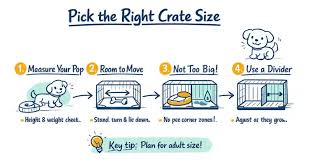
Owners frequently buy giant crates, hoping their tiny puppy will “grow into it” over the next twelve months. This is a critical error for housebreaking, as puppies biologically refuse to soil their immediate sleeping area. If the crate is far too large, they will simply urinate in the back corner and comfortably sleep in the dry front corner.
The Agitation: Medical and Behavioral Fallout
Mistake 3: Ignoring Severe Confinement Anxiety
Forcing a panicked dog to strictly “cry it out” is dangerously outdated advice that frequently results in horrific physical injuries. Dogs suffering from genuine confinement panic will aggressively bite the metal bars, shattering their canine teeth and bloodying their gums. You must learn to accurately differentiate between a mild, temporary protest whine and a full-blown, destructive panic attack.
Mistake 4: Leaving Them Locked Up Too Long
A crate is a highly effective management tool, not a daily storage unit for your living pet. Young puppies lack mature bladder control and literally cannot hold their urine for standard eight-hour workdays. Keeping a large working breed locked away for hours drastically increases their risk of severe joint stiffness and early-onset hip dysplasia.
To protect their developing skeletal structure, adhere to these strict confinement limits:
- 8-10 Weeks: Maximum of one hour awake, or two hours sleeping.
- 11-14 Weeks: Maximum of three hours.
- 15-16 Weeks: Maximum of four hours.
- Adult Dogs: Maximum of six to eight hours, broken up by a midday dog walker.
The Solution: Rewiring the Crate Experience
Mistake 5: Rushing the Introduction Phase
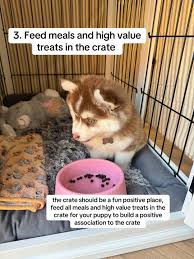
You cannot simply lock the door on day one and blindly expect a quiet, perfectly compliant dog. You must systematically build massive value inside the crate through a psychological process called shaping. Feed every single meal inside the open crate for the first two weeks to build an incredibly powerful positive association.
Mistake 6: Forgetting Mental Exhaustion
A highly aroused, hyperactive dog will absolutely never settle down inside a confined, boring space. If you own a high-drive sporting breed built specifically for retrieving, you must thoroughly exhaust their brain before expecting them to nap. Their thick waterproof coat means they thrive on vigorous outdoor activity, not solitary indoor confinement.
Ten minutes of intensive obedience training burns significantly more mental energy than a mindless two-mile walk around your neighborhood. You must physically and mentally drain their batteries before you ever ask them to step inside the crate.
Perfecting the Routine: Final Veterinary Steps
Mistake 7: Creating Dramatic Exits and Entries
Your emotional energy heavily dictates your dog’s baseline anxiety threshold during transitions. If you throw a massive, high-pitched party the second you open the door, you explicitly teach them that escaping is the best part of the day. You must remain completely silent and completely ignore your dog for the first five minutes after releasing them.
The Ultimate Step-by-Step Fix
To completely reset your dog’s broken relationship with their crate, you must implement rigid environmental controls immediately. The goal is to mimic the dark, secure feeling of a natural maternal den.
Execute these strict, non-negotiable rules today:
- Utilize a divider: Aggressively restrict the floor space so they can only stand, turn around, and lie back down.
- Cover the wire: Drape a breathable, dark blanket over the top and sides to block out visual environmental triggers.
- Deploy high-value treats: Only offer their absolute favorite frozen chew toys when they are actively resting inside with the door closed.
The Long-Term Benefits of Proper Management
Protecting Your Home and Sanity
When executed flawlessly, proper crate training is the absolute fastest route to a perfectly housebroken, non-destructive companion. It physically protects your expensive furniture from teething puppies and keeps them safe from swallowing dangerous household toxins. A well-trained dog actively seeks out their crate when they feel tired or overwhelmed by a noisy, chaotic household.
Preparing for Unavoidable Veterinary Care
Eventually, your dog will require an unexpected overnight stay at an animal hospital or emergency surgical clinic. If they have never been properly crate trained, the stainless-steel recovery cages will absolutely terrify them, severely complicating their medical recovery. Teaching them to love confinement now actively prepares them for safe, low-stress veterinary care in the future.
Disclaimer: This article is for informational purposes only and does not constitute veterinary medical advice. Always consult with a licensed veterinarian before altering your pet’s diet, starting a new training regimen, or addressing health concerns.