Accelerated Puppy Training
- The Core Problem: Your puppy lacks a developed prefrontal cortex, meaning they possess zero biological impulse control.
- The Immediate Risk: Allowing bad habits to practice daily guarantees permanent, lifelong behavioral issues and severe property damage.
- The Proven Fix: Strict environmental management, enforced sleep schedules, and perfectly timed positive reinforcement.
The Puppy Training Crisis: Why Your Current Methods Fail
Did you know that nearly 70% of new owners experience a severe wave of regret known as the “puppy blues” during the first month? Yes, you can absolutely train your puppy faster and stop the daily chaos. The definitive secret is combining strict environmental management, enforced sleep schedules, and perfectly timed positive reinforcement to shape their developing brain.
You likely brought your new companion home expecting joyful play sessions, but the reality is constant biting and cleaning up indoor urine. It is incredibly frustrating to feel like your dog is actively ignoring your commands or maliciously destroying your expensive baseboards. If you continue treating your infant puppy like a fully matured adult dog, you will permanently cement these highly destructive habits.
Understanding Their Biological Limits
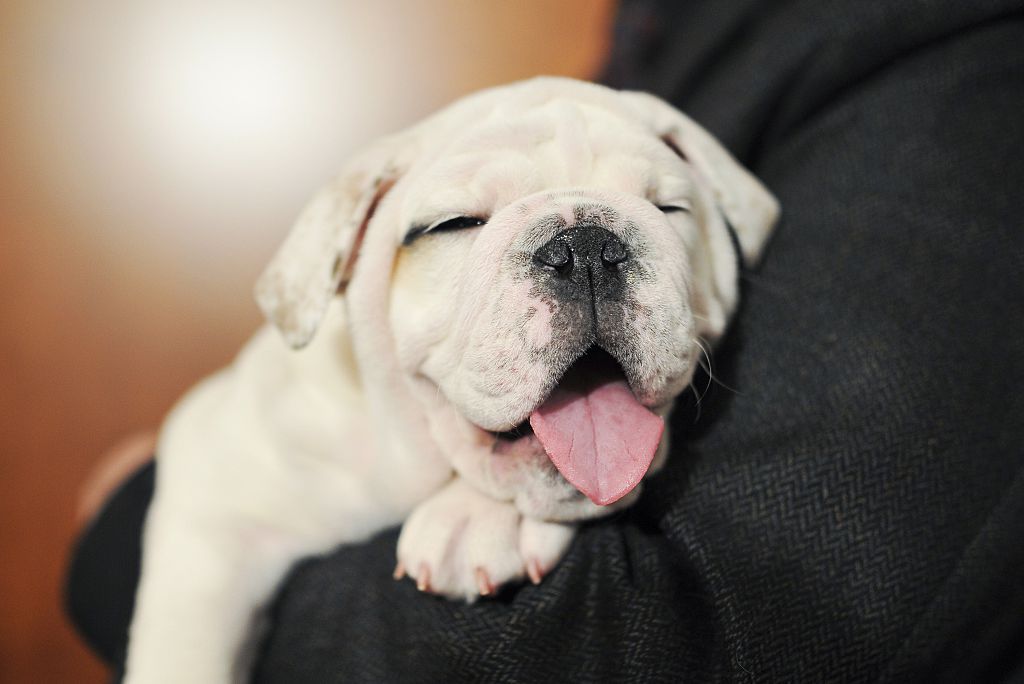
The root of your daily frustration is purely biological, not behavioral rebellion. A young puppy operates strictly on primal instinct and literally lacks the neurological maturity to calm themselves down when overstimulated. You must step in as their surrogate impulse control, aggressively managing their environment so they cannot practice the wrong behaviors.
Foundational Setup: Managing Their Environment
1. Implement Immediate Crate Training
The absolute fastest tool to accelerate housebreaking and prevent property destruction is a properly sized wire crate. Dogs are natural den animals and possess a hardwired biological urge to keep their immediate sleeping quarters completely clean of urine and feces. By utilizing a crate whenever you cannot offer 100% undivided attention, you force them to engage their natural bowel-holding instincts.
You must never use the crate as a form of angry punishment. Reward heavily every single time they enter the crate voluntarily, creating a positive association with their secure safe zone. Ensure you use a physical divider to restrict the space; if the crate is too large, they will simply soil one corner and sleep in the other.
2. Enforce Mandatory Sleep Schedules
Most owners mistakenly believe their aggressively biting puppy needs more physical exercise to calm down. The exact opposite is true; a biting, frantic puppy is severely overtired and desperately needs an enforced nap. Puppies require an astonishing 18 to 20 hours of sleep every single day to support their rapid physiological and neurological development.
Unlike human toddlers, puppies will fiercely fight sleep until they transform into aggressive, overstimulated landsharks. You must enforce a rigid daily schedule: for every one hour your puppy is awake, they must spend two hours locked in a dark, quiet crate. This single environmental adjustment will instantly eliminate 80% of their manic, overtired biting behavior.
3. Establish High-Frequency Potty Breaks
You cannot expect a young puppy to alert you when they need to go outside; you must proactively dictate the schedule. A highly reliable veterinary standard states that a puppy can only hold their bladder for one hour per month of age. To achieve absolute housebreaking success, you must take the dog outside every single time they transition between daily activities.
To prevent ruined carpets, strictly mandate bathroom breaks during these critical transition periods:
- Post-Nap: Immediately upon waking up from any daytime nap or overnight sleep.
- Post-Meal: Exactly 10 to 15 minutes after eating their kibble or drinking heavily.
- Post-Play: Immediately following an intense, high-energy play session in the living room.

Behavioral Correction: Stopping Destructive Habits
4. Master the Art of Bite Inhibition
Puppy teething is an agonizing biological process, but allowing them to soothe their inflamed gums on human flesh is a dangerous mistake. You must aggressively teach bite inhibition by immediately terminating all playtime the absolute second their teeth touch your skin. Stand up, turn your back, cross your arms, and completely ignore them for exactly 30 seconds.
This firm, undeniable boundary explicitly teaches them that biting human skin abruptly ends all fun and interaction. Consistency across your entire family is absolutely mandatory to prevent the puppy from becoming hopelessly confused by mixed signals. Once the 30-second penalty passes, silently redirect their attention to a highly durable, veterinary-approved rubber chew toy.
5. Prioritize Safe Early Socialization
A perfectly trained dream dog is fundamentally a confident dog that completely ignores unpredictable environmental triggers. You must actively expose your puppy to diverse sounds, surfaces, and safe environments before their critical socialization window rapidly closes at 16 weeks. Proper socialization is not about forcing them to greet strangers; it is about teaching them total neutrality in chaotic environments.
Until your veterinarian confirms they are fully vaccinated against deadly diseases like canine parvovirus, keep their paws off public ground. Carry them through noisy hardware stores in a secure sling, heavily rewarding them with treats for simply watching the chaos calmly. This proactive exposure completely prevents dangerous, fear-based reactivity from developing during their adolescent months.
Advanced Techniques: Accelerating Obedience
6. Replace Physical Exercise with Mental Fatigue
Owners frequently try to exhaust their hyperactive puppies with long runs, which dangerously damages their fragile, growing joints. To truly tire out an intelligent working breed, you must heavily tax their brain, not just their physical muscles. Ten minutes of intensive trick training or scent work burns significantly more energy than a mindless two-mile walk around the neighborhood.
Stop feeding your dog out of a traditional metal bowl, which wastes a massive daily training opportunity. Ditch the food bowl entirely and feed all their daily kibble exclusively through frozen Kongs, complex puzzle toys, or direct obedience training sessions. Forcing them to actively work for their daily caloric intake instantly builds massive frustration tolerance and sharpens their focus.

7. Leverage High-Value Positive Reinforcement
Your puppy will naturally repeat any specific behavior that is highly rewarding to them. If you only use dry, boring kibble to teach complex commands like emergency recall, your highly distractible dog will completely ignore you. You must utilize incredibly smelly, high-value treats like freeze-dried beef liver or boiled chicken to guarantee their absolute attention outdoors.
The exact timing of your reward is just as critical as the value of the food you are offering. You only have a microscopic one-second window to deliver the treat after they perform the desired action, or they will associate the reward with a different behavior. Use a sharp, consistent marker word like “Yes!” the exact millisecond they comply, followed immediately by the food reward.
The Reality of Consistency and Patience
Training a puppy faster does not mean skipping steps; it means applying the correct biological principles with absolute, unyielding consistency. If you allow them to jump on the couch on weekends but punish them for it on weekdays, their training timeline will double. Stick relentlessly to your strict management protocols, and you will soon be rewarded with the quiet, loyal companion you always envisioned.
Disclaimer: This article is for informational purposes only and does not constitute veterinary medical advice. Always consult with a licensed veterinarian before altering your pet’s diet, starting a new training regimen, or addressing health concerns.