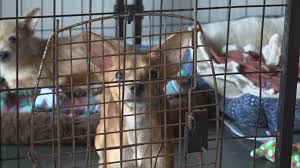
Bringing home a new puppy feels like a dream until the biting, chewing, and indoor accidents start. Suddenly, that cute furball becomes a major source of household stress. Are you making mistakes when you train your puppy? Yes. The top three errors are waiting too long to start socialization, using punishment-based correction, and lacking consistency in house-training routines.
Fixing these behavioral issues early prevents severe canine anxiety and aggression down the road. Puppy brains possess incredible neuroplasticity, meaning what they learn now becomes permanent programming. Let’s look at exactly where training protocols break down and how you can implement immediate, science-backed solutions.
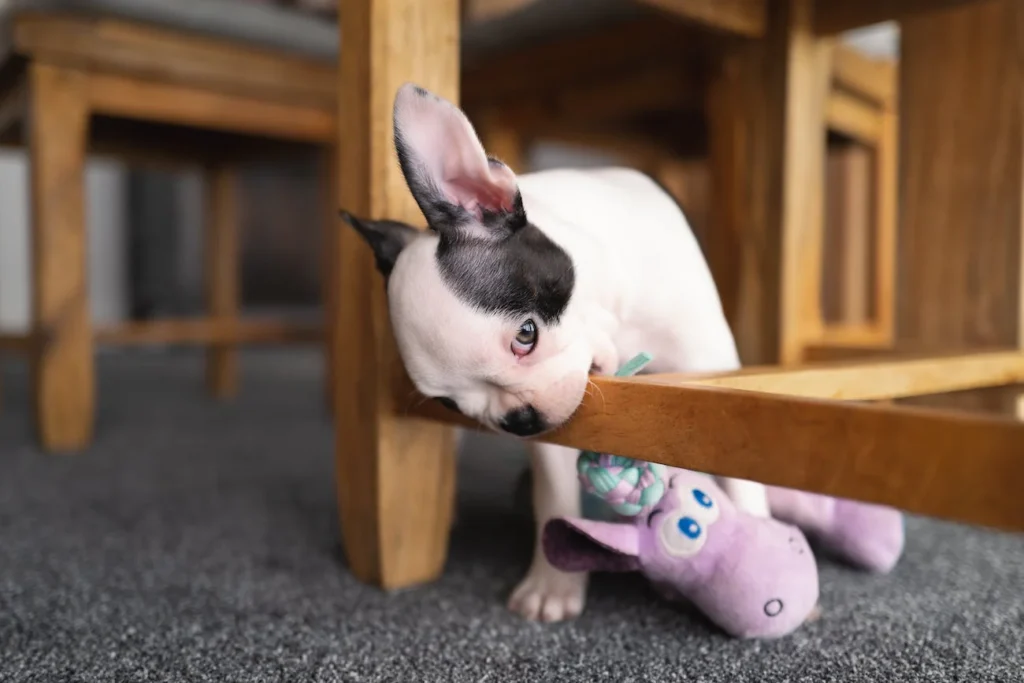
Mistake #1: Missing the Critical Socialization Window
You want a friendly, bomb-proof dog, but your puppy currently seems terrified of new people, loud noises, and other animals. Many owners inadvertently cause this fear by keeping their puppies completely isolated indoors. They wait until the puppy is fully vaccinated at 16 weeks to introduce them to the outside world.
By waiting until four months of age, you completely miss the sensitive socialization period. This neurological window closes permanently around 14 to 16 weeks of age. If a puppy is not exposed to diverse stimuli during this time, they are significantly more likely to develop fear-based aggression and severe reactivity. You are trading a temporary, manageable medical risk for a lifetime of permanent behavioral issues.
The Danger of Outdated Veterinary Advice
Historically, veterinarians advised keeping puppies inside until their final distemper and parvovirus boosters. However, the American Veterinary Society of Animal Behavior (AVSAB) strongly states that the risk of behavioral death vastly outweighs the risk of infectious disease. Puppies need safe, structured exposure, not complete quarantine.
How to Safely Socialize Before 16 Weeks
You can safely socialize an unvaccinated or partially vaccinated puppy if you meticulously control the environment. The primary goal is positive, low-stress exposure to novel sights, sounds, and surfaces. Here is how you execute safe socialization:
- Carry your puppy: Use a sling, backpack, or stroller to take them to busy areas without letting their paws touch public ground.
- Host controlled playdates: Invite healthy, fully vaccinated, and behaviorally sound adult dogs over to your home to interact with your puppy.
- Take frequent car rides: Let your puppy observe traffic, sirens, and different neighborhoods from the safety of a secured back seat.
- Introduce novel objects indoors: Expose them to umbrellas, vacuums, and people wearing hats or sunglasses right in your living room.
Mistake #2: Using Aversive Correction Techniques
Your puppy constantly bites your hands, jumps on arriving guests, or pulls relentlessly on the leash. Out of frustration, you resort to shouting, leash pops, or physical alpha rolls. You read online that you must assert dominance and physically show the dog who the pack leader is to gain respect.
Unfortunately, this outdated alpha theory is scientifically inaccurate and actively counterproductive to operant conditioning. When you use punishment, you are not teaching the puppy what to do; you are simply suppressing their behavior through fear. This elevates their canine cortisol levels, creating chronic stress that inhibits learning. A stressed puppy cannot process commands, and worse, they begin to view you as unpredictable and dangerous.
Why the “Alpha” Myth Ruins Your Bond
Domestic dogs are not wild wolves, and even wild wolf packs do not operate through physical dominance and constant intimidation. Dogs are highly attuned to human body language and micro-expressions. When you yell or use physical force, you fracture the bond of trust essential for a healthy human-animal relationship. Over time, this suppressed fear often manifests as defensive biting or resource guarding.
The Power of Positive Reinforcement
The most effective way to train a puppy is through positive reinforcement and behavioral shaping. This methodology means rewarding the behaviors you want to see and actively ignoring or redirecting the behaviors you do not want. Rewarded behavior is repeated behavior.
To implement positive reinforcement effectively, follow these specific veterinary-approved guidelines:
- Use high-value rewards: Dry kibble might not work in highly distracting environments; use tiny pieces of boiled chicken or freeze-dried liver instead.
- Mark the exact moment: Use a clicker or a consistent verbal marker (like “Yes!”) the exact second the puppy performs the desired action.
- Manage the environment: If your puppy destroys furniture, use heavy-duty baby gates or an exercise pen to restrict access when unsupervised.
- Redirect inappropriate chewing: When the puppy bites your hands, immediately offer a suitable, durable chew toy and praise them for biting the toy.
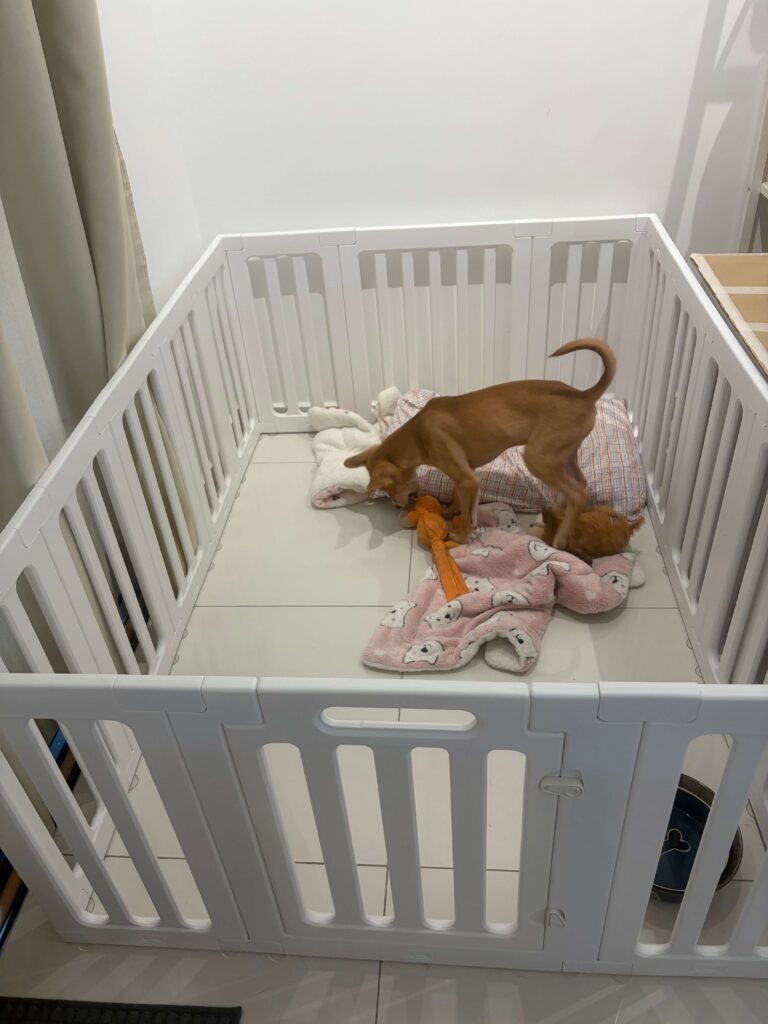
Mistake #3: Lacking Routine in Potty and Crate Training
You are completely exhausted from cleaning up urine on the rug, and the puppy cries relentlessly whenever placed in their crate. You start to assume the puppy is being stubborn or eliminating indoors out of spite. In reality, dogs do not eliminate indoors out of malice or anger.
The true issue is a lack of rigid structure and a fundamental misunderstanding of a puppy’s physiological limits. A two-month-old puppy physically cannot hold their bladder for more than two to three hours. If you do not provide a predictable schedule, the puppy will learn to relieve themselves wherever they happen to be standing. Every single indoor accident physically reinforces the habit of using your flooring as a toilet.
The Anatomy of a Potty Training Accident
Most potty training failures occur because the owner gave the puppy too much freedom too soon. Unsupervised time wandering the house is an absolute recipe for disaster. Furthermore, if you punish the puppy after finding a puddle, they simply learn to hide behind the sofa next time they need to void. They associate your presence with punishment, not the act of eliminating indoors.
Establishing a Foolproof Schedule
To achieve a fully house-trained dog rapidly, you must rely on strict environmental management and proper crate training. The crate leverages the dog’s natural denning instinct to keep their immediate sleeping area clean. It should function as a safe, highly rewarding sanctuary, never a place of isolation or punishment.
Here is the ultimate daily routine to ensure rapid house-training success:
- Take the puppy out immediately: Do this upon waking up, ten minutes after every meal, after intense play sessions, and right before bed.
- Utilize umbilical cord training: Tether the puppy to your waist with a leash while indoors so they cannot wander off and have an accident unnoticed.
- Use an enzymatic cleaner: Clean any indoor accidents with specific enzymes to completely destroy uric acid crystals; otherwise, the puppy will smell it and repeat the mistake.
- Wait outside with them: Do not just toss them into the yard; go with them, use a verbal cue like “Go potty,” and deliver a high-value treat the exact second they finish.
Consistency is the Key to Canine Behavioral Success
Puppy training is rarely a perfectly linear process, and behavioral setbacks are a completely normal part of canine development. However, avoiding these three major mistakes will dramatically accelerate your training timeline. By prioritizing early socialization, utilizing positive reinforcement, and maintaining strict environmental management, you set your dog up for lifelong success.
Remember, you are not just teaching party tricks; you are actively shaping a developing mammalian brain. Patience, deep empathy, and absolute consistency are your greatest behavioral tools. If you find yourself completely overwhelmed by the process, do not hesitate to reach out to a certified professional dog trainer (CPDT) or a veterinary behaviorist for personalized, hands-on guidance.
Disclaimer: This article is for informational purposes only and does not constitute veterinary medical advice. Always consult with a licensed veterinarian before altering your pet’s diet, starting a new training regimen, or addressing health concerns.