Thinking of getting a Dachshund? Discover the 10 critical medical, behavioral, and financial facts you must know before bringing a wiener dog home.

The Reality Behind the Wiener Dog: Are You Prepared?
That adorable “wiener dog” waddling down the street is actually a ruthless, genetically engineered badger hunter. Yes, before getting a Dachshund, you must absolutely prepare for high-risk spinal injuries, intense prey drive, and notorious stubbornness. Bringing this hound into your life without modifying your home and training approach guarantees astronomical vet bills and severe behavioral headaches.
It is easy to look at their comical proportions and assume they are simple, low-maintenance lap dogs. However, failing to understand their complex biology and fiery temperament sets both you and the dog up for failure. By mastering these ten crucial facts, you will transform this challenging breed into an incredibly loyal family member.
The Medical Reality: Protecting the Long Spine
1. The Catastrophic Risk of IVDD
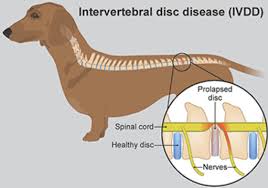
Dachshunds are disproportionately affected by a devastating spinal condition called Intervertebral Disc Disease (IVDD). Because they are a chondrodysplastic breed—meaning they have genetically shortened limbs—their elongated spines endure massive, unnatural mechanical stress. Up to 25% of Dachshunds will experience a slipped or ruptured disc during their lifetime, often leading to sudden, agonizing hind-leg paralysis.
Watching your previously active dog suddenly drag their back legs across the floor is a living nightmare for any owner. The emergency spinal surgery required to correct severe IVDD episodes routinely exceeds $8,000, and recovery takes months of strict crate rest. You must purchase comprehensive pet insurance the exact moment you bring your puppy home. Furthermore, you must aggressively manage their physical environment to minimize spinal compression from day one.
2. Obesity is a Death Sentence
Carrying extra weight is dangerous for any dog, but for a Dachshund, it is a guaranteed medical catastrophe. Even a single pound of excess fat pulls down on their fragile spine, exponentially increasing the risk of an IVDD rupture. You must measure their meals with a kitchen scale, completely ignoring their persistent, soulful begging.
To keep your Dachshund at a healthy body condition score, stick to these non-negotiable rules:
- Zero table scraps: Human food is far too calorie-dense for their small, compact frames.
- Monitor the waistline: You should easily see a tucked waist from above and feel their ribs without applying deep pressure.
- Low-impact exercise: Focus on daily flat-ground walks to build supporting muscle without stressing the delicate joints.
The Fierce Hound Temperament
3. Unrelenting Prey Drive
Dachshunds were bred in Germany to track, chase, and fight fierce badgers inside dark underground tunnels. This ingrained prey drive means they will relentlessly pursue squirrels, rabbits, and even the neighbor’s cat. You can never trust this breed off-leash in an unfenced area, as their nose will always override your recall commands.
4. Digging is in Their DNA
Because their ancestors excavated massive badger dens, modern Dachshunds possess large, paddle-shaped front paws designed specifically for moving dirt. If left unsupervised in a backyard, they will quickly transform your manicured lawn into a cratered moonscape. Instead of punishing a biological urge, provide them with a dedicated sandbox or designated digging zone where they can safely exercise this instinct.

5. The Loud and Proud Bark
Do not let their small stature fool you; Dachshunds possess the deep, booming bark of a large working hound. They are highly alert watchdogs who feel obligated to announce the arrival of every mail carrier, falling leaf, or shadow. If you live in an apartment with strict noise ordinances, you must implement rigorous counter-conditioning training early to manage this nuisance barking.
Lifestyle Changes and Physical Limitations
6. Ramps Are Mandatory, Not Optional
The sheer impact of a Dachshund jumping off a standard living room couch is enough to permanently shatter a compromised spinal disc. Ramps are non-negotiable for this breed; they must be securely placed at every piece of furniture your dog is allowed to access. Training your puppy to use a carpeted pet ramp from day one is the single most effective way to prevent lifelong mobility issues.
7. Proper Lifting Techniques
Picking up a Dachshund like a normal dog or a human baby places tremendous, dangerous tension on their vertebral column. You must master the “football hold” to safely transport your dog and maintain proper spinal support. One hand must strictly support their chest behind the front legs, while the other hand must fully scoop and support their hindquarters so their rear end never dangles mid-air.

Training a Stubborn Badger Hunter
8. The Potty Training Nightmare
Dachshunds are notoriously difficult to housebreak, consistently ranking among the hardest breeds to successfully potty train. They despise cold weather, strictly refuse to step in the rain, and will stubbornly hold their bladder until they can sneak behind a sofa. You must establish a rigid, hourly bathroom schedule and aggressively reward outdoor success with high-value treats like freeze-dried liver.
9. Positive Reinforcement is Non-Negotiable
This breed is incredibly intelligent but fiercely independent, meaning they will not blindly obey commands just to please you. If you use harsh corrections or physical punishments, a Dachshund will completely shut down or respond with defensive aggression. You must use positive reinforcement and keep training sessions short, fast-paced, and highly rewarding to maintain their focus.
Grooming, Socialization, and Companionship
10. Coat Types Dictate Grooming Needs
Dachshunds come in three distinct coat varieties: smooth, longhaired, and wirehaired. A smooth coat requires a simple weekly wipe-down, but the longhaired variety demands daily brushing to prevent painful matting behind the ears and legs. Wirehaired Dachshunds require specialized “hand-stripping” of their coarse outer coat by a professional groomer multiple times a year to maintain proper texture.
Regardless of coat type, you must adhere to this essential maintenance checklist:
- Nail trims: Keep nails extremely short to ensure their stubby legs strike the ground at a biomechanically correct angle.
- Dental care: Their crowded, narrow jaws trap tartar rapidly, requiring daily brushing and annual professional cleanings.
- Ear cleaning: Their heavy, drop ears restrict airflow, making weekly cleaning mandatory to prevent chronic yeast infections.
The Ultimate Velcro Dog Syndrome
Despite their fierce hunting background, Dachshunds are intensely loyal and bond deeply with their primary caretaker. They are famous for burrowing under thick blankets to sleep pressed directly against your legs for warmth and security. This “Velcro dog” personality makes them incredible companions, but it also means they are highly prone to severe separation anxiety if left alone for long hours.
Disclaimer: This article is for informational purposes only and does not constitute veterinary medical advice. Always consult with a licensed veterinarian before altering your pet’s diet, starting a new training regimen, or addressing health concerns.