The Mini Dachshund, a smaller version of the standard Dachshund, is a breed celebrated for its elongated body, short legs, and courageous personality. Originally bred in Germany to hunt small prey like badgers, the Mini Dachshund has become a beloved companion dog, known for its loyalty, intelligence, and distinctive appearance. Despite its small stature, the Mini Dachshund possesses a big personality, making it a popular choice for families and individuals seeking a charming and adaptable canine companion. This article delves into the specifics of the Mini Dachshund, covering its history, characteristics, care requirements, health considerations, and suitability as a pet.
Understanding the Mini Dachshund Breed
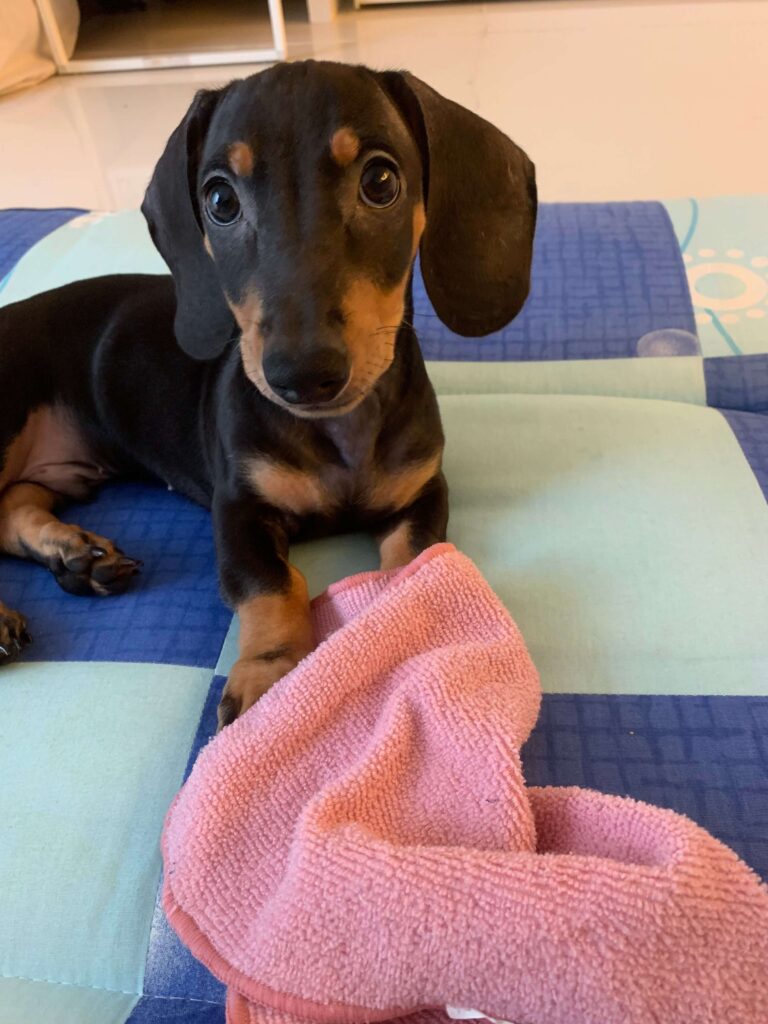
The Mini Dachshund, often referred to as a “wiener dog” or “sausage dog” due to its unique shape, is a captivating breed with a rich history and distinct characteristics. Understanding these aspects is crucial for anyone considering bringing a Mini Dachshund into their home.
History and Origin
The Dachshund breed, in general, originated in Germany as early as the 15th century. They were specifically bred to hunt badgers (“Dachs” means badger in German, and “Hund” means dog). The Mini Dachshund was developed later, primarily to hunt smaller prey such as rabbits and rodents, or to pursue badgers in smaller tunnels. Breeders likely achieved this smaller size by selectively breeding smaller Dachshunds or possibly crossing them with other small breeds like terriers, though the exact process is not definitively documented. By the late 19th century, Dachshunds, including the miniature variety, had gained popularity worldwide as both hunters and companion animals. The breed’s unique physique, combined with its courageous and intelligent nature, contributed to its enduring appeal. Today, the Mini Dachshund is primarily a companion animal, cherished for its loyalty and charming personality.
Physical Characteristics and Appearance
The most defining characteristic of the Mini Dachshund is its elongated body and short legs, a condition known as chondrodysplasia. This dwarfism gives them their distinctive low-to-the-ground appearance. According to breed standards, Mini Dachshunds typically weigh 11 pounds or less and stand around 5-6 inches tall at the shoulder. They come in three coat varieties: smooth, longhaired, and wirehaired. Smooth-coated Dachshunds have short, shiny fur; longhaired Dachshunds boast flowing, silky coats; and wirehaired Dachshunds have a dense, wiry outer coat with a soft undercoat. A wide array of colors and patterns are accepted, including solid colors like red, black, and cream, as well as patterns like dapple (merle), brindle, sable, and piebald. Their ears are long and floppy, their eyes are dark and expressive, and their tails are typically long and slightly curved. The Mini Dachshund’s unique physique necessitates careful handling and management to prevent spinal issues, which are common in the breed.
Temperament and Personality
Despite their small size, Mini Dachshunds possess a bold and courageous personality. They are intelligent, independent, and often described as having a “big dog” attitude in a small package. They can be quite stubborn, which can make training a challenge, but their intelligence also means they are capable of learning with patience and consistency. Mini Dachshunds are known for their loyalty and devotion to their families, often forming strong bonds with one or two particular individuals. They can be protective of their loved ones and may be wary of strangers, making early socialization crucial. While generally good with children, supervision is recommended, especially with younger children, as Mini Dachshunds can be sensitive and may not tolerate rough handling. They have a strong prey drive due to their hunting heritage, so it’s important to keep them on a leash in unfenced areas to prevent them from chasing small animals. Mini Dachshunds also have a tendency to bark, which can be managed with proper training. Overall, they are affectionate, playful, and entertaining companions who bring joy to their owners’ lives.
Caring for Your Mini Dachshund
Proper care is essential to ensure the health and well-being of your Mini Dachshund. This includes addressing their specific nutritional needs, providing adequate exercise, maintaining their grooming, and attending to their training and socialization.
Nutritional Needs and Feeding Guidelines
Mini Dachshunds are prone to obesity due to their small size and predisposition to back problems, so proper nutrition is paramount. Choose a high-quality dog food specifically formulated for small breeds, ensuring it contains a balanced blend of protein, carbohydrates, and healthy fats. The feeding amount should be carefully measured according to the dog’s age, weight, and activity level. Overfeeding can lead to weight gain, which puts extra strain on their backs and increases the risk of intervertebral disc disease (IVDD). It’s best to divide their daily food ration into two or three smaller meals to help maintain stable blood sugar levels and prevent overeating. Avoid giving them table scraps or excessive treats, as these can contribute to weight gain and digestive issues. Fresh water should always be available. Consult with your veterinarian to determine the optimal feeding plan for your individual Mini Dachshund.
Exercise Requirements and Activity Levels
While Mini Dachshunds don’t require extensive exercise, they still need regular physical activity to maintain their fitness and mental well-being. Daily walks are essential, but be mindful of their short legs and avoid strenuous activities like jumping or running up and down stairs, which can put excessive strain on their backs. Short, frequent walks are preferable to long, infrequent ones. Puzzle toys and interactive games can provide mental stimulation and help prevent boredom. Playing fetch in a controlled environment is also a good way to burn energy. Swimming can be a low-impact exercise option, but always supervise them closely. It’s important to tailor the exercise routine to the individual dog’s age, health condition, and energy level. Observe your Mini Dachshund for signs of fatigue or discomfort and adjust the activity accordingly.
Grooming Needs and Maintenance
Grooming requirements vary depending on the coat type of your Mini Dachshund. Smooth-coated Dachshunds require minimal grooming, typically needing only occasional brushing to remove loose hair. Longhaired Dachshunds need more frequent brushing to prevent matting and tangles. Wirehaired Dachshunds require regular brushing and stripping of dead hair to maintain their coat’s texture and appearance. All Mini Dachshunds need regular nail trimming to prevent overgrowth and discomfort. Dental hygiene is also crucial; brush their teeth regularly to prevent dental disease. Ear cleaning is important to prevent ear infections, especially in dogs with floppy ears. Bathing should be done only as needed, as excessive bathing can strip the coat of its natural oils. When bathing, use a dog-specific shampoo and conditioner to avoid skin irritation.
Training and Socialization
Early training and socialization are essential for Mini Dachshunds. Start training as early as possible, using positive reinforcement methods such as treats, praise, and toys. Consistency and patience are key, as Mini Dachshunds can be stubborn. Focus on basic obedience commands such as sit, stay, come, and down. Crate training can be beneficial, providing them with a safe and secure den. Socialization is equally important; expose your Mini Dachshund to a variety of people, places, and sounds from a young age to help them develop into well-adjusted adults. Enroll them in puppy classes to provide structured socialization opportunities. Supervise their interactions with children and other animals carefully. Address any behavioral issues promptly to prevent them from escalating.
Health Considerations and Common Issues
Mini Dachshunds, like all breeds, are predisposed to certain health issues. Understanding these potential problems is crucial for responsible ownership and proactive healthcare management.
Intervertebral Disc Disease (IVDD)
Intervertebral Disc Disease (IVDD) is the most common health concern in Mini Dachshunds due to their elongated bodies and short legs. IVDD occurs when the discs between the vertebrae rupture or herniate, putting pressure on the spinal cord. This can cause pain, weakness, paralysis, and loss of bladder or bowel control. The risk of IVDD can be minimized by maintaining a healthy weight, avoiding jumping or strenuous activities, and using ramps or stairs to help them access furniture. Treatment options range from conservative management with pain medication and rest to surgery to remove the compressed disc material. Early diagnosis and treatment are crucial for improving the chances of a successful outcome.
Other Common Health Problems
In addition to IVDD, Mini Dachshunds are prone to other health problems, including:
- Progressive Retinal Atrophy (PRA): A degenerative eye disease that can lead to blindness.
- Epilepsy: A neurological disorder that causes seizures.
- Cushing’s Disease: A hormonal disorder that causes an overproduction of cortisol.
- Diabetes: A metabolic disorder that affects blood sugar regulation.
- Obesity: A common problem that can exacerbate other health issues.
- Dental Problems: Due to their small mouths, Mini Dachshunds are prone to dental disease.
Preventative Care and Veterinary Checkups
Regular veterinary checkups are essential for maintaining the health of your Mini Dachshund. These checkups should include a thorough physical examination, vaccinations, parasite prevention, and dental care. Your veterinarian can also screen for early signs of common health problems and recommend appropriate preventative measures. It’s important to discuss any concerns you have about your dog’s health with your veterinarian and follow their recommendations for treatment and management. Maintaining a healthy weight, providing a balanced diet, and ensuring adequate exercise are also crucial for preventing health problems.
Is a Mini Dachshund Right for You?
Deciding whether a Mini Dachshund is the right pet for you requires careful consideration of your lifestyle, living situation, and ability to meet the breed’s specific needs.
Lifestyle Compatibility
Mini Dachshunds can adapt to various living situations, including apartments, as long as they receive adequate exercise and mental stimulation. However, prospective owners should be aware of their barking tendencies, which may be a concern in apartment settings. They are best suited for owners who can provide them with attention, training, and socialization. Their independent nature means they may not be the best choice for first-time dog owners who lack experience in training stubborn breeds. They thrive in homes where they are part of the family and receive plenty of love and affection. Due to their back problems, they may not be suitable for families with very young children who may not understand how to handle them gently.
Considerations for Families with Children and Other Pets
While Mini Dachshunds can be good with children, supervision is always recommended, especially with younger children. Teach children how to handle them gently and respectfully. They may not tolerate rough handling or teasing. Early socialization with children is crucial. When it comes to other pets, Mini Dachshunds can coexist peacefully with cats and other dogs if properly socialized from a young age. However, their strong prey drive may make them unsuitable for homes with small animals such as rabbits or rodents. Introduction to other pets should be done gradually and under supervision.
Long-Term Commitment and Financial Responsibility
Owning a Mini Dachshund is a long-term commitment that requires both time and financial resources. They typically live for 12-16 years, so prospective owners should be prepared to provide care for the duration of their lives. The initial cost of purchasing a Mini Dachshund from a reputable breeder can range from \$500 to \$3,000, depending on the lineage, coat type, and breeder. Ongoing expenses include food, veterinary care, grooming, toys, and training. Veterinary care can be expensive, especially if they develop health problems such as IVDD. It’s also important to factor in the cost of pet insurance, which can help cover unexpected medical expenses. Before bringing a Mini Dachshund into your home, be sure you are prepared to meet their needs both financially and emotionally. Conclusion:
The Mini Dachshund, with its distinctive appearance and bold personality, has captured the hearts of dog lovers worldwide. Understanding their history, characteristics, care requirements, and potential health issues is essential for providing them with a happy and healthy life. While they can be challenging to train due to their independent nature, their loyalty and affection make them rewarding companions for those willing to invest the time and effort. As veterinary medicine advances, preventative care and early detection of health problems will become increasingly important for ensuring the longevity and quality of life for Mini Dachshunds. Future trends may also focus on genetic testing to identify and reduce the incidence of inherited diseases. For prospective owners, the key takeaway is to research thoroughly, choose a reputable breeder, and be prepared to provide a loving and supportive environment for your Mini Dachshund.