You bring home a brand-new puppy and grab the most colorful, expensive-looking bag of food off the grocery store shelf. You naturally assume the massive corporations behind these brands strictly prioritize your dog’s health and safety.
If you are wondering exactly what ingredients to avoid in commercial puppy food, you must immediately eliminate synthetic preservatives (BHA, BHT, Ethoxyquin), unnamed “meat” meals, unnamed animal fat, artificial food dyes (Red 40, Yellow 5), and processed corn syrup from their daily bowl. The pet food industry is a multi-billion dollar machine built entirely on maximizing massive profit margins. They use chemical waste and cheap agricultural by-products to drastically lower the manufacturing costs.
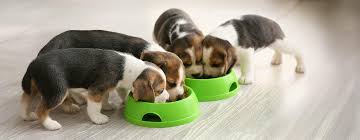
By feeding these hidden toxins during your puppy’s critical developmental phase, you are actively setting them up for severe gastrointestinal issues, chronic allergies, and early-onset organ failure. Let’s rip the mask off these highly deceptive ingredient labels and protect your puppy.
The Ingredient Blacklist Mind Map
- The Toxic Chemicals: BHA, BHT, and Ethoxyquin are known synthetic carcinogens.
- The Empty Fillers: Corn syrup and artificial petroleum dyes offer zero biological value.
- The Mystery Meats: Unnamed “meat meal” can legally contain diseased, dying, or euthanized animals.
- The Carbohydrate Trap: Cheap soy and corn gluten actively trigger severe, chronic canine allergies.
The Chemical Preservative Crisis
Pet food manufacturers need massive bags of dry kibble to sit on hot warehouse shelves for up to two years without spoiling. To achieve this highly unnatural shelf life, they pump the rendered animal fat with heavy industrial chemicals.
These preservatives are entirely designed for corporate convenience, not canine health.
You must aggressively scan the fine print at the bottom of the ingredient list for these specific toxins.
The Danger of BHA, BHT, and Ethoxyquin
Butylated Hydroxyanisole (BHA) and Butylated Hydroxytoluene (BHT) are synthetic chemical preservatives heavily linked to severe organ damage and canine cancer. The World Health Organization actively flags these specific chemicals as highly suspicious and potentially carcinogenic.
Ethoxyquin was originally developed by the agricultural industry as a highly toxic rubber stabilizer and pesticide. Yet, it frequently appears in cheap puppy kibble to preserve cheap fish meal during overseas transport. Never feed your dog a product preserved with industrial pesticides.
Safe, Natural Alternatives
You absolutely do not have to accept toxic chemicals in your growing dog’s daily diet. Ethical, high-quality pet food manufacturers use natural preservatives derived directly from safe plant sources.
Always look for food labels that explicitly list “Mixed Tocopherols” (Vitamin E), Ascorbic Acid (Vitamin C), or Rosemary Extract as the primary preservation method. These natural compounds keep the fat from oxidizing without slowly poisoning your puppy’s developing liver and kidneys.
[Image: A macro shot of a person’s finger pointing at a dog food ingredient label, specifically highlighting the word ‘BHA’ buried in the fine print.]
The Danger of Mystery Meats
Dogs are biological carnivores that desperately require high-quality, named protein sources to build strong muscle, tissue, and bone. Cheap commercial dog food brands routinely hide behind extremely vague, legally manipulated protein definitions.
If the manufacturer refuses to name the exact animal going into the grinder, you must put the bag back on the shelf.
Clarity is the ultimate indicator of nutritional quality.
Identifying “Meat Meal”
A label that simply reads “Meat Meal” or “Animal Fat” is a massive, highly dangerous red flag. Under current FDA guidelines, generic “meat” can legally be sourced from dead, dying, diseased, or disabled livestock.
It can legally include roadkill, diseased zoo animals, or expired, rotting meat from grocery store dumpsters. You must exclusively buy foods that explicitly name the exact protein source, such as “Chicken Meal,” “Beef Fat,” or “Salmon Meal.” ### The Truth About By-Products
Not all by-products are inherently toxic, as wild canines naturally consume nutrient-dense organ meat in the wild. However, generic “Meat By-Products” often contain absolutely zero bioavailable nutritional value.
This extremely cheap filler is frequently loaded with indigestible bird beaks, chicken feet, and cow hooves. Avoid these highly processed, generic leftovers at all costs to protect your puppy’s sensitive digestive tract.
Artificial Colors and Chemical Sweeteners
A puppy does not care if their daily kibble is shaped like a bright red bone or a green vegetable. Dogs are essentially colorblind to the vibrant, neon dyes used in commercial pet food.
These additives are entirely a psychological marketing trick designed to manipulate the human purchaser walking down the aisle.
If the food looks like a bowl of colorful human cereal, it is absolute toxic junk.
Dyes Are for Humans, Not Dogs
Artificial colors like Red 40, Yellow 5, and Blue 2 are chemically synthesized directly from crude petroleum.These synthetic dyes provide absolutely zero biological or nutritional value to a rapidly growing puppy.
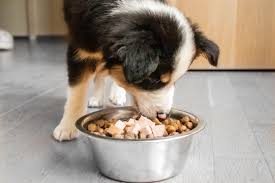
Worse, they are heavily linked to severe canine behavioral issues, intense hyperactivity, and chronic, untreatable allergic reactions. There is zero logical reason to feed your dog fossil fuels just to make the bowl look pretty.
The Corn Syrup Addiction
To make cheap, grain-heavy kibble taste appealing, manufacturers frequently coat the outside of the dry pellets in processed sugars. You will often see corn syrup or raw sucrose buried deep in the ingredient list.
Feeding a puppy processed sugar guarantees dangerous spikes in their blood glucose, rapid obesity, and early-onset canine diabetes. Sugar is a highly addictive, cheap flavor enhancer used to mask the taste of rancid, low-quality ingredients.
[Image: Two dog bowls placed side-by-side; one filled with bright, artificially colored kibble chunks and the other filled with natural, brown, meat-based kibble pellets.]
Navigating Sneaky Label Tactics
Pet food companies hire elite legal teams to actively manipulate their printed ingredient lists. They know educated consumers are actively hunting for cheap fillers like corn, wheat, and soy.
To hide the true volume of these cheap carbohydrates, they utilize a highly deceptive legal practice known as ingredient splitting.
You must learn how to read a bag of dog food like a forensic accountant.
Ingredient Splitting Explained
Ingredients on a pet food label are legally required to be listed by total weight before the cooking process. A deceptive manufacturer will take a massive amount of cheap corn and split it into “flaked corn,” “corn gluten meal,” and “corn flour.”
By breaking one cheap filler into three separate, smaller ingredients, they artificially push the real meat to the very top of the label. Always read past the first three ingredients to spot this highly deceptive, carbohydrate-loading marketing tactic. ### The Vague “Flavor” Loophole
Another massive red flag is the frequent use of generic flavorings to trick your dog’s nose. A label stating “Beef Flavor” does not mean the bag actually contains any real, high-quality beef muscle meat.
It simply means the manufacturer sprayed a cheap, artificial chemical flavor profile over a giant pile of processed corn. Demand real, tangible meat sources, not synthetic laboratory sprays designed to fake a meat-based diet.
Transitioning to Clean Puppy Nutrition
Once you correctly identify the toxic fillers hiding in your current brand, you must upgrade their diet immediately. However, you cannot simply dump a completely new brand of kibble into their bowl overnight.
A young puppy’s gastrointestinal tract is highly sensitive to sudden macronutrient shifts.
You must execute a highly calculated transition to prevent violent stomach cramps.
The Safe Transition Protocol
To avoid explosive diarrhea, you must execute a strict, slow dietary transition over a full ten-day period. Begin by mixing 90% of the old, low-quality food with exactly 10% of the new, clean kibble.
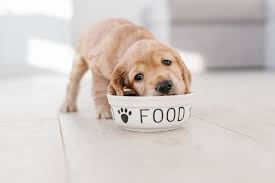
Consider a highly observant Village Dog and Shiba mix like Anggu. When her owner transitioned her off cheap, filler-heavy kibble, they used this exact ten-day method to successfully prevent severe stomach upset. Slowly increase the ratio of the new, healthy food every single day until the old bag is completely phased out.
Your Clean Eating Checklist
Ready to protect your puppy from the commercial pet food machine? Audit your pantry right now using these strict parameters.
Mandatory Action Steps:
- Check the Preservatives: Throw the bag away immediately if you spot BHA, BHT, or Ethoxyquin.
- Verify the Meat: Ensure the very first ingredient is a specifically named animal protein (e.g., Deboned Turkey).
- Eliminate Colors: Look at the kibble; if it contains red, green, or yellow pellets, it is loaded with toxic petroleum dyes.
Disclaimer: The content on Snoutbit.com is for informational and educational purposes only and does not constitute professional veterinary medical advice. Always consult with a licensed veterinarian before altering your pet’s diet, starting a new training regimen, or addressing behavioral or health concerns.