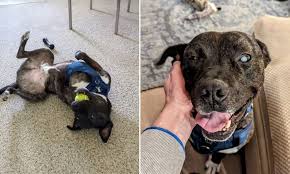
You finally caught that terrified stray dog roaming your neighborhood, but bringing them inside your living room feels like defusing a bomb. They are frantically pacing the perimeter, panting heavily, and completely ignoring your attempts to comfort them.
Successfully transitioning a stray dog to living indoors requires enforcing a strict two-week shutdown, setting up a secure wire crate in a quiet room, tethering the dog for indoor housebreaking, and completely avoiding forced physical affection. You cannot treat a feral survivor like a pampered, domestic puppy.

If you rush this highly delicate process, you risk triggering severe resource guarding, horrific property destruction, and dangerous fear bites. Your home is not a sanctuary to them yet; it is a terrifying, inescapable box. Let’s completely overhaul your approach, decode their survival instincts, and safely integrate this wild canine into your modern household.
The Stray Transition Mind Map
- The Core Problem: The dog is suffering from massive sensory overload caused by modern indoor environments.
- The Agitation: Rushing the integration forces the dog into an aggressive, biological fight-or-flight response.
- The Solution: Implementing an extreme “Two-Week Shutdown” to radically lower their cortisol levels.
- The Housebreaking Rule: Assuming the dog has zero bladder control and starting potty training from absolute scratch.
The Sensory Nightmare of the Modern Home
You view your house as a warm, safe haven filled with soft beds and unlimited food. A street dog views your house as a terrifying, loud, and unpredictable trap.
To survive on the streets, a dog must be hyper-aware of every single environmental change. When you lock them inside, their highly tuned senses are completely overwhelmed by the artificial stimuli of the modern world.
Using the Problem, Agitate, Solution (PAS) framework, we must address their immediate biological panic before any actual training begins.
The Cortisol Hangover
Life on the streets keeps a dog’s stress hormones permanently spiked at maximum capacity. This massive flood of cortisol keeps them awake, alert, and alive in dangerous conditions.
When you pull a stray directly from a loud municipal pound or an alleyway, that chemical buildup does not simply vanish. They will experience a severe “cortisol hangover” that causes excessive panting, uncontrollable shaking, and complete food refusal. You cannot verbally soothe a dog out of a chemical hormone spike. They require absolute, uninterrupted silence to allow their adrenal glands to finally rest.
The Invisible Barrier Threat
Street dogs do not understand the physics of glass windows or sliding patio doors. To a feral canine, a glass door is an invisible forcefield trapping them inside a small, inescapable cave.
If a loud noise startles them, their immediate biological instinct is to sprint directly away from the threat. A panicked stray will absolutely shatter a glass window trying to escape your living room. You must draw the curtains, pull the blinds down, and obscure all ground-level windows for the first forty-eight hours to prevent a horrific laceration injury.
The Mandatory Two-Week Shutdown Protocol
If you want the absolute highest chance of behavioral success, you must implement a strict Two-Week Shutdown the second the dog enters your home. This protocol is explicitly designed to make the dog’s world as small, boring, and predictable as physically possible.
Boredom is the ultimate cure for severe canine anxiety.
You must quarantine the dog from the chaotic outside world for fourteen full days.
Building the Indoor Sanctuary
Create a dedicated, quiet sanctuary space entirely for the dog in a low-traffic area of your home. Connect a heavy-duty wire exercise pen directly to an open wire crate, creating a secure “apartment.”

This is their absolute safe zone, and the door to the crate must always remain tied wide open. When the dog is inside this pen, humans are legally not allowed to touch them, talk to them, or stare at them. Feed all of their meals strictly inside the back of the crate to build a massive positive association with their new bedroom.
The Strict Hands-Off Approach
Humans show love through hugging, kissing, and heavy petting. Dogs view forced physical restraint as a massive, life-threatening challenge.
Consider an owner who recently pulled a terrified, highly independent Village Dog and Shiba mix directly from a high-kill pound. The owner knew that ancient, primitive genetics demanded immense personal space. By completely ignoring the dog for the first week and letting the dog initiate 100% of the physical contact, the owner prevented a guaranteed fear bite.
Never lean over a newly rescued stray, trap them in a corner, or force them onto your lap. Let them slowly approach you, sniff your shoes, and retreat without any human interference.
Foolproof Housebreaking for Feral Dogs
A dog that has lived outside its entire life simply pees wherever it happens to be standing. They have absolutely no biological concept of holding their bladder to protect your expensive rugs.
If you give a stray dog free-roam of your house, you are guaranteeing massive, deeply ingrained potty accidents.
You must treat them exactly like an eight-week-old puppy, regardless of their actual physical size or age.
The Umbilical Cord Tethering Method
When the dog is outside of their safe playpen, they must be physically attached to you at all times. Clip a lightweight, six-foot leash to their collar and loop the handle directly over your belt.
This is known as the umbilical cord method. Because the dog is tethered to your waist, they physically cannot sneak away into the dining room to urinate behind the sofa. If they begin to frantically sniff the floor or circle, you will feel the leash pull and can immediately rush them out the back door.
Establishing the Bathroom Routine
Routine is the only way to successfully rewrite a stray dog’s bathroom habits. You must take the dog outside to the exact same patch of grass every single time.
Take them out immediately after they wake up, exactly twenty minutes after every meal, and every three hours in between.
When they finally relieve themselves outside, you must throw a massive party. Instantly reward them with high-value, smelly treats like freeze-dried liver to prove that peeing outside is highly profitable.
Stopping Resource Guarding Before It Starts
Street dogs survive by aggressively fighting for every single calorie they consume. This severe food scarcity trauma creates dogs that will violently guard their food bowls, found bones, and even their new dog beds.
Resource guarding is an immense safety liability, especially if you have small children or other pets in the home.
You must aggressively manage their environment to prevent this dangerous instinct from triggering.
Safe Feeding Practices
Never place a food bowl on the kitchen floor and stand over the dog while they eat. To a stray, you are a larger predator preparing to steal their hard-earned meal.
Always feed the stray dog completely out of sight inside their locked wire crate. Once you put the bowl down, walk entirely out of the room and do not return until they have finished eating and stepped away from the dish.
The Trade-Up Game
If the dog steals a shoe or finds a piece of garbage in the house, never forcefully pry it out of their jaws. Reaching into a feral dog’s mouth is the fastest way to the emergency room.
You must teach them the “trade-up” game. Toss a handful of highly pungent hot dog slices onto the floor several feet away from the stolen item. When the dog drops the shoe to eat the high-value meat, calmly pick up the shoe and completely ignore the incident.
Securing the Perimeter: Preventing Escapes
A stray dog is a master escape artist by trade. They have spent their entire lives successfully navigating chain-link fences, squeezing under gates, and dodging moving vehicles.

Your backyard fence is just a minor inconvenience to a determined street dog.
You must lock down your property with military precision before letting them outside.
The Double-Leash Strategy
For the first thirty days, never take the stray dog outside without using a double-leash safety system. A terrified dog will easily back out of a standard flat collar in three seconds.
You must equip the dog with a heavy-duty, escape-proof martingale collar and a separate, well-fitted walking harness. Hold two separate leashes, one attached to the collar and one to the harness. If they suddenly panic at a loud truck and manage to slip the harness, you still have total physical control via the collar.
Mandatory Microchipping and GPS
Before the dog ever steps foot in your home, they must be microchipped by a licensed veterinarian.
However, a microchip is a passive technology that only works if the dog is caught and scanned by a professional. You must invest in active, real-time tracking.
Attach a dedicated, waterproof GPS tracking collar to the dog the exact moment you bring them home. If they manage to slip out the front door, you can track their exact movements on your smartphone and safely recover them within minutes.
Transitioning a feral survivor into a couch potato is a marathon, not a sprint. By respecting their severe trauma, locking down your environment, and utilizing absolute patience, you will earn the fierce, unbreakable loyalty of a dog that finally knows they are safe.
Disclaimer: The content on Snoutbit.com is for informational and educational purposes only and does not constitute professional veterinary medical advice. Always consult with a licensed veterinarian before altering your pet’s diet, starting a new training regimen, or addressing behavioral or health concerns.