Did you know a single walk around the block could expose your new puppy to a highly contagious, fatal virus? To keep them safe, you absolutely must know the dog vaccination schedule for first year of life: puppies require core vaccines starting at 6 to 8 weeks old, with booster shots administered every 3 to 4 weeks until they reach 16 weeks of age.
This exact timeline is not a suggestion; it is a biological necessity to protect against deadly diseases like parvovirus, distemper, and rabies.
You bring home a bouncy, energetic puppy, excited for trips to the park and neighborhood walks. But behind the scenes, a microscopic war is brewing. The maternal antibodies they received from their mother’s milk are rapidly fading.
If you guess their shot schedule or delay a vet visit, you leave their immune system entirely defenseless. Treating a preventable disease like canine parvovirus can cost thousands of dollars in emergency ICU care, and the survival rate is devastatingly low.
Let’s eliminate the confusion right now. We are going to build a bulletproof shield around your puppy so you can finally enjoy those outdoor adventures without fear.
The Puppy Immunity Mind Map
- The Maternal Gap: Mother’s antibodies fade between 6 and 14 weeks, leaving the puppy highly vulnerable.
- Core Vaccines (Mandatory): Parvovirus, Distemper, Adenovirus (Hepatitis), and Rabies.
- Non-Core Vaccines (Lifestyle): Bordetella, Leptospirosis, Canine Influenza, and Lyme disease.
- The Booster Rule: A single shot does not equal immunity. Boosters are required every 3-4 weeks.
- The 16-Week Finish Line: True immunity is rarely achieved until the final booster at 16 weeks of age.
The Hidden Threat in Your Neighborhood
Most pet parents assume their pristine suburban neighborhood is perfectly safe for a new puppy. This is a terrifying misconception. Viruses like canine parvovirus can live in ordinary soil, on sidewalks, and in grass for years, completely unaffected by freezing winters or scorching summers.
Your puppy does not even need to interact with a sick dog to catch a deadly disease. Simply sniffing a patch of contaminated grass or licking their paws after a walk is enough to trigger a massive gastrointestinal infection.
The only proven way to prevent this nightmare is strict adherence to clinical immunization protocols.
The Maternal Antibody Paradox
When a puppy nurses during the first few days of life, they consume colostrum, which is packed with the mother’s immune antibodies. This provides brilliant, natural protection for the first few weeks of canine development.
However, these maternal antibodies actively block commercial vaccines from working.
Because we never know exactly when a specific puppy’s maternal antibodies will fade, veterinarians must administer a series of boosters. This overlapping strategy guarantees the vaccine catches the immune system the exact moment the mother’s protection disappears.
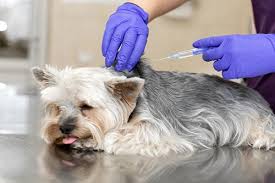
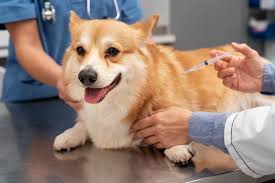
[Image: A veterinarian in scrubs gently holding a small, calm puppy on a stainless steel examination table while preparing a vaccination syringe.]
Core vs. Non-Core: What Your Puppy Actually Needs
Veterinary medicine divides canine immunizations into two highly distinct categories: core and non-core. Understanding this difference prevents you from over-vaccinating your dog while ensuring they have the critical protection they need.
Your geographic location and daily routine heavily dictate which shots are necessary.
The Non-Negotiable Core Shots
Core vaccines are mandated by top veterinary organizations because the diseases they prevent are globally distributed, highly contagious, and frequently fatal.
- Canine Parvovirus (CPV): Attacks the gastrointestinal tract, causing severe vomiting, bloody diarrhea, and rapid, fatal dehydration.
- Canine Distemper Virus (CDV): A brutal airborne virus that attacks the respiratory, gastrointestinal, and central nervous systems.
- Canine Adenovirus-2 (CAV-2): Protects against infectious canine hepatitis, a severe viral disease targeting the liver.
- Rabies: A 100% fatal neurological disease. This vaccine is legally required by law in almost every single state.
Lifestyle-Dependent Non-Core Shots
Non-core vaccines are tailored directly to your dog’s specific lifestyle risk factors.
If your puppy will be attending doggy daycare or boarding facilities, the Bordetella (kennel cough) vaccine is absolutely mandatory.
If you hike in the woods or your dog drinks from outdoor puddles, they are at high risk for Leptospirosis (spread by wildlife urine) and Lyme disease (spread by ticks). Discuss your specific weekend habits openly with your veterinarian to customize this list.
The Must-Know Dog Vaccination Schedule for First Year of Life
Do not rely on the breeder’s handwritten notes or internet forums to guess when your puppy needs their shots. Missing a booster window by even a few weeks can completely void the previous vaccine’s efficacy.
This requires you to restart the entire series from scratch, costing you more money and leaving your puppy exposed.
Here is the exact, vet-approved timeline you need to follow.
Weeks 6 to 8: The First Line of Defense
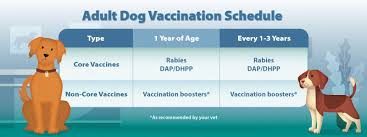
- Core: DAPP or DHPP (Distemper, Adenovirus, Parainfluenza, Parvovirus) – Round 1.
- Non-Core: Bordetella (often administered as a painless nasal spray or oral liquid).
At this stage, your puppy is highly vulnerable. They should only interact with fully vaccinated adult dogs inside private homes. Completely avoid public dog parks, pet store floors, and heavily trafficked walking trails.
Weeks 10 to 12: Building The Shield
- Core: DAPP or DHPP – Round 2.
- Non-Core: Leptospirosis (Round 1), Lyme disease (Round 1), Canine Influenza (Round 1) if recommended by your vet.
Their immune system is actively learning how to fight off these microscopic invaders. You can begin carrying your puppy outside for socialization, but their paws should still not touch public ground where unknown dogs frequent.
Weeks 14 to 16: The Final Puppy Boosters
- Core: DAPP or DHPP – Round 3 (The final, most critical puppy booster).
- Core: Rabies (Administered exactly once during the puppy series, valid for one year).
- Non-Core: Leptospirosis (Round 2), Lyme disease (Round 2), Canine Influenza (Round 2).
Once your puppy is two weeks past this final 16-week round of shots, they are officially considered fully immunized. You can finally let them run freely at the dog park, enroll in group obedience classes, and walk confidently around your neighborhood.
[Image: A clear, easy-to-read infographic chart showing a puppy’s age in weeks alongside the specific core and non-core vaccines required at each milestone.]
Avoiding the Vet ER: Managing Vaccine Reactions
Injecting a biological agent into a five-pound puppy can be incredibly nerve-wracking for a pet owner. It is completely normal for a puppy’s immune system to visibly react to a vaccine.
However, you must know the difference between a normal, healthy immune response and a life-threatening anaphylactic emergency.
Spotting Normal Side Effects
Just like humans getting a flu shot, puppies often feel slightly unwell for 24 to 48 hours after their vet visit.
You can expect mild lethargy, a slight decrease in appetite, and perhaps a small, painless bump at the exact injection site between their shoulder blades.
Let them sleep it off in a quiet, comfortable room. Do not force them to exercise or eat a massive meal immediately after their appointment.
When to Rush to the Emergency Vet
Severe allergic reactions to vaccines are rare, but they happen incredibly fast. You must monitor your puppy closely for the first two hours after leaving the clinic.
If you notice their muzzle or eyes swelling up like a balloon, severe hives breaking out on their belly, or uncontrollable vomiting, their body is rejecting the vaccine.
Sudden difficulty breathing, pale gums, or collapse are signs of anaphylactic shock. Drive directly to the nearest emergency veterinary hospital immediately, as this is a fatal condition without immediate steroid and epinephrine intervention.
Socialization vs. Safety: The Ultimate Puppy Paradox
Veterinarians tell you to keep your puppy inside until 16 weeks to avoid Parvo. Behaviorists tell you that if you don’t socialize your puppy before 16 weeks, they will develop severe, lifelong anxiety and reactivity.
This creates a terrifying paradox for new owners. How do you socialize a puppy without risking their life?
The answer is controlled, creative exposure. Socialization does not mean physically greeting every single dog on the street.
Safe Ways to Socialize Before 16 Weeks
You can safely expose your puppy to the world without their paws ever touching contaminated soil.
Put them in a shopping cart with a blanket underneath and walk them through a hardware store to experience new sounds and sights. Carry them in a dog backpack to a busy outdoor cafe so they can watch people and traffic from a safe, elevated distance.
Arrange private playdates in your fenced backyard with adult dogs that you explicitly know are fully vaccinated and healthy.
What To Do Next
Ready to protect your new best friend and set them up for a long, healthy life? Take these two simple, immediate steps today:
- Audit the Paperwork: Dig out the medical records provided by your breeder or rescue shelter. Locate the exact date of their last DAPP/DHPP shot so you know exactly when the next 3-to-4-week booster window opens.
- Book the 16-Week Finish Line: Call your local veterinarian right now and pre-book all remaining puppy appointments up to the 16-week mark. Veterinary schedules fill up weeks in advance, and you cannot afford to miss these critical biological windows.
Disclaimer: The content on Snoutbit.com is for informational and educational purposes only and does not constitute professional veterinary medical advice. Always consult with a licensed veterinarian before altering your pet’s diet, starting a new training regimen, or addressing behavioral or health concerns.