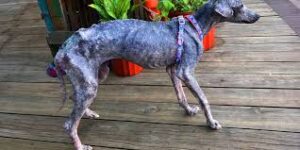
You notice your big dog struggling to stand up from the living room rug after a long nap. You assume their stiffness is just a normal part of old age, but their daily food bowl is likely accelerating their physical decline.
The absolute best customized nutrition plans for senior large breed dogs must include highly digestible proteins to prevent muscle wasting, controlled phosphorus levels to protect aging kidneys, and therapeutic doses of Omega-3 fatty acids to heavily lubricate degrading joints. Continuing to feed a massive, aging canine the exact same commercial kibble they ate at two years old is a recipe for disaster. Large breeds like German Shepherds and Mastiffs age significantly faster than smaller dogs, meaning their metabolic and cellular needs shift dramatically by age seven. We are going to rip apart the generic feeding guidelines and build a biological roadmap to keep your heavy-duty companion thriving.
The Senior Giant Mind Map
- The Core Problem: Rapid metabolic slowdown leading to severe obesity and crushing joint pressure.
- The Agitation: Generic senior kibbles use cheap carbohydrate fillers that spike blood sugar and trigger chronic inflammation.
- The Solution: Formulating a highly specific, protein-rich diet tailored to their exact bloodwork and body condition score.
- The Execution: Utilizing heavy-duty joint supplements, bone broths, and strict portion control to maximize longevity.
The Biological Breakdown of the Aging Giant
Large breeds hit their senior years incredibly fast. By age six or seven, their cellular regeneration drastically slows down, and their internal organs begin to show the heavy wear and tear of supporting a massive frame. This rapid biological shift requires an immediate dietary intervention.

You cannot exercise an aging giant out of a bad diet. You must biologically support their failing systems from the inside out.
The Metabolism Crash and Obesity Trap
As large dogs age, their baseline metabolic rate plummets. They burn significantly fewer calories resting on the sofa than they did patrolling the yard in their youth. If you keep feeding them the exact same massive portion sizes, rapid weight gain is biologically inevitable.
Every single pound of excess fat places a brutal, crushing burden on their aging hips and knees. Obesity actively fuels canine arthritis, turning a mild limp into a debilitating mobility crisis. You must aggressively cut empty calories without starving their cells of vital nutrients.
The Silent Threat of Canine Sarcopenia
Sarcopenia is the age-related loss of lean muscle mass. You will suddenly notice their hind legs becoming incredibly thin and weak, making a short flight of stairs physically impossible.
Customized nutrition plans directly combat this wasting disease by adjusting specific macronutrient profiles. If you restrict their protein intake, their body will literally begin to cannibalize its own muscle tissue to survive. You must prioritize muscle retention above all other dietary goals.
Essential Macros: Fueling the Senior Engine
The commercial pet food industry pushes generic “senior” kibble loaded with cheap, inflammatory carbohydrate fillers like corn and soy. They actively strip out the expensive animal protein to boost their massive corporate profit margins.
You must ruthlessly audit the ingredient label to protect your aging dog. Think of high-quality nutrition exactly like compounding interest for their physical health. Small, daily investments in premium proteins and targeted supplements yield massive, life-extending returns over time.
Why Low Protein is a Dangerous Myth
For decades, veterinarians mistakenly pushed extremely low-protein diets for older dogs, fearing it would cause kidney damage. Modern veterinary science completely disproves this outdated, dangerous theory.
Unless your dog has been formally diagnosed with late-stage renal failure, they desperately need highly bioavailable, premium animal protein. Feeding a senior dog a high-protein diet made from real muscle meat is the only way to effectively halt sarcopenia. You must prioritize easily digestible proteins like turkey, eggs, and wild-caught salmon.
Managing Fats for Cognitive Control
Fat is incredibly calorie-dense, packing over twice the energy of proteins or carbohydrates. You must strictly limit heavy saturated fats to prevent rapid obesity and extremely painful acute pancreatitis.
However, you absolutely cannot eliminate fat entirely from their daily bowl. Their aging brain requires highly specific fatty acids to stave off canine cognitive dysfunction, which is the dog equivalent of Alzheimer’s disease. The right healthy fats keep their mind sharp, focused, and engaged with the family.
Building Customized Nutrition Plans for Senior Large Breed Dogs
Generic feeding charts printed on the back of dog food bags are entirely useless for a senior giant. You must formulate a daily diet based on their exact body condition score and specific medical ailments.
Here is exactly how you actively target a large breed’s biggest biological health threats.
The Ultimate Joint Support Arsenal
You cannot cure canine osteoarthritis, but you can aggressively slow the physical decay of the cartilage. Standard commercial kibble simply does not contain therapeutic levels of joint supplements, regardless of what the colorful packaging promises.
You must manually add these crucial, heavy-duty elements directly to their daily bowl.
Your Mandatory Joint Additives:
- EPA and DHA (Omega-3s): Liquid, wild-caught salmon oil actively reduces severe joint inflammation and oxidative stress.
- Glucosamine and Chondroitin: These essential structural building blocks help physically repair degrading cartilage in the hips and elbows.
- Green-Lipped Mussel Extract: A highly potent, natural anti-inflammatory that is completely superior to synthetic laboratory alternatives.
Protecting the Kidneys and Heart
As massive organs age, their cellular filtration efficiency drops significantly. Customized diets heavily control specific mineral inputs, like phosphorus and sodium, to completely reduce the daily workload on the renal system.
Additionally, supplementing their meals with Taurine and L-Carnitine physically strengthens the aging cardiac muscle. These specific amino acids are critical for large breeds historically prone to dilated cardiomyopathy (DCM) and sudden heart failure.
The Pre-Diet Veterinary Checklist
Before you completely overhaul your big dog’s daily menu, you need a firm, clinical baseline understanding of their internal health. Guessing their organ function based purely on physical appearance is incredibly dangerous.
You must gather hard, scientific data before altering their macronutrient intake.
The Mandatory Geriatric Blood Panel
Call your local clinic and request a comprehensive senior blood panel and urinalysis. This specific test checks vital liver enzymes, kidney filtration rates, and critical thyroid function.
You must have this exact data to properly formulate customized nutrition plans for senior large breed dogs. If the bloodwork reveals early-stage kidney disease, your customized plan must immediately pivot to restrict phosphorus, changing the entire dietary strategy.
Mastering Body Condition Scoring
Stop relying heavily on the bathroom scale to dictate your dog’s health status. A 90-pound Labrador might be severely, dangerously overweight, while a 90-pound Great Dane is physically emaciated.
You must learn to physically feel their ribs and observe their waistline tuck from above. You should be able to easily feel their ribs under a slight layer of fat without having to press aggressively into their sides.
The Execution: How to Transition Safely
You cannot simply dump a brand new, highly customized diet into their bowl overnight and expect success. A senior dog’s gastrointestinal tract is incredibly fragile and highly sensitive to sudden macronutrient shifts.
A rushed dietary transition guarantees explosive diarrhea, severe dehydration, and complete food refusal.
Ditching the Free-Feeding Habit
Leaving a giant bowl of dry food out all day is a massive behavioral and nutritional mistake. It completely destroys their natural appetite and makes it mathematically impossible to monitor their exact caloric intake.
You must enforce strict, measured mealtimes twice a day using a digital kitchen scale. If they do not finish their customized meal within fifteen minutes, pick the bowl up and try again at dinner to establish firm biological boundaries.
Hydration and Digestion Hacks
Older dogs frequently lose their natural thirst drive, leading to chronic, highly dangerous dehydration that heavily damages their kidneys. You can easily fix this by soaking their meals in warm, nutrient-dense liquids.
Your Essential Digestion Boosters:
- Warm Bone Broth: Softens hard kibble to protect fragile teeth while flooding their system with massive amounts of collagen.
- Canine Probiotics: Replenishes healthy gut bacteria to absolutely maximize total nutrient absorption in the lower intestines.
- Digestive Enzymes: Actively breaks down complex proteins so the aging pancreas does not have to work as hard to digest the meal.
By completely abandoning generic kibble and embracing a scientifically tailored approach, you take absolute control of your dog’s aging process. Invest in premium proteins, heavy-duty joint support, and strict portion control to keep your gentle giant moving comfortably for years to come.
Disclaimer: The content on Snoutbit.com is for informational and educational purposes only and does not constitute professional veterinary medical advice. Always consult with a licensed veterinarian before altering your pet’s diet, starting a new training regimen, or addressing behavioral or health concerns.