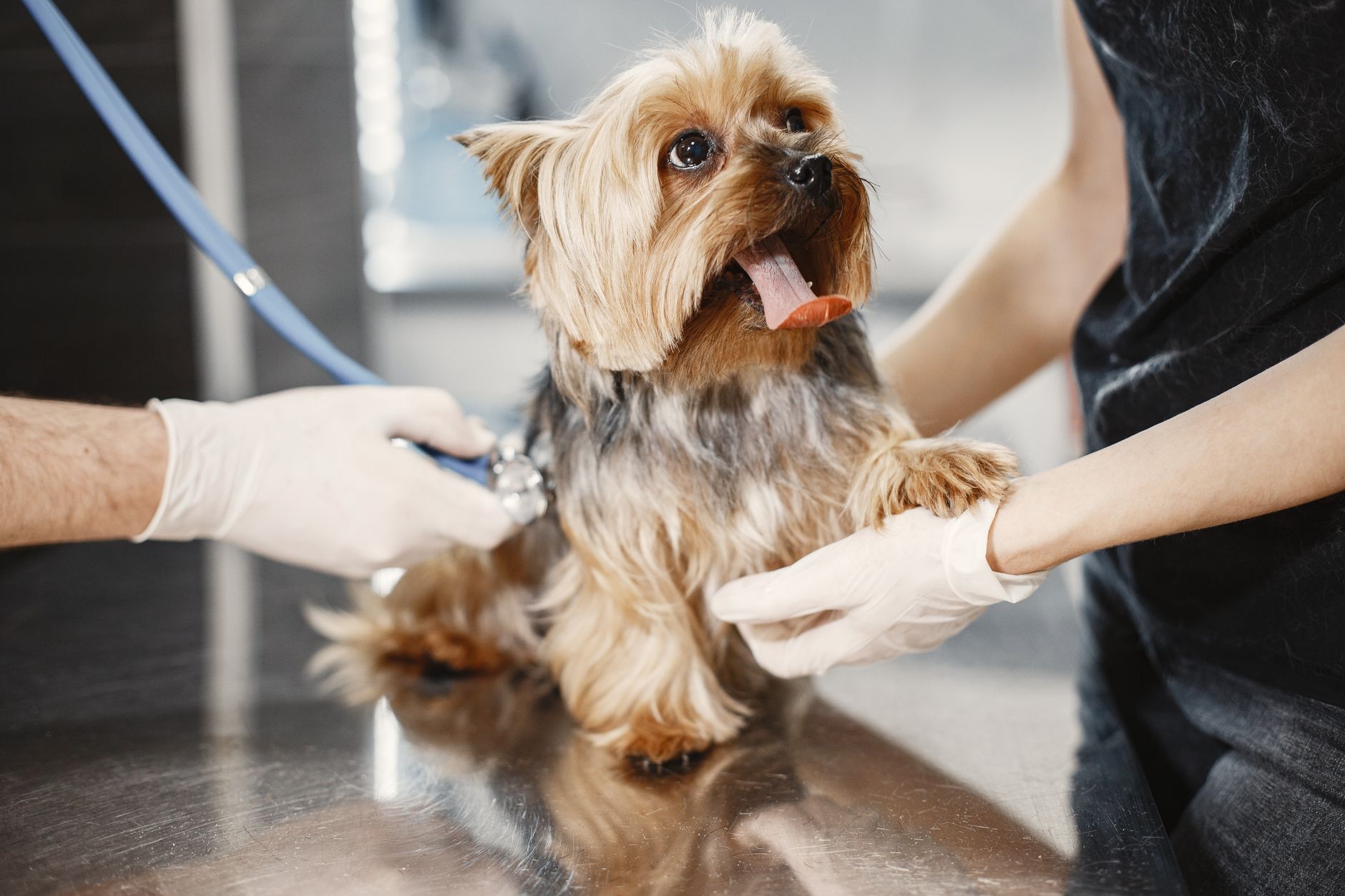
Yorkie Diarrhea? 6 Vet-Approved Remedies for Upset Stomach
When your Yorkie has diarrhea, gas, vomiting, or a general upset stomach, it's natural to worry. Yorkies are small, sensitive dogs, and their digestive systems can be thrown off by something as simple as a new treat—or as serious as an infection. The good news: several safe, effective remedies and supplements can help settle their tummy and support recovery at home.
Below we cover six key strategies: fasting, bland diets, probiotics, prebiotics, digestive enzymes, and stress management. We'll also explain when it's time to call your veterinarian. All recommendations are based on verified information from iHeartDogs. For mild, short-lived issues, these remedies can make a real difference—but persistent or severe symptoms require professional attention.
Quick Reference: 6 Remedies at a Glance
| Remedy | Best For | Key Cautions |
|---|---|---|
| Fasting (12–24 hrs) | Sudden mild diarrhea/vomiting | Never fast puppies, pregnant dogs, or those with medical conditions; keep water available |
| Bland diet | Post-fast recovery | No seasonings, oil, or butter; feed small amounts every 2–3 hours |
| Probiotics | Diarrhea, stress, antibiotic use | Space doses a few hours from antibiotics; choose canine formulas |
| Prebiotics | Stool bulk, gut support | Introduce gradually; use pure pumpkin, not pie filler |
| Digestive enzymes | Nutrient absorption | Look for protease, amylase, lipase, cellulase |
| Stress management | Travel, vet visits, changes | Start probiotics days before stressful events |
1. When to Fast Your Yorkie and How to Do It Safely
Fasting can be a helpful first step when your Yorkie has an upset stomach. According to iHeartDogs, fasting a Yorkie for 12–24 hours can allow the gastrointestinal tract to heal and reset. This brief break from food gives the gut a chance to rest and recover from whatever irritated it—whether that's a fatty treat, a sudden food change, or a mild infection.
However, fasting doesn't mean withholding water. Hydration is critical, especially for small breeds like Yorkies who can dehydrate quickly. Offer small amounts of water frequently rather than free access to a full bowl, which can lead to gulping and vomiting. If your Yorkie is a picky drinker, hydrating dry dog kibble can help boost moisture intake once they're eating again.
During the fast, monitor your Yorkie closely. If they seem lethargic, vomit repeatedly, or have bloody diarrhea, stop the fast and contact your veterinarian immediately. Fasting is not appropriate for puppies, pregnant dogs, or those with certain medical conditions. For adult Yorkies with a mild, sudden onset of diarrhea or vomiting, a 12-hour fast is often sufficient. After the fast, reintroduce food gradually with a bland diet.
2. Bland Diet Basics: Chicken, Rice, and Grain-Free Alternatives
Once the fasting period is over, a bland diet is the next step. iHeartDogs recommends boiled, unseasoned, skinless white meat chicken shredded over plain white rice. This combination is easy on the stomach and provides gentle nutrition. For Yorkies on grain-free diets, substitute mashed overripe banana or canned pumpkin for the rice.
Feeding frequency matters. Feed a few spoonfuls of the bland diet every 2–3 hours and gradually increase the quantity over 24 hours. This slow, steady approach prevents overloading the digestive tract. After 24 hours, if your Yorkie is doing well, begin reintroducing their regular food: start with 75% bland and 25% regular, then 50/50, then 75% regular and 25% bland, until they're exclusively back on their regular food.
Keep in mind that the bland diet is temporary—usually no more than a few days. If symptoms persist or worsen, consult your veterinarian. Never add seasonings, oil, or butter to the chicken or rice. For grain-free dogs, ensure the canned pumpkin is pure pumpkin puree, not pumpkin pie filler, which contains spices and sugar. If your Yorkie has recurring stomach issues, it may be worth exploring the best dog food for sensitive stomachs for a long-term solution.
3. Probiotics, Prebiotics, and Digestive Enzymes
Diarrhea can disrupt beneficial gut bacteria, and a canine probiotic supplement can help maintain a balanced digestive system, according to iHeartDogs. Probiotics are live beneficial bacteria that support gut health. One option is Pupkin™ Probiotics, Prebiotics & Postbiotics for Dogs with Pumpkin, Gut-Soothing Bone Broth & Mushrooms, which combines probiotics, prebiotics, and postbiotics with pumpkin to support healthy digestion and normal stool quality.
Prebiotics are substances that feed beneficial bacteria. iHeartDogs lists several: canned pumpkin puree (not pumpkin pie filler), slippery elm, chia seeds, and plantains. Pureed pumpkin is packed with fiber, which helps bulk up stool. Slippery elm coats and soothes mucous membranes, including the GI tract. Chia seeds are packed with fiber and absorb excess water. Plantains have antimicrobial properties. Add these to your Yorkie's food in small amounts, and always introduce them gradually. Many of these ingredients overlap with the superfoods to feed them now that support overall canine health.
Digestive enzymes help break down and absorb protein, fats, carbohydrates, and fiber. iHeartDogs explains that a good digestive enzyme supplement for dogs should include all four enzymes: protease, amylase, lipase, and cellulase. Protease breaks down proteins into amino acids. Amylase breaks down starches. Lipase breaks down fats. Cellulase breaks down fiber from plants and grains. When choosing a supplement, look for one that lists these four enzymes and is formulated for dogs. Always follow the dosage instructions on the label.
4. Managing Stress-Related and Antibiotic-Associated Upset
Stress can wreak havoc on a Yorkie's digestive system. iHeartDogs notes that stress from travel, vet visits, or changes at home can upset a Yorkie's stomach, and a probiotic can help keep the gut balanced and reduce symptoms like diarrhea or vomiting. To get the best results, start a probiotic a few days before a stressful event and continue afterward. If your Yorkie struggles with anxiety, you may also want to review the truth about pet anxiety supplements for dogs.
Antibiotics are another common culprit. iHeartDogs explains that antibiotics destroy both good and bad bacteria, so giving a probiotic while taking an antibiotic helps replenish good strains. If your Yorkie is prescribed antibiotics, ask your veterinarian about adding a probiotic. Space out the probiotic and antibiotic doses by a few hours, as the antibiotic could kill the probiotic bacteria if given simultaneously.
Probiotics can also prevent diarrhea when transitioning to a new food. iHeartDogs recommends giving a probiotic for a week before introducing new food, then slowly increasing the new food while continuing the probiotic until the transition is complete. A good quality probiotic can also help reduce smelly gas. Always choose a probiotic specifically formulated for dogs, as human probiotics may not be appropriate.
5. Red Flags: When to See a Veterinarian
While home remedies can be effective for mild, short-lived digestive upset, there are times when you must seek veterinary care. iHeartDogs advises that if diarrhea or vomiting is persistent, severe, or accompanied by other concerning symptoms, contact a veterinarian. Persistent means lasting more than a day or two; severe means frequent and uncontrollable; other concerning symptoms include lethargy, loss of appetite, blood in stool or vomit, and dehydration.
It's also important to know the possible causes of diarrhea and vomiting in Yorkies. iHeartDogs lists: viruses such as parvovirus in puppies, eating inappropriate foods (especially fatty foods), food allergy or intolerance, swallowing a foreign non-food object, sudden changes in food, side effects of medication (especially antibiotics), intestinal parasites, poisons or toxins, pancreatitis, chronic disease such as IBD (inflammatory bowel disease), and stress due to boarding, vet visits, or rehoming. Some of these are life-threatening and require immediate attention.
Dogs in shelters are particularly prone to bouts of diarrhea, so if you've recently adopted a Yorkie, be extra vigilant. Always note the color and consistency of your Yorkie's poop or vomit and take a picture to show the veterinarian. This information can help your vet make a faster diagnosis.
6. Choosing the Right Long-Term Diet
Once your Yorkie has recovered, consider whether their regular food is contributing to digestive issues. Some dogs do better on different diet formats—compare raw dog food vs. dry kibble to see which supports gut health best for your dog. If you're concerned about ingredient quality, it's worth understanding whether human-grade dog food brands are truly worth the cost.
Frequently Asked Questions
How long should I fast my Yorkie? For adult Yorkies with mild, sudden diarrhea or vomiting, a 12-hour fast is often sufficient. Never exceed 24 hours without veterinary guidance, and never fast puppies or pregnant dogs.
Can I give my Yorkie human probiotics? No. Always choose a probiotic specifically formulated for dogs, as human probiotics may not be appropriate for canine gut health.
What if my Yorkie's diarrhea doesn't improve after 24 hours? Contact your veterinarian. Persistent diarrhea lasting more than a day or two, or accompanied by lethargy, blood, or vomiting, requires professional care.
Can stress really cause diarrhea in Yorkies? Yes. iHeartDogs notes that stress from travel, vet visits, or changes at home can upset a Yorkie's stomach. Starting a probiotic a few days before a stressful event can help.
The Bottom Line
Yorkie diarrhea, gas, vomiting, and upset stomach are common—but they're often manageable at home with the right approach. Fast safely, reintroduce food with a bland diet, support the gut with probiotics, prebiotics, and digestive enzymes, and manage stress proactively. Most importantly, know the red flags that signal it's time to call your vet. These statements have not been evaluated by the Food and Drug Administration. No product is intended to diagnose, treat, cure, or prevent any disease. Always consult your veterinarian before starting any new supplement or remedy.
Source: iHeartDogs