Why Is My Dog Suddenly So Quiet? When Calm Means Something's Wrong
Introduction
Is your dog suddenly quiet? Maybe they're not barking at the mail carrier, not greeting you at the door, or not following you from room to room like they usually do. A quiet dog may bark less, seek less attention, or rest more while remaining aware of their surroundings, according to Canine Journal. That change can be perfectly normal—or it can be an early sign that something is wrong.
The key question isn't whether your dog seems quieter than other dogs, but whether they seem unusually quiet compared to their normal personality and routine. A suddenly quiet dog may just be tired, but an unexplained change can be an early sign of fear, pain, illness, or another problem.
In this article, we'll explore the difference between quiet, withdrawn, and lethargic behavior, what "suddenly quiet" actually looks like, how to tell if your dog is just tired or truly unwell, eight common reasons for a sudden hush, what that quiet behavior may be telling you, and when it's time to call your veterinarian.
Is My Dog Quiet, Withdrawn, or Lethargic?
These three words are often used interchangeably, but they describe different things—and knowing the difference can help you respond appropriately.
Quiet
A quiet dog may simply bark less, seek less attention, or rest more while remaining aware of their surroundings (Canine Journal). They might be snoozing more than usual but still lift their head when you enter the room. Quietness alone isn't necessarily a problem.
Withdrawn
A withdrawn dog interacts less with people, animals, or activities they usually enjoy, and may hide or turn away from affection (Canine Journal). Withdrawal is more social and emotional—your dog is pulling back from the world, not just resting. This can sometimes overlap with separation anxiety, especially if your dog becomes distant when left alone.
Lethargic
Lethargy is a noticeable reduction in energy and willingness to participate in everyday activities; it is a symptom, not a diagnosis (Canine Journal). A lethargic dog isn't just quiet—they're physically drained and uninterested in normal life.
Why does the distinction matter? Because a withdrawn or lethargic dog is more likely to be dealing with an underlying issue. A dog may become distant when feeling fearful, stressed, grieving, in pain, or physically ill, and withdrawal can also occur with emotional or environmental changes (Canine Journal). If your dog is quiet but still engaged, that's one picture. If they're withdrawn or lethargic, that's another.
What Does 'Suddenly Quiet' Look Like in a Dog?
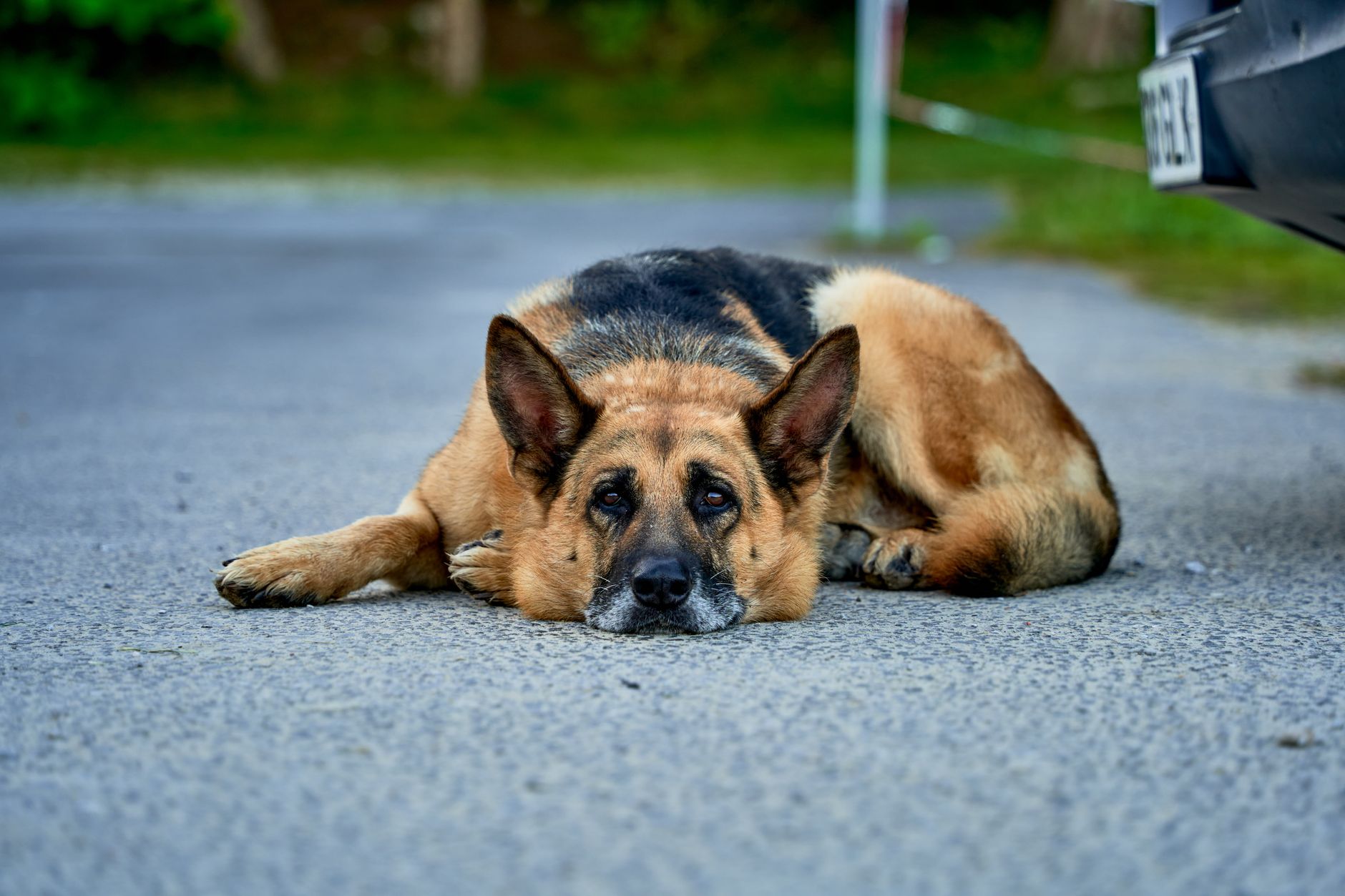
"Suddenly quiet" can show up in subtle ways. You might notice your dog isn't barking at the doorbell, isn't nudging your hand for pets, or is spending more time curled up in a corner. A quiet dog may bark less, seek less attention, or rest more while remaining aware of their surroundings (Canine Journal). They might still watch you, but from a distance.
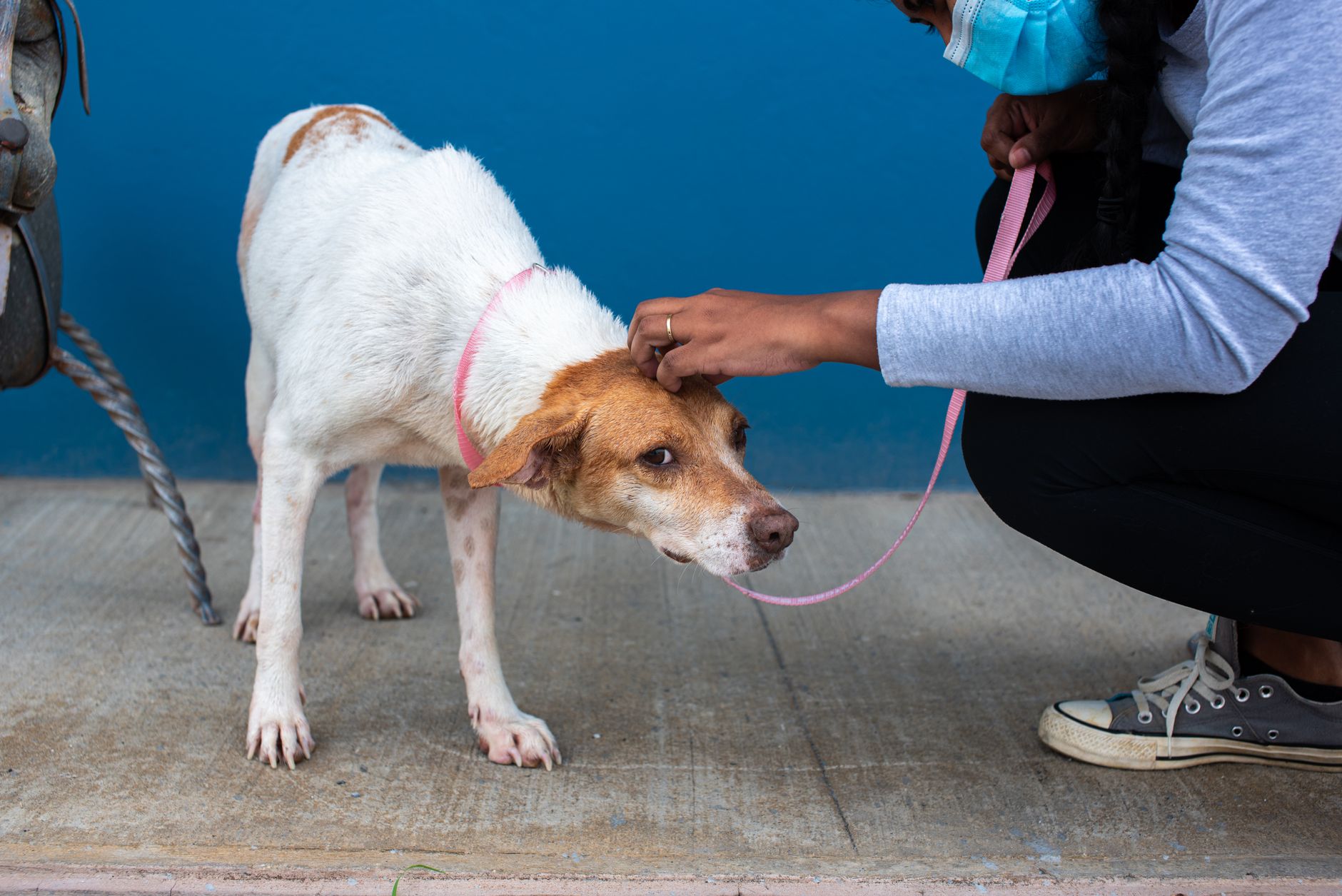
A withdrawn dog interacts less with people, animals, or activities they usually enjoy, and may hide or turn away from affection (Canine Journal). Instead of leaning into your hand, they might duck away. Instead of racing to the door for a walk, they might stay on their bed.
A dog may become quiet because moving hurts; instead of whining, they may stop following you, decline a walk, or remain in one place longer than usual (Canine Journal). That's a crucial clue: pain doesn't always look like limping or crying. Sometimes it looks like stillness.
Other signs to watch for include no clear reason for the change, difficulty engaging, refusing favorite foods or activities, moving stiffly or limping, changes in appetite, thirst, urination, or bowel habits, hunched posture, tense body, panting, or unusual breathing (Canine Journal). Hiding can happen when dogs are frightened, overwhelmed, in pain, or sick; an unusually clingy dog may also be seeking reassurance because they feel anxious or physically unwell (Canine Journal). So "quiet" can look like hiding, clinginess, or simply a dog who's less responsive than usual. The context—and the duration—matters.
Is My Dog Just Tired, or Is Something Wrong?
Not every quiet spell is a red flag. Normal quiet periods often follow exercise, travel, daycare, training, or visitors; the dog wakes easily, responds normally, and remains interested in food, walks, or toys (Canine Journal). If your dog had a big day at daycare or a long hike, a quiet evening is expected.
The 'favorite-thing test'—offering a favorite treat, leash, toy, or invitation to go outside—can help distinguish a tired but well dog from one who is unwell (Canine Journal). A tired but otherwise well dog will often show normal interest in a favorite treat, leash, toy, or invitation to go outside (Canine Journal). If your dog perks up at the word "walk" or the rustle of a treat bag, they're probably just pooped.
But a dog who barely responds—or tries to engage but appears weak, painful, or physically unable—deserves closer attention (Canine Journal). That's the dividing line. Also consider recent changes that may explain quietness: more exercise than usual, daycare, boarding, training, grooming, storms, fireworks, arguments, frightening encounters, someone moving in or out, work schedule changes, new baby or pet, new medication, unfamiliar food or toxin exposure, falls, awkward jumps, rough play, or loss of a close animal or person (Canine Journal). If none of those apply, and your dog fails the favorite-thing test, it's time to look deeper.
8 Reasons Your Dog May Suddenly Be So Quiet
According to Canine Journal, there are eight common reasons a dog may suddenly be quiet: tiredness, fright or stress, routine or environment change, pain, sickness, grief or emotional withdrawal, growing up or adjusting to a new home, and aging.
Tiredness – A dog may stop barking due to tiredness, stress, fear, pain, illness, or other causes (Canine Journal). After a long day, quiet is normal.
Fright or stress – Anxiety can cause a dog to become quiet, withdrawn, hide, or seek more attention, and stressful events or environmental changes can trigger this (Canine Journal). If your dog is anxious, pet anxiety supplements may be part of the conversation with your vet.
Routine or environment change – Recent changes like a new schedule, a move, or a new pet can lead to quietness (Canine Journal).
Pain – Dogs in pain may become quiet, stop following you, decline walks, or remain in one place longer than usual instead of whining or limping obviously (Canine Journal). Trembling can also be a sign—see why do dogs shake.
Sickness – Quietness combined with loss of appetite can indicate pain, nausea, infection, dental problems, stress, or other conditions (Canine Journal). Dental issues are common; learn about dog dental chews and VOHC-approved alternatives.
Grief or emotional withdrawal – A dog may become distant when feeling fearful, stressed, grieving, in pain, or physically ill (Canine Journal).
Growing up or adjusting to a new home – As puppies mature or a rescue dog settles in, behavior can shift (Canine Journal).
Aging – Aging can change behavior, but a sudden or marked increase in quietness in a senior dog should be evaluated by a veterinarian to rule out pain or illness (Canine Journal).
What Your Dog's Quiet Behavior May Be Telling You
Your dog's quietness is a form of communication. It may be saying "I'm exhausted," "I'm scared," "I hurt," or "I don't feel well."
Appetite loss can accompany pain, nausea, infection, dental problems, stress, and numerous other conditions (Canine Journal). If your quiet dog is also skipping meals, that's a significant clue. Changes in eating habits, including why do dogs eat poop, can sometimes signal digestive or behavioral issues.
Bathroom habit changes—diarrhea, constipation, straining, accidents, increased or reduced urination—can help distinguish emotional withdrawal from digestive, urinary, or other physical problems (Canine Journal). Pay attention to what's happening in the yard or litter box.
Other physical symptoms to watch for include vomiting, diarrhea, coughing, sneezing, nasal discharge, panting without obvious reason, labored, rapid, or noisy breathing, limping, stiffness, shaking, trembling, drooling, lip licking, swollen or painful abdomen, pale, blue, gray, yellow, or red gums, loss of balance, confusion, weakness, or collapse (Canine Journal). These are not subtle—if you see them, act.
Owners often notice subtle changes before an obvious physical symptom develops; "They just aren't acting like themselves" is useful information to share with a veterinarian (Canine Journal). Don't dismiss your gut feeling. You know your dog best.
When Should a Quiet Dog See the Vet?
Contact your veterinarian if the change persists, worsens, or is accompanied by other symptoms (Canine Journal). If the quietness has no obvious explanation and persists beyond a day or worsens, contact your veterinarian. If other symptoms appear, seek veterinary advice promptly (Canine Journal).
Quietness combined with loss of appetite can indicate pain, nausea, infection, dental problems, stress, or other conditions. This warrants veterinary attention, especially if it persists (Canine Journal).
If your dog is a senior, be especially vigilant. Aging can change behavior, but a sudden or marked increase in quietness in a senior dog should be evaluated by a veterinarian to rule out pain or illness (Canine Journal).
Many dogs return to normal after rest and reassurance, but if the behavior persists or other symptoms develop, veterinary advice is warranted (Canine Journal). A sudden quiet spell after a busy day is usually nothing to worry about—but an unexplained, lasting change deserves a professional opinion.
Frequently Asked Questions
Q: My dog is quiet but still eats and wags their tail. Should I worry? A: If your dog is quiet but still engages with food, walks, and favorite toys, they may just be tired or having a calm day. However, if the quietness is sudden and unexplained, monitor for other signs like changes in appetite, bathroom habits, or mobility. When in doubt, consult your vet.
Q: How long is too long for a dog to be quiet? A: If the quietness persists beyond a day or worsens, contact your veterinarian. A quiet spell after a busy day is normal, but an unexplained, lasting change warrants a professional opinion.
Q: Can a dog become quiet due to emotional reasons? A: Yes. A dog may become distant when feeling fearful, stressed, grieving, in pain, or physically ill. Emotional withdrawal can also occur with environmental changes like a move or a new pet.
Q: What if my senior dog is suddenly quiet? A: Aging can change behavior, but a sudden or marked increase in quietness in a senior dog should be evaluated by a veterinarian to rule out pain or illness.
Q: Are there ways to help a quiet dog at home? A: Ensure they have a comfortable resting spot, maintain a routine, and offer favorite toys or gentle enrichment. If the quietness is due to stress, dog enrichment strategies can help. But if physical symptoms appear, see your vet.
Conclusion
A suddenly quiet dog can be a normal response to a busy day, but it can also be an early warning sign of pain, illness, or emotional distress. By understanding the differences between quiet, withdrawn, and lethargic behavior, using the favorite-thing test, and watching for other symptoms, you can better decide when to relax and when to call your veterinarian. Trust your instincts—you know your dog best.
Source: Canine Journal