Is Your Absence Causing Panic? The Brutal Truth About Pet Anxiety Supplements For Separation Anxiety Relief
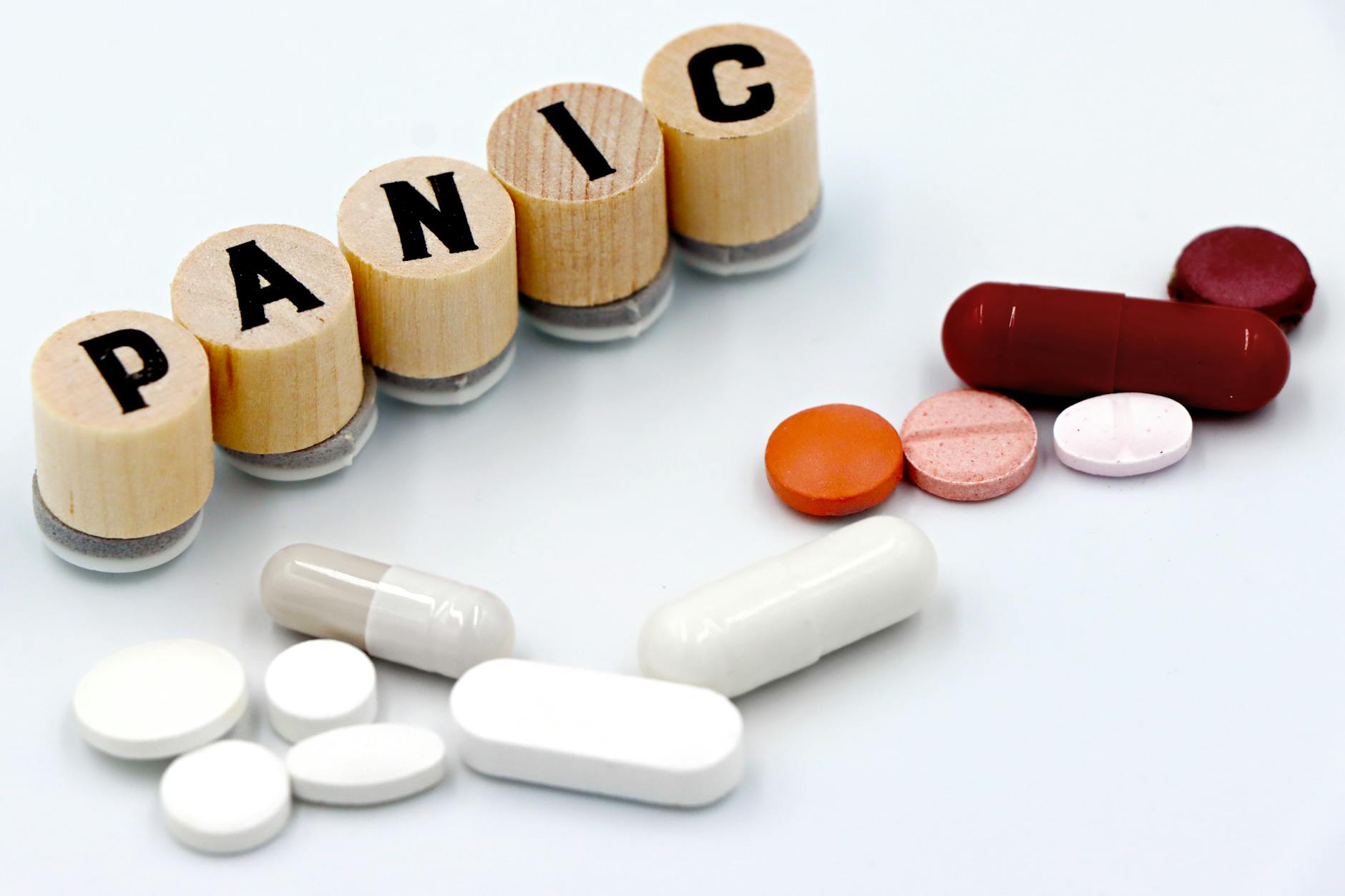
Coming home to shredded doorframes, noise complaints from angry neighbors, and a terrified, drooling dog is absolutely heartbreaking. Leaving a panicked dog to simply "cry it out" is an outdated, dangerous strategy that floods their fragile body with toxic levels of cortisol. The absolute biggest takeaway for stopping this destructive panic is understanding that behavioral training frequently fails without proper biological support. Utilizing high-quality pet anxiety supplements for separation anxiety relief physically lowers the canine heart rate, allowing their brain to actually process desensitization training. By targeting the nervous system with clinically proven ingredients, households can finally break the cycle of severe departure terror and restore absolute peace to the home.
What Are The Signs Of Severe Canine Isolation Distress?
Dogs process isolation completely differently than humans, often viewing a locked front door as a literal threat to their physical survival. When the pack leader vanishes, a genetically predisposed dog instantly shifts from a relaxed state into full-blown, uncontrollable panic. Recognizing the physiological markers of this distress is critical before attempting to intervene with advanced supplements or training protocols.
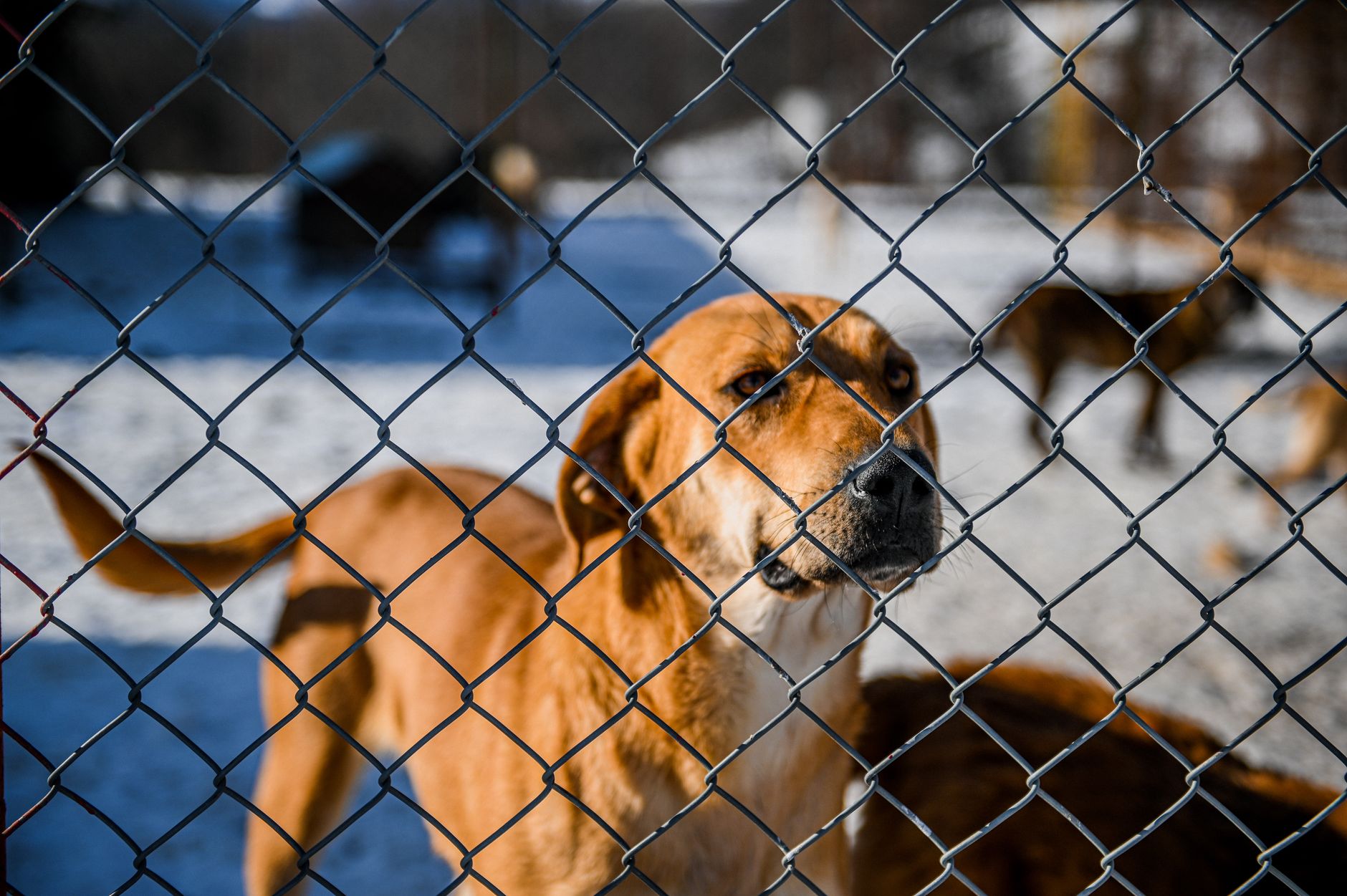
This terror frequently manifests in highly destructive, self-harming behaviors that cannot be disciplined away.
- Excessive, thick drooling that leaves visible puddles near primary exit points.
- Frantic destruction targeted specifically at window blinds, doorframes, and baseboards.
- Non-stop, high-pitched vocalizations that continue for hours without ever pausing for rest.
🚨 Vet Fact: A dog experiencing a severe panic attack cannot physically learn new behaviors because their brain's prefrontal cortex shuts down completely. They must be biologically brought below their unique stress threshold using targeted intervention before any behavioral modification can successfully take root.
How Do Pet Anxiety Supplements For Separation Anxiety Relief Actually Work?
The canine brain communicates through a highly complex web of neurotransmitters that meticulously dictate fear, relaxation, and physical arousal. When a dog panics, their entire system is starved of inhibitory neurotransmitters like GABA, which are desperately needed to calm the racing mind. Premium calming chews and oils supply the exact molecular building blocks required to naturally synthesize these vital, relaxing brain chemicals.
Which Active Ingredients Should Pet Parents Look For?
Generic pet store treats often rely on heavy doses of cheap chamomile, which barely scratches the surface of true neurological panic. Elite supplements leverage heavily researched, clinical-grade amino acids and adaptogens to fundamentally alter the dog's internal stress response. Flipping the bottle over and demanding transparent, highly potent ingredient panels is the only way to secure actual behavioral results.
- L-Theanine: An advanced amino acid found in green tea that actively increases alpha brain waves, creating a state of deep physical relaxation without causing heavy, unnatural drowsiness.
- L-Tryptophan: The direct, non-negotiable biological precursor to serotonin, the critical "happy chemical" that regulates canine mood and reduces obsessive pacing behaviors.
- Ashwagandha: A highly powerful adaptogenic herb that physically lowers circulating cortisol levels and rapidly blunts the sheer intensity of the fight-or-flight response.
What Is The 60-Minute Pre-Loading Window?
Here is a highly advanced, frequently ignored biological reality: handing a dog a botanical chew exactly as the front door closes is completely useless. Natural compounds require significant time to travel through the highly acidic stomach, enter the bloodstream, and effectively cross the blood-brain barrier. Supplements must be administered an absolute minimum of sixty minutes before the dreaded departure routine ever begins.

Consider a highly realistic behavioral case involving a young, highly destructive Blue Heeler in Queensland that chewed straight through residential drywall whenever left alone. The exhausted owners were handing the working dog a calming chew directly alongside their car keys, entirely missing the crucial biological absorption window. By simply shifting the supplement delivery to exactly one hour before leaving for work, the Heeler's nervous system stabilized, and the drywall destruction ceased entirely within ten days.
🐾 Snoutbit Pro-Tip: Never use the exact same high-value peanut butter puzzle toy solely for departures. If the dog only sees that specific toy when humans leave the house, the toy itself becomes a terrifying environmental trigger that instantly spikes their heart rate.
Does Environmental Temperature Impact Canine Panic?
Local climate extremes act as massive, hidden multipliers for psychological distress and frantic pacing in companion animals. During the brutal, sweltering heat of an Australian outback summer or a highly humid US August, a dog's physical discomfort skyrockets dangerously. As the dog pants heavily to cool down, the rapid breathing mechanically mimics the physical sensation of a panic attack, creating a devastating psychological feedback loop.
How To Cool A Panicking Dog Safely?
Flat-faced companions like Frenchies are particularly vulnerable to this specific heat-anxiety loop because their compressed airways make rapid panting incredibly strenuous. Ensuring the home environment remains actively chilled is just as critical as administering the correct daily dose of calming amino acids.
- Always leave robust air conditioning or heavy-duty floor fans running aggressively while away from the home.
- Provide an elevated, breathable cot to allow air to circulate entirely underneath the dog's heavy, overheated chest.
- Close all heavy blackout curtains to block radiant solar heat and naturally darken the living room environment.
A classic scenario involved a vocal Frenchie living in a stuffy, sun-facing US apartment whose non-stop howling was risking an imminent eviction notice. Combining a daily dose of Ashwagandha with a specialized, water-filled cooling mat completely transformed the stifling environment. The dog finally felt physically cool and biologically relaxed, choosing to sleep soundly through the afternoon rather than pacing and screaming at the front door.
How Does The Gut-Brain Axis Control Fear?
Generic training blogs completely miss the powerful neurological highway connecting a dog's gastrointestinal tract directly to their anxious brain. The vagus nerve constantly transmits rapid signals from the delicate gut microbiome straight to the central nervous system. If a dog's stomach is severely inflamed by cheap, feed-grade kibble or harsh environmental chemicals, the brain receives constant danger signals, making deep relaxation biologically impossible.
Can Tick Preventatives Upset An Anxious Dog?
Heavy coastal tick seasons frequently force owners to administer intense, highly powerful oral preventatives to protect rugged breeds like Kelpies and Staffies. Administering these potent chemical chewables on a completely empty stomach often causes acute, hidden gastric inflammation and severe nausea. This invisible stomach ache sends immediate stress signals up the vagus nerve, directly exacerbating existing separation anxiety and triggering severe restlessness.

🚨 Vet Fact: Over ninety percent of a dog's serotonin is physically manufactured directly inside their gastrointestinal tract. Pairing targeted pet anxiety supplements for separation anxiety relief with a premium, multi-strain canine probiotic is the absolute most effective way to permanently stabilize a terrified nervous system.
Can Supplements Replace Behavioral Desensitization?
Handing a panicked Golden Retriever a botanical chew and expecting them to magically enjoy absolute isolation is an unrealistic, highly dangerous fantasy. Natural supplements are strictly designed to lower the extreme volume of the panic, not to magically erase the dog's deeply ingrained fear of abandonment. They serve as the critical biological bridge that finally allows structural desensitization training to physically penetrate the canine brain.
How To Practice Safe Micro-Departures?
Once the premium supplements have successfully taken the agonizing edge off the dog's terror, meticulous micro-departures must begin immediately. The goal is to prove to the dog that the human leaving is incredibly boring and highly predictable.
- Pick up the car keys, walk confidently to the front door, and sit back down on the living room couch without ever turning the handle.
- Step outside the front door for exactly three seconds, return inside immediately, and completely ignore the dog's frantic greeting.
- Slowly increase the duration outside by a few seconds each day, ensuring the dog never crosses their emotional threshold into whining or pacing.
What To Do Next
Curing severe isolation distress is a rigorous marathon, not a sprint, requiring immense patience and a deep, empathetic understanding of canine neurology. By leveraging the immense biological power of targeted amino acids and combining them with strict environmental management, households can completely restore their dog's confident independence.
Here are two simple, immediate steps to take today to start the crucial healing process:
- Audit The Supplement Ingredients: Check the current calming chews sitting in the kitchen pantry right now. If the back panel lacks clinical doses of L-Theanine, L-Tryptophan, or Ashwagandha, throw them away and order a premium, science-backed formula this afternoon.
- Start Desensitizing The Keys: Grab the house keys, jingle them loudly, and immediately toss a high-value treat on the floor without ever walking toward the door. Repeat this simple, powerful exercise ten times tonight to begin permanently breaking the terrifying association between that specific metallic sound and human abandonment.
Disclaimer: The content on Snoutbit.com is for informational and educational purposes only and is not intended to replace professional veterinary advice, diagnosis, or treatment. Always consult with your veterinarian before making significant changes to your dog’s diet, exercise routine, or health regimen.