
Why Do Dogs Howl? The Secret Canine Communication Code Unlocked
Being violently awakened at three in the morning by a dog throwing its head back to deliver a piercing, mournful howl creates instant household panic. The relentless noise vibrates through the walls, triggering terrifying thoughts of hidden physical injuries or furious noise complaints from exhausted neighbors. The immediate relief is knowing that dogs howl primarily as an ancestral homing beacon, a response to specific acoustic frequencies, or a distress signal for severe separation panic.

The biggest takeaway is that a howling dog is almost never acting out of stubborn defiance or spite. They are simply executing a deeply ingrained biological communication protocol inherited directly from their wild ancestors. To successfully restore household quiet, owners must accurately identify the exact environmental or emotional trigger rather than pointlessly yelling at the dog to stop.
Canine Howling: Overview Mind Map
- Core Biological Function: Long-distance vocal communication, pack assembly, and territorial boundary defense.
- Primary Acoustic Triggers: Emergency vehicle sirens, specific musical instruments, and high-frequency digital alarms.
- Deep Emotional Drivers: Severe isolation distress, cognitive decline in senior years, and sudden physical pain.
- Genetic Predispositions: Northern breeds (Huskies, Malamutes) and hunting hounds (Beagles, Bloodhounds) possess massive genetic inclinations to howl.
Why do dogs howl at sirens and music?
A dog suddenly erupting into a massive howl the exact moment a fire truck races past the house is a highly documented, universal canine phenomenon. Many owners incorrectly assume the blaring siren physically hurts the dog's highly sensitive ears, causing them to cry out in sheer acoustic agony. In reality, the dog is reacting to the specific, shifting frequency of the siren, entirely misinterpreting the mechanical noise as another canine calling out from a distance.
This reaction is heavily tied to the dog's ancestral DNA. When wolves become separated during a dense forest hunt, they utilize high-pitched, sustained howling to physically broadcast their exact GPS coordinates to the rest of the pack. When a suburban dog hears a high-frequency siren or a sustained note from a clarinet, their brain biologically commands them to answer the call.
🐾 Snoutbit Pro-Tip: Never yell or aggressively shush a dog that is actively howling at a passing emergency siren. The dog interprets human shouting as the owner actively joining the pack chorus, which intensely validates and heavily reinforces the vocalization.
Advanced Insight 1: The Acoustic Doppler Effect
Generic pet articles simply state that dogs hate loud noises, completely missing the fascinating physics behind the siren response. Elite behaviorists understand that dogs are actually reacting to the Doppler effect—the physical change in sound wave frequency as a vehicle rapidly approaches and then speeds away. To a canine brain, this shifting, bending pitch perfectly mimics the acoustic drop of a distant wolf howling as it moves quickly across a valley.
The dog howls back to politely acknowledge the transmission and confirm their own spatial location to the "stranger" passing by. Once the siren completely fades into the distance, the dog assumes the passing pack member successfully received the message. The canine then calmly returns to sleeping on the rug, entirely satisfied that their biological duty was flawlessly executed.
How does separation panic trigger howling?
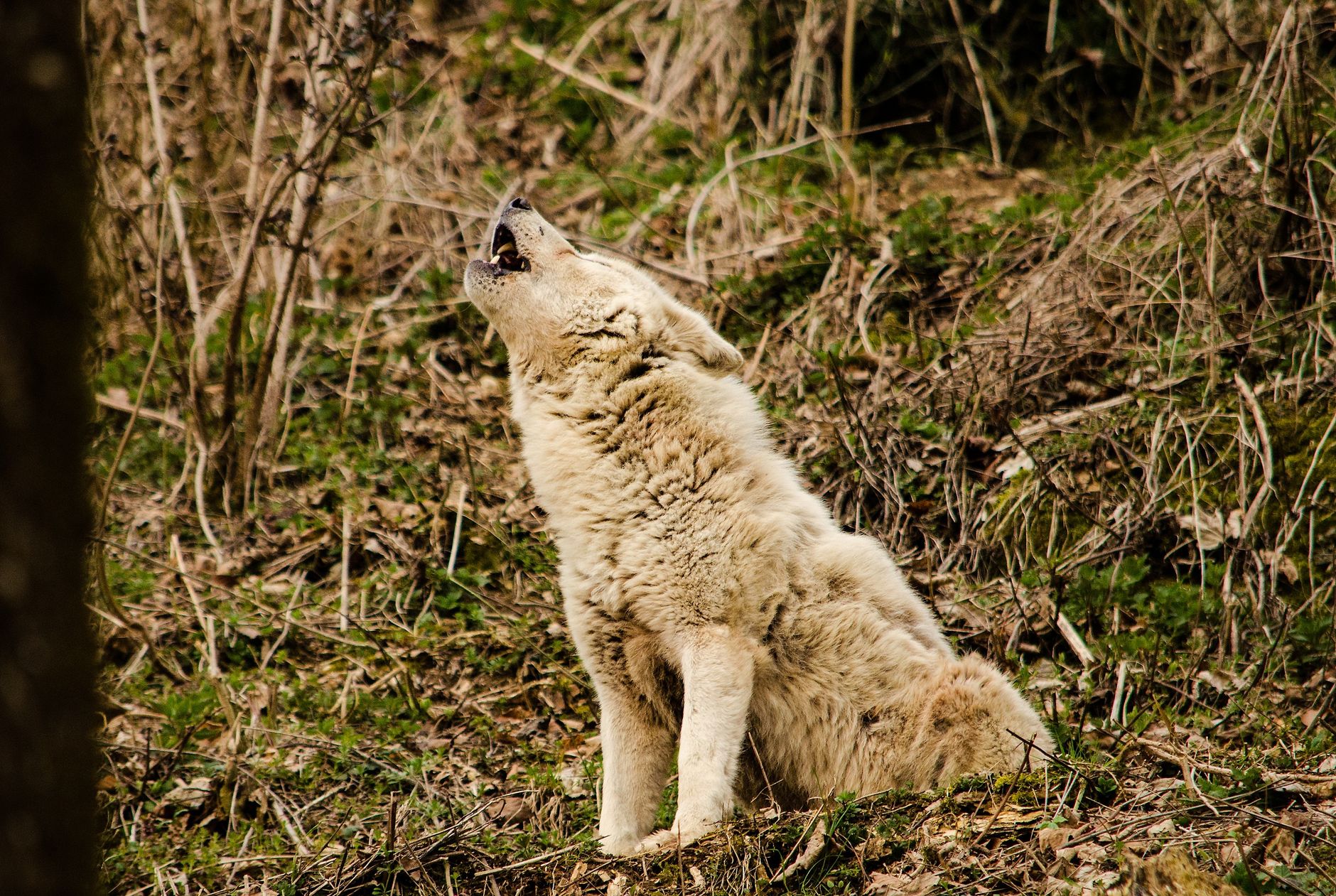
While howling at sirens is completely harmless, howling the moment the front door locks points directly to a severe, clinical behavioral crisis. True separation anxiety is a deep neurological panic disorder where the dog feels entirely incapable of surviving without their primary human handler. When left alone, the dog utilizes a frantic, continuous howl as a desperate, high-volume homing beacon.
The dog is literally shouting across the neighborhood, attempting to guide the missing human safely back to the den. Consider the reality of a rescued Siberian Husky in Colorado that shattered three apartment windows trying to escape an empty living room. The dog would pace the floor for eight straight hours, howling relentlessly until its vocal cords were completely hoarse and bleeding.
The owners initially assumed the dog was simply bored and required more puzzle toys to stay occupied. A professional behavioral consultant correctly identified the noise as severe isolation distress, completely suspending all absences while initiating a strict desensitization protocol. Once the underlying panic was chemically and behaviorally lowered through targeted therapy, the frantic howling entirely stopped.
🚨 Vet Fact: A dog engaged in a full-blown separation anxiety panic attack experiences a massive, sustained spike in cortisol levels. This chronic stress hormone buildup actively weakens the canine immune system, making them significantly more susceptible to severe gastrointestinal issues and chronic skin infections.
Advanced Insight 2: Senior Dog Sundowner Syndrome
An incredibly heartbreaking and frequently misunderstood cause of nocturnal howling occurs strictly in aging canine populations. If a previously quiet, twelve-year-old dog suddenly begins wandering the dark hallways and howling at midnight, it is rarely a behavioral defiance issue. This specific vocalization is a massive, glowing red flag for Canine Cognitive Dysfunction (CCD), the canine equivalent of Alzheimer's disease.
As the canine brain ages, the physical structure deteriorates, causing severe confusion and a complete loss of spatial awareness in low-light environments. This condition frequently triggers "Sundowner Syndrome," where the dog becomes highly agitated and entirely lost inside their own familiar living room. The senior dog howls into the darkness out of sheer, overwhelming terror, desperately crying out for a pack member to physically rescue them from the confusion.
Take the highly common scenario of an elderly Beagle pacing a darkened kitchen floor in Seattle. The dog would trap itself in a simple corner and howl mournfully until the owners physically guided it back to bed. Installing simple, low-level nightlights along the baseboards provided just enough visual context to instantly relieve the senior dog's nighttime panic.
Do dogs howl to signal physical pain?
While whining and whimpering are the standard canine distress signals, a sudden, sharp howl can instantly indicate severe, acute physical agony. A dog suffering from an invisible, deeply agonizing condition like a suddenly herniated spinal disc will frequently let out a piercing howl when attempting to change positions. If a dog completely refuses to move and howls when physically touched, it demands immediate, emergency clinical triage.
Never attempt to physically manipulate or stretch a dog actively howling in pain. A dog experiencing intense physical trauma will frequently suffer from completely redirected aggression, instinctively biting the closest hands out of sheer panic. Carefully utilize a thick blanket as a makeshift stretcher to immediately transport the animal to the nearest veterinary hospital.
🐾 Snoutbit Pro-Tip: Heavily monitor the dog's physical body language immediately following an uncharacteristic howl. If the vocalization is accompanied by intense panting, lip-licking, or a deeply tucked tail, the dog is communicating severe biological distress that requires rapid medical intervention.
Advanced Insight 3: The Unconscious Reinforcement Loop
Owners constantly complain about nuisance howling but frequently fail to realize they are the exact reason the behavior continues to escalate. Dogs are entirely opportunistic learners driven by the promise of immediate human attention. If a dog lets out a quiet, experimental howl and the owner immediately sprints across the room to offer a distraction toy, the canine brain logs a massive victory.
The dog quickly learns that howling is the absolute fastest, most highly effective method to force the human to stop watching television. This creates a deeply frustrating reinforcement loop where the dog essentially trains the human to deliver snacks on command. Breaking this specific habit requires immense human discipline to completely ignore the noise until the dog chooses to settle.
When the dog begins demand howling for a walk or a meal, the human must turn completely around, fold their arms, and stare silently at the ceiling. The exact millisecond the dog stops howling and offers a quiet, calm behavior, the owner instantly rewards the silence. This flawless mechanical timing teaches the dog that making noise makes humans disappear, while quiet patience unlocks the desired rewards.
Are specific breeds more likely to howl?
Genetics play an incredibly massive, undeniable role in a dog's overall vocalization frequency. Northern spitz breeds like Alaskan Malamutes, Siberian Huskies, and Samoyeds are genetically wired to be highly vocal, frequently replacing standard barking with complex, melodic howls. Adopting one of these specific working breeds guarantees a household filled with intense, daily vocal opinions.
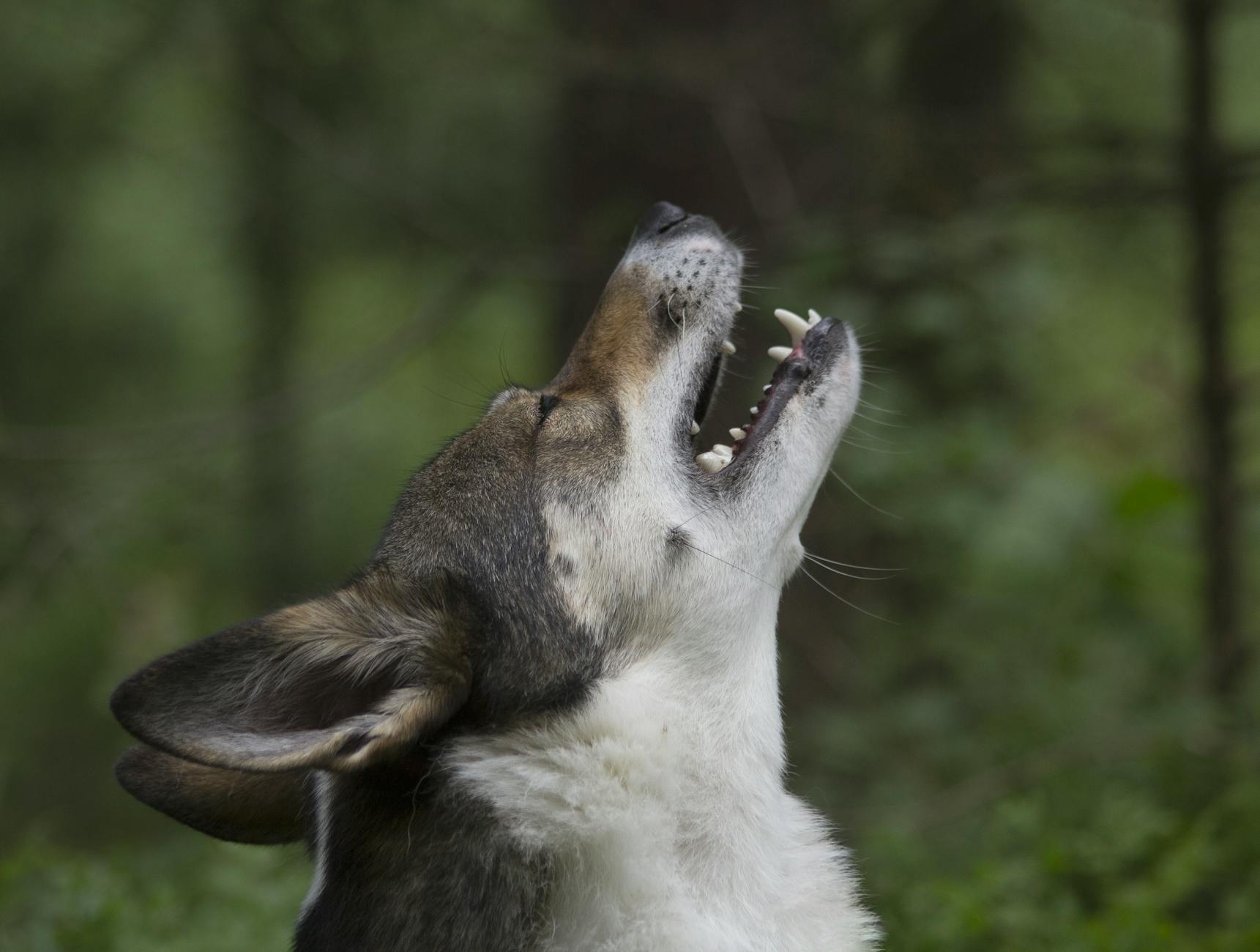
Similarly, hunting hounds were selectively bred for centuries to utilize a highly specific howl called "baying." When a Bloodhound or a Coonhound successfully corners wild prey deep in the woods, they unleash a massive, echoing bay to alert the human hunter of their exact location. Expecting these deeply hardwired breeds to remain completely silent living in a quiet suburban subdivision is entirely unrealistic and biologically unfair.
Providing these highly vocal breeds with appropriate, sanctioned outlets for their noise prevents massive frustration. Encouraging a dog to happily howl along to a specific song during a structured play session allows them to fulfill their biological drive safely.
What To Do Next
- Conduct a Medical Audit Today: If a senior dog suddenly begins howling at night, immediately schedule a comprehensive veterinary neurological exam. Securing a proper diagnosis for Canine Cognitive Dysfunction allows for the immediate introduction of brain-supporting MCT oils and prescription anxiety medications to completely restore nighttime peace.
- Audit the Environmental Acoustics: Keep a physical notepad on the kitchen counter for the next three days to meticulously track every single howling incident. Write down the exact time and whatever subtle noises were occurring outside, such as distant trains or specific delivery trucks, to perfectly map the dog's hidden acoustic triggers.
Disclaimer: The content on Snoutbit.com is for informational and educational purposes only and is not intended to replace professional veterinary advice, diagnosis, or treatment. Always consult with your veterinarian before making significant changes to your dog’s diet, exercise routine, or health regimen.


