Separation Anxiety: How to leave an anxious dog home alone
Why Is Leaving An Anxious Dog So Stressful?
Living with a dog that suffers from separation anxiety is an emotionally draining experience that leaves families feeling trapped in their own homes. The second the car keys jingle or the front door closes, the house erupts into a symphony of howling, frantic scratching, and destructive chewing. Returning home to find a shredded designer rug, an injured muzzle, or neighbor complaints about barking creates a cycle of guilt and profound isolation. This constant "velcro dog" behavior makes simple tasks like grocery shopping or a dinner out feel like an impossible, high-stakes mission.
The absolute fastest way to start leaving an anxious dog home alone is to desensitize them to "departure cues"—the specific sounds and actions that signal a human is about to leave. By uncoupling the sound of keys or the sight of a work bag from the actual act of departing, the dog's internal panic alarm never has a chance to trigger. Combined with high-intensity mental enrichment and a strictly calm exit routine, this systematic desensitization forms the backbone of a successful long-term recovery.
True progress relies on never pushing the dog past their "threshold of fear," which is the exact moment they begin to show early signs of physiological distress. Understanding how to manage this threshold while providing a safe, predictable environment is the only way to restore freedom for both the human and the hound.
What Are The Early Signs Of Separation Anxiety In Dogs?
Many owners mistake destructive behavior for simple canine boredom or a lack of house training, but separation anxiety is a clinical panic disorder. It is not a choice the dog makes to be "naughty"; it is an involuntary, terrifying emotional response to the absence of their primary attachment figure. Recognizing the subtle physical shifts that occur before the door even opens is the secret to early intervention.
In years of working with high-drive Australian Kelpies and sensitive French Bulldogs, we frequently see owners overlook the "pre-departure" phase entirely. We once evaluated a Blue Heeler that would begin panting and pacing the exact second the owner put on a specific pair of work boots. The dog had learned that those boots meant eight hours of isolation, so the panic attack began while the owner was still drinking their morning coffee.
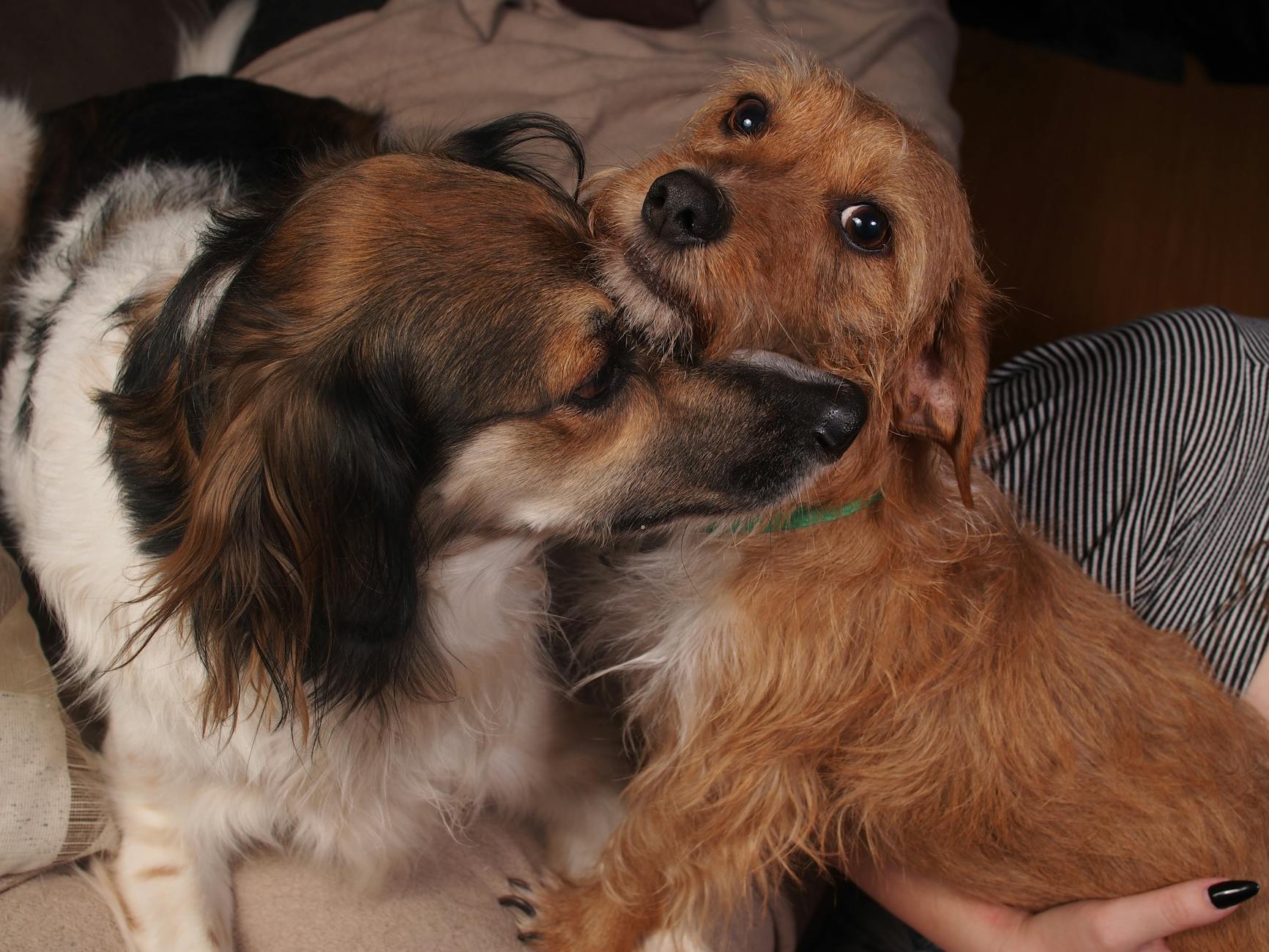
Watch for these early indicators that a dog is entering a state of high arousal:
- Hyper-Vigilance: Following every movement from room to room with an intense, unblinking focus.
- Excessive Salivation: Finding wet spots on the floor or around the muzzle as the sympathetic nervous system ramps up.
- Dilated Pupils and "Whale Eye": Seeing the whites of the eyes or noticing large, dark pupils even in bright light.
- Refusal of High-Value Treats: When a dog is in a state of true panic, their digestive system shuts down, and they will ignore even the smelliest piece of cheese.
🐾 Snoutbit Pro-Tip: Use a cheap home security camera to record the first twenty minutes after leaving the house. If a dog settles within ten minutes, it is likely boredom; if the frantic behavior continues or escalates, it is true separation anxiety.
How To Stop A Dog From Barking When Left Alone?
Stopping the noise requires shifting the focus away from the door and toward a state of calm, productive engagement. Dogs often bark or howl because they are trying to "call the pack back" to the safety of the den. To break this habit, the departure must become the most boring part of the dog's entire day.
One advanced strategy is the "Audio Masking Buffer," which involves more than just leaving the television on. High-frequency sounds from outside—like a neighbor’s car or a delivery person—can spike a dog's anxiety and trigger a barking fit. Utilizing a dedicated white noise machine or playing specific "calm canine" bio-acoustic music helps drown out these external triggers, keeping the dog in a peaceful sensory bubble.
🚨 Vet Fact: Separation anxiety is often co-morbid with noise phobias. Dogs that are terrified of thunderstorms or fireworks are statistically much more likely to develop severe panic when left alone, as their overall threshold for stress is significantly lower.
What Is Desensitization To Departure Cues?
This is the most critical behavioral tool for any household dealing with a velcro dog. Dogs are masters of pattern recognition; they know exactly which shoes, bags, or jackets signal a long departure versus a quick trip to the mailbox. To fix this, those patterns must be systematically destroyed through repeated, meaningless exposure.
Pick up the car keys, walk to the sofa, and watch five minutes of television. Put on a heavy winter coat, sit at the kitchen table, and eat a piece of toast. By performing these "scary" actions fifty times a day without actually leaving, the dog eventually stops associating them with the horror of isolation.
This process requires immense patience, especially with breeds like Staffies or Labradors that are highly tuned into their owner's every move. The goal is to reach a point where the jingle of keys results in a bored yawn rather than a frantic scramble toward the door.
Does Exercise Help With Canine Separation Anxiety?
While a tired dog is generally a more relaxed dog, exercise alone is never a cure for a psychological panic disorder. In fact, intense physical exercise right before a departure can sometimes backfire by leaving the dog's heart rate and adrenaline levels spiked. The focus should instead be on "Lowering the Baseline" through calm, low-impact mental enrichment.
In the sweltering heat of a US summer or the peak of an Australian tick season, long outdoor runs are often dangerous or impossible. This is where indoor scent work and puzzle feeding become essential lifesavers. Engaging the dog's nose for fifteen minutes is equivalent to an hour-long walk in terms of mental exhaustion.
- Snuffle Mats: Hiding dry kibble inside fabric strips to encourage natural foraging behavior.
- Frozen Lick Mats: Spreading plain Greek yogurt or peanut butter on a textured mat to trigger the release of soothing endorphins through repetitive licking.
- Hidden Scent Games: Placing high-value treats inside cardboard boxes around the living room to build confidence and independence.
🐾 Snoutbit Pro-Tip: Never give a "long-lasting" chew like a raw bone or a complex puzzle toy right as the exit happens. If the dog is already anxious, they may associate that specific treat with being abandoned, creating a "poisoned cue" where they refuse to touch the treat in the future.
Why Is The "No-Talk, No-Touch" Exit Important?
The biggest mistake well-meaning owners make is having a long, emotional "goodbye" ritual. Whispering "be a good boy" and giving fifty kisses tells the dog that something very big and very scary is about to happen. It builds the tension to an unbearable level before the door finally shuts.
The most effective exits are completely silent and entirely mechanical. Ignore the dog for at least fifteen minutes before leaving and for fifteen minutes after returning. This teaches the dog that the human’s coming and going is a non-event—as mundane as the sun rising or the weather changing.
We once worked with a family who had a dramatic ten-minute goodbye routine with their Golden Retriever. The dog would be in a full-blown panic attack before they even reached their car. By switching to a "Ghost Exit"—simply walking out while the dog was focused on a pre-placed enrichment toy—the barking reduced by seventy percent in the first week.
🚨 Vet Fact: Destructive behavior during separation anxiety is often focused on "exit points" like door frames and window sills. Dogs are not trying to "get back at the owner"; they are physically attempting to dig their way out of the house to find safety.
Should An Anxious Dog Be Crated When Home Alone?
The use of a crate for a dog with separation anxiety is a highly polarizing topic and must be handled with extreme caution. For some dogs, a crate provides a secure, den-like "safe space" that prevents them from pacing or injuring themselves. For others, confinement triggers "barrier frustration," leading to broken teeth, shredded paws, and a dangerous escalation of panic.
If a dog has never been crate trained, an anxiety episode is the absolute worst time to start. A better alternative for many is a "Safe Zone"—a specific, dog-proofed room like a laundry room or kitchen, separated by a tall baby gate. This allows the dog to see the rest of the house and feel less trapped while still containing potential destruction.
Does Localization Matter For Anxiety Management?
Environmental factors play a massive role in how a dog handles stress. In high-density urban areas like New York or Sydney, the sheer volume of street noise and neighboring apartment sounds can keep a dog's nervous system on high alert. Providing a central "nesting area" away from shared walls or busy streets can drastically lower their daily stress levels.

During the peak of an Australian summer, ensuring the "Safe Zone" is properly climate-controlled is vital. An anxious dog that is also overheating will spiral into a panic much faster than a dog that is physically comfortable. Always provide multiple water sources and cooling mats, especially for brachycephalic breeds like Frenchies that struggle with temperature regulation.
What To Do Next
Living with a dog that cannot be left alone is a marathon, not a sprint. Small, consistent victories are more important than large, sudden leaps in progress. By rebuilding the dog's confidence and breaking the patterns of panic, a life of freedom is entirely achievable.
Here are two simple, immediate steps to take today to help an anxious dog:
- Dethrone The Departure Cues: Identify the one thing that always makes the dog's ears perk up (like grabbing a purse or putting on a watch). Do that action twenty times tonight while staying inside and playing with the dog.
- Establish A "Calm Zone": Pick a specific area of the house and start feeding all meals and giving all high-value treats only in that spot. This begins the process of associating that specific location with safety, relaxation, and positive rewards.
Disclaimer: The content on Snoutbit.com is for informational and educational purposes only and is not intended to replace professional veterinary advice, diagnosis, or treatment. Always consult with your veterinarian before making significant changes to your dog’s diet, exercise routine, or health regimen.