16 Surprisingly Quiet Dog Breeds: The Complete Guide
Introduction
When you imagine bringing a dog into your home, you might picture a noisy companion—barking at the mail carrier, howling at sirens, or yapping at every passerby. But not all dogs are vocal. In fact, many breeds are surprisingly quiet, making them ideal for apartment living or for owners who prefer a peaceful household. According to a comprehensive guide by Tara Maurer published on August 4, 2026, in Canine Journal, a dog's original purpose often influences vocalization: companion breeds are calmer, scent hounds bay and howl, sighthounds rely on speed and eyesight, and Arctic breeds communicate through howls, yodels, and whines (Canine Journal). Quiet dogs are often calm indoors, less reactive, bark with purpose, and are content relaxing with family. But quiet doesn't mean low energy; breeds like Greyhounds and Whippets have excellent 'off switches' after exercise. In this article, we'll explore 16 dog breeds that are surprisingly quiet, debunk common myths, and offer training and lifestyle tips to help you choose the right quiet companion for your home.
What Makes a Dog Quiet?
Understanding why some dogs are quieter than others starts with their history. A dog's original purpose often influences vocalization: companion breeds are calmer, scent hounds bay and howl, sighthounds rely on speed and eyesight, and Arctic breeds communicate through howls, yodels, and whines (Canine Journal). This means that a breed's genetic background plays a significant role in how much—and how—they vocalize.
Quiet dogs are often calm indoors, less reactive, bark with purpose, and are content relaxing with family (Canine Journal). They tend to have a lower threshold for barking and are more likely to observe rather than react to every stimulus. However, it's important to note that quiet doesn't mean low energy; breeds like Greyhounds and Whippets have excellent 'off switches' after exercise (Canine Journal). These dogs can be active outdoors but settle down peacefully at home.
No dog breed is completely silent. The Basenji is often called the 'barkless' dog, but it still makes other vocalizations like yodels and whines (Canine Journal). So, while some breeds are notably quieter, all dogs communicate vocally to some degree. The quietest dog breed depends on individual temperament, but breeds like the Chow Chow, Greyhound, and Whippet are known for being exceptionally quiet indoors (Canine Journal).
16 Dog Breeds That Enjoy a Quiet Life
The Canine Journal article highlights 16 quiet breeds, including the Cavalier King Charles Spaniel, Japanese Chin, Bolognese, Pekingese, Shar-Pei, Chow Chow, Clumber Spaniel, Greyhound, Whippet, Borzoi, and others (Canine Journal). These breeds come in all sizes and temperaments, but they share a common trait: a tendency to be less vocal than their counterparts.
Small breeds that break the 'yappy dog' stereotype include the Cavalier King Charles Spaniel, Japanese Chin, Bolognese, and Pekingese (Canine Journal). These dogs are often affectionate and adaptable, making them great for smaller living spaces. Quiet breeds with calm confidence include the Shar-Pei, Chow Chow, and Clumber Spaniel (Canine Journal). These dogs are typically reserved but not shy, carrying themselves with dignity.
Surprisingly quiet sighthounds include the Greyhound, Whippet, and Borzoi (Canine Journal). Despite their athletic build and racing heritage, these dogs are famously laid-back indoors. Gentle giants that keep the peace include the Great Dane, Bullmastiff, and others—the article mentions 6 gentle giants in total (Canine Journal). These large breeds are often surprisingly quiet, relying on their calm presence rather than constant barking.
Other breeds worth noting are the Basenji, known as the 'barkless' dog but not completely silent (Canine Journal), and the Shiba Inu, which is quiet until they aren't, and the Basset Hound, which is calm but born to bay (Canine Journal).
Small Breeds That Break the 'Yappy Dog' Stereotype
When people think of small dogs, they often imagine constant yapping. But several small breeds defy this stereotype. The Cavalier King Charles Spaniel, Japanese Chin, Bolognese, and Pekingese are all small breeds that are surprisingly quiet (Canine Journal). These dogs are affectionate companions that enjoy lounging with their families rather than alerting the neighborhood to every sound.
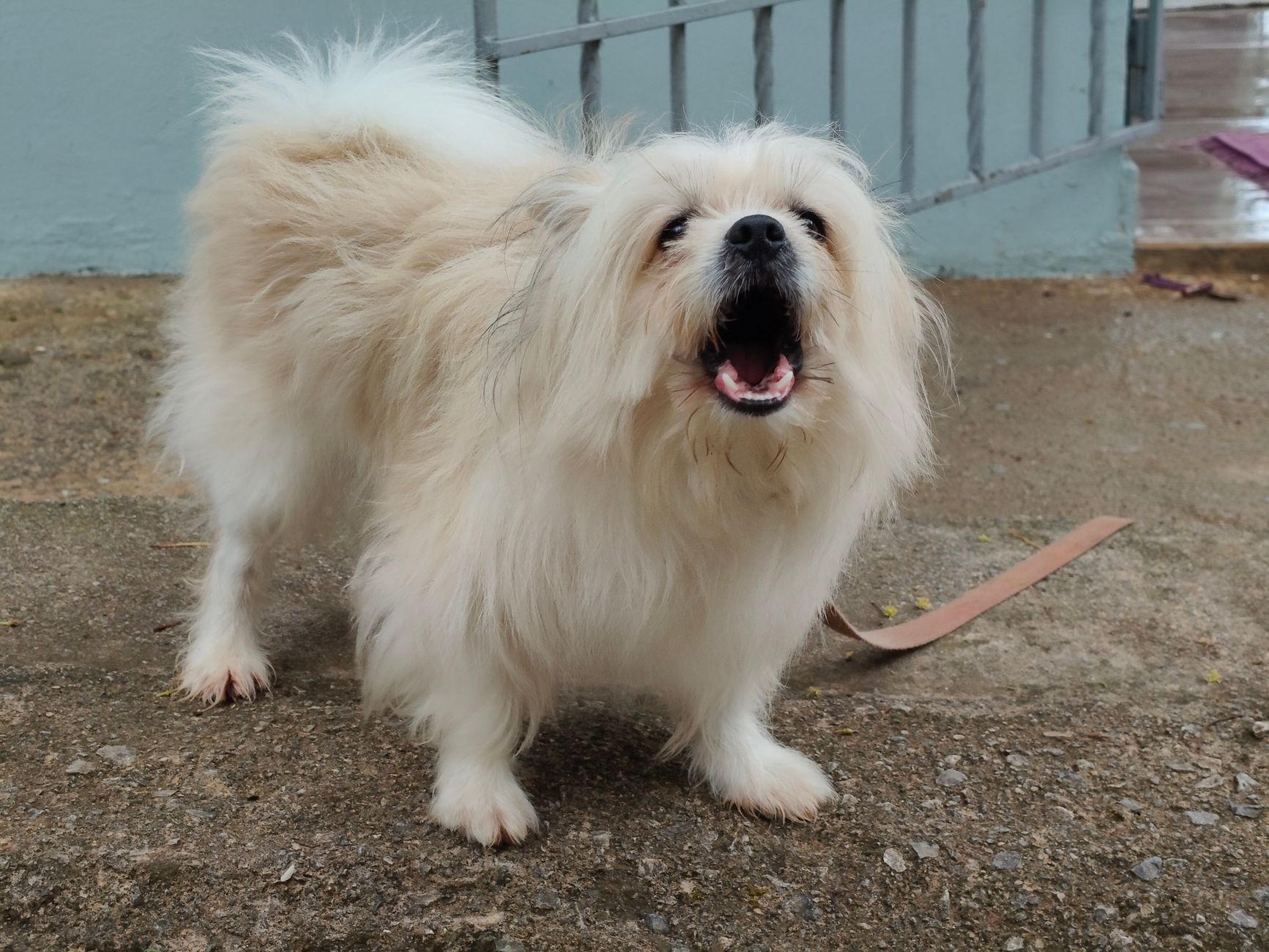
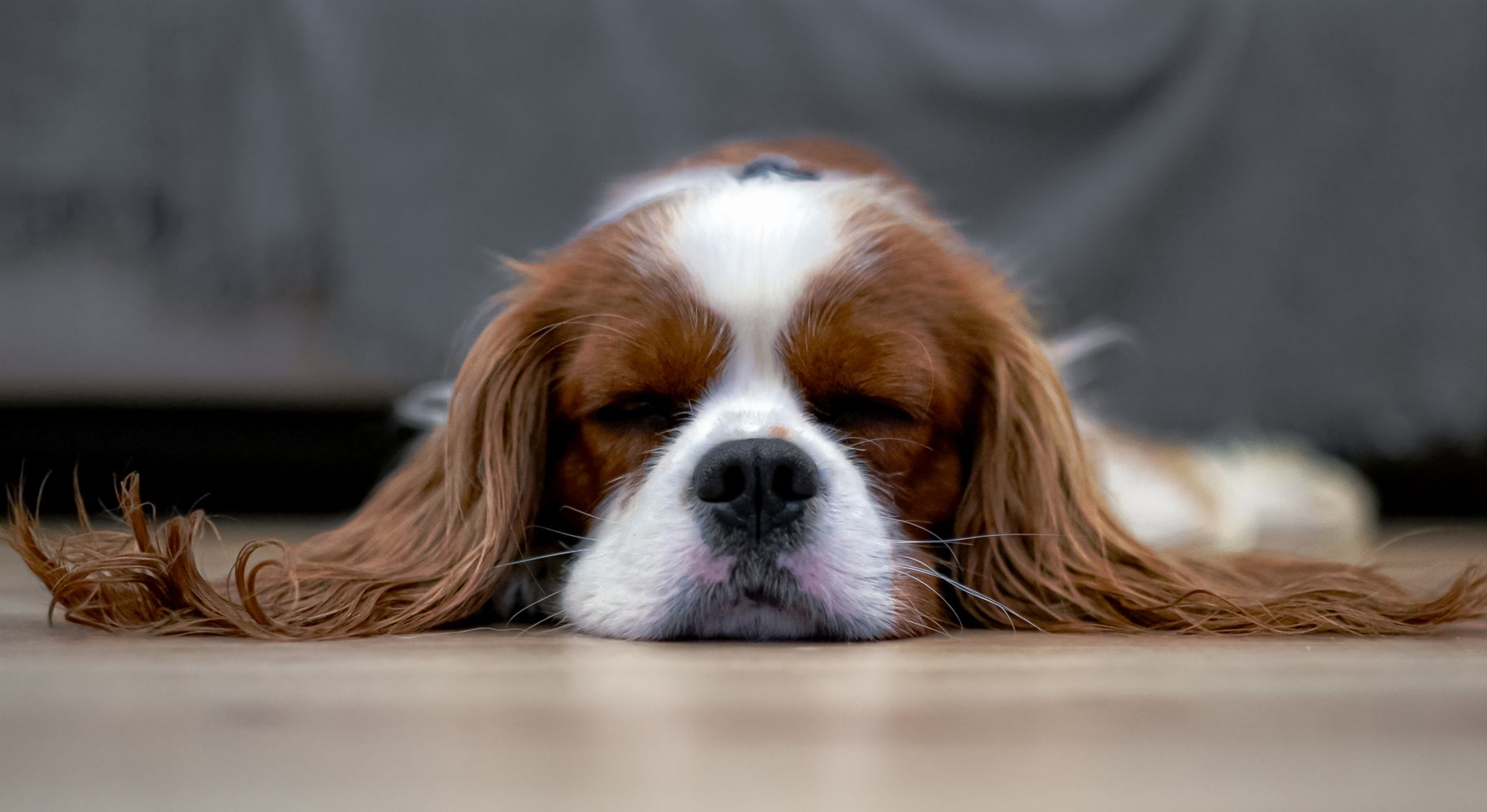
The Cavalier King Charles Spaniel is a gentle, affectionate toy breed that thrives on human companionship. They are known for being calm indoors and less reactive, making them well-suited for apartment living. The Japanese Chin is another quiet small breed, often described as cat-like in its cleanliness and quiet demeanor. The Bolognese, a lesser-known Italian breed, is also calm and quiet, preferring a peaceful environment. The Pekingese, with its regal bearing, is another small breed that breaks the 'yappy' mold, though they can be stubborn.
These breeds are good for apartment living due to their low barking tendency and calm indoor demeanor (Canine Journal). However, they still need regular exercise and mental stimulation to stay healthy and happy. Their quiet nature doesn't mean they are low energy; they simply have a lower tendency to vocalize.
Quiet Breeds With Calm Confidence
Some quiet breeds exude a calm confidence that makes them excellent companions for those seeking a peaceful yet dignified dog. The Shar-Pei, Chow Chow, and Clumber Spaniel are prime examples (Canine Journal). These breeds are not shy; they are simply reserved and self-assured.
The Shar-Pei, with its distinctive wrinkles, is a calm and independent breed that is often quiet indoors. They are loyal to their families but can be aloof with strangers. The Chow Chow is exceptionally quiet and dignified (Canine Journal). They are known for their cat-like independence and quiet nature. The Clumber Spaniel is mellow and rarely barks without reason (Canine Journal). Despite being a spaniel, they are not as high-energy as other spaniel breeds, preferring a leisurely pace.
These breeds require proper socialization and training to ensure they remain well-behaved. Their quiet nature makes them suitable for various living situations, including apartments, as long as their exercise needs are met.
Surprisingly Quiet Sighthounds
Sighthounds are often associated with speed and agility, but they are also surprisingly quiet. The Greyhound, Whippet, and Borzoi are all sighthounds that are known for being quiet indoors (Canine Journal).
Greyhounds are famous for racing but are legendary couch potatoes with excellent off switches (Canine Journal). After a good run, they are content to lounge around the house. Whippets rarely bark and are great apartment dogs with proper exercise (Canine Journal). They are affectionate and adaptable, making them ideal for city living. Borzois bring quiet elegance to everyday life (Canine Journal). They are gentle and reserved, often forming strong bonds with their owners.
These sighthounds are not low energy; they need regular opportunities to run and stretch their legs. But once their exercise needs are met, they are remarkably calm and quiet. This makes them excellent choices for owners who want a dog that is both athletic and peaceful.
Gentle Giants That Keep the Peace
Large dogs are often assumed to be loud, but several gentle giants are surprisingly quiet. The Great Dane, Bullmastiff, and others—the article mentions 6 gentle giants—are known for their calm demeanor (Canine Journal).
Great Danes are gentle, patient, and surprisingly quiet despite their size (Canine Journal). They are often called 'gentle giants' and are known for their affectionate nature. Bullmastiffs rely on calm presence rather than constant barking (Canine Journal). They are protective but not overly vocal, making them excellent guard dogs without the noise. Other gentle giants in the article include breeds that are similarly quiet and laid-back.
These large breeds require plenty of space and exercise, but their quiet nature makes them suitable for various living environments, including apartments, as long as they get enough physical activity. Their calm confidence and low barking tendency make them wonderful companions.
Myths About Quiet Dog Breeds
There are several myths surrounding quiet dogs. One myth is that they don't bark at all (Canine Journal). As we've noted, no dog breed is completely silent. The Basenji is often called the 'barkless' dog, but it still makes other vocalizations like yodels and whines (Canine Journal).
Another myth is that small dogs are always yappy (Canine Journal). Breeds like the Cavalier King Charles Spaniel, Japanese Chin, Bolognese, and Pekingese prove otherwise. A third myth is that quiet dogs don't need exercise (Canine Journal). In reality, quiet doesn't mean low energy; breeds like Greyhounds and Whippets have excellent 'off switches' after exercise (Canine Journal).
Some people believe that large dogs are louder (Canine Journal). But gentle giants like the Great Dane and Bullmastiff are surprisingly quiet. Finally, there's a myth that quiet means shy (Canine Journal). Quiet breeds like the Shar-Pei, Chow Chow, and Clumber Spaniel are calm and confident, not shy.
Training and Lifestyle Considerations for Quiet Dogs
Training can make a dog quieter (Canine Journal). Even breeds prone to barking can learn to be less vocal with proper training and socialization. Consistency and positive reinforcement are key. If you're struggling with a vocal dog, our guide on how to stop dogs from barking instantly offers practical solutions. For a more in-depth approach, check out stop dog barking fast.
Quiet dogs are good for apartment living (Canine Journal). Many quiet breeds like Whippets, Greyhounds, and Cavalier King Charles Spaniels are well-suited for apartment living due to their low barking tendency and calm indoor demeanor (Canine Journal). However, they still need regular exercise and mental stimulation. To keep your quiet dog mentally satisfied, try dog enrichment strategies.
When choosing a quiet breed, consider your lifestyle and the dog's exercise needs. Quiet dogs are often calm indoors, less reactive, bark with purpose, and are content relaxing with family (Canine Journal). They can be wonderful companions for those who appreciate a peaceful home environment. If you're concerned about your dog being alone, learn how to manage separation anxiety.
Understanding why dogs vocalize can also help. For instance, why do dogs howl and why do dogs bark at nothing are common questions that can shed light on your dog's behavior.
In conclusion, if you're looking for a quiet dog, there are many breeds to choose from. From small companions to gentle giants, these dogs offer the joy of companionship without the noise. Always remember that individual temperament varies, and training plays a crucial role in shaping your dog's behavior.
Source: Canine Journal