Why Does My Dog Press Against Me? The Meaning Behind 'The Lean'
Introduction
You're standing in the kitchen, and suddenly your dog is there, pressing their full body weight against your leg. Or you're sitting on the couch, and your dog slowly collapses into you, sighing contentedly. This behavior—known as "the lean"—is common in dogs of all shapes and sizes. But what does it mean? According to Canine Journal, dogs lean on people because they like being close to them; physical contact can feel reassuring, especially from trusted humans. While it's often a sign of affection, leaning can also communicate other things, from attention-seeking to anxiety. In this article, we'll explore the many reasons behind this endearing behavior, the different types of leans, breed tendencies, and when you should pay closer attention. By understanding the nuances of leaning, you can better interpret your dog's needs and strengthen your bond.
Why Dogs Lean on Their Favorite Humans
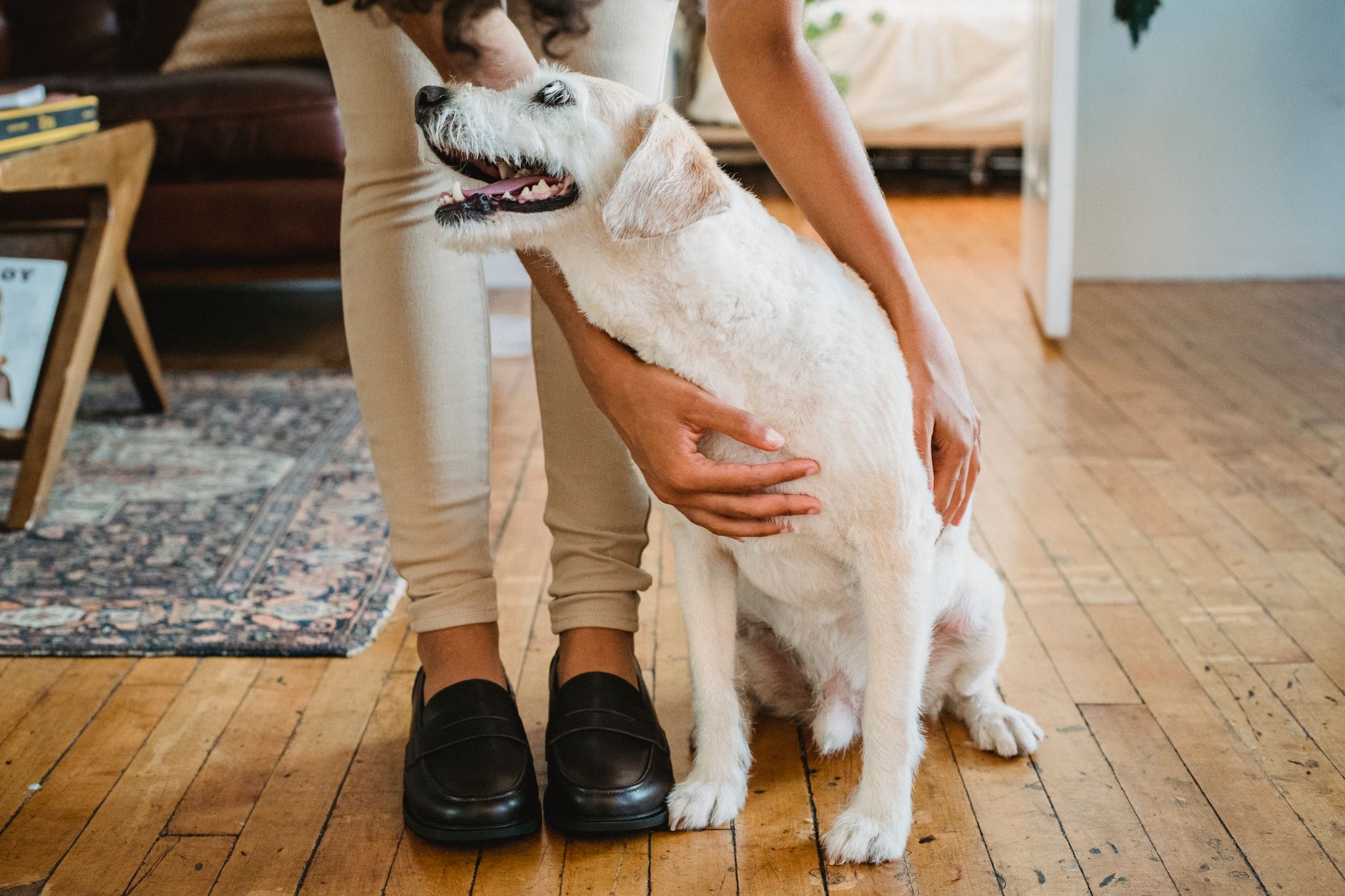
At its core, leaning is about connection. Dogs lean on you because they like being close to you, and physical contact can feel reassuring, especially from trusted humans. It's a way for your dog to seek closeness, comfort, or attention. According to Canine Journal, this behavior can also be a way to feel secure in stressful situations or to ask for pets. When your dog leans, they're often saying, "I want to be near you" or "I feel safe with you." This is especially true during calm, quiet moments like being petted, couch time, after you come home, or when sleepy. In these contexts, leaning is a natural expression of affection and trust. It's your dog's version of a hug—a silent, warm communication that they feel at ease in your presence. The fact that they choose to press against you rather than sit nearby speaks volumes about the bond you share. So the next time your dog leans in, know that it's a compliment of the highest order.
The Science of Comfort
Physical contact triggers the release of oxytocin, often called the "love hormone," in both dogs and humans. This reinforces the bond and makes both parties feel good. Leaning is a simple, effective way for your dog to initiate that contact and reap the calming benefits. It's not just about being close; it's about feeling secure. Your presence is their safe haven.
Common Types of Dog Leans
Not all leans are created equal. According to Canine Journal, there are four common types of dog leans: The Full-Body Lean (Velcro dog), The Slow-Motion Collapse (during pets/cuddles), The 'Don't Stop Petting Me' Lean, and The Nervous Lean. Each type serves a different purpose and comes with its own set of body language cues.
The Full-Body Lean (Velcro Dog)
This is the classic lean where your dog presses their entire body weight against you. It's often seen in breeds like Dobermans, who are famously called "Velcro dogs." This lean is usually a sign of deep affection and a desire for closeness. Your dog is literally attaching themselves to you.
The Slow-Motion Collapse
This happens during pets or cuddles when your dog gradually goes limp and melts into you. It's a sign of ultimate relaxation and trust. Your dog feels so safe that they let their guard down completely.
The 'Don't Stop Petting Me' Lean
This is a more active lean, often accompanied by nudging or pawing. Your dog is using their body to demand continued attention. It's a learned behavior: they've figured out that leaning gets them more pets.
The Nervous Lean
This lean is tense and may involve freezing, trembling, lip-licking, or hard staring. It's your dog's way of seeking reassurance in a stressful situation. They're using you as an emotional anchor.
Understanding these types helps you respond appropriately. A relaxed lean can be encouraged, while a nervous lean may require you to address the underlying stress.
Affection and Bonding: Your Dog's Version of a Hug
When your dog leans against you in a soft, relaxed manner, it's often a pure display of affection. According to Canine Journal, happy, affectionate leaning is usually soft and relaxed, and may include sighing, tail wagging, going limp, or pressing closer during pets. These are all signs that your dog is content and feels a strong bond with you. This type of leaning often occurs during calm, quiet moments like being petted, couch time, after you come home, or when sleepy. It's your dog's way of saying, "I love being with you." Leaning while sleeping is a particularly strong sign of trust and comfort. Your dog feels safe with you and wants to maintain physical contact for reassurance. This is the canine equivalent of holding hands or cuddling with a loved one. It's a silent affirmation of your place in their world. So when your dog sighs and leans in, know that you're their person, and they're expressing their love in the most natural way they know how.
Your Dog Thinks You're Their Safe Place
Dogs may lean during stressful situations such as thunderstorms, crowded places, vet visits, or busy dog parks, using their human as an emotional anchor. In these moments, your dog is seeking protection or reassurance from you, especially if they feel uncertain or stressed. According to Canine Journal, leaning around other dogs can indicate your dog is seeking protection or reassurance from you. This is a testament to the trust you've built. Your dog sees you as their safe haven, a constant in a scary or overwhelming world. Stress signals that may accompany leaning include lip licking, yawning, pinned ears, and panting. If you notice these signs, it's important to acknowledge your dog's discomfort and help them feel secure. You might move to a quieter area, offer gentle reassurance, or simply be present. By being their anchor, you strengthen your bond and help your dog navigate the world with confidence. It's a responsibility and a privilege to be their safe place.
Breed Tendencies: Professional Leaners
Some dogs are more prone to leaning than others. According to Canine Journal, Dobermans and Greyhounds are legendary 'leaners'; Dobermans are called 'Velcro dogs' and often lean their full body weight against their owner's leg, while Greyhounds have a softer, slower lean tied to trust and comfort. Other dogs known for leaning heavily include Bernese Mountain Dogs, Great Danes, Boxers, Labrador Retrievers, and Golden Retrievers. Large breeds like Dobermans, Great Danes, and Bernese Mountain Dogs are known for leaning as a breed tendency. Smaller dogs may express affection through cuddling or lap sitting instead. For example, smaller companion breeds like Chihuahuas and Cavaliers are more likely to express attachment through cuddling or lap sitting instead of standing leans. Breeds with more independent temperaments may be less physically clingy but are not necessarily less bonded. Herding breeds like Border Collies may show affection by 'helping' or supervising; guardian breeds may watch from a distance or position themselves between you and something unusual; companion breeds often want constant physical contact. So while leaning is common across many breeds, it's also influenced by genetics and individual personality.
Attention-Seeking Leans
Leaning isn't always about affection or comfort; sometimes it's a clever way to get what they want. Attention-seeking leaning is learned because dogs quickly associate leaning with pets, eye contact, baby talk, treats, or being invited onto the couch. Your dog leans, you pet them—bingo, the behavior is reinforced. According to Canine Journal, other attention-seeking behaviors include pawing, mouthing, staring, nuzzling, resting head on you, licking your face, and following you from room to room. Leaning while staring can be a sign of affection, attention-seeking, or sometimes anxiety. If the stare is soft and relaxed, it's likely a loving gesture. If it's hard and tense, it may indicate stress or resource guarding. So how do you tell the difference? Look at the context and your dog's body language. A relaxed lean with a wagging tail is likely affectionate, while a demanding lean with persistent staring might be a request for attention. Either way, it's a sign that your dog values your interaction. If the behavior becomes excessive, you can encourage more independence, but for the most part, it's a harmless and endearing habit. For more on decoding your dog's gaze, see Why Does My Dog Stare At Me? The Hidden Meanings.
When Leaning Becomes Protective or Possessive
While most leaning is benign, it can sometimes cross into problematic territory. Leaning can become protective or possessive when a dog uses its body to block access to you, positions itself between you and others, or becomes tense when someone approaches. According to Canine Journal, signs of resource guarding include stiff body posture, hard staring, freezing, low growling, snarling, snapping, barking when someone gets close, and pushing between you and another person or pet. Resource guarding can develop around food, toys, sleeping spaces, or even people, and left unaddressed can escalate and become dangerous. If you notice these signs, it's important to take them seriously. Leaning that is accompanied by tension, growling, or blocking behavior is not affectionate—it's a warning. In such cases, it's best to consult a professional trainer or behaviorist to address the underlying issue. Early intervention can prevent the behavior from worsening and ensure the safety of everyone involved.
When Leaning Signals Anxiety or Clinginess
Sometimes leaning is a cry for help. A tense lean with freezing or lip-licking may signal anxiety or stress. Stress signals that may accompany leaning include lip licking, yawning, pinned ears, and panting. If your dog suddenly leans more than usual, it could indicate pain, illness, or anxiety. Sudden clinginess or dramatic behavior changes can sometimes signal anxiety, pain, or illness, especially if the leaning is new or excessive. According to Canine Journal, if the leaning is affectionate and relaxed, it's harmless and can be encouraged. If it becomes excessive, demanding, or is accompanied by signs of anxiety or resource guarding, it may be helpful to encourage more independence and consult a professional. So if your dog's leaning behavior changes suddenly, pay attention. It might be their way of telling you something is wrong. A vet checkup can rule out medical issues, and a behaviorist can help with anxiety. Your dog relies on you to interpret their needs, so don't ignore drastic changes. For help with anxiety-related behaviors, see Separation Anxiety: How to leave an anxious dog home alone.
Myth Check: Is Leaning a Sign of Dominance?
There's a persistent myth that dogs lean on people to assert dominance. This is simply not true. According to Canine Journal, leaning is not a sign of dominance. It is typically a sign of affection, trust, comfort, or attention-seeking. Dominance theory in dog behavior is largely outdated. The idea that dogs are constantly trying to be "alpha" has been debunked by modern animal behavior science. Leaning is about connection, not control. It's a way for your dog to feel close to you, not to dominate you. So rest assured, your dog isn't trying to take over the household—they just love you. Understanding this can help you respond to leaning with empathy rather than concern. It's a positive behavior that reflects a healthy bond. Similar myths surround other behaviors like Why Do Dogs Hump? The Surprising Truth Behind The Awkward Habit.
What to Do If Your Dog Suddenly Leans More Than Usual
If your dog suddenly starts leaning more than usual, it could indicate pain, illness, or anxiety. According to Canine Journal, sudden clinginess or dramatic behavior changes can sometimes signal anxiety, pain, or illness, especially if the leaning is new or excessive. The first step is to observe your dog's overall behavior. Are they eating, sleeping, and playing normally? Are there other signs of stress, such as lip licking, yawning, or pinned ears? If you notice any concerning changes, consult your veterinarian to rule out medical issues. If your dog is healthy, the increased leaning might be due to stress or anxiety. Evaluate any recent changes in their environment—new people, pets, or routines. If the behavior persists, consider consulting a professional trainer or behaviorist. They can help you address the underlying cause and teach your dog more independent coping skills. Remember, if the leaning is affectionate and relaxed, it's harmless and can be encouraged. But if it becomes excessive, demanding, or is accompanied by signs of anxiety or resource guarding, it may be helpful to encourage more independence and consult a professional. Your dog's well-being is always the top priority.
Frequently Asked Questions
Q: Is it okay to let my dog lean on me? A: Yes, if the lean is relaxed and affectionate, it's a healthy sign of bonding. However, if it's excessive or demanding, you may want to encourage some independence.
Q: Why does my dog lean on me but not my partner? A: Dogs often choose their favorite person based on who provides the most comfort, attention, or positive associations. It's a sign of trust and affection.
Q: Can leaning be a sign of pain? A: Yes, sudden increased leaning or clinginess can indicate pain or illness. Consult your vet if you notice a drastic change.
Q: Do all dogs lean? A: Many dogs lean, but it's more common in large breeds like Dobermans and Greyhounds. Smaller dogs may prefer cuddling or lap sitting.
Q: How can I stop my dog from leaning too much? A: If the behavior is excessive, ignore the leaning and reward independent behavior. Provide mental stimulation with puzzle toys or enrichment activities. For more ideas, see Dog Enrichment Strategies: The Science-Backed Hacks to Exhaust a Hyperactive Dog Fast.
Conclusion
Leaning is a multifaceted behavior that can mean many things—from pure affection to a plea for comfort. By paying attention to your dog's body language and the context, you can better understand what they're communicating. Whether it's a full-body press or a subtle collapse, your dog is sharing a moment of connection with you. Embrace these leans as a sign of the special bond you share, but also stay attuned to any changes that might indicate stress or discomfort. With a little observation and empathy, you can respond in a way that strengthens your relationship and keeps your dog feeling safe and loved.
Source: Canine Journal


