Why Does My Dog Stare At Me? The Hidden Meanings
Sitting on the couch trying to relax, only to feel two unblinking eyes burning a hole through the side of the room? It feels unsettling, confusing, and sometimes downright creepy when a dog locks eyes and refuses to look away. Owners frequently worry their pet is sick, judging them, or preparing to act out unpredictably.
The truth is far less sinister but highly communicative. Dogs stare to gather information, request resources like food or a bathroom break, or simply express profound affection. A soft gaze triggers a massive oxytocin release in both human and canine brains, physically strengthening the bond. However, a hard, stiff stare signals discomfort and requires immediate space.
Why do dogs stare during meal times?
Picture a typical evening: a family sits down with dinner, and their Golden Retriever immediately plants itself two feet away, eyes locked entirely on the plates. This is the classic, textbook resource-seeking stare. Dogs are opportunistic scavengers by nature, and they quickly learn that prolonged eye contact often results in dropped food.
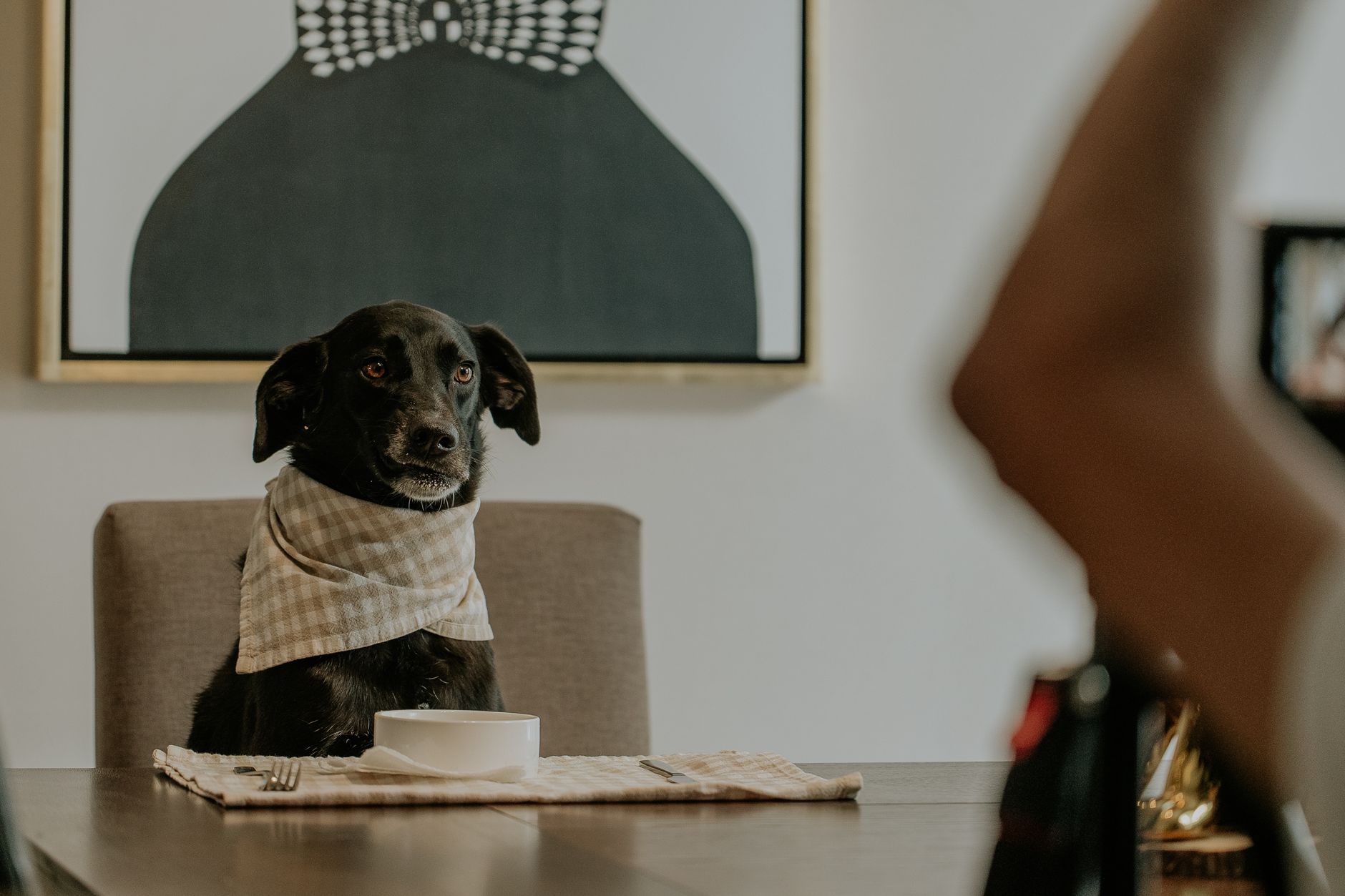
This behavior is a highly successful, learned manipulation tactic. Rewarding the stare with a single table scrap guarantees the behavior will happen again tomorrow. To break this cycle, redirect the dog to a specific "place" mat or bed before the meal even begins.
Is intense staring always a sign of affection?
When a dog initiates eye contact with a relaxed posture, loose ears, and a slightly open, panting mouth, it serves as the canine equivalent of a hug. This specific type of gaze triggers a flood of oxytocin, widely known as the "love hormone," in the mammal brain.
This evolutionary adaptation is entirely unique to domesticated dogs. Wolves, their closest wild ancestors, view direct, unbroken eye contact as a severe threat or an invitation to challenge. Dogs have specifically evolved over thousands of years to hijack the human bonding system through these soulful, lingering looks.
🐾 Snoutbit Pro-Tip: To test if a stare is affectionate, give a slow, deliberate blink. A relaxed, loving dog will often blink back, yawn, or look away softly, confirming they are comfortable and happy.
What does it mean when a dog stares and growls?
Not all stares are friendly or resource-seeking. A "hard stare," characterized by an unblinking gaze, stiff body posture, and tightly closed mouth, is a severe warning sign. This often happens over a high-value item, like a raw bone or a stolen shoe, and is known clinically as resource guarding.
If a Staffy or Frenchie exhibits a hard stare, do not reach for the item or stare back, as direct confrontation escalates the conflict. Instead, utilize a "trade" game by tossing a much higher-value treat away from the guarded object. This safely redirects their attention and diffuses the tension without a physical struggle.
Why do working breeds stare so intensely?
Genetics dictate a massive portion of canine body language and instinctual drives. Herding breeds are hardwired to use their eyes to control the movement of sheep and cattle, and they seamlessly transfer this behavior to their human families.

An Australian Kelpie or a Blue Heeler might stare intensely simply because they are waiting for a job to do. In the sweltering Australian summer heat, when intense physical exercise outside is dangerous, this intense staring can escalate indoors. They are essentially asking their handler, "What is the plan, and what do we do next?"
How does boredom trigger the canine stare?
Environmental shifts often trigger confusing, obsessive behavior in high-energy dogs. During intense American winter snowstorms or severe Australian tick seasons, dogs spend significantly more time cooped up inside the house.
This sudden drop in physical and mental enrichment leads directly to boredom-induced staring. The dog is literally trying to manifest an activity through sheer willpower and eye contact. Implementing indoor scent-work games or feeding meals through complex puzzle toys provides a crucial outlet for this pent-up energy.
🚨 Vet Fact: Herding breeds like Australian Shepherds possess highly sensitive, motion-detecting vision. They will often stare fixedly at a seemingly blank space on the wall simply because a microscopic dust mote or tiny insect caught their eye.
Why does an old dog stare at the wall?
Consider a senior rescue Labrador who suddenly starts standing in the corner of the living room, staring blankly at the drywall for minutes at a time. This is not a quirky new habit or a plea for attention. It is a critical behavioral red flag that requires immediate attention.
Unprovoked staring at walls or "spacing out" in corners can be a primary symptom of Canine Cognitive Dysfunction (CCD), which operates similarly to human dementia. As the brain ages, dogs become deeply disoriented in familiar spaces and may literally get "stuck" behind furniture, forgetting how to back up.
This requires an immediate veterinary consultation. While CCD cannot be cured, dietary changes, prescription antioxidant supplements, and environmental management can significantly slow the cognitive decline.
Why do dogs stare during bathroom breaks?
This is perhaps the most awkwardly hilarious staring contest owners endure on daily walks. When a dog squats to defecate, they are in a highly vulnerable physical position. In the wild, this lowered vulnerability makes them an incredibly easy target for passing predators.
When a dog locks eyes during a potty break, they are not asking for privacy. They are asking for a lookout. They view their owner as the capable leader of the pack and are relying on them to watch their back while they handle their business safely.
🐾 Snoutbit Pro-Tip: Avoid making sudden loud noises or erratic movements when a dog is making vulnerable "potty eye contact." Startling them mid-squat can create severe bathroom anxiety, leading to accidents hidden inside the house later.
What are advanced canine communication signs?
Most generic obedience advice focuses entirely on sit and stay commands rather than understanding subtle micro-expressions. Recognizing these three advanced visual cues drastically improves canine-human communication and prevents behavioral fallouts:
- The "Whale Eye" Warning: If a dog turns their head slightly away but keeps their eyes fixed on a target, exposing the white parts of their eyes (the sclera), they are highly stressed. This is a plea for space before a bite occurs.
- The Appeasement Look Away: If a dog is being scolded and suddenly breaks eye contact to aggressively sniff the ground, they are not ignoring the command. This is a classic "calming signal" designed to naturally de-escalate tension.
- The Pupil Dilation Check: A dog with massive, dilated black pupils during a stare is experiencing high emotional arousal. This could mean they are over-stimulated during intense play or terrified during a loud thunderstorm.
How should an owner respond to staring?
Context acts as the ultimate decoder ring for canine behavior. Assess the rest of the dog's body: are the ears pinned back in fear, or loose and floppy? Is the tail tucked tight under the belly, or wagging in a wide, sweeping motion?

If the body language is loose and happy, acknowledge the dog with a calm, joyful voice or a gentle chest scratch. If the dog is staring intensely at the front door, check the water bowl or take them out for a bathroom break immediately. Never punish a dog for staring, as it is their most effective, non-violent way of speaking to the humans they rely on.
🚨 Vet Fact: Intense, localized staring at a specific body part, such as staring at their own flank or paw constantly, can indicate localized pain. It often points to an embedded foxtail, a hot spot, or an allergic reaction requiring a physical exam.
What To Do Next
- Conduct a Body Language Audit: The next time a staring contest occurs, do not immediately react or speak. Take five conscious seconds to check the dog's ear position, tail tension, and mouth shape to accurately decode their true emotional state.
- Establish a Redirection Cue: If the staring happens primarily around meal times or work-from-home hours, teach a highly rewarded "Go to Bed" command. Reward the dog heavily for staying on their designated mat instead of looming over the desk or dinner table.
Disclaimer: The content on Snoutbit.com is for informational and educational purposes only and is not intended to replace professional veterinary advice, diagnosis, or treatment. Always consult with your veterinarian before making significant changes to your dog’s diet, exercise routine, or health regimen.