What Are the 7 Secrets to Stop Your Dog from Marking Indoors?
The Indoor Marking Crisis: Why Your Home Smells
Did you just find another wet spot on the leg of your expensive dining table? Yes, you can absolutely stop your dog from marking indoors by utilizing enzymatic cleaners, strict supervision, and addressing underlying medical or hormonal triggers. The definitive secret to ending this highly frustrating behavioral cycle is treating the biological root cause rather than just blindly punishing the wet spot.
You likely brought your companion home expecting a perfectly housebroken pet, but the reality is constant vigilance and scrubbing ruined carpets. It is incredibly frustrating to watch your dog lift their leg on your favorite sofa right after coming inside from a long neighborhood walk. If you actively ignore this territorial display, a few isolated incidents will rapidly crystallize into a permanent, lifelong behavioral nightmare.

Mind Map Overview: Canine Marking Solutions
- The Root Cause: Hormonal drives, underlying environmental anxiety, or active territorial disputes.
- The Immediate Risk: Ruined subflooring, permanent home odors, and escalating behavioral dominance.
- The Definitive Fix: Spaying/neutering, strict umbilical tethering, and completely neutralizing the olfactory system markers.
The Core Problem: Why Is Your Dog Soiling Your Home?
Before you can actively implement the solution, you must completely understand the biological difference between basic elimination and active marking. A dog that is simply not housebroken will empty their entire bladder in large, continuous puddles on the floor. In stark contrast, urine-marking involves depositing small, deliberate squirts of urine on vertical surfaces to leave a highly specific chemical message.
The Biology of Territorial Behavior
Dogs view the world entirely through their incredibly powerful olfactory system, constantly reading chemical signals left behind by other animals. When an intact male lifts his leg on your doorframe, he is biologically advertising his sexual availability and claiming that specific territory. This hardwired instinct is heavily driven by surging testosterone levels, making it incredibly difficult to train away without direct medical intervention.
Medical Red Flags: Ruling Out UTIs
Before you automatically assume your dog is marking out of pure stubbornness or territorial dominance, you must officially rule out hidden physical pain. If a previously housebroken dog suddenly begins leaving small drops of urine everywhere, they likely have a severe urinary tract infection (UTI). This painful bacterial infection causes severe internal inflammation and sudden bladder urgency, forcing the dog to urinate frequently and inappropriately.
You must immediately secure a baseline urinalysis from your veterinarian to confirm their urinary tract and kidneys are functioning perfectly. Attempting to strictly behavioral train a dog suffering from a painful medical condition is completely useless and actively cruel to the animal.
Agitating the Mess: The Cost of Ignoring the Problem
Allowing this specific behavior to continue unchecked creates a highly unsanitary environment that rapidly destroys the expensive subflooring of your home. Standard household cleaners simply mask the terrible smell to the human nose while leaving the biological uric acid crystals perfectly intact.
The Danger of Residual Odors
If you attempt to clean a marked spot with household ammonia or bleach, your dog's nose will easily detect the remaining biological proteins. That lingering scent acts as an invisible, flashing neon sign explicitly instructing them to mark that exact vertical surface again. Until you permanently destroy that chemical marker, your living room will remain their officially designated indoor communication post.

The Breakdown of Your Bond
The constant, daily vigilance required to safely prevent indoor marking frequently drives loving owners to their absolute emotional breaking point. When your house permanently smells like an uncleaned kennel, deep resentment toward your canine companion naturally builds. If you begin relying on harsh physical punishments, like aggressively rubbing their nose in the urine, you will permanently shatter their trust.
Punishing a dog violently after the fact does not teach them to stop marking; it simply teaches them to deeply fear your physical presence. They will quickly learn to sneak behind the sofa or into a guest bedroom to secretly deposit their scent entirely unseen.
The Solution: 7 Veterinary Secrets to Stop Marking
You must completely abandon outdated punishment methods and strictly focus on proactive medical, environmental, and behavioral management. Implementing these seven definitive secrets will rapidly extinguish the marking behavior and permanently protect your expensive furniture.
1. Schedule the Spay or Neuter Surgery
The absolute most effective way to permanently eliminate hormonally driven marking is to physically remove the biological source of the hormones. According to comprehensive veterinary data, neutering an intact male reduces or completely eliminates indoor urine-marking in over 80% of dogs. You must consult your veterinarian to precisely determine the safest surgical timeline based on your dog's specific breed and skeletal maturity.
2. Eradicate Odors with Enzymatic Cleaners
You must permanently destroy the chemical markers left behind by previous accidents using a high-quality, veterinary-approved enzymatic cleaner. These specific chemical formulas utilize living enzymes to literally digest and permanently eradicate the odor-causing bacteria hidden deep in your carpet padding.
To guarantee absolute odor removal, aggressively follow this strict cleaning protocol:
- Blot heavily: Use thick paper towels to absorb as much wet urine as physically possible before applying any liquid chemicals.
- Saturate the area: Pour the enzymatic cleaner directly onto the stain, ensuring it deeply penetrates the baseboards and floorboards below.
- Air dry completely: Allow the spot to dry entirely on its own, as the living enzymes require extended time to permanently break down the proteins.
3. Implement Strict Umbilical Cord Tethering
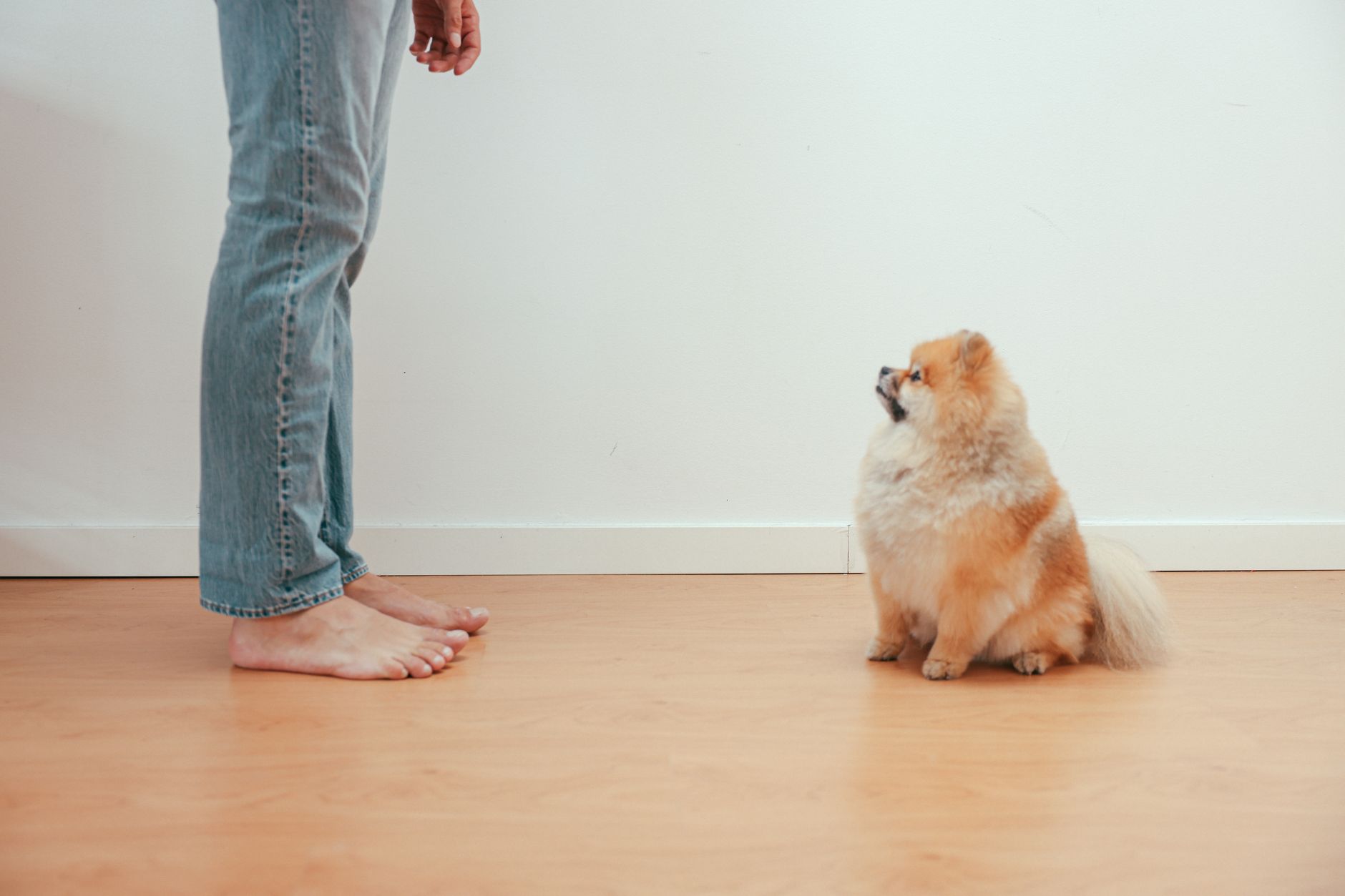
When your dog is awake and outside of their crate, they must absolutely never be allowed to free-roam your house unsupervised. You must immediately implement the umbilical cord method by attaching a lightweight, six-foot leash directly from their collar to your belt loop. By physically tethering the dog directly to your body, they absolutely cannot sneak off to a quiet corner to lift their leg unseen.
4. Utilize Belly Bands Temporarily
While you are actively retraining your dog and waiting for hormones to subside post-surgery, you can physically protect your furniture by using a washable canine belly band. These specialized, wrap-around diapers sit securely over a male dog's genitals, safely capturing any urine before it hits your expensive sofa. When the dog attempts to mark, they will simply wet the absorbent pad, entirely preventing the rewarding sensation of marking a vertical surface.
Advanced Behavioral Redirection Techniques
If the dog is medically cleared and successfully altered, the marking is likely driven by deep-rooted environmental anxiety or overstimulation. You must actively reshape exactly how they perceive the boundaries of their indoor territory.
5. Reclaim the Scented Hotspots
Dogs biologically refuse to eliminate exactly where they sleep or routinely consume their daily meals. You can actively weaponize this natural instinct by completely changing the context of the specific areas they frequently target. Start feeding them their daily kibble or giving them high-value chew toys directly next to the table leg they obsessively pee on.
6. Introduce High-Value Interruption
Because you are strictly utilizing the umbilical cord tether, you are perfectly positioned to catch their subtle pre-marking warning signs. If you see them suddenly pacing, sniffing a vertical surface intensely, or shifting their weight, you must instantly interrupt the behavior. Clap your hands sharply to break their intense focus, and immediately escort them outside to a designated outdoor marking spot.
[IMAGE 4: A well-behaved dog receiving a highly aromatic treat from their owner immediately after successfully urinating on an outdoor tree.]
7. Alleviate Environmental Anxiety
Many dogs mark indoors simply because they feel territorially insecure due to seeing stray animals pacing outside your living room windows. If your dog frantically marks the front door directly after the mail carrier arrives, their behavior is strictly rooted in deep anxiety. You must proactively manage their environment by utilizing opaque window films to entirely block their visual line of sight to outdoor triggers.
If the anxiety is highly severe and disruptive, you must consult your veterinarian about utilizing canine pheromone diffusers or prescription anti-anxiety medications. A mentally secure, perfectly relaxed dog has absolutely no biological desire to cover their home in defensive chemical markers.
Disclaimer: This article is for informational purposes only and does not constitute veterinary medical advice. Always consult with a licensed veterinarian before altering your pet's diet, starting a new training regimen, or addressing health concerns.