Puppy Drinks Coffee: Why Caffeine Is Toxic to Dogs
Introduction
There are few things more sacred than a morning cup of coffee—and few creatures more curious than a puppy. In a recent viral moment, a young dog discovered exactly why those two things should never mix. The article features a puppy that tried to drink its owner's coffee and had a strong reaction to the taste, according to Dogtime. While the puppy's startled response might have been funny to watch, it serves as a humorous but cautionary tale for pet owners.
Coffee contains caffeine, which is toxic to dogs. Even small amounts can cause restlessness, rapid breathing, heart palpitations, and muscle tremors. In severe cases, it can lead to seizures or death. As adorable as a puppy sneaking a sip might seem, the reality is far more serious. This article breaks down what happened, why caffeine is so dangerous for dogs, how to prevent accidental ingestion, and what to do if your dog ever laps up your latte. Whether you're a new puppy parent or a seasoned dog owner, these facts could one day save your pet's life.
The Viral Video: A Puppy's Coffee Encounter
A Sip Gone Wrong
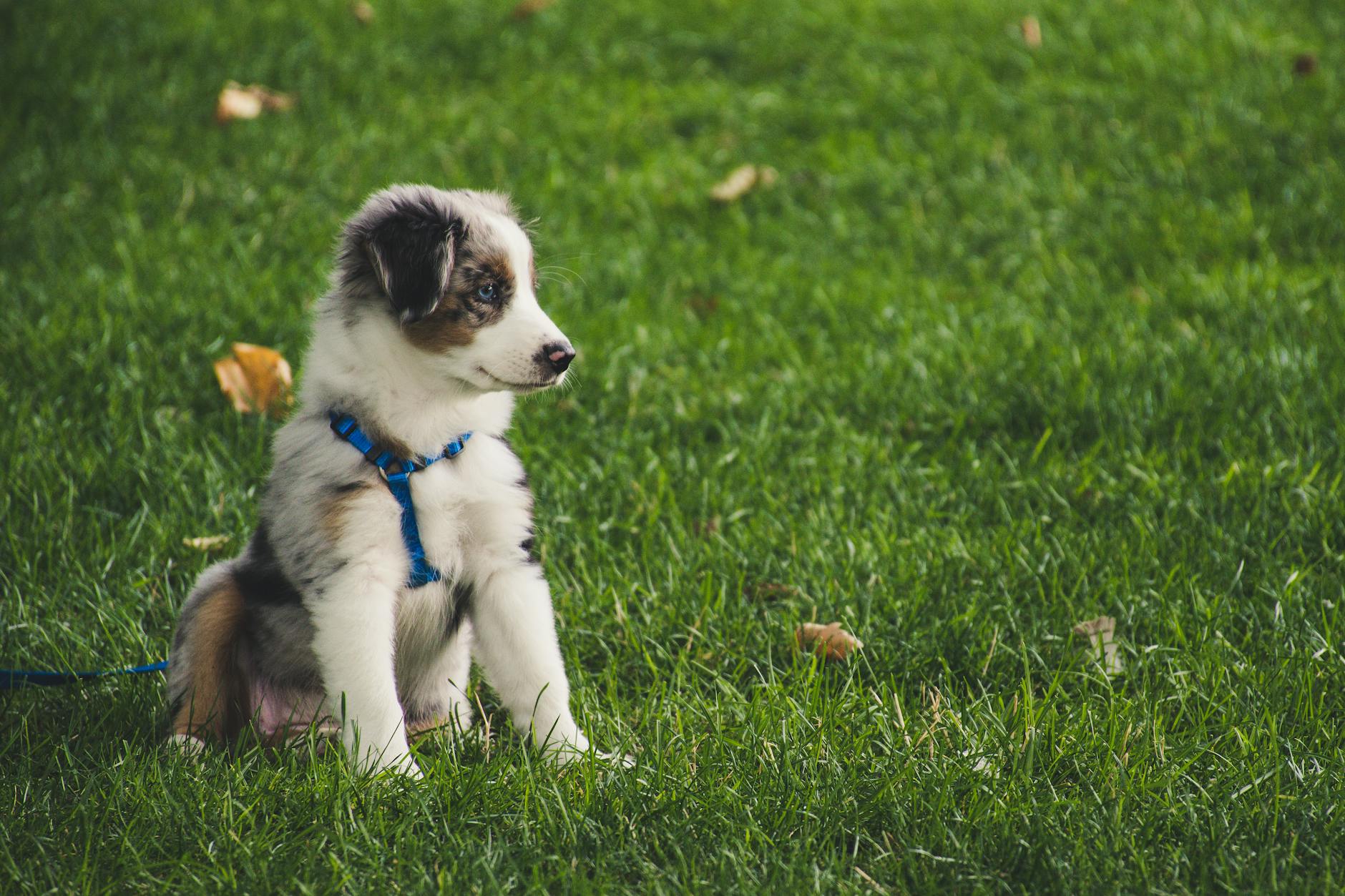
The article features a puppy that tried to drink its owner's coffee and had a strong reaction to the taste, according to Dogtime. The moment was captured on video and quickly made the rounds online, charming viewers with the puppy's dramatic response to the bitter, unfamiliar flavor. But behind the humor lies an important message. The puppy's reaction serves as a humorous but cautionary tale for pet owners, Dogtime notes.
It's easy to laugh when a curious pup recoils from a taste it didn't expect, but the incident highlights a real danger: coffee contains caffeine, which is toxic to dogs. Even small amounts can cause restlessness, rapid breathing, heart palpitations, and muscle tremors. In severe cases, it can lead to seizures or death. The puppy in the video was fortunate—its reaction was to the taste, not necessarily to a dangerous dose of caffeine. Still, the clip is a vivid reminder that what's a harmless morning ritual for humans can be a serious hazard for our four-legged friends.
As the video continues to circulate, veterinarians and pet advocates hope it will encourage owners to think twice before leaving a mug within reach. After all, a funny video is only funny until it becomes a medical emergency. The puppy's dramatic recoil may have been amusing, but it's the kind of close call that should prompt every dog owner to reassess their kitchen counters and coffee tables.
Why Caffeine Is Dangerous for Dogs
The Science of Caffeine Toxicity
Caffeine is toxic to dogs, plain and simple. According to Dogtime, coffee contains caffeine, which is toxic to dogs. Even small amounts can cause restlessness, rapid breathing, heart palpitations, and muscle tremors. In severe cases, it can lead to seizures or death. This isn't just about a little extra energy—caffeine affects a dog's body in ways that can quickly spiral out of control.
Symptoms of caffeine poisoning in dogs include restlessness, rapid breathing, and muscle tremors, as reported by Dogtime. These signs can appear soon after ingestion and may escalate rapidly. Heart palpitations are another serious concern, and in the worst-case scenario, seizures or death can occur. It's important to remember that dogs are much smaller than humans, so even a few laps of coffee can deliver a significant dose of caffeine relative to their body weight. That's why it's important to keep coffee and other caffeinated beverages away from pets, Dogtime emphasizes.
The danger isn't limited to black coffee, either—any beverage containing caffeine poses a risk. The bottom line is clear: caffeine is toxic to dogs, and there is no safe amount to share. Understanding these risks is the first step toward keeping your puppy safe. Because a puppy's small body weight makes even tiny amounts of caffeine proportionally more dangerous, the margin for error is slim. What might be a mild stimulant for a human can overwhelm a dog's system, leading to symptoms that progress from mild restlessness to life-threatening tremors in a short window of time.
Preventing Accidental Ingestion: Tips for Pet Owners
Simple Steps to Keep Your Pup Safe
Prevention is always better than a frantic trip to the vet. The good news is that keeping your dog away from caffeine is straightforward if you build a few habits. According to Dogtime, keep coffee cups and mugs out of reach of pets. That means never leaving them unattended on low tables or counters where a curious puppy might investigate. Consider using a lid or placing them in a secure spot, Dogtime advises. A travel mug with a secure lid can be a great investment for coffee lovers with dogs.
It's also important to keep coffee and other caffeinated beverages away from pets at all times—not just when you're in the room. Puppies are quick and opportunistic, and a moment of distraction is all it takes for them to knock over a mug or take a slurp. Dogtime recommends keeping coffee cups, mugs, and other caffeinated beverages out of reach of your dog. Never leave them unattended on low tables or counters. Consider using a lid or placing them in a secure spot. These simple steps can dramatically reduce the risk of accidental ingestion.
Remember, the puppy in the viral video was lucky—its reaction was a taste test gone wrong, not a toxic dose. But not every dog will be so fortunate. By making a few small changes to your routine, you can protect your puppy from a potentially deadly mistake. Think of it as puppy-proofing your coffee habit: a lid here, a higher shelf there, and a consistent habit of clearing mugs before you leave the room. These small adjustments add up to a safer environment for a curious dog.
What to Do If Your Dog Drinks Coffee
Act Fast and Call Your Vet
Even with the best prevention, accidents happen. If you suspect your dog ingested caffeine, contact your veterinarian immediately, Dogtime advises. Time is of the essence when it comes to caffeine poisoning. If you suspect your puppy has ingested coffee, contact your veterinarian or an animal poison control center immediately, according to Dogtime. Provide them with information about the amount and type of coffee consumed. This information helps your vet assess the risk and determine the best course of action.
Symptoms of caffeine poisoning in dogs include restlessness, rapid breathing, and muscle tremors, so watch for these signs and report them. Other symptoms may include heart palpitations and, in severe cases, seizures. Do not wait for symptoms to worsen—call for help as soon as you realize what happened. Your veterinarian may ask you to bring your dog in for evaluation or may give you instructions over the phone. Having the coffee container or a description of the beverage on hand can be useful.
Remember, caffeine is toxic to dogs, and even small amounts can cause serious problems. The puppy in the viral video may have gotten off with a funny face, but that's not a guarantee for every dog. When in doubt, call your vet. It's always better to be safe than sorry. Quick action and accurate information about what your dog consumed can make a real difference in how effectively your vet can respond.
The Takeaway: Keep Coffee Out of Paws' Reach
A Little Prevention Goes a Long Way
The viral video of the puppy who tried to drink its owner's coffee is a perfect example of why we need to be vigilant. The article features a puppy that tried to drink its owner's coffee and had a strong reaction to the taste, according to Dogtime. It's a funny moment, but it's also a reminder that our morning habits can pose hidden dangers to our pets. Coffee contains caffeine, which is toxic to dogs. Even small amounts can cause restlessness, rapid breathing, heart palpitations, and muscle tremors. In severe cases, it can lead to seizures or death. The puppy's reaction serves as a humorous but cautionary tale for pet owners, Dogtime notes.
So what's the takeaway? Keep coffee cups, mugs, and other caffeinated beverages out of reach of your dog. Never leave them unattended on low tables or counters. Consider using a lid or placing them in a secure spot. And if the unthinkable happens, contact your veterinarian or an animal poison control center immediately. Provide them with information about the amount and type of coffee consumed. By following these simple guidelines, you can enjoy your morning coffee without worrying about your furry friend. After all, a safe puppy is a happy puppy—and that's something we can all raise a mug to.
Frequently Asked Questions
How much coffee is dangerous for a dog?
Even small amounts of caffeine can be toxic to dogs. Because dogs are much smaller than humans, a few laps of coffee can deliver a significant dose relative to their body weight. There is no safe amount to share.
What are the first signs of caffeine poisoning in dogs?
Watch for restlessness, rapid breathing, and muscle tremors. Heart palpitations may also occur, and in severe cases, seizures or death can happen. Contact your vet immediately if you notice these signs.
Can my dog drink decaf coffee?
Decaf coffee still contains some caffeine, and other ingredients like milk or sugar can also be harmful. It's safest to keep all coffee and caffeinated beverages away from your dog.
What should I do if my puppy drinks coffee?
Call your veterinarian or an animal poison control center right away. Provide details about the amount and type of coffee consumed. Do not wait for symptoms to worsen.
How can I prevent my puppy from getting into coffee?
Keep cups and mugs out of reach, never leave them unattended on low tables or counters, and use a lid or secure spot. A travel mug with a secure lid is a smart investment.
Additional Resources
For new puppy owners, understanding general safety and training is key. Check out The Ultimate Puppy 101 Guide: How to Survive and Thrive During the First 6 Months for a comprehensive start. Avoid common pitfalls by reading 3 Mistakes You're Making With Your Puppy Training. If you need practical at-home training, see How to Train a Puppy at Home: The 7-Day Blueprint to Stop Biting and Accidents. And for safe treat alternatives, explore The Ultimate List of Healthy Fruits for High-Value Dog Training and Hydration. Finally, regular health care like worming is important; learn more in How Often Should I Worm My Dog? The Hidden Parasite Threat.
Source: Dogtime