The Ultimate List of Healthy Fruits for High-Value Dog Training and Hydration
You are spending a fortune on premium, boutique dog treats, but your dog is still gaining weight and losing focus during training sessions. You check the back of the treat bag and realize the first three ingredients are corn syrup, artificial dyes, and heavy carbohydrate binders.
What healthy human foods can you use to train your dog? The ultimate dog-safe fruits for training and wellness are blueberries (for antioxidant-rich scatter feeding), seedless watermelon (for rapid climate cooling), crisp apples (for dental friction), and mashed bananas (for high-value lick mats). By swapping highly processed, calorie-dense bakery treats for fresh, single-ingredient fruits, you instantly lower your dog's daily caloric intake while providing massive biological and behavioral benefits.
Overview Mind Map: The Fruit Training Strategy
- The Core Problem: Commercial treats cause obesity and lethargy.
- The Solution: Single-ingredient, moisture-dense fruits.
- Top Fruits: Blueberries (foraging), Watermelon (hydration), Apples (breath), Bananas (focus).
- Toxic Danger Zone: Grapes, raisins, and avocado are strictly banned.
- Behavioral Application: Freeze fruits in Kongs to cure separation anxiety.
Why Ditch Processed Treats for Fresh Fruit?
In my behavioral practice, the number one reason owners fail to train a reliable recall (teaching the dog to come when called) is because their treats are boring. If you use dry, stale supermarket biscuits outdoors, your dog will inevitably decide that chasing a squirrel is much more rewarding.
Fruit offers a massive sensory upgrade. Dogs possess a highly refined olfactory bulb, and the natural, sweet aroma of fresh fruit provides an intense, novel scent that cuts through environmental distractions.
Furthermore, fresh fruit is incredibly hydrating. If you are conducting a grueling obedience session during a hot summer afternoon, feeding dry crackers physically dehydrates your dog, making them cranky and reactive.
Can Dogs Eat Fruit Safely Every Day?
Yes, but you must strictly adhere to the 10% rule. Treats and fruits combined should never make up more than 10% of your dog's total daily caloric intake.
Because fruits contain naturally occurring fructose (fruit sugar), overfeeding them will lead to gastrointestinal distress and explosive diarrhea. You are using fruit as a strategic, high-value training currency, not as a meal replacement.
Pro-Tip: The "Sugar Spike" Prevention Hack
Never feed your dog fruit on a completely empty stomach right before an intense training session. The rapid influx of natural fructose will cause a sudden blood sugar spike, leading to frantic, hyperactive behavior, followed by a sudden crash where they refuse to listen. Always use fruit during training, or immediately following their protein-heavy morning kibble to slow the glycemic absorption.
The Ultimate List of Healthy Fruits for Dogs
Not all fruits are created equal in the canine digestive tract. You must select fruits that provide high nutritional value without posing a choking or toxicity hazard. Here are the top four fruits you need in your training pouch right now.
1. Blueberries (The Antioxidant Powerhouse)
If I could only recommend one training treat for the rest of my career, it would be the blueberry. They are low in calories, incredibly high in antioxidants (which support aging canine brains), and require absolutely zero chopping or preparation.
From a behavioral standpoint, blueberries are the ultimate tool for a technique called "scatter feeding." If your dog aggressively barks at the window when the mail carrier arrives, grab a handful of blueberries and toss them directly into the grass or onto a shaggy rug.
Because blueberries are small and round, your dog is forced to use their nose to hunt for every single one. This hijacks their olfactory bulb, physically forcing their brain to switch from "anxious guarding mode" to "calm foraging mode."
2. Watermelon (The Climate-Cooler)
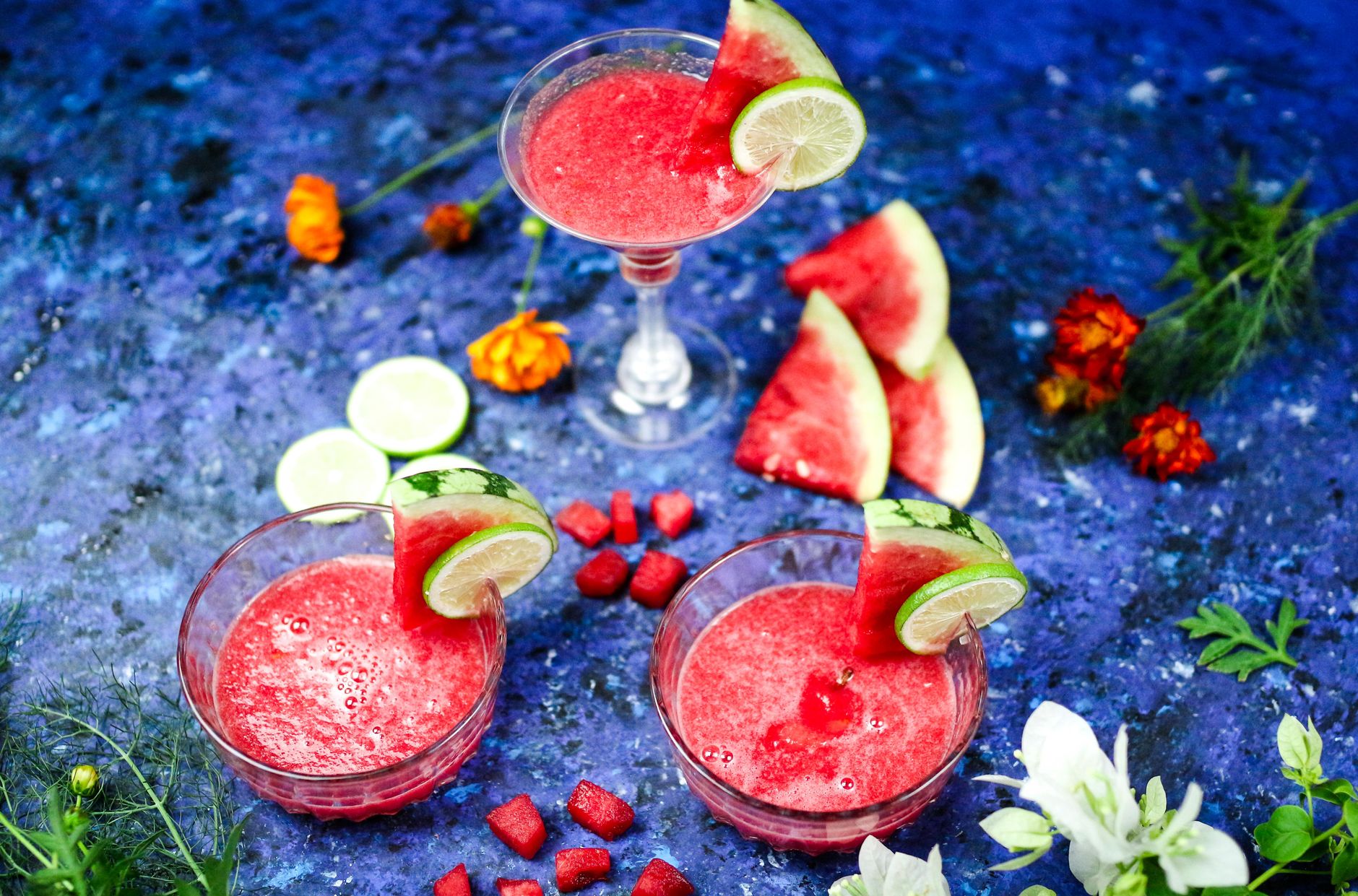
If you live in a severe climate—whether you are facing a brutal Queensland summer or a sweltering Florida heatwave—watermelon is your secret weapon. Seedless watermelon is roughly 92% water, making it an absolute hydration powerhouse.
Heat-induced irritability is a massive trigger for dog bites and leash reactivity. When a dog is hot, their patience drops to zero.
By keeping cubed, seedless watermelon in your refrigerator, you can rapidly lower your dog's core body temperature after a walk. You must explicitly ensure the watermelon is 100% seedless and that you completely remove the tough green rind, which can cause severe intestinal blockages.
Pro-Tip: The "Watermelon Slush" Decompression Protocol
Do not just hand them a cube of watermelon. Take two cups of seedless watermelon and blend it with a splash of dog-safe bone broth. Pour this liquid into a lick mat or a rubber Kong toy and freeze it solid. When you leave for work, hand this frozen slush to your dog. The intense, 30-minute licking required to consume it releases massive amounts of endorphins, naturally sedating an anxious dog.
3. Apples (The Natural Toothbrush)
Apples are a fantastic, high-fiber crunch that dogs absolutely love. The firm texture of a crisp apple slice requires active mastication, which provides deep psychological satisfaction for a predator that naturally wants to chew.
Here is a piece of advanced Information Gain that most standard training blogs miss: the malic acid naturally found in apples actively stimulates a dog's saliva production. If your dog suffers from terrible breath, a few slices of apple will naturally flush the plaque-causing bacteria from their gumline.
However, you must be incredibly meticulous when preparing apples. You must completely core the apple and remove every single seed. Apple seeds contain amygdalin, a compound that degrades into cyanide when chewed and digested.
4. Bananas (The High-Value Negotiation Tool)
Bananas are the ultimate high-value jackpot. They are incredibly rich in potassium, vitamins, and biotin. Because they are higher in sugar than berries, they should be used sparingly, but their soft texture makes them a behavioral goldmine.
If you are training a dog with missing dentition (like an older rescue or a brachycephalic breed like a Frenchie), hard training biscuits are physically uncomfortable for them to chew. Mashed banana requires zero chewing effort.
I frequently use pureed bananas squeezed from a silicone travel tube to teach the "Heel" command outdoors. The dog can continuously lick the tip of the tube while walking by your side, maintaining unbroken eye contact without ever needing to stop and chew.
What Fruits Are Toxic to Dogs?
You must memorize the danger list. While the fruits above are fantastic, certain fruits will trigger a fatal veterinary emergency.
Strictly Banned Fruits:
- Grapes and Raisins: These are highly toxic and can cause sudden, irreversible acute kidney failure in dogs. Even a single grape can be lethal to a small breed.
- Avocados: They contain a fungicidal toxin called persin. While mildly toxic to dogs, the massive pit is a lethal choking and bowel obstruction hazard.
- Cherries: The fleshy part around the seed is safe, but the pits, stems, and leaves contain high levels of cyanide.
Pro-Tip: Beating "Texture Fatigue" Outdoors
If your dog normally loves fresh blueberries indoors but spits them out at the dog park, they are experiencing texture fatigue. When a dog's adrenaline spikes outdoors, they often reject wet or slippery textures. To fix this, buy freeze-dried blueberries or apples. The intense, crunchy texture is much more appealing to a highly aroused nervous system.
How to Use Fruits for Behavioral Modification
You cannot just dump a bowl of fruit on the floor and expect a well-behaved dog. You must use the fruit strategically to reinforce the exact behaviors you want to see.
If your dog suffers from severe separation anxiety, do not use fruit as a free snack. Reserve their favorite fruit (like frozen banana slices) exclusively for the moment you touch the front doorknob to leave the house.
By pairing the scary event (you leaving) with the ultimate jackpot (the fruit), you slowly utilize classical counter-conditioning. Eventually, their brain begins to view your departure as a highly positive, delicious event rather than an abandonment crisis.
Will Fruit Give My Dog Diarrhea?
If you introduce fruit too quickly, yes. A dog's gut microbiome is highly customized to the exact macroscopic breakdown of the food they eat every day.
If they have eaten nothing but dry brown kibble for three years, their stomach simply does not possess the correct enzyme ratios to instantly break down a massive bowl of fresh watermelon. You must introduce fruit at a glacial pace. Start with exactly two blueberries or one thin slice of apple per day, monitoring their stool for 48 hours before increasing the dosage.
What to Do Next to Upgrade Your Dog's Treat Pouch
You now possess the insider, biological knowledge to completely overhaul how you reward your dog. Stop relying on expensive, highly processed junk food, and start using the natural, hydrating power of fresh produce.
Your Actionable Next Steps:
- Audit the Treat Pantry: Walk to your kitchen and throw away any commercial dog treats where corn syrup, artificial dyes (like Red 40), or unnamed "meat by-products" are listed in the top three ingredients.
- Prep the Kongs: Buy a seedless watermelon tonight. Cube it, remove the rind completely, and freeze the chunks inside your dog's rubber puzzle toys to prepare for tomorrow's departure routine.
- Start Scatter Feeding: Tomorrow morning, skip the food bowl. Take a handful of fresh blueberries and their daily kibble, and scatter it widely across your backyard grass to force them to use their nose and burn mental energy.
By respecting their biological limits and upgrading your training currency, you will finally unlock the calm, focused, and deeply loyal companion you always knew they could be.
Disclaimer: This article is for informational purposes only and does not constitute veterinary medical advice. Always consult with a licensed veterinarian before altering your pet's diet, introducing new foods, or addressing sudden health concerns.