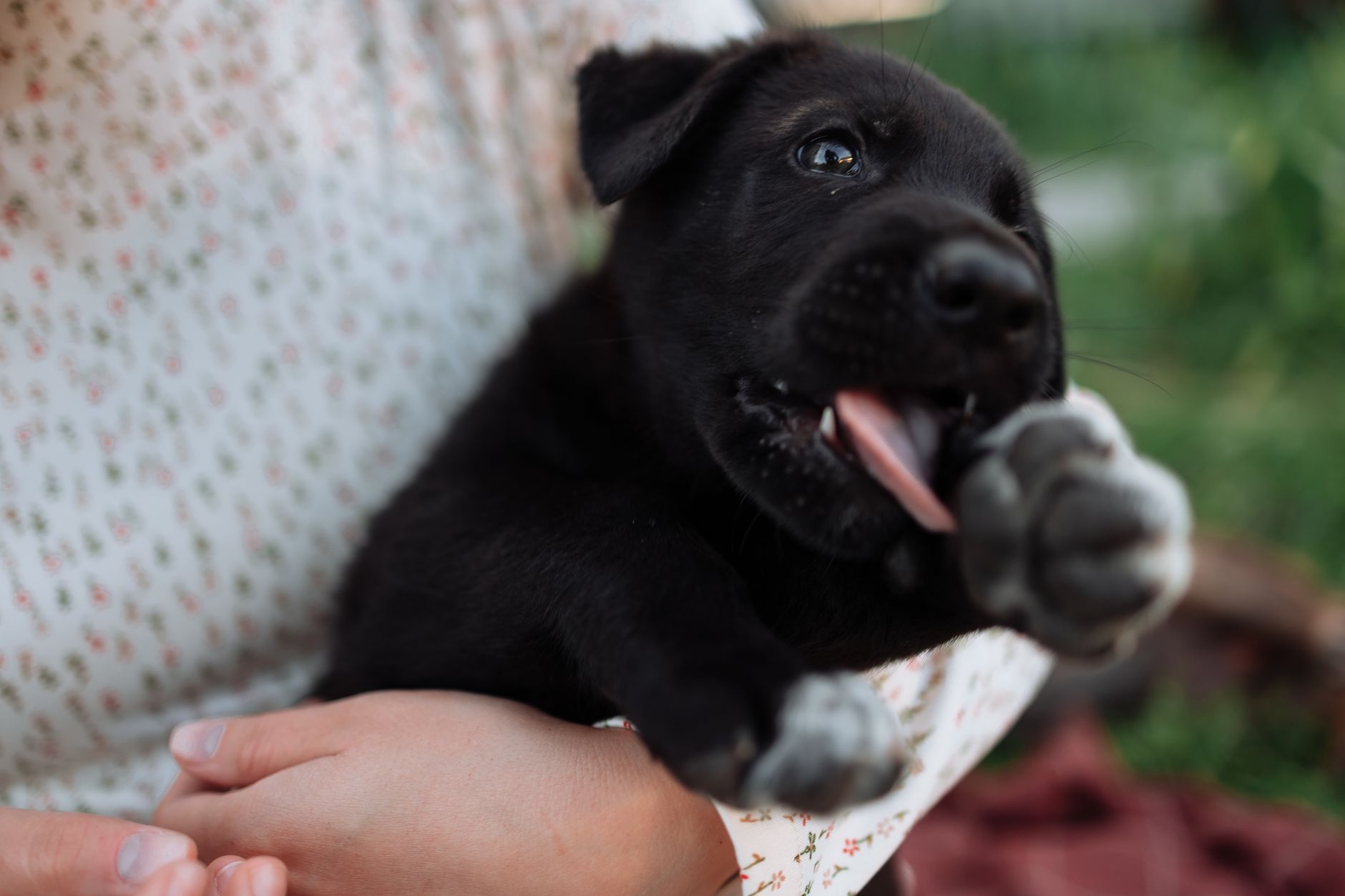
How to Stop Puppy Biting Fast: The "Reverse Time-Out" Protocol and Hidden Sleep Rules
The honeymoon phase ends the exact second a tiny puppy sinks razor-sharp teeth directly into a bare ankle. Walking across the kitchen floor becomes terrifying, and the constant, painful nipping quickly ruins the joy of raising a young dog.
The absolute fastest way to stop puppy biting is completely abandoning the outdated advice to "yelp like a littermate" and instead utilizing a strict three-second reverse time-out. To successfully curb the biting, owners must also enforce mandatory, structured naps to prevent cortisol-fueled tantrums and offer biologically appropriate chewing outlets. True behavioral change requires stopping the unintentional rewards immediately.

To instantly visualize the core pillars of curbing this painful behavior, here is a quick overview mind map.
🧠 Overview Mind Map: The Puppy Biting Matrix
- The Root Cause: Teething pain, extreme overtiredness, and deep genetic prey drive.
- The Failed Tactic: High-pitched yelping (which actively excites the dog).
- The Primary Solution: The Reverse Time-Out (removing human attention instantly).
- The Biological Need: 18 to 20 hours of unbroken sleep every single day.
- The Safe Outlet: Heavy-duty flirt poles and braided fleece toys.
Advanced Insight #1: The "Yelp" Myth
Traditional obedience manuals heavily instruct owners to emit a loud, high-pitched yelp when a puppy bites. The theory assumes this mimics a littermate crying in pain, signaling the dog to back off politely. In reality, this outdated tactic drastically backfires with modern, high-drive canine breeds.
A sudden, high-pitched human squeal sounds exactly like a dying rabbit or a highly interactive squeaky plush toy. Instead of feeling empathy, the puppy's deep biological prey drive is instantly activated by the noise. The dog simply bites harder, faster, and with significantly more excitement because the human has suddenly become a thrilling game.
🚨 Vet Fact: Puppy deciduous teeth (baby teeth) are completely unrooted and begin falling out around 12 to 16 weeks of age. The intense, chronic pain of adult molars erupting through the gumline drives a massive biological urge to gnaw on anything hard, including human fingers and wooden furniture.
The "Reverse Time-Out" Execution
To extinguish this painful behavior effectively, all human attention must completely vanish the exact millisecond teeth touch human skin. Dogs repeat behaviors that are highly rewarding, and to a young puppy, negative attention is still thrilling attention. Shouting, pushing the dog away, or holding their snout shut simply looks like a fun, highly physical wrestling match.
Instead, utilize the strict "Reverse Time-Out" method immediately. When the bite happens, stand up in absolute silence, cross your arms, and completely turn your back on the puppy. If the puppy continues to aggressively nip at the ankles, quietly step entirely over a baby gate or step into a different room and shut the door for exactly five seconds.
This abrupt withdrawal of play teaches the dog an incredibly black-and-white rule without any intimidation. Teeth on human skin makes the fun, interactive human instantly disappear.
The Suburban Golden Retriever Case Study
Consider a twelve-week-old Golden Retriever living in a bustling suburban household in New Jersey. The young children were constantly running from the puppy, squealing loudly whenever the dog playfully nipped their heels in the hallway. The Golden Retriever viewed the screaming children as the ultimate moving targets, relentlessly chasing and biting them every single afternoon.

The parents intervened by implementing a strict "freeze and fold" rule for the entire family. The exact moment the puppy's teeth made contact, the children immediately stopped moving, folded their arms, and stared silently at the ceiling. Deprived of the chaotic movement and high-pitched squealing, the Golden Retriever completely lost interest and voluntarily sat down within exactly four days.
🐾 Snoutbit Pro-Tip: Keep a lightweight, six-foot indoor drag leash attached to the puppy's flat collar whenever they are actively roaming the living room. If a severe biting tantrum starts, simply step on the end of the leash to safely restrict their movement without ever needing to physically grab a thrashing puppy.
Advanced Insight #2: The Hidden Sleep Deprivation Crisis
The absolute most common cause of relentless, aggressive puppy biting is severe, entirely unrecognized sleep deprivation. A growing canine infant requires a staggering 18 to 20 hours of sleep every single day for proper neurological development. Most modern, busy households simply do not allow a puppy to rest completely uninterrupted for this massive amount of time.
When a puppy is kept awake by constant household foot traffic or continuous playtime, their fragile nervous system crashes completely. This extreme exhaustion triggers a massive spike in cortisol and adrenaline, turning a sweet puppy into an unrecognizable, biting terror. This phenomenon is commonly known as the evening "witching hour," typically striking right around sunset.
Enforcing a strict, mandatory nap schedule is entirely non-negotiable for preserving human skin. For every single hour the puppy is awake and highly active, they must be placed in a dark, quiet, covered crate for two full hours of mandatory sleep.
Advanced Insight #3: The Legal Biting Outlet
Telling a teething puppy to simply "stop biting" entirely is biologically impossible and incredibly unfair. Puppies actively explore the entire physical world through their mouths, and their inflamed gums require constant, heavy friction for medical relief. The secret to success is strictly forbidding human flesh while proactively providing high-value "legal" biting outlets.
Elite behaviorists use flirt poles to safely channel this intense, genetically driven biting energy. A flirt pole is essentially a giant cat wand for dogs, featuring a long stick, a heavy bungee cord, and a durable lure at the very end. Dragging the lure rapidly along the grass allows the puppy to chase, pounce, and bite with absolute ferocity while keeping their razor-sharp teeth six feet away from human hands.
🚨 Vet Fact: Never offer a young puppy ice cubes to soothe inflamed, teething gums. Solid ice cubes are entirely too hard and will easily fracture the fragile enamel of their baby teeth, requiring an expensive, highly painful surgical extraction.
The Texas Blue Heeler Diversion
A family in rural Texas adopted a highly energetic Australian Blue Heeler with a massive work drive. Bred specifically to nip the heels of stubborn cattle, the puppy relentlessly attacked the owner's heavy work boots and shins every time they walked across the yard. Basic redirection with boring, hard nylon bones failed completely because the stationary bones did not satisfy the dog's deep genetic urge to herd a moving target.
The owners completely changed their redirection strategy to perfectly match the dog's intense working genetics. They purchased a heavy-duty flirt pole and kept it permanently stationed right by the back patio door. The precise second the Heeler locked eyes on an ankle, the owner instantly dragged the flirt pole lure across the lawn.
This provided a significantly more thrilling, fast-moving target for the puppy to safely capture and destroy. The ankle-biting stopped completely once the puppy received a proper biological outlet for their herding frustration.
Creating the Proactive Redirection Routine
Timing is the absolute most critical factor when redirecting a biting puppy away from human skin. Waving a toy in the puppy's face after they have already bitten an arm simply rewards the violent bite with a fun game of tug. The human handler must anticipate the incoming bite and offer the legal toy a split second before the teeth ever make contact.

Always keep large, soft, braided fleece toys stuffed tightly into back pockets or tucked into waistbands while walking around the house. These specific braided textures are highly satisfying for teething puppies to sink their sore teeth into safely. When the puppy approaches with wild eyes and an open mouth, proactively shove the fleece toy directly into their jaws.
This seamlessly transitions the inappropriate flesh-biting into an acceptable, highly rewarding game of tug-of-war. The puppy successfully burns off the physical frustration, and the human remains entirely bite-free.
What To Do Next
- Implement the 1-to-2 Schedule: Audit the puppy's exact sleep schedule starting today. For every one hour the puppy is actively playing or training outside the crate, enforce exactly two hours of uninterrupted, quiet sleep inside a covered kennel.
- Set Up Safety Stations: Purchase three soft, long fleece tug toys and stash them in strategic locations around the house, like the living room sofa and the kitchen counter. This ensures a legal biting outlet is always within arm's reach before a sharp-toothed attack occurs.
Disclaimer: The content on Snoutbit.com is for informational and educational purposes only and is not intended to replace professional veterinary advice, diagnosis, or treatment. Always consult with your veterinarian before making significant changes to your dog’s diet, exercise routine, or health regimen.

