Behavioral Training For Dogs: How To Permanently Rewire Bad Habits
Sharing a home with an out-of-control dog completely destroys household peace. The constant dread of a leash-pulling incident, relentless barking, or destructive chewing forces dedicated pet parents into deep isolation and anxiety. The absolute fastest solution to this nightmare is investing in professional behavioral training for dogs.

Unlike standard obedience, behavioral training targets the root emotional cause of the bad habit, completely changing how the dog feels about a specific trigger. The biggest takeaway is that utilizing strict environmental management and reward-based counter-conditioning permanently stops the chaos. This specific approach effortlessly transforms a terrified, reactive pet into a calm, confident companion.
Canine Behavioral Modification: Overview Mind Map
- Core Objective: Altering the underlying emotional response to intense environmental triggers.
- Basic Obedience vs. Behavior: Obedience strictly teaches actions (sit, heel); behavioral training fixes raw emotions (separation panic, resource guarding).
- Crucial Interventions: Systematic desensitization, high-value counter-conditioning, and strict avoidance of daily triggers.
- Dangerous Myths: "Alpha rolling" cures severe aggression, or letting a dog "cry it out" fixes isolation distress.
Why does basic obedience fail to fix severe reactivity?
Many owners waste thousands of dollars hiring basic obedience trainers to fix deep-seated psychological trauma. Teaching an anxious dog to perfectly execute a "heel" command does absolutely nothing to cure their profound fear of passing semi-trucks. The dog is simply performing a mechanical trick while still internally panicking.
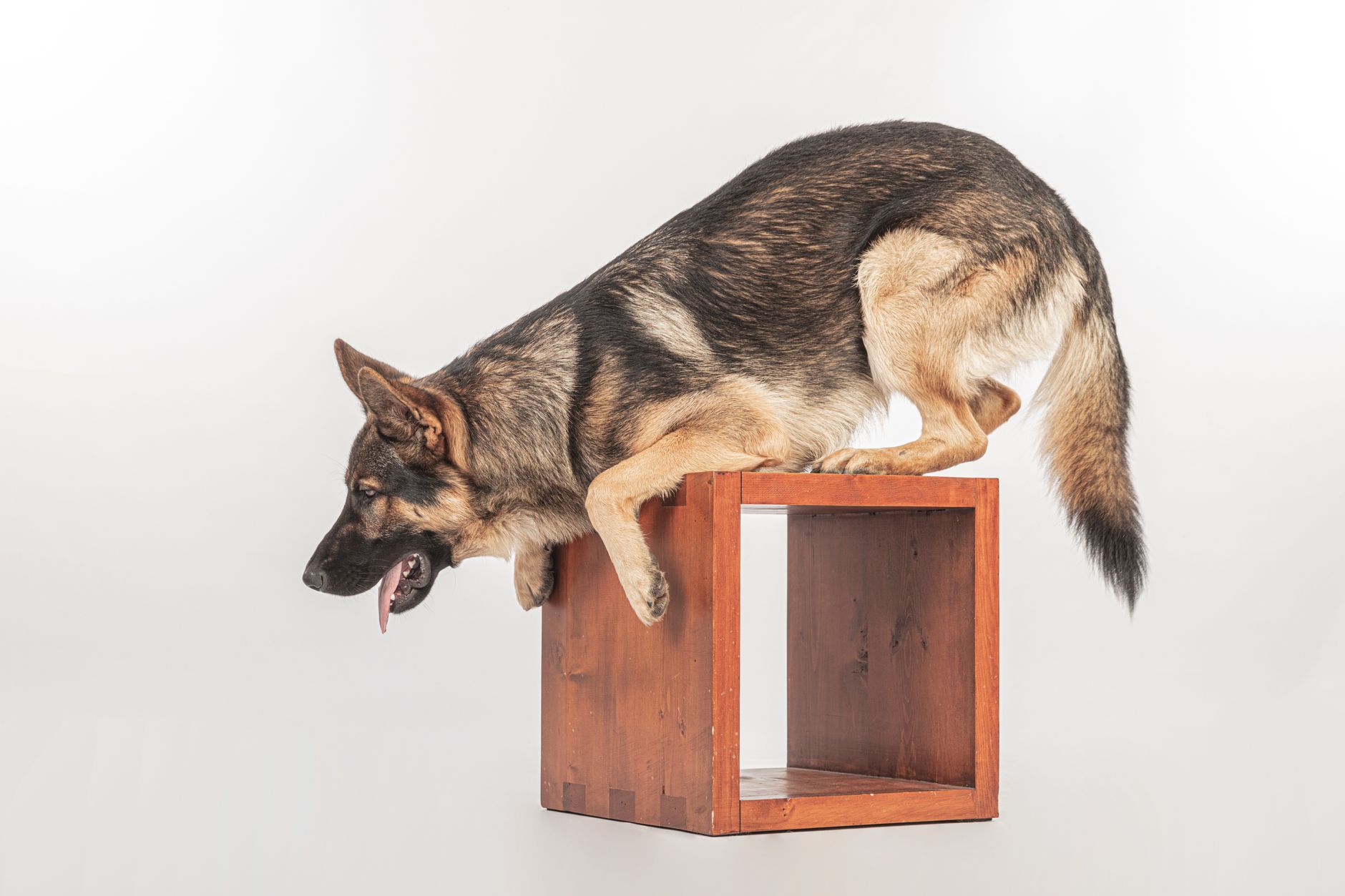
Behavioral training for dogs operates on an entirely different psychological level. It actively acknowledges that a lunging dog is not trying to be dominant; the animal is experiencing a severe biological fight-or-flight response. Fixing this terror requires physically lowering the dog's internal heart rate before any actual cognitive learning can take place.
🚨 Vet Fact: Dogs experiencing clinical fear aggression suffer from a massive flood of adrenaline, completely shutting down the prefrontal cortex where logical learning occurs. Attempting to teach a new command while a dog is actively panicking is biologically impossible.
Advanced Insight 1: The 72-Hour Cortisol Detox
Generic internet advice frequently labels dogs as completely unpredictable or stubbornly defiant. This dangerous myth completely ignores the invisible biological phenomenon known as trigger stacking. When a dog experiences multiple stressful events back-to-back, their delicate nervous system becomes entirely overwhelmed.
A powerful stress hormone called cortisol instantly floods the canine bloodstream during a terrifying encounter. What most traditional trainers fail to mention is that cortisol takes a full seventy-two hours to completely dissipate from the dog's body. Attempting another highly stimulating neighborhood walk the very next day guarantees a violent, reactive explosion.
Following any massive behavioral meltdown, a strict three-day cortisol detox is absolutely mandatory. Completely halt all stressful neighborhood walks and provide all meals entirely through frozen puzzle toys. Keeping the dog in a dark, quiet room allows their fried nervous system to fully reset and chemically stabilize.
Real-World Application: The Shelter Trauma Response
Consider a highly traumatized rescue Pitbull in Chicago that violently lunged at tall men wearing hats. The original owners tried forcing the dog to sit near strangers, which only escalated the severe barking and snapping. The dog was constantly trigger-stacked, living in a permanent state of high-alert defense.
A professional behavioral consultant stepped in and immediately halted all public outings. They instituted a massive distance protocol, heavily rewarding the dog with roasted chicken for simply looking at a man from an entire football field away. By strictly keeping the dog below their emotional threshold, the deep-seated fear was slowly extinguished without a single physical correction.
🐾 Snoutbit Pro-Tip: Buy a cheap, high-definition indoor camera to meticulously monitor dogs suffering from separation distress. Recognizing the exact minute the pacing or excessive drooling begins allows for highly targeted, precise desensitization training before full panic sets in.
Advanced Insight 2: Weaponizing The Premack Principle
Most owners make the catastrophic mistake of relying entirely on visual food bribes to stop bad behavior. When the meat treats disappear from the hand, the dog instantly reverts to ignoring commands and pulling toward heavy distractions. Elite behavioral consultants utilize a highly advanced psychological concept called the Premack Principle to fix this flaw.
This specific principle dictates that a highly probable behavior can be successfully used to reinforce a much less probable behavior. Instead of relying strictly on pieces of cheese, the surrounding physical environment itself becomes the ultimate training reward. The handler completely controls access to the things the dog desperately wants.
If a high-energy dog desperately wants to sprint through the front door, the handler demands a flawless, calm "sit" first. The ultimate reward for the boring "sit" command is the immediate release to sprint outside and explore the yard. This effortlessly teaches the dog that polite, calm behavior is the absolute only key to unlocking the fun parts of the world.
Advanced Insight 3: The Spatial Pressure Consent Test
Millions of devastating dog bites happen directly inside the home because humans constantly force physical affection onto highly uncomfortable animals. Dogs are highly spatial creatures that deeply value their own bodily autonomy. Forcing a tight hug onto a dog that is physically trapped in a corner frequently triggers a defensive, terrified bite.
Elite behavioral training teaches the "Canine Consent Test" to completely prevent these dangerous household bites. To properly perform the test, invite the dog into personal space rather than aggressively invading theirs. Extend a relaxed hand, gently pet the dog on the chest for exactly three seconds, and then completely pull the hand away.

If the dog leans in, nudges the empty hand, or actively demands more petting, explicit consent has been officially granted. If the dog looks away, licks their lips, or simply stands perfectly still, they are politely requesting space. Respecting this incredibly subtle canine communication builds unbreakable mutual trust and prevents severe resource guarding from rapidly escalating.
🚨 Vet Fact: Punishing a dog for growling is a catastrophic behavioral mistake that ruins canine trust. A growl is a dog's healthy, vital early warning system; suppressing it physically creates a terrifying animal that bites without making a single sound.
Real-World Application: The Destructive Chewer
Take the reality of an adolescent Kelpie in Texas that developed a severe obsession with destroying expensive living room furniture. The owners constantly scolded the dog, but the destructive chewing only worsened the moment the dog was left entirely alone. The dog was simply chronically under-stimulated and using the physical act of chewing to release highly calming endorphins into the bloodstream.
Instead of endlessly punishing the dog, the owners fundamentally changed the physical environment. They entirely blocked access to the living room with sturdy gates and provided heavy-duty, frozen marrow bones inside a secure playpen. By smoothly redirecting the intense biological need to chew onto highly appropriate, safe objects, the furniture destruction completely stopped within days.
Why mechanical timing completely dictates behavioral success
A high-value meat reward is entirely useless if the handler's mechanical timing is sloppy, rushed, or severely delayed. Dogs live entirely in the immediate present tense and possess incredibly short associative memory windows. If a treat arrives three seconds after they look away from a terrifying trigger, they have absolutely no idea what specific behavior earned the payment.
Utilizing a sharp, distinct marker word perfectly bridges that dangerous, confusing gap in time. The exact second the dog makes a calm choice, the handler must immediately say a crisp, enthusiastic "Yes!" or click a mechanical training clicker. This specific acoustic sound takes a psychological snapshot of the exact behavior, explicitly promising the dog that payment is on the way.
🐾 Snoutbit Pro-Tip: Never feed a dog their standard daily meals out of a metal bowl during intense behavioral rehabilitation phases. Measure out their exact kibble ration and use every single piece exclusively to heavily reward calm, polite behavior around the house.
What To Do Next
- Map Out The Triggers Today: Grab a physical notepad right now and meticulously write down every single daily scenario that causes the dog to growl, bark, or freeze in place. Immediately redesign the daily walking routine to ensure the dog never physically encounters those highly stressful triggers while awaiting a professional behavioral intervention.
- Establish A Clear Marker Word: Pick a short, highly distinct word like "Yes" or "Nice" to serve as the official behavioral training marker. Stand in the kitchen tonight and practice saying the word, immediately followed by dropping a high-value treat, ten times in a row to effectively "load" the sound directly into the canine brain.
Disclaimer: The content on Snoutbit.com is for informational and educational purposes only and is not intended to replace professional veterinary advice, diagnosis, or treatment. Always consult with your veterinarian before making significant changes to your dog’s diet, exercise routine, or health regimen.