Maltese Health Issues: 10 Common Problems, Symptoms & Treatments
Introduction
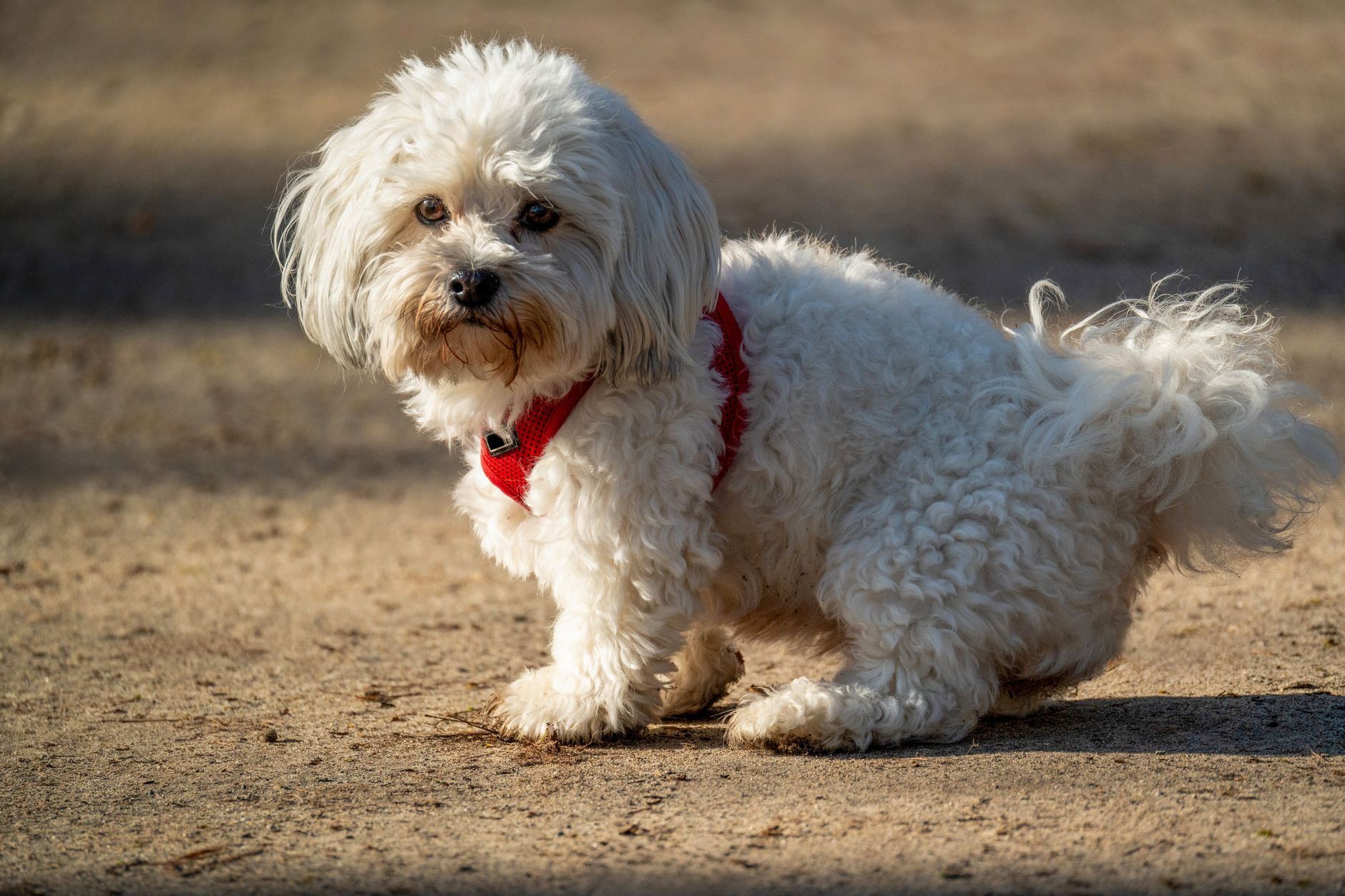
Maltese dogs are beloved for their charming personalities, petite size, and beautiful white coats. They are also known for their impressive longevity, ranking among the longest-living dog breeds. However, their tiny stature and genetic makeup predispose them to a range of health issues that every owner should be aware of. From orthopedic conditions like luxating patella to heart disease, respiratory challenges, and dental problems, Maltese can face a variety of breed-specific concerns.
Understanding these common Maltese health issues—their symptoms, diagnosis, and treatment—is crucial for providing the best possible care. Early detection often leads to better treatment options and improved long-term outcomes. In this article, we'll explore the ten most common health issues affecting Maltese, offering insights to help you keep your furry companion healthy and happy.
1. Luxating Patella: The Most Common Orthopedic Issue
Luxating patella, also known as a slipping kneecap, is the most common orthopedic condition in Maltese. This condition occurs when the kneecap (patella) moves out of its normal position in the groove of the femur. It can be caused by congenital factors or trauma, and it often leads to lameness, difficulty walking, and pain. More than half of dogs with this condition experience it in both knees.
Symptoms
- Skipping or hopping on one hind leg, especially after exercise
- Leg suddenly straightens out
- Signs of discomfort
- Arthritis development over time
Diagnosis
Veterinarians diagnose luxating patella through a physical examination, feeling for the kneecap's movement. X-rays may be taken to assess severity and rule out other conditions.
Treatment
Mild cases may be managed with rest, anti-inflammatory medications, and joint supplements. Severe cases often require surgery to deepen the groove and stabilize the kneecap. Early intervention can prevent further joint damage. If you notice any signs, consult your veterinarian promptly. For more on joint care, see Is Your Dog Hiding Joint Pain?.
2. Heart Disease: Mitral Valve Disease and Other Concerns
Mitral valve disease (MVD) is the most commonly diagnosed heart condition in adult and senior Maltese. This condition involves the degeneration of the mitral valve, which separates the left atrium and left ventricle. As the valve thickens and becomes less flexible, it can leak, causing blood to flow backward. Over time, this can lead to heart enlargement and heart failure.
Symptoms
- Coughing, especially at night
- Difficulty breathing
- Exercise intolerance
- Fainting
- Heart murmur (often the first sign detected by a veterinarian)
Diagnosis
Veterinarians diagnose MVD through a physical exam, listening for a heart murmur, and diagnostic imaging such as X-rays, echocardiograms, and electrocardiograms (ECGs).
Treatment
While MVD cannot be cured, it can be managed with medications that reduce the heart's workload and control symptoms. These may include diuretics, ACE inhibitors, and inotropes. Regular veterinary check-ups are essential. Early detection and management can significantly improve a dog's quality of life and lifespan. For related symptoms, see The Silent Alarm: Why Is My Dog Breathing Fast Causes And Symptoms Revealed.
3. Collapsing Trachea: Respiratory Challenges in Toy Breeds
Collapsing trachea is a common respiratory condition in Maltese and other toy breeds, typically developing in middle-aged or older dogs. The trachea, or windpipe, is made of cartilage rings that can weaken and collapse, obstructing airflow. This condition can be triggered by excitement, exercise, or even pulling on a leash.
Symptoms
- Honking cough, often described as sounding like a goose
- Difficulty breathing
- Wheezing
- Exercise intolerance
- Symptoms may worsen with heat, humidity, or stress
Diagnosis
Veterinarians diagnose collapsing trachea through a physical exam, listening to the dog's breathing, and imaging such as X-rays or fluoroscopy. In some cases, a tracheoscopy may be performed.
Treatment
Management focuses on reducing triggers and controlling symptoms. This may include weight management, avoiding collars (using harnesses instead), and medications such as cough suppressants, bronchodilators, and anti-inflammatories. In severe cases, surgery may be considered. Keeping your Maltese calm and avoiding excessive exertion can help. For similar symptoms, see The Terrifying "Goose Honk": What Causes Reverse Sneezing And How To Stop It.
4. White Dog Shaker Syndrome: Neurological Tremors
White Dog Shaker Syndrome is a neurological disorder most commonly seen in small white dog breeds, including Maltese. Symptoms typically appear between 6 months and 3 years of age. The condition is characterized by generalized tremors that can affect the entire body, making it difficult for the dog to stand or walk steadily.
Symptoms
- Mild to severe tremors
- Tremors increase with excitement or stress
- May decrease during rest
- Rapid eye movements (nystagmus) or head tilting
Diagnosis
Diagnosis is based on clinical signs and ruling out other causes of tremors, such as toxins, infections, or other neurological disorders. There is no specific test; it is often a diagnosis of exclusion.
Treatment
White Dog Shaker Syndrome often responds well to corticosteroids. Treatment typically involves a course of prednisone, which can significantly reduce or eliminate tremors. In some cases, other immunosuppressive drugs may be used. With appropriate treatment, most dogs recover fully.
5. Liver Problems: Portosystemic Shunt and Other Conditions
Maltese are predisposed to a congenital liver disorder called portosystemic shunt (PSS), also known as a liver shunt. This condition occurs when blood vessels bypass the liver, preventing the liver from properly filtering toxins from the blood. As a result, toxins build up in the bloodstream.
Symptoms
- Poor growth
- Vomiting
- Diarrhea
- Lethargy
- Disorientation
- Seizures
- Symptoms may appear after eating a meal high in protein
- Dull coat or behavioral changes
Diagnosis
Veterinarians diagnose PSS through blood tests, bile acid tests, and imaging studies such as ultrasound or CT scans.
Treatment
Treatment options include medical management with a low-protein diet and medications to reduce toxin absorption, as well as surgical correction of the shunt. Surgery can be curative in many cases, but not all shunts are operable. Early detection is critical.
6. Allergies & Ear Infections: Managing Sensitivities
Allergies and ear infections are common in Maltese. Allergies can be triggered by food, environmental factors (such as pollen, dust, or mold), or contact with certain substances. Ear infections often occur secondary to allergies, as the inflammation creates an ideal environment for yeast or bacteria to grow.
Symptoms
- Itching, redness, hair loss, and recurrent skin infections
- Head shaking, scratching at the ears, redness, odor, and discharge
Diagnosis
Veterinarians diagnose allergies through a combination of history, physical examination, and allergy testing (blood or skin tests). Ear infections are diagnosed by examining the ear canal and taking samples for cytology or culture.
Treatment
Treatment for allergies may include antihistamines, steroids, hypoallergenic diets, and immunotherapy. Ear infections are treated with topical or oral medications, including antibiotics and antifungals. Regular cleaning of the ears and keeping them dry can help prevent infections. For more, see Why Is My Dog Scratching Constantly? and How to Spot and Clean Dog Ear Yeast Infections?.
7. Hypoglycemia: Low Blood Sugar in Small Dogs
Hypoglycemia is a health issue that affects Maltese, particularly puppies and small adults. It occurs when blood sugar levels drop dangerously low, which can happen due to missed meals, excessive exercise, or underlying health conditions. Because Maltese are tiny, they have limited glycogen stores and can quickly become hypoglycemic.
Symptoms
- Weakness
- Lethargy
- Trembling
- Disorientation
- Seizures or coma in severe cases
Diagnosis
Veterinarians diagnose hypoglycemia by measuring blood glucose levels. A reading below 60 mg/dL is typically considered low.
Treatment
Mild cases can be treated by feeding a small meal or administering a sugar solution (like honey or corn syrup) on the gums. Severe cases require immediate veterinary care with intravenous glucose. Preventing hypoglycemia involves feeding small, frequent meals and avoiding prolonged exercise without food.
8. Gastrointestinal Issues: Digestive Health
Gastrointestinal issues are among the common health problems in Maltese. These can include vomiting, diarrhea, constipation, and inflammatory bowel disease. Maltese may be sensitive to certain foods or have food allergies that trigger digestive upset.
Symptoms
- Vomiting
- Diarrhea
- Loss of appetite
- Weight loss
- Abdominal pain
Diagnosis
Veterinarians diagnose GI issues through physical examination, fecal tests, blood work, and imaging. In some cases, endoscopy or biopsy may be needed.
Treatment
Treatment depends on the cause and may include dietary changes, medications (such as anti-nausea drugs, antibiotics, or probiotics), and managing underlying conditions. A bland diet or prescription food may be recommended. For related issues, see Why Is My Dog Throwing Up Yellow Bile? and Stop the Scratching: The Hidden Secret Behind Dogs, Gut Health & Probiotics.
9. Hypothyroidism: Thyroid Function
Hypothyroidism is a health issue seen in Maltese. It occurs when the thyroid gland doesn't produce enough thyroid hormone, slowing down metabolism. This condition is more common in middle-aged to older dogs.
Symptoms
- Weight gain
- Lethargy
- Cold intolerance
- Dry skin
- Hair loss
- Recurring skin infections
- Slow heart rate
Diagnosis
Veterinarians diagnose hypothyroidism through blood tests that measure thyroid hormone levels (T4 and TSH).
Treatment
Treatment involves daily supplementation with synthetic thyroid hormone (levothyroxine). With proper medication, symptoms usually resolve, and dogs can lead normal lives. Regular monitoring is needed to adjust the dose.
10. Dental Disease: Oral Health Care
Dental disease is a common health problem in Maltese. Their small mouths and crowded teeth make them prone to plaque and tartar buildup, which can lead to periodontal disease. If left untreated, dental disease can cause pain, tooth loss, and even systemic infections affecting the heart, liver, and kidneys.
Symptoms
- Bad breath
- Red or swollen gums
- Tartar buildup
- Difficulty eating
- Loose teeth
- Pawing at the mouth or drooling excessively
Diagnosis
Veterinarians diagnose dental disease through a visual examination of the mouth and teeth. Dental X-rays may be needed to assess the roots and bone loss.
Treatment
Treatment involves professional dental cleaning under anesthesia, which may include scaling, polishing, and extractions if necessary. Home care, such as brushing your dog's teeth regularly and providing dental chews, is essential for prevention. For more, see The Stinky Breath Fix: Does Dog Dental Powder Actually Work? and Are Raw Bones Safe For Dogs?.
Conclusion
Maltese dogs bring immense joy to their owners, and with proper care, they can live long, healthy lives. Being aware of these common health issues—luxating patella, mitral valve disease, collapsing trachea, White Dog Shaker Syndrome, portosystemic shunt, allergies, ear infections, hypoglycemia, gastrointestinal issues, hypothyroidism, and dental disease—empowers you to take proactive steps. Early detection of health conditions often leads to better treatment options and improved long-term outcomes. Regular veterinary check-ups, a balanced diet, and attentive observation of your dog's behavior are key. Additionally, pet insurance can help cover the cost of unexpected veterinary care for breed-related conditions, providing peace of mind. By staying informed and working closely with your veterinarian, you can help your Maltese companion thrive for years to come. For more on longevity, see Can Science Help Dogs Live Longer And Healthier Lives?.
Source: Canine Journal