Does Collagen for Dogs Actually Work? The Ultimate Joint & Coat Guide
Watching a once-agile dog hesitate before jumping onto the couch is incredibly painful to witness. The endless cycle of prescribing harsh painkillers or buying expensive, ineffective pet store treats leaves owners frustrated and dogs still suffering from stiff, aching joints. The definitive solution is aggressively supplementing the canine diet with high-quality, hydrolyzed collagen peptides.

The biggest takeaway is that collagen directly addresses the biological root cause of joint degradation rather than just temporarily masking the physical pain. Providing a daily dose of premium collagen actively rebuilds the damaged cartilage matrix, drastically improves skin elasticity, and tightens the sensitive intestinal lining. It offers an incredibly safe, natural pathway to restoring a dog's youthful mobility and vibrant coat health.
Canine Collagen: Overview Mind Map
- Core Biological Function: Acts as the primary structural scaffold for cartilage, tendons, ligaments, and the epidermal skin layer.
- Primary Benefits: Increases daily joint lubrication, thickens brittle coats, and successfully repairs gastrointestinal permeability (leaky gut syndrome).
- Critical Cofactors: Strictly requires Vitamin C for the canine body to successfully synthesize and absorb the heavy peptide structures.
- Best Dietary Sources: Slow-simmered bone broth, dehydrated beef trachea, raw eggshell membrane, and pure hydrolyzed powder supplements.
What does collagen actually do for a dog's joints?
Cartilage operates exactly like a biological shock absorber between a dog's incredibly heavy bones. As dogs age, their natural production of collagen violently plummets, causing that smooth cartilage to dry out and aggressively grind together. This painful, daily bone-on-bone friction is the exact clinical definition of severe canine osteoarthritis.
Feeding a daily collagen supplement directly floods the dog's bloodstream with specific, vital amino acids like glycine and proline. These amino acids travel directly to the highly inflamed joints, signaling the body to rapidly produce new, healthy connective tissue. This naturally thickens the synovial fluid, creating a heavily lubricated cushion that drastically reduces daily physical pain and stiffness.
Consider a rescued ten-year-old Boxer in Chicago that could barely stand up on slippery hardwood floors due to severe hip dysplasia. Standard joint chews did absolutely nothing to relieve the dog's agonizing morning stiffness. Within six weeks of strictly adding a hydrolyzed bovine collagen powder to the dog's meals, the dog was comfortably navigating the stairs and initiating playful runs again.
🚨 Vet Fact: Cartilage is physically composed of roughly sixty percent Type II collagen. When a dog suffers from severe joint pain, standard glucosamine supplements are highly ineffective unless paired directly with a robust collagen matrix to successfully rebuild the structural tissue.
Is marine collagen better than bovine collagen for dogs?
The pet supplement aisle is flooded with highly confusing terminology regarding the original source of the protein. Bovine (beef) collagen is exceptionally rich in Type I and Type III collagen, making it the absolute gold standard for supporting heavy canine bone density. It provides the exact structural building blocks required for heavy, deep-chested breeds like Rottweilers and Mastiffs to maintain strong, injury-free limbs.
Marine (fish) collagen primarily consists of Type I collagen and absorbs into the canine bloodstream significantly faster due to its microscopic peptide size. This makes marine sources incredibly effective for dogs suffering from severe, acute skin allergies or chronic, brittle claws. However, dogs with known seafood sensitivities must strictly avoid marine supplements to prevent massive gastrointestinal flare-ups.
How does collagen repair a dog's skin and coat?
The canine epidermis relies entirely on a thick, healthy layer of collagen to maintain structural elasticity and retain vital cellular moisture. When natural collagen production slows, the skin barrier becomes incredibly thin, dry, and highly susceptible to harsh environmental allergens. This compromised dermal barrier directly causes intense, chronic itching and heavy, seasonal shedding inside the home.
Supplementing with oral collagen actively forces hydration back into the absolute deepest layers of the dermis. This intense internal hydration completely stops the relentless cycle of dry, flaking skin that covers the living room furniture. As the hair follicles receive this massive influx of healing amino acids, the dog quickly develops a brilliantly shiny, deeply saturated coat.
🐾 Snoutbit Pro-Tip: Do not apply topical human collagen lotions directly to a dog's itchy skin or paws. The molecular structure of these cosmetic creams is far too large to penetrate the canine epidermis, and the dog will simply lick off the toxic, synthetic perfumes.
Can collagen help dogs with leaky gut syndrome?
Here is a critical, advanced biological insight rarely discussed in generic pet forums: collagen is the ultimate canine gut healer. Chronic diarrhea and severe food allergies are frequently caused by "leaky gut," a condition where the intestinal wall develops microscopic, dangerous holes. These tiny tears allow undigested food particles and toxic bacteria to leak directly into the dog's bloodstream, triggering massive immune system panic.
The specific amino acid profile found in collagen, particularly glutamine, acts exactly like biological spackle for the canine digestive tract. It actively seals and repairs the damaged cellular junctions lining the dog's sensitive intestines. By rapidly rebuilding this vital mucosal barrier, collagen permanently halts chronic digestive distress and allows the dog to properly absorb essential dietary nutrients.
Why do standard joint supplements fail without collagen?
Millions of dollars are wasted annually on basic glucosamine and chondroitin chews that deliver zero noticeable mobility improvements for senior dogs. These basic compounds function primarily to draw vital water into the joint capsule for temporary, minor lubrication. However, if the joint's actual structural collagen matrix is completely destroyed, there is absolutely nowhere for that water to be successfully held.
Think of collagen as the sturdy wooden frame of a house, while glucosamine is simply the fresh paint on the walls. Painting a crumbling, rotting wooden frame will never actually fix the structural integrity of the aging home. Dogs absolutely must have highly bioavailable collagen peptides to physically rebuild the joint frame before traditional anti-inflammatories can successfully do their job.
🚨 Vet Fact: Dogs physically cannot digest and absorb whole, raw collagen molecules effectively due to their massive size. Supplement labels must explicitly state the product is "hydrolyzed," meaning the massive protein chains are already chemically broken down into microscopic, easily absorbable peptides.
Advanced Expert Strategies: Maximizing Collagen Absorption
Generic advice simply suggests tossing a basic scoop of powder into the morning food bowl, but elite canine care requires strategic implementation. Utilizing these highly specific, advanced tactics drastically elevates the biological efficacy of any premium collagen supplement.
- The Vitamin C Catalyst: Dogs naturally produce their own Vitamin C, but the baseline amount is entirely insufficient to process heavy doses of supplemental collagen. Vitamin C is the absolute, non-negotiable biological catalyst required for massive collagen synthesis. Always pair a collagen powder with a canine-safe Vitamin C source, like a handful of fresh blueberries, to guarantee maximum cellular absorption.
- The Thermal Degradation Trap: Never mix expensive collagen powders into boiling hot water or freshly heated bone broth on the stove. Extreme thermal temperatures instantly denature the delicate peptide structures, rendering the highly expensive supplement completely useless. Always wait until warm meals drop completely down to room temperature before stirring in the vital daily dose.
- The Eggshell Membrane Hack: The thin, translucent membrane clinging to the inside of a hard-boiled egg is an entirely natural, incredibly powerful source of Type I, V, and X collagen. Peeling this delicate membrane and adding it directly to a dog's dinner bowl provides an incredible, highly bioavailable structural boost without spending a single dime on boutique powders.
Are natural food sources better than powdered collagen supplements?
Whole-food nutrition always reigns supreme when attempting to rapidly heal a fragile canine body from the inside out. Dehydrated beef trachea, raw chicken feet, and slow-simmered bone broth are absolutely packed with naturally occurring, robust collagen matrices. Chewing on these biological sources provides the added, massive benefit of physically scraping dangerous plaque off the dog's back molars.
Take the real-world example of an elite agility Border Collie in the Pacific Northwest actively recovering from a severely strained shoulder ligament. Instead of relying solely on artificial powders, the handler heavily incorporated raw duck feet and homemade, gelatinous pork bone broth into the dog's daily recovery diet. The dense, natural connective tissues drastically accelerated the ligament repair, safely getting the dog back onto the agility course weeks ahead of schedule.
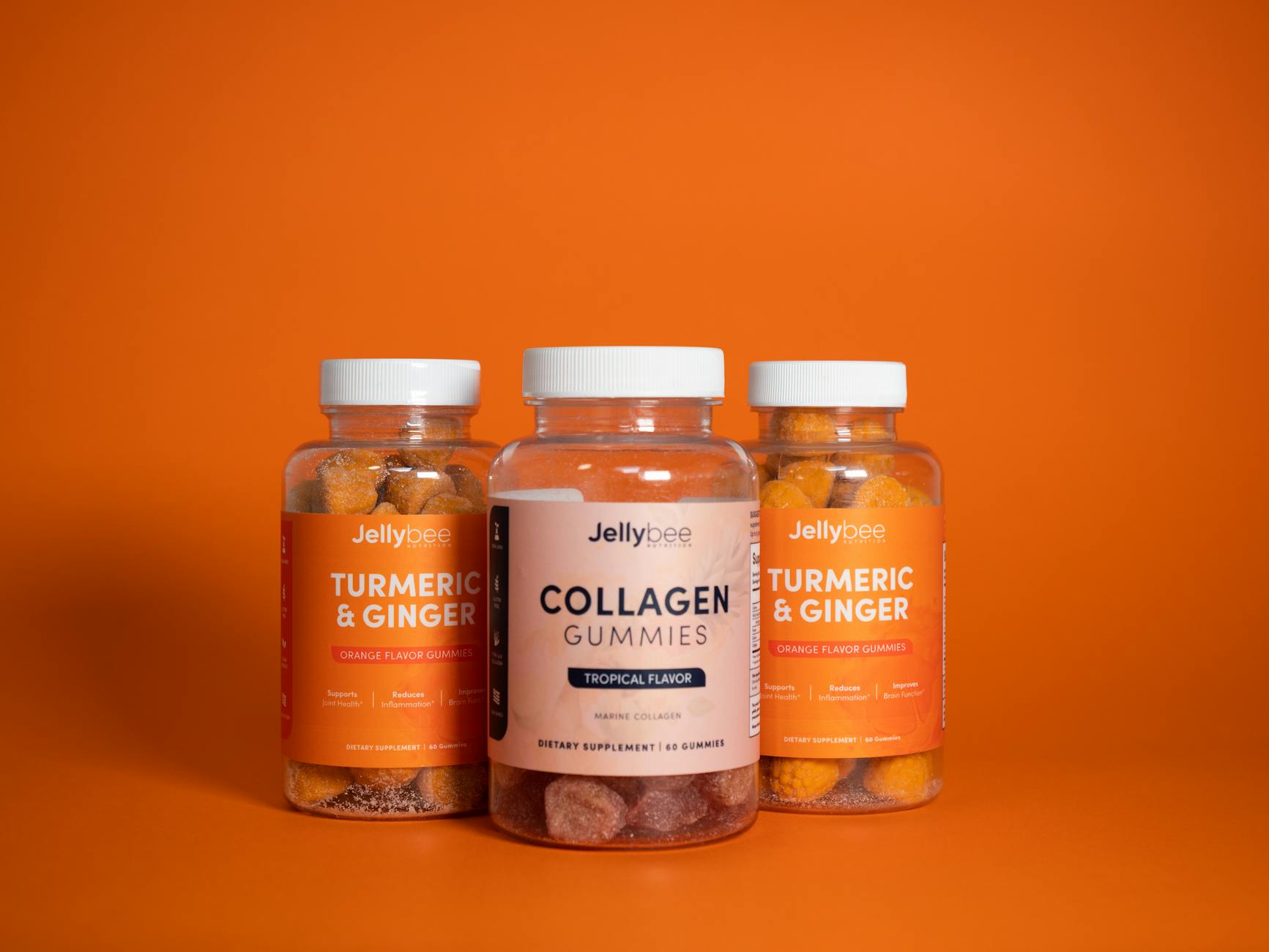
However, for incredibly picky eaters or senior dogs missing teeth, hydrolyzed powders remain the ultimate, stress-free delivery mechanism. Hydrolyzed powders are completely tasteless and easily dissolve directly into wet food without changing the texture. This guarantees the dog receives a clinically effective dose of healing amino acids without battling massive, crunchy whole-food chews.
🐾 Snoutbit Pro-Tip: When brewing homemade bone broth for a dog, always add exactly two tablespoons of raw, unfiltered apple cider vinegar to the slow cooker. The intense acidity aggressively pulls the maximum amount of collagen and essential marrow minerals directly out of the hard bones and completely into the resting liquid.
What To Do Next
- Audit The Supplement Cabinet: Check the ingredient panels on the dog's current joint chews and arthritis supplements today. If the product relies solely on generic glucosamine without actively listing hydrolyzed collagen or eggshell membrane, switch to a comprehensive, multi-matrix joint powder immediately to aggressively halt further cartilage degradation.
- Prepare A Biological Topper: Purchase a small pack of dehydrated, single-ingredient chicken feet from a highly reputable local pet supplier. Offer one crunchy foot every other day as a highly rewarding, natural collagen chew to actively protect the dog's joint health while simultaneously cleaning their teeth.
Disclaimer: The content on Snoutbit.com is for informational and educational purposes only and is not intended to replace professional veterinary advice, diagnosis, or treatment. Always consult with your veterinarian before making significant changes to your dog’s diet, exercise routine, or health regimen.