Stop The Itch: Proven Home Remedies For Dogs Scratching And Biting Paws
Hearing the wet, frantic sound of a dog endlessly chewing their paws at two in the morning is a stressful nightmare for any household. The raw, red skin looks incredibly painful, the constant slurping disrupts sleep, and standard pet store sprays rarely stop the relentless scratching. When the entire family is exhausted, finding immediate, soothing relief becomes the top priority.
The fastest, safest home remedy for dogs scratching and biting paws is a targeted povidone-iodine foot soak, combined with removing allergens through strict wiping routines. This comprehensive guide provides advanced, non-toxic household strategies to soothe inflamed paw pads immediately. Implementing these exact protocols will successfully rebuild the natural skin barrier and restore peace to the home tonight.
Why Is My Dog Biting Their Paws Until They Bleed?
Canine allergies manifest primarily through the skin, turning the delicate paws, underbelly, and ears into hot zones of intense, systemic inflammation. During the peak of a humid US summer or the absolute thick of the Australian tick season, environmental irritants completely overwhelm a dog's natural defenses. When robust breeds like Staffies or Golden Retrievers spend hours crashing through dense brush, their sweaty feet act like microscopic pollen magnets.
When natural remedies are absent, the extreme, maddening discomfort of contact dermatitis forces dogs to take matters into their own mouths. The physical act of chewing and licking actively releases a massive surge of soothing endorphins in the canine brain. This neurochemical reward temporarily distracts them from the fiery, painful allergic reaction happening directly beneath their fur.
In our years of rehabilitating high-energy working dogs, owners frequently misinterpret this obsessive paw-chewing as pure canine boredom. We once evaluated a brilliant Australian Kelpie whose relentless paw-biting was initially dismissed as severe separation anxiety by the frustrated family. Once a daily paw-soaking routine physically removed the hidden grass pollens, the "anxious" destructive behavior vanished entirely overnight.
🚨 Vet Fact: Dogs have highly specialized sweat glands located entirely within their paw pads. This unique biological trait causes microscopic allergens, mold spores, and grass pollens to physically stick to their feet like glue every single time they walk outside.
What Are The Best Home Remedies For Dogs Scratching And Biting Paws?
The internet is heavily flooded with DIY pantry remedies, but many generic solutions actively trap heat and worsen underlying skin inflammation. True, lasting relief requires adopting advanced, scientifically grounded strategies to combat environmental triggers head-on before they enter the home. The absolute best household defense involves neutralizing the allergens directly at the point of physical contact.
Does Apple Cider Vinegar Stop Dogs From Itching?
Organic, unpasteurized apple cider vinegar (ACV) is a phenomenal, naturally acidic tool for combating secondary yeast infections on the skin. Yeast absolutely thrives in the warm, moist environments between a dog's toes, smelling distinctly like old, musty corn chips. Mixing a solution of fifty percent water and fifty percent ACV creates an inhospitable environment for this smelly, itchy fungus.

Spray this diluted mixture directly onto the affected paws twice daily, making sure to coat the delicate webbing completely. Never apply ACV to open sores, deep scratches, or actively bleeding hot spots. The intense acidity will cause severe, unnecessary stinging pain if applied directly to broken skin.
How Do Povidone-Iodine Paw Soaks Work?
This is an advanced, highly effective grooming secret rarely discussed in basic puppy obedience classes. Povidone-iodine is a gentle, completely non-toxic, anti-bacterial, and anti-fungal solution that physically flushes allergens directly out of the paw pads. It safely cleanses the skin without aggressively stripping the natural lipid oils required for a healthy coat.
- Fill a small plastic basin or the bathroom tub with lukewarm water.
- Add just enough povidone-iodine until the water resembles the exact color of weak iced tea.
- Dunk each paw for exactly sixty seconds immediately after returning from a walk.
- Pat the paws completely dry with a clean microfiber towel.
🐾 Snoutbit Pro-Tip: Always thoroughly dry the paws after any foot soak, paying special attention to the deep webbing between the toes. Leaving excess moisture trapped between the paw pads actively encourages rapid, uncomfortable yeast overgrowth within hours.
Can Black Tea Soothe Dog Skin Allergies?
When fiery red, swollen skin requires immediate relief, standard pantry tea bags serve as incredibly effective, natural astringents. The naturally occurring tannic acids found in basic black or green tea quickly draw heat and inflammation completely out of the skin. This rapid cooling effect provides immense, immediate comfort for dogs suffering from acute contact dermatitis after a walk.
Steep four plain black tea bags in a large bowl of hot water, then allow the mixture to cool completely in the refrigerator. Submerge the irritated paws directly into this chilled tea bath for five minutes, allowing the tannins to actively tighten the swollen skin barriers. This is exceptionally soothing for flat-faced breeds like Frenchies that naturally struggle to pant and regulate their body heat during allergic flare-ups.
Are Plastic Dog Bowls Causing Chin And Paw Acne?
Here is a brilliant, advanced insight that most generic pet advice completely overlooks during allergy season. Countless pet parents struggle with dogs endlessly scratching their chins and wiping their irritated faces using their front paws. The hidden culprit is almost always the porous, heavily scratched plastic food or water bowl sitting in the kitchen.
Microscopic scratches in cheap plastic bowls harbor millions of invisible bacteria that survive standard hot dishwasher cycles. Every time the dog eats, this bacteria gets rubbed directly into their chin and subsequently transferred to their paws during grooming. Instantly swapping all plastic bowls for high-quality stainless steel or lead-free ceramic eliminates this hidden source of intense contact dermatitis entirely.
Does Coconut Oil Help Dogs With Itchy Paws?
Organic, unrefined coconut oil is a fantastic, versatile staple for any dedicated pet parent's natural first-aid kit. It contains high levels of lauric acid, which possesses naturally occurring antibacterial and anti-inflammatory properties that deeply soothe irritated canine skin. Massaging a tiny amount of coconut oil into cracked, dry paw pads helps lock in vital moisture and rebuilds the broken skin barrier safely.
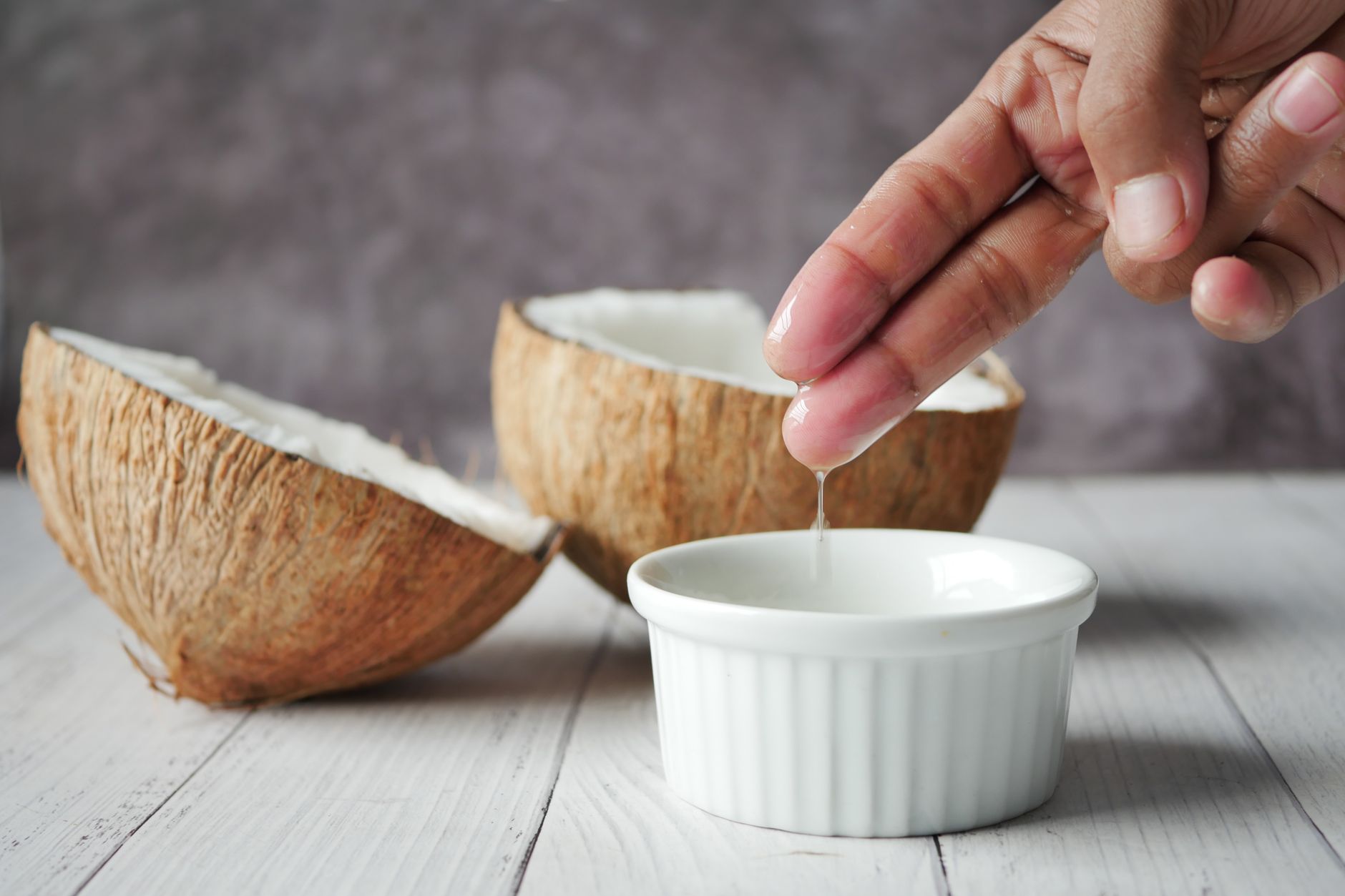
However, owners must exercise extreme caution regarding the exact amount applied to the dog's feet. If the paws are left heavily greased, the dog will inevitably lick the oil off, ingesting excess fat that can easily trigger severe diarrhea. Apply only a pea-sized drop per paw, rub it in completely, and immediately distract the dog with a puzzle toy for ten minutes while it absorbs.
🚨 Vet Fact: Canine saliva contains naturally occurring porphyrins, which turn the fur on the paws a distinct reddish-brown after excessive, repetitive licking. If a dog's pristine white feet suddenly look rusty or heavily stained, it is a guaranteed sign of chronic, hidden allergic inflammation.
Why Is An Elimination Diet Important For Paw Chewing?
Sometimes, the root cause of relentless paw biting originates completely inside the canine gut, rather than from external environmental allergens. Food sensitivities, particularly to common commercial proteins like beef, chicken, or dairy, frequently manifest as severe inflammation in the physical extremities. If daily paw soaks and meticulous environmental wiping fail to stop the scratching, a strict dietary trial is the next logical step.
Transitioning the dog to a novel protein, such as venison or kangaroo, for a minimum of eight weeks helps pinpoint hidden dietary triggers accurately. Australia offers incredible, widespread access to lean, hypoallergenic kangaroo meat, making it a fantastic elimination diet option for highly sensitive pups worldwide. Always consult a professional veterinary nutritionist before executing massive, sudden changes to a dog's primary feeding schedule.
How Can Owners Support The Canine Skin Barrier At Home?
Relying exclusively on soothing baths while aggressively ignoring environmental hygiene is a guaranteed recipe for breakthrough allergic flare-ups. The primary household goal is to keep the dog's internal allergic tolerance level from overflowing due to excessive dust and dander. This requires strict environmental management to completely minimize the invisible triggers floating around the family living room.
We learned this firsthand while evaluating a highly reactive Blue Heeler during a brutal, sweltering summer season. The dog was suffering from a massive, systemic itch triggered by poor indoor air quality and deeply dusty dog beds. By implementing strict indoor protocols, the relentless scratching was successfully cut in half within a single week.
- Wash Bedding Weekly: Wash all dog beds, soft toys, and fabric crate mats in hot water using a fragrance-free, hypoallergenic laundry detergent.
- Utilize HEPA Filters: Run a high-quality air purifier continuously in the specific room where the dog sleeps the most to capture floating pollen.
- Implement Wiping Stations: Keep unscented baby wipes at the front door and vigorously wipe down the underbelly before the dog comes fully inside.
What To Do Next
Watching a faithful companion battle relentless skin allergies is incredibly frustrating, but lasting relief is absolutely within reach today. Stop relying on miserable, rigid plastic cones of shame and start actively fortifying the canine skin barrier using proven household strategies.
Here are two simple, immediate steps to take today to stop the scratching:
- Start a Front-Door Wiping Station: Place a fresh pack of hypoallergenic, pet-safe grooming wipes and a small, soft towel directly by the main entrance. Make thoroughly wiping the paws, legs, and belly a mandatory, non-negotiable toll for coming back inside after every single walk.
- Brew a Cooling Tea Soak: Grab four plain black tea bags from the kitchen pantry and brew a concentrated pitcher of tea right now. Place it in the refrigerator immediately, ensuring a soothing, astringent paw bath is ready the exact second the dog starts frantically chewing their feet tonight.
Disclaimer: The content on Snoutbit.com is for informational and educational purposes only and is not intended to replace professional veterinary advice, diagnosis, or treatment. Always consult with your veterinarian before making significant changes to your dog’s diet, exercise routine, or health regimen.