Police K-9 Bruno Returns Home After Overpass Fall: Recovery Update
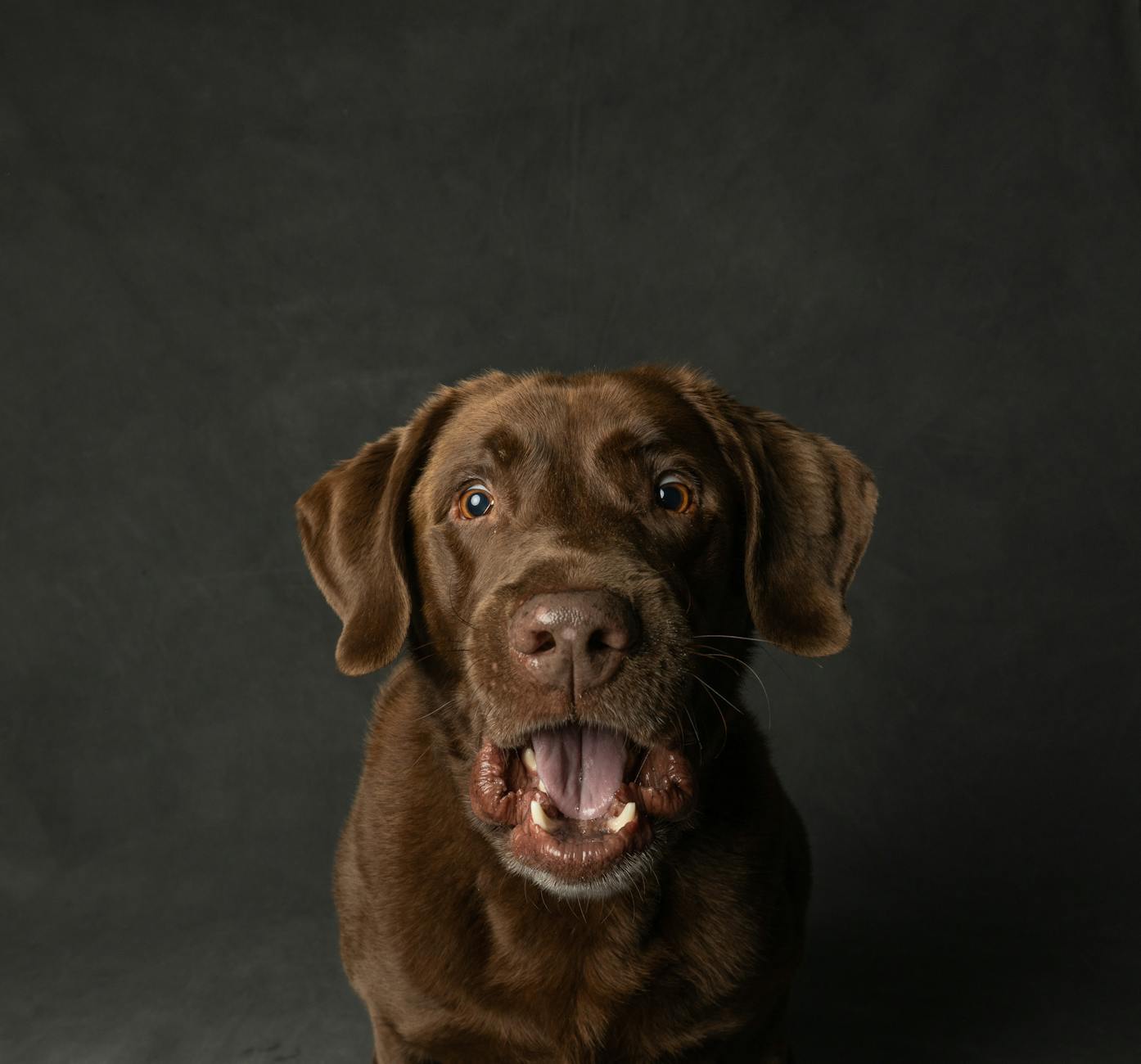
When a police dog is injured in the line of duty, it hits the entire community hard. That was certainly the case for Bruno, a 2-year-old chocolate Labrador Retriever who serves as a police K-9 in Park City, Utah. Bruno made headlines after a terrifying fall from a freeway overpass left him with two broken legs and a fractured jaw. But this story has a happy update: after surgery and hospital care, Bruno has returned home to continue his recovery.
Bruno holds a special place in his department—he is the Park City Police Department's first-ever K-9, according to iHeartDogs. That milestone made his injury all the more significant for the officers who work alongside him. The incident occurred during a police response to a suspicious item near a roadway, and the resulting emergency response involved multiple agencies. From the moment Bruno was hurt, first responders and veterinary teams worked quickly to give him the best possible chance at recovery. Now, back home with his handler, Bruno faces a long road ahead, but the outpouring of support from fellow law enforcement, emergency responders, and the community has been a bright spot in an otherwise difficult ordeal.
The Overpass Incident: How Bruno Was Injured During an Emergency Response
The events that led to Bruno's injuries began with a police response to a suspicious item near a roadway in Park City. According to iHeartDogs, authorities closed portions of Interstate 80 and U.S. Route 40 near the Silver Summit area as they investigated. The Utah Highway Patrol led the response, assisted by the Summit County Sheriff's Office and Park City Police Department. During this emergency response, Bruno reportedly jumped from a freeway overpass—a fall that resulted in two broken legs and a fractured jaw.
The circumstances surrounding the jump have not been fully detailed, but what is clear is that Bruno was serving alongside his human partners when the accident occurred. The closure of major highways near Silver Summit underscores the scale of the response and the seriousness of the situation. Investigators later determined that the suspicious object was not dangerous and appeared to be road debris, possibly a battery from an electric bicycle, scooter, or similar device, according to iHeartDogs. That determination came too late to prevent Bruno's injuries, but it did resolve the initial concern that prompted the response.
For police K-9s, working near roadways and during emergency operations carries inherent risks. Bruno's fall is a stark reminder of the dangers these dogs face while performing their duties. The Park City Police Department has not released further details about how the fall occurred, but the focus has shifted to Bruno's recovery and the support he has received from the community.
Emergency Transport and Veterinary Care: From the Scene to Surgery in Salt Lake City
Immediately after Bruno's fall, medical personnel began caring for him at the scene, according to iHeartDogs. Given the severity of his injuries—two broken legs and a fractured jaw—it was clear that he needed advanced veterinary care. Bruno was transported by Intermountain Life Flight to an emergency veterinary hospital in Salt Lake City. The air ambulance provided a rapid transfer, ensuring Bruno could receive specialized treatment as quickly as possible.
Before surgery, Bruno was reported to be stable and in good spirits despite his injuries, iHeartDogs notes. That update offered some comfort to his handler and colleagues, who were undoubtedly anxious about his condition. The veterinary team at the hospital, later identified as MedVet Animal Hospital, took over Bruno's care and prepared him for surgery.
The coordination between emergency responders and veterinary professionals was seamless. From the first aid administered at the scene to the air transport and the hospital's surgical team, every step was aimed at giving Bruno the best chance at a full recovery. The Park City Police Department later expressed gratitude to all the agencies and organizations involved, including the Summit County Sheriff's Office, Utah Highway Patrol, Park City Fire District, South Salt Lake Police, Intermountain Life Flight, and MedVet Animal Hospital, according to iHeartDogs. Their combined efforts ensured that Bruno received timely and expert care during a critical window.
Surgery, Recovery, and Homecoming: Bruno's Road Ahead
Bruno's surgery went well, and his veterinary team determined he could leave the hospital and continue recovering at home, according to iHeartDogs. That news was a welcome relief for everyone who had been following his story. However, police emphasized that Bruno still faces a long recovery despite being released from the hospital. His injuries—two broken legs and a fractured jaw—require ongoing care and rehabilitation, and his return to full duty, if it happens, will take time.
For now, Bruno is recuperating at home, likely under the watchful eye of his handler and family. The coming weeks and months will involve rest, follow-up veterinary visits, and gradual rehabilitation. The Park City Police Department has not provided a specific timeline for Bruno's recovery, but they have made it clear that he is on the mend and surrounded by people who care about him.
Bruno's status as the department's first-ever K-9 adds a layer of significance to his recovery. As a trailblazer for the unit, he represents the beginning of a new chapter for the Park City Police Department. His injury was a setback, but his homecoming is a testament to the dedication of his handlers, the skill of his veterinary team, and the support of the community. While Bruno's future as a police K-9 remains uncertain, his immediate future is focused on healing and getting back to the life he loves.
What Bruno's Recovery Looks Like: Practical Care for a Dog With Broken Legs
While the Park City Police Department has not released a detailed rehabilitation plan, Bruno's injuries—two broken legs and a fractured jaw—give a clear picture of what recovery typically involves. Dogs recovering from multiple fractures need strict rest, controlled activity, and careful monitoring to prevent complications.
Mobility support. With two broken legs, Bruno will likely need help moving for a while. Owners of injured dogs often use slings or harnesses to support the hindquarters during potty breaks. Keeping floors non-slip and blocking stairs can prevent falls that could re-injure healing bones.
Jaw care and nutrition. A fractured jaw makes eating painful and risky. Soft foods, smaller meals, and sometimes temporary feeding tubes are common in severe cases. Bruno's veterinary team would have advised his handler on a suitable diet during the healing period.
Post-surgical protection. Dogs recovering from orthopedic surgery often need to be kept from licking or chewing at incisions. Many veterinarians recommend a dog recovery suit after surgery as a less stressful alternative to the traditional cone.
Joint and bone support. After fractures heal, joint health becomes a priority—especially for a young, active working dog. Pet owners exploring long-term mobility support often look into collagen for dogs joint health as part of a rehabilitation plan.
Monitoring for complications. Swelling, changes in appetite, lethargy, or signs of pain should be reported to a veterinarian promptly. During transport and outdoor recovery, handlers should also be aware of signs of heat stroke in dogs, since injured dogs may struggle to regulate temperature.
Community and Interagency Support for Bruno and His Handler
Throughout Bruno's treatment and recovery, support poured in from fellow law enforcement agencies, emergency responders, and community members, according to iHeartDogs. The Park City Police Department publicly thanked the Summit County Sheriff's Office, Utah Highway Patrol, Park City Fire District, South Salt Lake Police, Intermountain Life Flight, and MedVet Animal Hospital for their assistance. That list of agencies reflects the broad network of professionals who rallied around Bruno and his handler.
For the handler, having a partner injured in the line of duty is a deeply stressful experience. The support from colleagues and the community can make a significant difference. While the specifics of the support—such as cards, donations, or messages—were not detailed in the iHeartDogs article, the acknowledgment from the department indicates that many people reached out to offer help and encouragement.
Community support for police K-9s is often strong, and Bruno's story is no exception. As the department's first K-9, he has become a symbol of the unit's fledgling program. His recovery is being watched closely by those who have invested in his training and care. The gratitude expressed by the Park City Police Department highlights the importance of interagency cooperation and the compassion of the community. As Bruno continues his recovery at home, he does so with the knowledge that he has a whole team behind him—both two-legged and four-legged—cheering him on.
Frequently Asked Questions About Police K-9 Injuries and Recovery
How serious is a fall from a freeway overpass for a dog? A fall from that height can cause multiple fractures, internal injuries, and head trauma. Bruno's two broken legs and fractured jaw are consistent with a high-impact fall, and his survival is a testament to rapid emergency care.
Can a police K-9 return to duty after breaking two legs? It depends on the severity of the fractures, the success of surgery, and rehabilitation. Some working dogs return to full duty; others transition to less physically demanding roles. The Park City Police Department has not announced a timeline or decision for Bruno.
What should pet owners watch for after their dog has surgery? Monitor incision sites for redness or discharge, watch for lethargy or loss of appetite, and follow the veterinarian's activity restrictions closely. Keeping the dog calm and comfortable is essential for proper healing.
Are police K-9s at risk during highway incidents? Yes. Working near traffic and during emergency operations exposes K-9s to hazards including vehicles, debris, and sudden noises. Handlers train extensively to manage these risks, but accidents can still happen.
How can the public support an injured police K-9? Many departments accept cards, donations, or messages of support for their K-9 units. Following the department's official channels is the best way to learn about verified fundraising or well-wish efforts.
The Bottom Line
Bruno's story is a reminder of the risks working dogs take and the extraordinary efforts made to save them when things go wrong. From the first responders who stabilized him at the scene to the veterinary team at MedVet Animal Hospital and the community that rallied around his handler, every step of Bruno's journey has been defined by care and cooperation. As he continues his recovery at home, the Park City Police Department's first-ever K-9 has already proven one thing: he's a fighter.
Source: iHeartDogs