Giant Paws in Dogs: 15 Breeds & Why They Have Them
Introduction
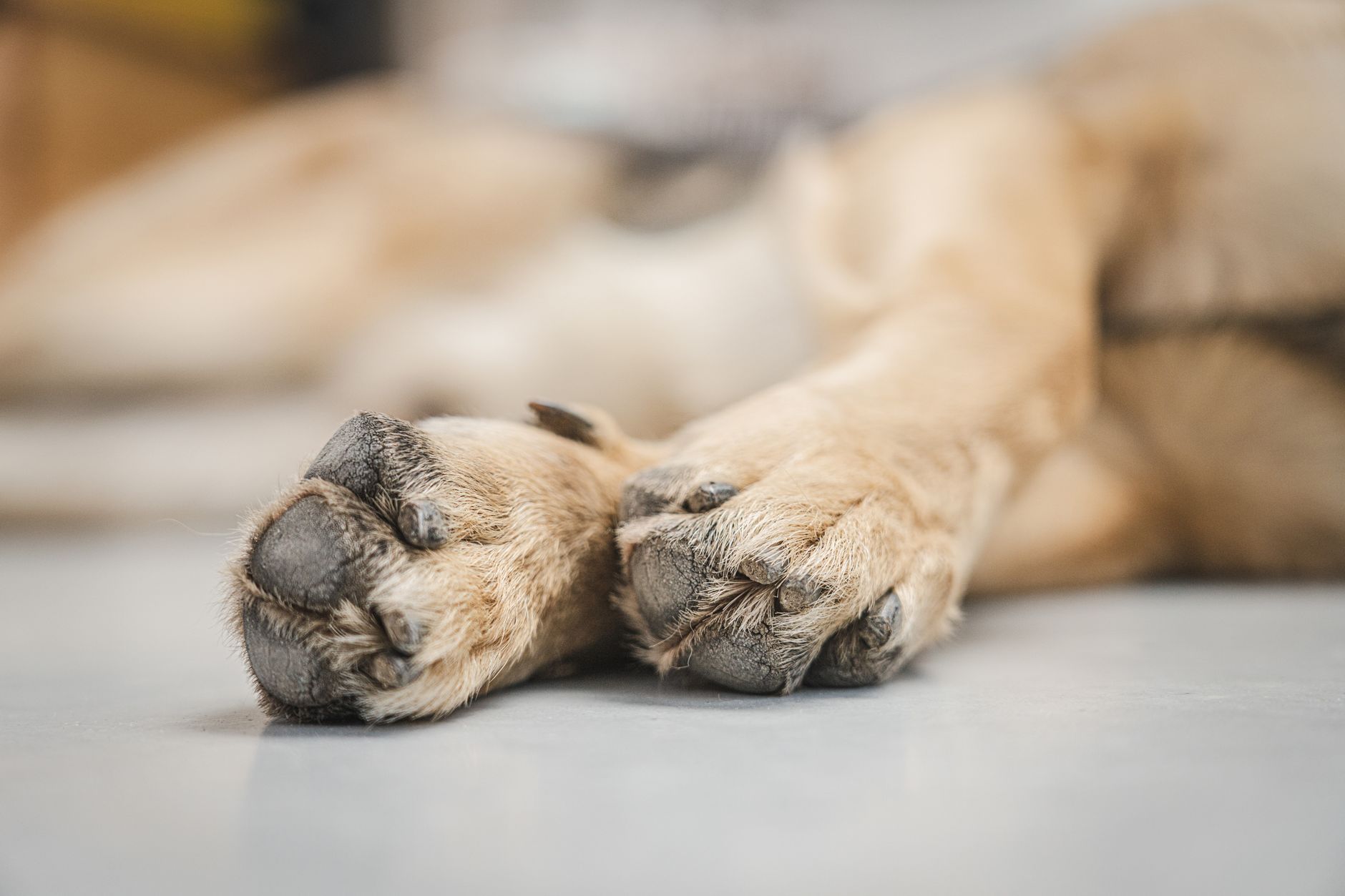
Giant paws are one of the most distinctive features a dog can have. They draw attention immediately, and they often make people wonder what kind of dog could stand behind such impressive feet. According to iHeartDogs, giant paws are often found in breeds developed for demanding work, cold climates, rugged terrain, guarding, rescue, or hauling heavy loads. That single observation tells us something important: oversized feet are usually not an accident of appearance. They are linked to what a breed was developed to do.
The same source notes that these substantial feet provide stability, traction, and support for their large bodies. In other words, giant paws are functional equipment. They help a dog stand, move, and work in ways that match its size and purpose.
This article explores the verified reasons behind giant paws. While the title points to 15 dog breeds, the verified facts available here do not name specific breeds. Instead, they explain the categories of development and the physical advantages that make giant paws worth noticing. By understanding those categories—demanding work, cold climates, rugged terrain, guarding, rescue, and hauling heavy loads—you can better appreciate why some dogs have such impressive feet. The goal is not to guess at breed names but to understand the functional story behind giant paws. (Source: )
The Functional Origins of Giant Paws
Giant paws are often found in breeds developed for demanding work, cold climates, rugged terrain, guarding, rescue, or hauling heavy loads. This list is useful because it groups the reasons. A breed developed for demanding work may need feet that can handle repeated effort. A breed developed for cold climates may need paws that function in challenging conditions. A breed developed for rugged terrain may need feet that can meet uneven ground. Breeds developed for guarding and rescue may need a stable physical foundation. Breeds developed for hauling heavy loads may need support for large bodies.
In each case, the paw is part of the job. It is not just a cosmetic trait. The fact that giant paws are often found in these breeds does not mean every dog in those categories has giant paws. It means the trait appears often in breeds developed for those purposes. That connection between development and physical form is the central idea. When we see giant paws, we are seeing a clue about history and function.
The verified facts do not provide a specific breed list, but they do provide a clear framework. That framework starts with purpose. If a breed was developed for demanding work, cold climates, rugged terrain, guarding, rescue, or hauling heavy loads, giant paws may appear as part of its physical makeup. This is why the trait is worth noticing. It points to something deeper than appearance. (Source: )
Stability: A Foundation for Large Bodies
These substantial feet provide stability. Stability is important for large bodies. A dog with a large body needs a base that can support movement and standing. Giant paws can contribute to that base. This is one of the clear benefits listed in the verified facts.
Without stability, a large dog might struggle to balance. With substantial feet, the dog has a broader foundation. The source connects giant paws directly to stability. That makes stability one of the key reasons these paws are notable. It also helps explain why giant paws are often found in breeds developed for demanding work, guarding, rescue, or hauling heavy loads. Those activities can require a dog to remain steady. A stable base can help.
So stability is not an abstract idea; it is a practical advantage tied to the paw. When a dog stands, turns, or bears weight, stability matters. Giant paws can help provide that stability. The verified facts do not go into detailed anatomy, but they do make the connection clear. Substantial feet provide stability. For large dogs, that stability can be part of how they move through the world. It is one reason giant paws appear in breeds with serious physical purposes. (Source: )
Traction: Grip for Rugged Terrain and Work
These substantial feet provide traction. Traction means grip. Giant paws can provide traction. This matters especially for breeds developed for rugged terrain. Rugged terrain can be uneven. Traction helps a dog move with more confidence. It also matters for demanding work. Work can involve movement, stopping, turning, and carrying. Traction supports those actions.
The verified facts list traction alongside stability and support. That trio helps us understand why giant paws are more than just large. They are part of how a dog interacts with the ground. For breeds developed for cold climates, traction may also be part of functioning in difficult conditions. For breeds developed for hauling heavy loads, traction can help with the effort of moving weight.
The source does not go into specific mechanics, but it clearly states that substantial feet provide traction. That is enough to see the paw as a functional tool. When a breed is developed for rugged terrain, traction can be essential. When a breed is developed for demanding work, traction can support performance. Giant paws may help provide that grip. This is why the trait appears in breeds with challenging jobs and environments. (Source: )
Support for Large Bodies
These substantial feet provide support for their large bodies. This is straightforward but important. A large body needs support. The paws are the points of contact with the ground. If the paws are substantial, they can help support the body.
This is why giant paws are often found in breeds developed for demanding work. A working dog may need physical support throughout the day. It is also why they appear in breeds developed for hauling heavy loads. Hauling requires a body that can bear weight and effort. Support from substantial feet can be part of that.
The fact does not claim that giant paws alone make a dog capable of these tasks. It says these feet provide support for their large bodies. That is a key detail. The paw is one part of a larger physical system. But it is a visible and important part. When you see a dog with giant paws, you are seeing a feature that supports its size. That support can matter in work, in cold climates, on rugged terrain, in guarding, in rescue, and in hauling heavy loads. Giant paws are therefore tied to the physical demands placed on large dogs. (Source: )
Cold Climates and Giant Paws
Giant paws are often found in breeds developed for cold climates. This does not mean every cold-climate breed has giant paws. It means the trait is often found among them. Why might that be? The verified facts do not give a detailed mechanism. But they place cold climates in the same list as demanding work, rugged terrain, guarding, rescue, and hauling heavy loads. That suggests giant paws are associated with breeds that face environmental or physical challenges.
In cold climates, a dog may need to move across surfaces that are cold, uneven, or difficult. Substantial feet provide stability, traction, and support. Those benefits can matter in cold conditions just as they matter in other demanding settings.
The source does not say giant paws are only for cold climates. It says they are often found in breeds developed for cold climates. That is a meaningful connection. It helps explain why giant paws appear across different types of working and functional breeds. Cold climates are one category in the verified list. Demanding work is another. Rugged terrain is another. Guarding, rescue, and hauling heavy loads complete the list. Together, these categories show that giant paws are linked to purpose. (Source: )
Rugged Terrain and the Need for Traction
Giant paws are often found in breeds developed for rugged terrain. This connects directly to the verified fact that substantial feet provide traction. Rugged terrain can require grip. It can require stability. It can require support. A dog moving over rugged ground needs feet that can handle the surface.
Giant paws can help with traction. They can help with stability. They can help support a large body. So the connection between rugged terrain and giant paws is logical. The verified facts do not describe specific terrains or specific breeds. They simply group rugged terrain with other reasons giant paws are often found. That grouping is useful. It shows that giant paws are associated with environments that demand physical capability.
When a breed is developed for rugged terrain, its feet may be part of its ability to function there. Traction is especially relevant. Stability is also relevant. Support for a large body is relevant. These are the benefits listed in the source. Giant paws provide them. That is why the trait appears in breeds developed for rugged terrain. (Source: )
Guarding and Rescue Roles
Giant paws are often found in breeds developed for guarding or rescue. Guarding can require a dog to stand its ground. Rescue can require a dog to move through difficult conditions. Both can benefit from stability, traction, and support.
The verified facts do not say every guarding or rescue breed has giant paws. They say giant paws are often found in breeds developed for those purposes. This makes sense when we remember that substantial feet provide stability, traction, and support for large bodies. A guarding dog may need a stable base. A rescue dog may need traction and support. Giant paws can contribute to those needs.
Again, the paw is not the whole story. It is one physical trait among many. But it is a visible trait that connects to function. That is why giant paws are worth noticing in breeds developed for guarding and rescue. The same functional logic applies here as it does to demanding work, cold climates, rugged terrain, and hauling heavy loads. Giant paws are part of a breed’s physical toolkit. They help with stability, traction, and support. (Source: )
If you are considering a guarding breed for your family, you may want to explore 7 Low-Maintenance Guard Dogs for Families to compare temperament and care needs.
Hauling Heavy Loads
Giant paws are often found in breeds developed for hauling heavy loads. This is perhaps one of the clearest connections. Hauling requires strength and support. The verified facts say substantial feet provide support for large bodies. If a dog is developed to haul heavy loads, it likely has a large body. That body needs support. Giant paws can provide part of that support.
They can also provide stability and traction. Stability helps with balance. Traction helps with grip. Support helps with bearing the body’s weight and effort.
The verified facts do not describe specific hauling tasks or breeds. They simply link giant paws to breeds developed for hauling heavy loads. That link is enough to understand why the trait appears in that context. It is a functional feature tied to physical demand. When a breed is developed to haul heavy loads, its feet must help it manage the work. Giant paws are one visible sign of that functional design. They support the body, provide stability, and offer traction. (Source: )
Why These Categories Matter
The verified facts give us a clear framework: giant paws are often found in breeds developed for demanding work, cold climates, rugged terrain, guarding, rescue, or hauling heavy loads. These substantial feet provide stability, traction, and support for their large bodies. Together, these two facts explain the why behind giant paws.
They do not provide a list of 15 specific breeds. They do provide the reasons the trait exists and persists. That is valuable for dog owners and breed enthusiasts. When you see giant paws, you can think about the categories in the first fact. Was this breed developed for demanding work? Cold climates? Rugged terrain? Guarding? Rescue? Hauling heavy loads? You can also think about the second fact. Those paws likely provide stability, traction, and support.
This framework helps you look at giant paws with more understanding. It moves the conversation beyond appearance and into function. Giant paws are not random. They are often found in breeds developed for serious purposes. They provide practical benefits. That is why they are worth noticing.
If you are drawn to large, functional breeds, it is worth reading What To Know Before Getting A Dog: The Brutal 15-Year Reality Check before you commit. You may also want to compare shedding and allergy considerations in 7 Hypoallergenic Large Dog Breeds That Don't Shed (And Protect Your Allergies). And because working breeds can be sensitive to being left alone, How to Stop Separation Anxiety in Dogs: A Step-by-Step Training Guide can help you prepare. For a broader look at temperament, see 15 Dog Breeds More Sensitive Than You Think. (Source: )
Quick Reference: Giant Paws at a Glance
| Category | Why Giant Paws May Appear | Key Benefit |
|---|---|---|
| Demanding work | Feet handle repeated effort | Stability, traction, support |
| Cold climates | Paws function in challenging conditions | Stability, traction, support |
| Rugged terrain | Feet meet uneven ground | Traction, stability, support |
| Guarding | Dog needs a stable physical foundation | Stability, support |
| Rescue | Dog moves through difficult conditions | Traction, stability, support |
| Hauling heavy loads | Support for large bodies | Support, stability, traction |
All categories and benefits are drawn from the verified facts in the source. (Source: )
Frequently Asked Questions
Do all large dogs have giant paws?
No. The verified facts say giant paws are often found in breeds developed for demanding work, cold climates, rugged terrain, guarding, rescue, or hauling heavy loads. That does not mean every large dog—or every dog in those categories—has giant paws. It means the trait appears often in breeds developed for those purposes.
What do giant paws actually do for a dog?
According to the source, substantial feet provide stability, traction, and support for their large bodies. Stability helps with balance, traction helps with grip, and support helps with bearing the body’s weight and effort.
Are giant paws only useful in cold climates?
No. Cold climates are only one category in the verified list. Giant paws are also often found in breeds developed for demanding work, rugged terrain, guarding, rescue, and hauling heavy loads. The benefits—stability, traction, and support—apply across those settings.
Why doesn’t this article name 15 specific breeds?
The verified source material available here does not name specific breeds. Instead, it explains the categories of development and the physical advantages behind giant paws. That framework is the most accurate way to understand the trait based on the facts provided.
How can I use this information when choosing a dog?
Use the categories as a starting point. If a breed was developed for demanding work, cold climates, rugged terrain, guarding, rescue, or hauling heavy loads, giant paws may be part of its physical makeup. Then consider the practical benefits: stability, traction, and support for a large body. (Source: )
Conclusion
Giant paws are more than a striking visual feature. According to the verified facts, they are often found in breeds developed for demanding work, cold climates, rugged terrain, guarding, rescue, or hauling heavy loads. These substantial feet provide stability, traction, and support for their large bodies. That is the core message.
While the title of this article points to 15 dog breeds with giant paws, the verified source material available here does not name specific breeds. Instead, it gives us the functional reasons giant paws appear. That is still a valuable and complete way to understand the topic.
Giant paws are associated with purpose. They are associated with work, climate, terrain, guarding, rescue, and hauling. They are associated with stability, traction, and support. When you see a dog with giant paws, you are seeing a trait that connects to a breed’s development and physical needs. That makes giant paws worth noticing—not just for their size, but for what they represent. (Source: )