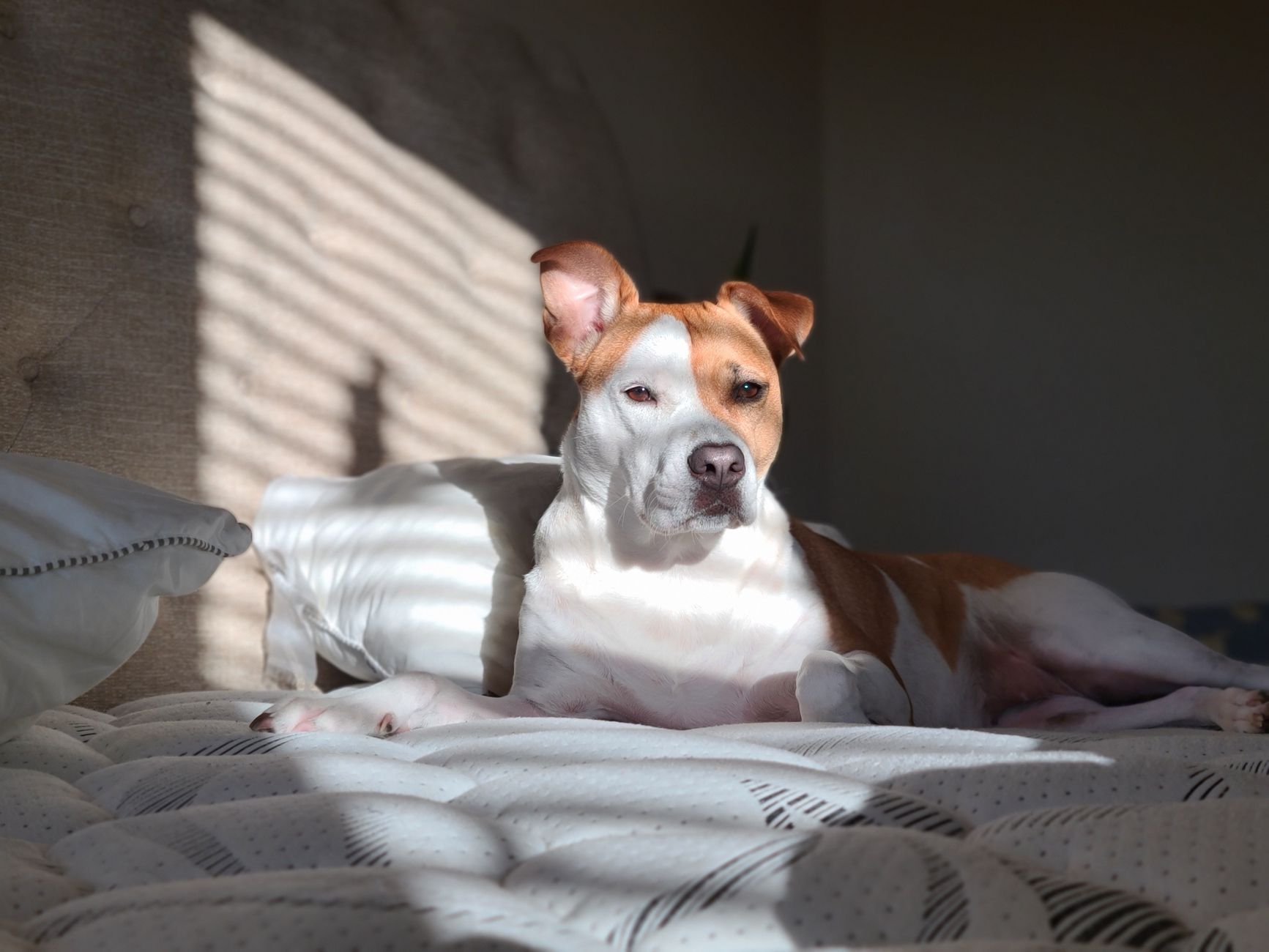
11 Dog Breeds That Look Deep in Thought (And Why They Do)
Have you ever caught your dog staring into the middle distance and wondered what profound thoughts are crossing its mind? Some breeds seem perpetually lost in contemplation, their soulful eyes suggesting a depth of intellect that borders on the philosophical. According to iHeartDogs, in an article by Angeline Docot, there are 11 breeds that consistently give off that thoughtful vibe: the Border Collie, Poodle, German Shepherd, Siberian Husky, Great Dane, Shiba Inu, Australian Shepherd, Basset Hound, Afghan Hound, Shetland Sheepdog, and Belgian Malinois. These dogs often look like they're pondering the mysteries of the universe—or maybe just deciding whether to chase a squirrel.
But why do certain breeds appear so deep in thought? The answer lies in their history, intelligence, and the unique expressions that have evolved through generations of purposeful breeding. In this article, we'll explore the science behind those soulful stares, introduce you to the 11 most philosophical-looking breeds, and explain what those thoughtful expressions really mean. Whether you're a seasoned dog owner or simply a dog lover, you'll gain a new appreciation for the quiet intelligence behind those contemplative canine eyes.
Why Some Dog Breeds Look Deep in Thought
When a dog gazes off into the distance with a furrowed brow or a steady stare, it's easy to project human emotions onto them. We might think they're solving a complex equation or reminiscing about a long-lost bone. But according to iHeartDogs, a dog's thoughtful expression cannot reveal exactly what it is thinking—alertness or anticipation may simply be mistaken for deep reflection. In other words, that philosophical look might just be your dog waiting for you to throw the ball.
Still, certain breeds are more prone to looking contemplative due to their breeding history. Working dogs, in particular, were developed to perform complex tasks that required focus, decision-making, and problem-solving. For example, Border Collies were originally developed to herd livestock and excel at interpreting movement, responding to subtle signals, and making quick decisions while working. That intense focus can easily be mistaken for deep thought. Similarly, German Shepherds were bred as herding dogs and are frequently trained for search and rescue, assistance work, and detection—roles that demand concentration and quick thinking. Their alert, observant expressions often read as thoughtful.
Other breeds, like the Shiba Inu, were originally bred in Japan for hunting small game and are known for independence, attentiveness, and a confident personality. That independent streak can give them a faraway look, as if they're weighing their options. And then there are breeds like the Afghan Hound, developed for hunting in the mountainous regions of Afghanistan, with a long history of independence and athletic ability. Their unreadable expression might seem like contemplation of an ancient secret—or just enjoyment of a peaceful moment, as iHeartDogs notes.
So while we can't know exactly what dogs are thinking, their breeding and inherent traits often produce expressions that we interpret as deep thought. It's a combination of genetics, environment, and our own tendency to see ourselves in our pets.
The 11 Most Philosophical-Looking Breeds
Let's meet the breeds that consistently top the charts for that deep-in-thought look. Each has a unique history and set of traits that contribute to their contemplative appearance.
Border Collie
Border Collies are the Einsteins of the dog world. Developed to herd livestock, they excel at interpreting movement, responding to subtle signals, and making quick decisions while working. Their intense stare—often called the "eye"—is used to control sheep, but to us, it looks like they're solving a complex math problem. As iHeartDogs quips, a Border Collie's focused stare may be it processing information—or planning to reorganize your household by its own herding strategy.
Poodle
Poodles come in Standard, Miniature, and Toy varieties and were historically associated with retrieving work in water. Their intelligence and trainability make them look like they're always learning something new. A Poodle staring into space might be contemplating philosophy—or figuring out how to earn another treat, according to iHeartDogs.
German Shepherd
German Shepherds were bred as herding dogs and are frequently trained for search and rescue, assistance work, and detection. Their alert, noble expressions often seem to reflect deep concentration, especially when they're on duty.
Siberian Husky
Siberian Huskies were developed to pull sleds across demanding Arctic terrain and are known for energy, independence, and teamwork. Their piercing eyes and independent nature can give them a faraway, thoughtful look as they survey their surroundings.
Great Dane
Great Danes were historically developed for hunting large game, though they are now often affectionate, people-oriented companions. Their solemn gaze may just be deciding whether moving to the sofa is worth the effort, as iHeartDogs humorously suggests. If you have a Great Dane, a supportive bed like the Bedsure Orthopedic Dog Bed Review: Memory Foam for Large Dogs can keep them comfortable.
Shiba Inu
Shiba Inus were originally bred in Japan for hunting small game and are known for independence, attentiveness, and a confident personality. Their thoughtful look might suggest an elaborate internal debate, but the final decision could simply be that the dog has other plans. Before bringing one home, read Are Shiba Inus Good Pets? 7 Truths You Must Know and debunk 5 Dangerous Shiba Inu Myths You Still Believe (And How to Fix Them).
Australian Shepherd
Australian Shepherds, despite the name, were developed in the United States and valued for working with livestock. Their intense focus and work ethic often make them appear deep in thought, especially when they're watching over their "flock" (which might include your children).
Basset Hound
Basset Hounds were developed for scent hunting, and their powerful noses help them follow trails with impressive persistence. A Basset Hound gazing into the distance may look like a poet—but a fascinating smell is likely the real subject, iHeartDogs notes.
Afghan Hound
Afghan Hounds were developed for hunting in the mountainous regions of Afghanistan and have a long history of independence and athletic ability. Their unreadable expression might be contemplation of an ancient secret—or just enjoying a peaceful moment.
Shetland Sheepdog
Shetland Sheepdogs (Shelties) were developed to help manage livestock in the Shetland Islands of Scotland. Their bright, attentive eyes and quick minds make them look like they're always processing information.
Belgian Malinois
Belgian Malinois were developed in Belgium as herding dogs and are now widely associated with demanding roles requiring concentration, agility, and reliable responses to training. Their intense focus can make them seem like they're constantly strategizing.
Intelligence vs. Appearance: What Those Soulful Eyes Really Mean
It's tempting to anthropomorphize our dogs, especially when they look at us with those big, thoughtful eyes. But according to iHeartDogs, a dog's thoughtful expression cannot reveal exactly what it is thinking—alertness or anticipation may simply be mistaken for deep reflection. So what's really going on behind those soulful eyes?
For many of these breeds, what looks like deep thought is actually heightened alertness. Herding breeds like the Border Collie and Australian Shepherd are constantly scanning their environment for movement, ready to spring into action. Their focused stare is a tool of the trade, not a sign of philosophical musings. Similarly, the Belgian Malinois is bred for demanding roles that require concentration, agility, and reliable responses to training—so their intense look is a reflection of their working drive.
Other breeds, like the Shiba Inu and Afghan Hound, are known for their independence. A Shiba Inu's thoughtful look might suggest an elaborate internal debate, but the final decision could simply be that the dog has other plans. And an Afghan Hound's unreadable expression might be contemplation of an ancient secret—or just enjoying a peaceful moment.
Even the Great Dane, with its solemn gaze, might just be deciding whether moving to the sofa is worth the effort. And a Basset Hound gazing into the distance may look like a poet—but a fascinating smell is likely the real subject.
So while these dogs may not be pondering the meaning of life, their expressions do reflect their intelligence and awareness. They are constantly taking in information, processing it, and deciding how to respond. That's a kind of thinking, even if it's not the kind we humans do. As you'll see in 15 Dog Breeds More Sensitive Than You Think, many intelligent breeds are also highly attuned to their surroundings.
Exercise and Enrichment Needs for Thinking Breeds
If you share your life with one of these philosophical-looking breeds, you know that their minds are always working. And that's why mental stimulation is just as important as physical exercise. According to iHeartDogs, breeds like the Border Collie, Australian Shepherd, Belgian Malinois, and Shetland Sheepdog thrive on mental challenges and purposeful activity; without enough stimulation, they may invent their own entertainment or become restless.
A bored Border Collie might rearrange your furniture (or herd your children), while an under-stimulated Belgian Malinois could become destructive. These dogs need jobs to do—whether that's learning new tricks, participating in dog sports, or simply having puzzle toys to solve. The Australian Shepherd, valued for working with livestock, also needs a sense of purpose. And the Shetland Sheepdog, developed to help manage livestock, is happiest when it has a task to focus on.
But it's not just the herding breeds that need enrichment. Poodles are highly intelligent and were historically associated with retrieving work in water—they enjoy challenges that engage their minds. German Shepherds, frequently trained for search and rescue, assistance work, and detection, also need ongoing training to stay sharp. Even the independent Shiba Inu and Afghan Hound benefit from mental stimulation, though their training may require a different approach.
According to iHeartDogs, Shiba Inus may not always be motivated to cooperate simply because someone asks, and Afghan Hounds' independence can make training more challenging; positive reinforcement and patient, consistent training are recommended. So if you're looking to keep your thinking breed happy, invest in puzzle toys, training games, and activities that let them use their brains. A tired dog is a good dog—but a mentally satisfied dog is even better.
Choosing the Right Mentally Stimulating Breed for Your Family
If you're considering adding one of these thoughtful breeds to your family, it's important to match their needs with your lifestyle. These dogs are intelligent, but that intelligence comes with a responsibility to keep them engaged. Before you commit, read What To Know Before Getting A Dog: The Brutal 15-Year Reality Check to understand the long-term commitment.
Herding breeds like the Border Collie, Australian Shepherd, Shetland Sheepdog, and Belgian Malinois are best suited for active families who enjoy training and have time for daily mental and physical exercise. They thrive on purpose and may not be happy in a sedentary household. German Shepherds, with their history of service work, also need a job to do—whether that's formal training or family activities that challenge their minds.
The Shiba Inu and Afghan Hound, while independent, still need mental stimulation and patient training. According to iHeartDogs, positive reinforcement and consistent training are key for these breeds. They may not be the easiest dogs for first-time owners, but with the right approach, they can be wonderful companions.
The Great Dane, despite its hunting history, is now often an affectionate, people-oriented companion. They may not need as much intense mental stimulation as a Border Collie, but they still enjoy interactive play and training. And the Basset Hound, with its powerful nose, can be kept happy with scent games and leisurely walks that let it follow its instincts.
If you live in an apartment, consider breeds that adapt well to smaller spaces—see 5 Easiest Dog Breeds To Potty Train For Apartments (And High-Rise Hacks). For families seeking a protective yet low-maintenance dog, 7 Low-Maintenance Guard Dogs for Families offers alternatives. And if you're fascinated by unique physical traits, check out 15 Dog Breeds With Giant Paws: The Functional Truth.
Ultimately, the right breed for your family is one whose needs you can meet. If you're drawn to the philosophical look of these breeds, be prepared to provide the mental and physical exercise they need to stay happy and healthy. After all, a thinking dog is a wonderful companion—as long as you give it something to think about.
Source: iHeartDogs