18 Surprisingly Clingy Dog Breeds: Velcro Dogs You Wouldn't Expect
Introduction
When you picture a clingy dog, you might imagine a tiny lapdog or a breed famous for Velcro-like tendencies. But surprise: some of the most independent-looking, tough, or high-energy breeds are secretly clingy. According to Canine Journal, clinginess is about proximity, not distress—a dog can be clingy but still cope well when alone. So while your Doberman may look like a bodyguard, he might actually be leaning against your leg at every opportunity. In this article, we'll explore 18 dog breeds that can be surprisingly clingy, from the athletic Vizsla to the dignified Rhodesian Ridgeback. We'll also clarify the difference between clinginess and separation anxiety, and offer tips for living with a Velcro dog without becoming their entire coping strategy. Whether you're considering a new breed or already share your home with a shadow, you'll find valuable insights here.
What Does a 'Clingy' Dog Actually Look Like?
Clingy dogs come in all shapes and sizes, but their behaviors are remarkably consistent. According to Canine Journal, common Velcro-dog behaviors include following you from room to room, sleeping against you, leaning or sitting on your feet, squeezing onto your lap, getting up and relocating when you do, waiting outside closed doors, frequently checking where you are, and developing a strong attachment to one person. If you've ever tried to cook dinner with a dog pressed against your calves, you know the drill.
These behaviors aren't just about neediness; they're often expressions of affection and a desire for closeness. For example, Vizslas are famous for physical-contact clinginess and are called Velcro dogs. Dobermans may look tough but often lean against their favorite people and check in frequently. Labradors love everyone but become especially attached to their own family. Rhodesian Ridgebacks are independent thinkers yet form powerful bonds with their families. Chihuahuas often choose a favorite human and stick close. Boxers are enthusiastic snugglers with a questionable understanding of personal space.
It's important to note that breed only tells you so much; genetics, socialization, life experiences, and individual personality all influence clinginess. So even within a breed known for independence, you might find a dog that wants to be your shadow. The key is to recognize these behaviors as normal variations of canine affection, not necessarily signs of a problem.
18 Dog Breeds That Can Be Surprisingly Clingy
While we don't have verified details on all 18 breeds, we can highlight several that frequently surprise their owners with their clingy nature. Let's start with the Vizsla, a medium-large dog (44–60 pounds) that is extremely clingy, high energy, and highly trainable. They need substantial daily physical exercise plus mental stimulation, but they'll happily follow you everywhere. Next, the Doberman Pinscher: large (60–100 pounds), extremely clingy, high energy, and very trainable. They thrive with training, mental work, exercise, and plenty of interaction. Despite their intimidating look, they often lean against their favorite people and check in frequently.
Labrador Retrievers are medium-large (55–80 pounds), highly clingy, high energy, and very trainable. They are friendly, outgoing, affectionate, and eager, and they become especially attached to their own family. Rhodesian Ridgebacks are large (70–85 pounds), highly clingy, moderate-high energy, and moderate-high trainability. They are devoted, confident, dignified, and independent—yet they form powerful bonds with their families. Chihuahuas are toy-sized (typically under 6 pounds), highly clingy (some become especially attached to one person), moderate energy, and moderate-high trainability. They are alert, lively, confident, and devoted, and they often choose a favorite human and stick close.
Boxers are medium-large (50–80 pounds), highly clingy, high energy, and highly trainable. They are playful, affectionate, energetic, and outgoing, and they are enthusiastic snugglers with a questionable understanding of personal space. Brittany is another breed to watch: a high-energy hunting breed that may also be surprisingly clingy, with boundless energy and serious hunting credentials. While the source content is truncated before providing full details on all 18, these examples show that clinginess can appear in breeds you'd least expect.
Affectionate, Clingy, or Anxious? They're Not the Same Thing
It's easy to confuse clinginess with separation anxiety, but they are distinct concepts. According to Canine Journal, clinginess is about proximity, while separation anxiety is about distress; a dog can be clingy but still cope well when alone. This means your dog might follow you everywhere but be perfectly fine when you leave for work. On the other hand, a dog with separation anxiety may panic when alone, even if they aren't particularly clingy when you're home.
Understanding this difference is crucial for addressing any behavioral concerns. If your dog is simply clingy, they may just enjoy your company and feel secure by your side. But if they show signs of distress when you're away—such as destructive behavior, excessive barking, or house soiling—they may be dealing with separation anxiety, which requires a different approach. Breed only tells you so much; genetics, socialization, life experiences, and individual personality all influence clinginess. So while a Vizsla might be genetically predisposed to clinginess, a Labrador could develop separation anxiety due to a traumatic experience. Always consider the whole dog, not just the breed.
How to Live with a Velcro Dog Without Becoming Their Entire Coping Strategy
Living with a Velcro dog can be incredibly rewarding, but it's important to foster independence so your dog doesn't become overly dependent on you. Start by teaching your dog to settle on a mat or bed while you move around the house. Reward them for staying put, even for short periods. This helps them learn that being apart from you doesn't mean being alone. Gradually increase the distance and duration.
Provide plenty of physical exercise and mental stimulation. Breeds like Vizslas, Dobermans, Labradors, and Boxers are high energy and highly trainable, so they need substantial daily exercise plus mental challenges. A tired dog is less likely to be anxiously clingy. Puzzle toys, obedience training, and interactive games can keep their minds engaged.
Encourage independent play by giving your dog toys they can enjoy alone. Rotate toys to keep them novel. Also, practice leaving your dog alone for short periods, starting with just a few seconds and building up. Make your departures and arrivals low-key to avoid reinforcing anxiety. If your dog is clingy but not anxious, they may simply enjoy your company, so allow them to be near you when you're home—just don't let them become your shadow to the point where they can't function without you. Remember, breed only tells you so much; individual personality plays a big role.
Thinking About Getting a Velcro Breed? Ask Yourself This First
Before bringing home a breed known for clinginess, consider your lifestyle and expectations. Do you work long hours away from home? If so, a highly clingy breed like a Vizsla or Doberman might struggle with loneliness, even if they don't have separation anxiety. They thrive on interaction and may become bored or destructive if left alone too much.
Are you prepared for a dog that will follow you everywhere, including the bathroom? For some, this is a dream; for others, it's overwhelming. Breeds like Labradors, Boxers, and Chihuahuas are affectionate and often want to be with you constantly. If you value personal space, you might prefer a more independent breed like a Rhodesian Ridgeback—though even they form powerful bonds with their families.
Also, consider your energy level. High-energy clingy breeds like Vizslas, Dobermans, Labradors, and Boxers need vigorous daily exercise. If you're not up for long walks, runs, or dog sports, you might find yourself with a frustrated, clingy dog. Finally, remember that breed only tells you so much; genetics, socialization, life experiences, and individual personality all influence clinginess. Meet the individual dog if possible, and be honest about how much time and attention you can provide. A Velcro dog can be a wonderful companion if you're ready for the closeness.
Summary Table: Clingy Breeds at a Glance
| Breed | Size | Energy Level | Trainability | Clinginess |
|---|---|---|---|---|
| Vizsla | Medium-Large (44–60 lbs) | High | High | Extremely clingy |
| Doberman Pinscher | Large (60–100 lbs) | High | High | Extremely clingy |
| Labrador Retriever | Medium-Large (55–80 lbs) | High | High | Highly clingy |
| Rhodesian Ridgeback | Large (70–85 lbs) | Moderate-High | Moderate-High | Highly clingy |
| Chihuahua | Toy (under 6 lbs) | Moderate | Moderate-High | Highly clingy |
| Boxer | Medium-Large (50–80 lbs) | High | High | Highly clingy |
| Brittany | Medium (30–40 lbs) | High | High | Surprisingly clingy |
Frequently Asked Questions
Are clingy dogs more prone to separation anxiety? Not necessarily. Clinginess is about proximity, while separation anxiety is about distress. A clingy dog can be perfectly fine when alone, but a dog with separation anxiety may panic even if not clingy.
Can I train a clingy dog to be more independent? Yes. Teach a settle command, provide mental and physical exercise, and practice short absences. Gradually increase alone time and reward calm behavior.
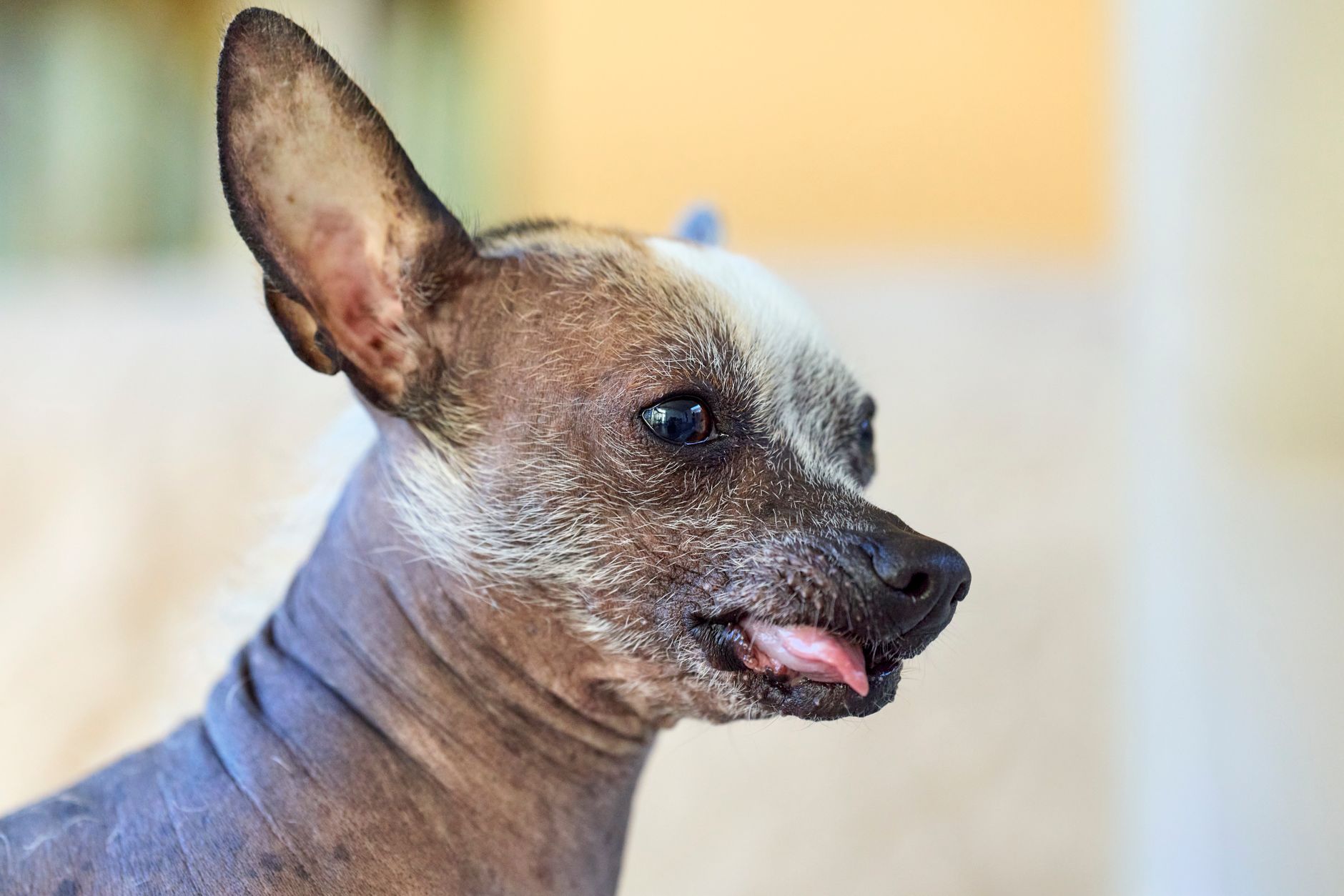
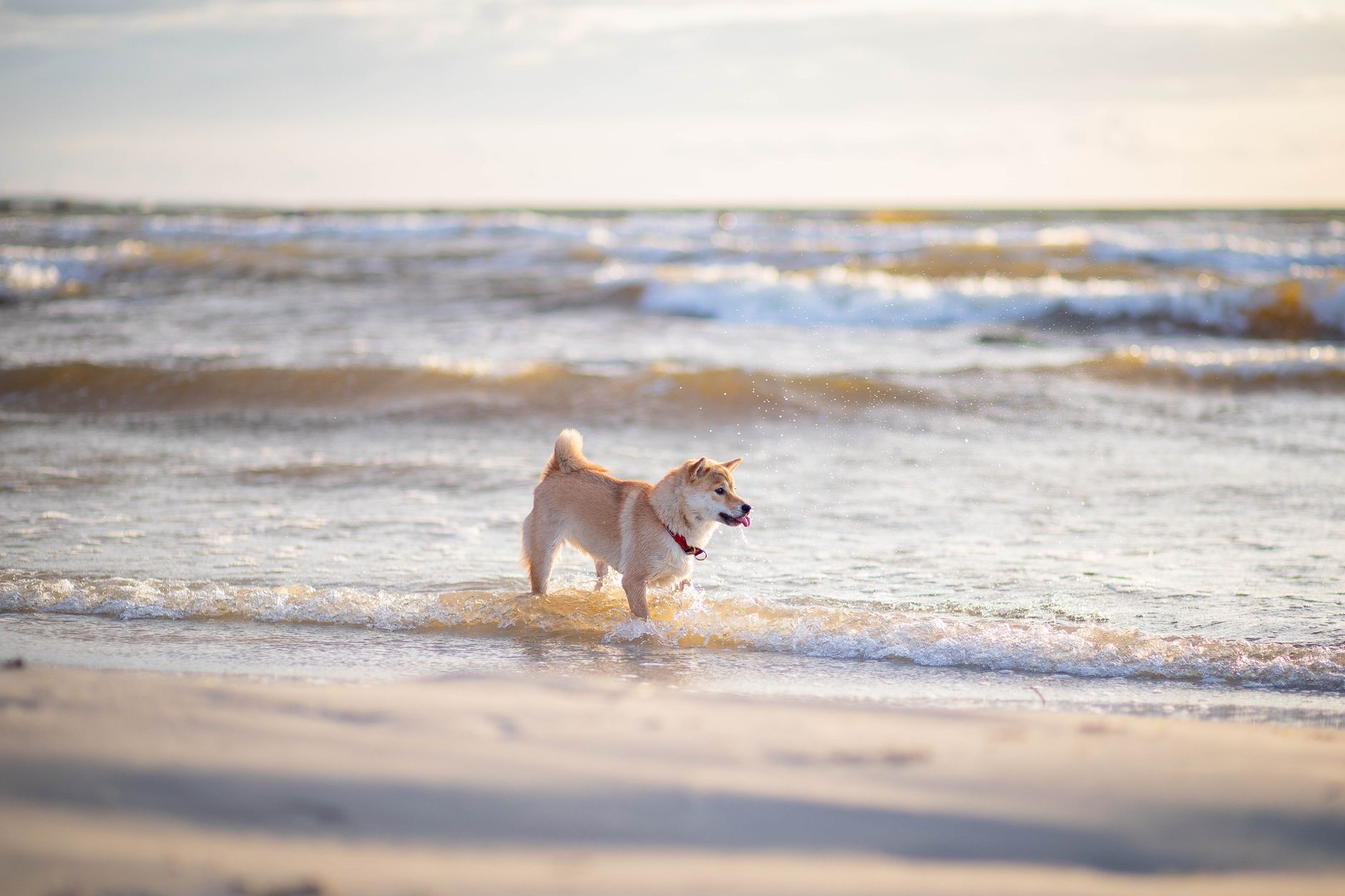
Which breeds are least clingy? Independent breeds like Shiba Inus or Chinese Cresteds may be less clingy, but individual personality matters. If you want a more independent dog, consider these breeds, but always meet the individual dog.
Do clingy dogs make good emotional support animals? Their affectionate nature can be comforting, but they still need training and proper care. Clinginess alone doesn't qualify a dog as an emotional support animal.
Final Thoughts
Clingy dogs can be incredibly loving companions, but they require time, attention, and a commitment to fostering independence. Whether you choose a Vizsla, a Doberman, or a Chihuahua, understanding their needs will help you build a happy, balanced relationship. If you're considering a new dog, check out What To Know Before Getting A Dog for a realistic look at the 15-year commitment. And if you're wondering about the legitimacy of emotional support dogs, see Are Emotional Support Dogs Legitimate?. For those in apartments, 5 Easiest Dog Breeds To Potty Train For Apartments can help you choose a breed that fits your living space. If you're concerned about sensitivity, 15 Dog Breeds More Sensitive Than You Think is a must-read. And for a calming solution, consider a Bedsure Calming Dog Bed Review.
Source: Canine Journal