22 Independent Dog Breeds That Do Things Their Own Way
Introduction
Some dogs live to please. They follow you from room to room, hang on your every word, and treat your approval as the center of the universe. And then there are the others—the dogs who love you deeply but reserve the right to think about it first. These are the independent breeds, and they have a quiet confidence all their own.
According to Canine Journal, independent dogs are often devoted without being needy, comfortable entertaining themselves, and less prone to separation anxiety. They are happy coexisting near—not on top of—their owners. Many were originally developed to work without constant human direction, from hunting dogs following scent trails to sled dogs making split-second decisions in motion.
In this guide, we'll explore 22 independent dog breeds, organized into pint-sized, medium-sized, and large independent dogs. We'll look at what independence actually means, why it can be both a gift and a challenge, and how to figure out whether one of these self-possessed companions is right for you.
What Independence Looks Like In Dogs
Independence in dogs isn't aloofness or a lack of love. According to Canine Journal, independent dogs are often self-confident and decisive, emotionally self-contained, and strong-willed during training. They're also suspiciously comfortable ignoring instructions they disagree with—a trait that can be charming or maddening, depending on the day.
Many independent breeds were originally developed to work without constant human direction. Hunting dogs followed scent trails on their own, guard dogs assessed threats independently, and sled dogs made quick decisions while in motion. Generations of breeding for these jobs produced dogs who can think for themselves and act without waiting for a cue.
That doesn't mean they're cold. Independent dogs bond closely with their people, but they show affection through quiet presence and selective availability rather than constant shadowing. As Canine Journal puts it, they are not cold or unfriendly—most bond closely with their people but tend to show affection through quiet presence, confidence, and selective affection instead of constant shadowing.
Some independent dogs even look at you like asking them to sit was honestly a little disrespectful. It's not defiance for its own sake; it's a different style of relating. These dogs are partners, not followers, and they tend to thrive when given room to make choices within clear boundaries.
Why Independence Can Be Both A Gift And A Potential Problem
Independence in dogs is a double-edged sword. According to Canine Journal, it does not always mean low-maintenance; it can be both a gift and a potential problem. Understanding both sides helps owners set realistic expectations.
On the gift side, independent dogs are often less prone to separation anxiety and comfortable entertaining themselves. That makes them a good fit for busy owners who can't be home all day. They don't need constant attention to feel secure, and they're often content to nap nearby while you work. Their self-confidence can also make them calm, steady companions in unpredictable situations.
On the problem side, that same self-assurance can make training feel like a negotiation rather than a command. Canine Journal notes that independent dogs can be strong-willed during training and may ignore instructions they disagree with. For first-time owners, this can be challenging—the article doesn't explicitly answer whether independent dogs are good for first-time owners, but it does flag that strong-willed tendencies may require patience and consistency.
Independence also doesn't mean a dog will thrive on neglect. Some breeds still require significant exercise and mental stimulation, even if they're fine on their own. The key is to match the dog's natural style with your lifestyle. If you want a velcro dog that hangs on your every word, an independent breed may frustrate you. If you want a companion who loves you but also has a life of their own, you may have found your match. For a deeper look at the opposite end of the spectrum, see 18 Surprisingly Clingy Dog Breeds: Velcro Dogs You Wouldn't Expect.
Pint-Sized Dogs With Big Opinions
Small doesn't mean simple. Several of the most independent breeds weigh under 25 pounds but carry themselves like they run the place.
Shiba Inu
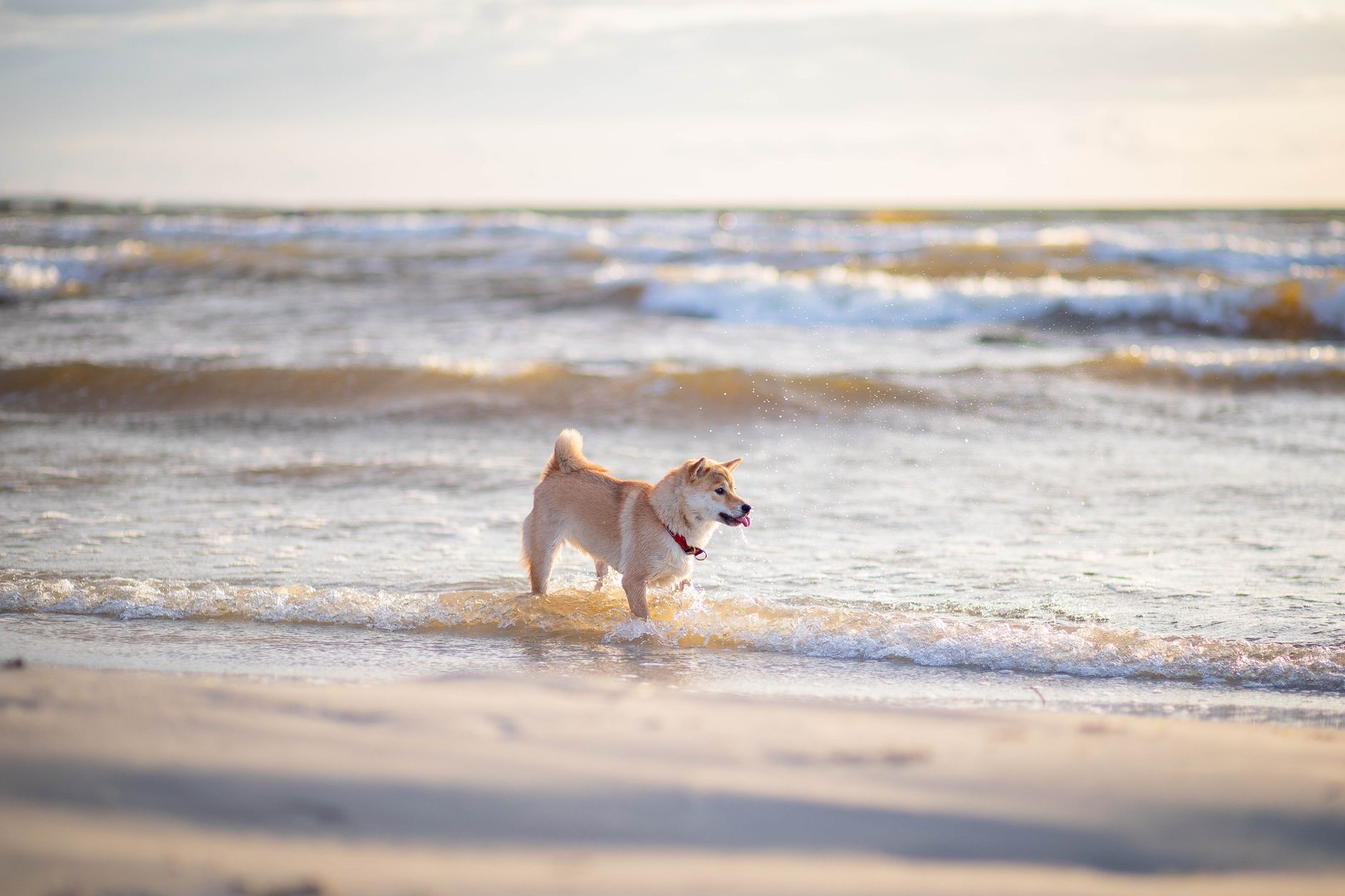
Shiba Inus were originally bred in Japan for hunting, usually weigh under 25 pounds, and are intelligent, observant, and famously self-directed. Canine Journal describes them as basically the physical embodiment of "I'll think about it." They're also known for being strong-willed and less eager to cooperate, making training feel like a negotiation. If you're considering one, read Are Shiba Inus Good Pets? 7 Truths You Must Know and 5 Dangerous Shiba Inu Myths You Still Believe (And How to Fix Them).
Scottish Terrier
Scottish Terriers were originally bred in Scotland to hunt vermin, typically weigh between 18 and 22 pounds, and are known for being independent, dignified, and extremely confident for their size. They're not the type to beg for approval—they'd rather handle things themselves.
West Highland White Terrier
West Highland White Terriers were originally bred in Scotland to hunt rats and other small prey, typically weigh between 15 and 20 pounds, and are usually happy to entertain themselves. They're sturdy, self-reliant little dogs with a cheerful independent streak.
Lhasa Apso
Lhasa Apsos were originally bred to guard Tibetan monasteries and tend to be affectionate with families while remaining naturally cautious, observant, and emotionally self-contained. They're watchful without being clingy. For more on independent guard dogs, see 7 Low-Maintenance Guard Dogs for Families.
Pekingese
Pekingese were originally bred to live with Chinese royalty, typically weigh between 7 and 14 pounds, and often prefer calm environments and predictable routines. Canine Journal notes they often seem mildly offended that modern households expect participation.
Basenji
Basenjis were originally developed as hunting dogs in Central Africa, typically weigh between 20 and 25 pounds, and are one of the most famously cat-like dog breeds. They make unusual yodel-like sounds instead of barking. They're also known for being strong-willed and less eager to cooperate.
Miniature Schnauzer
Miniature Schnauzers were originally bred in Germany as farm dogs and ratters, typically weigh between 11 and 20 pounds, and are alert, independent, and self-assured. Canine Journal compares them to tiny neighborhood watch captains who appointed themselves without an election.
Japanese Chin
Japanese Chins were originally bred as companion dogs for Japanese nobility, typically weigh between 7 and 11 pounds, and are quiet, observant, and oddly cat-like. They often seem less like dogs and more like tiny aristocrats temporarily tolerating domestic life.
Medium-Sized Dogs With Strong Independent Streaks
The verified facts for this article focus on pint-sized and large independent breeds, with medium-sized dogs represented by the Miniature Schnauzer (11–20 pounds) and the Basenji (20–25 pounds). Both sit at the smaller end of medium, but their personalities are anything but small. The Miniature Schnauzer's alert, self-assured nature and the Basenji's cat-like self-containment show that independence isn't about size—it's about attitude. For a fuller medium-sized list, the original Canine Journal article categorizes breeds into pint-sized, medium-sized, and large independent dogs, so there's plenty more to explore if you're looking for a mid-range independent companion.
Large Independent Dogs With Quiet Confidence
Large independent dogs bring a different flavor of self-reliance. They're often calm, capable, and perfectly happy to make their own decisions.
Siberian Husky
Siberian Huskies were originally bred to pull sleds across long Arctic distances, typically weigh between 35 and 60 pounds, and are known for selective listening and escape artist tendencies. Canine Journal describes them as having an almost inspirational commitment to doing whatever seemed like a better idea at the time. They're also among the breeds known for being strong-willed and less eager to cooperate, so training can feel like a negotiation.
English Bulldog
English Bulldogs approach life with the energy of someone who has already sat down and would rather not get up. They're not driven to constant motion or eager obedience; they're content to observe from a comfortable spot. That laid-back independence can be a welcome change for owners who don't want a high-energy shadow.
Chow Chow
While the verified facts don't detail the Chow Chow's origins or size, Canine Journal lists them among the breeds known for being strong-willed and less eager to cooperate. That places them firmly in the large independent category for training purposes—dogs who prefer to think things through on their own terms.
Independent Doesn't Always Mean Low-Maintenance
It's tempting to assume that an independent dog is an easy dog. According to Canine Journal, independence does not always mean low-maintenance; it can be both a gift and a potential problem. Some independent breeds still require significant exercise and mental stimulation, even if they're comfortable entertaining themselves.
A Siberian Husky, for example, was bred to pull sleds across long Arctic distances. That's a lot of physical and mental energy, and it doesn't disappear just because the dog is fine alone. A Basenji may be clean and quiet, but it's still a hunting dog with needs. A Shiba Inu may be self-directed, but that doesn't mean it's satisfied with a quick walk around the block.
The gift of independence is that these dogs are often less prone to separation anxiety and comfortable entertaining themselves. That can make them a good fit for busy owners. But the potential problem is that owners may mistake independence for low needs. In reality, many independent breeds need just as much exercise, enrichment, and training as their more eager-to-please counterparts—sometimes more, because they won't ask for it.
The takeaway: independence changes the style of care, not the amount. You still need to meet the dog's physical and mental requirements. The difference is that you may not get constant reminders. Before choosing any breed, consider the long-term commitment—see What To Know Before Getting A Dog: The Brutal 15-Year Reality Check.
The Catch With Independent Dogs: Training Can Be… A Conversation
Training an independent dog is less about giving commands and more about having a conversation. Canine Journal notes that independent dogs can be strong-willed during training and may ignore instructions they disagree with. Some look at you like asking them to sit was honestly a little disrespectful.
Breeds known for being strong-willed and less eager to cooperate include Shiba Inus, Basenjis, Siberian Huskies, and Chow Chows. Training these dogs can feel like a negotiation rather than a command. That doesn't mean they can't be trained—it means the process looks different. You'll need patience, consistency, and a good sense of humor.
For first-time owners, this can be challenging. The article doesn't explicitly answer whether independent dogs are good for first-time owners, but it does flag that strong-willed tendencies and a willingness to ignore instructions could be difficult for someone without prior experience. If you're new to dogs, you may want to work with a trainer or choose a breed known for being more eager to please.
On the other hand, if you enjoy a challenge and respect a dog with opinions, training an independent breed can be deeply rewarding. You're not just teaching obedience; you're building a partnership with a thinking animal who has their own ideas. That's a different kind of relationship—and for the right owner, a better one.
Which Independent Dog Breed Matches Your Personality?
Matching with an independent dog is about more than size. It's about temperament, energy, and how much negotiation you're willing to do.
If you want a small, self-directed dog with a sense of humor, a Shiba Inu might fit. They're intelligent, observant, and famously self-directed—basically the physical embodiment of "I'll think about it." If you prefer a dignified, confident terrier, a Scottish Terrier could be your match. If you want a self-entertaining little dog, a West Highland White Terrier is usually happy to do their own thing.
For a watchful, emotionally self-contained companion, a Lhasa Apso or Japanese Chin could work. If you want a calm, routine-loving royal, a Pekingese might be your dog. And if you're drawn to cat-like independence, a Basenji—clean, quiet, and yodeling instead of barking—is a strong contender. Japanese Chins are also described as oddly cat-like.
If you want a tiny self-appointed neighborhood watch captain, a Miniature Schnauzer fits the bill. For a large dog with selective listening and escape artist tendencies, a Siberian Husky will keep you on your toes. And if you want a dog with the energy of someone who has already sat down, an English Bulldog might be your spirit animal.
The best match is the one whose independence you find charming rather than frustrating. These dogs love you, but they'll do it their own way. If you live in an apartment, you might also check 5 Easiest Dog Breeds To Potty Train For Apartments (And High-Rise Hacks).
Frequently Asked Questions
Are Independent Dogs Less Affectionate?
No. According to Canine Journal, independent dogs are not cold or unfriendly. Most bond closely with their people but tend to show affection through quiet presence, confidence, and selective affection instead of constant shadowing.
Are Independent Dogs Better For Busy Owners?
They can be a good fit because they are often comfortable entertaining themselves and less prone to separation anxiety. However, independence does not always mean low-maintenance, and some breeds still require significant exercise and mental stimulation.
Which Independent Dog Breeds Are Hardest To Train?
Breeds known for being strong-willed and less eager to cooperate include Shiba Inus, Basenjis, Siberian Huskies, and Chow Chows. Training these dogs can feel like a negotiation rather than a command.
Are Independent Dogs Good For First-Time Owners?
The article does not explicitly answer this, but it notes that independent dogs can be strong-willed during training and may ignore instructions they disagree with, which could be challenging for first-time owners.
What's The Most Cat-like Independent Dog Breed?
Basenjis are described as one of the most famously cat-like dog breeds, known for being clean, quiet, and perfectly content to entertain themselves. Japanese Chins are also described as oddly cat-like in personality and behavior.
Source: Canine Journal