11 Curious Dog Breeds That Would Investigate a Haunted House
Some dogs seem to have a nose for mystery—literally. While a haunted house might send shivers down human spines, certain breeds would approach it with tails wagging and senses fully engaged. These dogs are driven by curiosity, scent, sound, and movement, traits honed over generations of breeding for specific jobs. From scent hounds that track trails with unwavering determination to herding dogs that notice every subtle change in their environment, these breeds are wired to investigate.
In this article, we'll explore 11 dog breeds that would likely be first through the creaky door of a haunted house. We'll look at what makes each breed tick—their history, instincts, and natural inclinations—and why they might find the unknown more fascinating than frightening. According to iHeartDogs, these breeds include the Beagle, Bloodhound, Dachshund, Jack Russell Terrier, German Shepherd, Border Collie, Labrador Retriever, Australian Shepherd, Siberian Husky, Belgian Malinois, and Miniature Schnauzer. While individual dogs differ in temperament, these breeds share a common thread: a strong drive to explore, investigate, and engage with the world around them.
Quick Comparison: The 11 Curious Breeds at a Glance
| Breed | Group | Key Trait | Why They'd Investigate |
|---|---|---|---|
| Beagle | Scent hound | Extraordinary nose | Follows every mysterious smell |
| Bloodhound | Scent hound | Determined tracker | Locks onto faint scents and won't quit |
| Dachshund | Hound | Bold despite size | Explores tight spaces fearlessly |
| Jack Russell Terrier | Terrier | Energetic and tenacious | Investigates every sound and movement |
| German Shepherd | Herding/working | Search and detection skills | Methodically checks each room |
| Border Collie | Herding | Intense focus | Treats the house like a puzzle |
| Australian Shepherd | Herding | Alert and eager to work | Covers every inch with their person |
| Belgian Malinois | Working | High drive and athleticism | Fearlessly covers ground quickly |
| Labrador Retriever | Sporting | Sociable and trainable | Sees it as a shared adventure |
| Siberian Husky | Working | Energetic and independent | Explores on their own terms |
| Miniature Schnauzer | Terrier | Practical watchdog | Checks out every creak and movement |
Scent-Driven Detectives: Beagle and Bloodhound
When it comes to investigating a haunted house, the nose knows. Beagles and Bloodhounds are legendary for their scenting abilities, making them the ultimate sleuths in any spooky situation.
Beagle
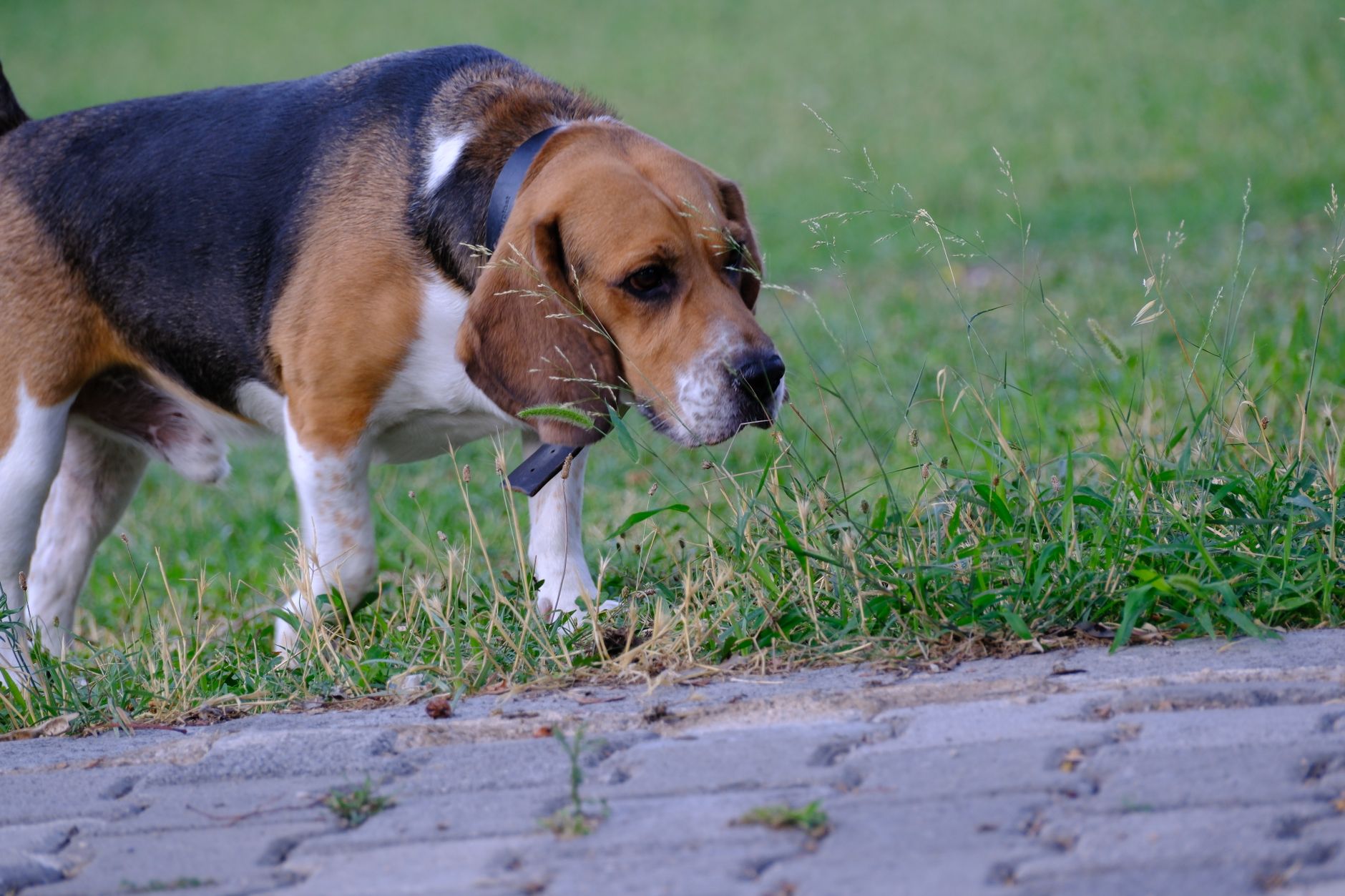
Beagles were originally developed for hunting rabbits and have extraordinary scenting abilities, according to iHeartDogs. This means they are constantly tuned in to the world of smells, and a haunted house would present a treasure trove of intriguing odors—dusty corners, old wood, and perhaps the lingering scent of previous visitors (ghostly or otherwise). Beagles are friendly, inquisitive, and persistent, so they wouldn't be easily deterred by a creaking floorboard or a flickering candle. They'd follow their noses from room to room, tail wagging, eager to uncover the source of every mysterious smell. Their persistence means that once they're on a scent, they won't give up easily.
Bloodhound
Bloodhounds are the quintessential trackers, with loose facial skin and long ears that help funnel scents to their powerful noses, as noted by iHeartDogs. They are determined trackers, and once they pick up a trail, redirecting their attention can be difficult. In a haunted house, a Bloodhound would likely pick up on a faint scent—perhaps something that shouldn't be there—and become laser-focused on following it to its source. Their determination is both impressive and, at times, a bit stubborn; they won't be easily called off a trail. This makes them ideal for investigating mysterious occurrences, as they'll methodically work a scent until they've satisfied their curiosity. Of course, their strong tracking instinct means they might need a patient handler to gently guide them away when it's time to leave.
Bold Small Breeds: Dachshund and Jack Russell Terrier
Don't let their size fool you—these small breeds pack a punch of courage and curiosity. They were bred for jobs that required boldness and tenacity, making them perfect candidates for exploring a haunted house.
Dachshund
Dachshunds were bred to pursue animals underground and have a bold attitude despite their small size, according to iHeartDogs. This history of badger hunting means they're accustomed to tight spaces and aren't easily intimidated. Their curious personalities and bold attitudes would drive them to investigate every nook and cranny of a haunted house, from the cobweb-filled basement to the dusty attic. They might not be the fastest, but their determination and courage mean they won't back down from a strange noise or a shadowy figure. In fact, they might just bark at it until they've figured out what it is. If you're considering one, learn [is a Mini Dachshund right for you](/is-a-mini-dachshund-right-for-you) before you commit.
Jack Russell Terrier
Jack Russell Terriers were bred to hunt foxes and are energetic, intelligent, and tenacious, as noted by iHeartDogs. These traits make them natural investigators: they tend to notice movement, investigate interesting sounds, and remain engaged when something captures their attention. In a haunted house, a Jack Russell would be darting from one room to another, investigating every bump, creak, and flicker of light. Their tenacity means they won't give up until they've uncovered the source of the mystery—or until they've decided it's time for a nap. Their intelligence and energy make them excellent problem-solvers, so they might just figure out that the "ghost" is actually a drafty window.
Intelligent Herders and Workers: German Shepherd, Border Collie, Australian Shepherd, and Belgian Malinois
These breeds are the brainiacs and workaholics of the dog world. Bred for demanding tasks, they thrive on mental and physical challenges—making a haunted house just another puzzle to solve.
German Shepherd
German Shepherds are often trained for search and detection tasks and have protective instincts, according to iHeartDogs. This combination of skills makes them ideal for investigating a haunted house: they'd use their noses and eyes to search every room, and their protective instincts would kick in if they sensed anything amiss. German Shepherds need appropriate socialization, exercise, and mental stimulation to thrive, so a haunted house would provide plenty of mental stimulation—perhaps too much! They might be cautious at first, but their training and natural curiosity would soon have them methodically checking each room, alert and ready to respond to any surprises. Their protective side is why many people consider them among the best guard dogs for families.
Border Collie
Border Collies are famous for intelligence and focus, developed primarily for herding livestock, as noted by iHeartDogs. Their intense focus means they can concentrate on a task for long periods, which would serve them well in a haunted house. They thrive when given meaningful tasks that challenge both mind and body, so exploring a mysterious house would be right up their alley. They might approach it like a herding exercise, systematically checking each area and keeping track of every detail. Their intelligence means they might even figure out the logical explanation for the spooky occurrences—or at least try to herd the ghosts into a corner. If you love the Border Collie's drive, explore Border Collies and similar breeds.
Australian Shepherd
Australian Shepherds were developed in the United States as herding dogs, according to iHeartDogs. They are energetic herding dogs known for their intelligence, alertness, and eagerness to work with their people. In a haunted house, an Aussie would be alert to every sound and movement, eager to investigate alongside their human. Their energy means they'd cover every inch of the house, and their intelligence would help them make sense of the strange sights and sounds. They'd likely stay close to their person, ready to work as a team to uncover the mystery.
Belgian Malinois
Belgian Malinois are athletic, highly driven working breeds often used for demanding tasks, as noted by iHeartDogs. They generally need substantial physical activity, mental enrichment, and thoughtful training. A haunted house would provide plenty of mental enrichment—perhaps too much for a breed that thrives on structure and purpose. Their athleticism and drive would make them formidable investigators, capable of covering ground quickly and fearlessly. However, their intensity means they might need a calm, confident handler to keep them focused on the task rather than getting overwhelmed by the spooky atmosphere.
Friendly and Independent Adventurers: Labrador Retriever, Siberian Husky, and Miniature Schnauzer
These breeds bring a mix of sociability and independence to the investigation. Whether they're greeting ghosts as new friends or striking out on their own, they'd approach a haunted house with enthusiasm.
Labrador Retriever
Labrador Retrievers were developed as retrieving dogs and are known for trainability and sociability, according to iHeartDogs. They are widely appreciated for their trainability, sociability, and enthusiasm for activities with their people. In a haunted house, a Lab would likely see it as an adventure to share with their human. They'd enthusiastically explore each room, perhaps retrieving "treasures" (like old cobwebs or dusty objects) and bringing them back to show off. Their sociable nature means they'd probably try to make friends with any ghosts they encounter, and their trainability means they'd be responsive to their owner's cues if things got too spooky. To keep a Labrador healthy and curious for years, focus on lifespan-friendly care.
Siberian Husky
Siberian Huskies were bred as sled dogs and are energetic and independent, as noted by iHeartDogs. They are energetic, independent, and accustomed to working in demanding conditions alongside other dogs and people. In a haunted house, a Husky would likely be more interested in exploring than in being scared. Their independence means they might wander off on their own investigation, so supervision is important for independent breeds like Huskies. They'd cover a lot of ground with their energy, and their experience working in demanding conditions means they're not easily fazed by strange noises or unsettling atmospheres. If you like independent breeds, you may also enjoy learning whether Shiba Inus are good pets.
Miniature Schnauzer
Miniature Schnauzers were developed in Germany as farm dogs and rat catchers, according to iHeartDogs. They have a history of noticing activity and investigating small animals around buildings. This makes them natural investigators of anything that moves or makes a sound—including the creaks and groans of an old house. In a haunted house, a Miniature Schnauzer would be alert and curious, checking out every corner and perhaps barking at any unexpected movement. Their farm-dog background means they're used to being on the lookout for pests, so they'd approach the haunted house with a practical, no-nonsense attitude.
Safety and Temperament: Ensuring a Positive Experience
While it's fun to imagine these breeds bravely exploring a haunted house, it's important to remember that individual dogs differ in temperament, as iHeartDogs notes. Even brave dogs deserve comfort and reassurance. A haunted house—with its strange noises, sudden movements, and unfamiliar scents—can be stressful for any dog, no matter how curious or bold they are. The article suggests gentle exploration rather than encouraging dogs to confront frightening things. So, if you're ever tempted to take your dog into a spooky situation, keep it light and positive. Watch for signs of stress, and be ready to comfort and reassure your dog if needed. After all, the best investigations are the ones where everyone feels safe and secure.
Frequently Asked Questions
Are these breeds good for first-time owners? Some are more challenging than others. High-drive breeds like the Belgian Malinois and Border Collie need experienced handling, while Labs and Beagles are often more forgiving. If you're new to dog ownership, review guidance for first-time owners before choosing.
Do curious breeds need more training? Yes—mental stimulation matters. Breeds like the Jack Russell Terrier and Miniature Schnauzer benefit from structured games and early potty train routines that build focus.
Which of these breeds sheds the most? Coat type varies widely. If allergies are a concern, understand what hypoallergenic really means before picking a breed.
Can any of these breeds be emotional support animals? Many sociable breeds, like the Labrador Retriever, can provide comfort. Learn whether emotional support dogs are legitimate and how they help.
Do these breeds have a mischievous streak? Absolutely—curiosity often comes with a playful, mischievous look and behavior. Channel that energy into training and enrichment.
Final Thoughts
From the nose-first Beagle to the fearless Belgian Malinois, these 11 curious dog breeds would approach a haunted house as an adventure rather than a fright. Their instincts—scenting, herding, retrieving, and problem-solving—make them natural investigators. But whether you're exploring a spooky old house or simply walking your neighborhood, remember that every dog is an individual. Keep experiences positive, watch for stress, and let curiosity lead the way.
Source: iHeartDogs