20 Dog Breeds That Need a Job: Working Drive Guide
Introduction
Some dogs wake up looking for an assignment, not a nap. If you share your home with one, you know the feeling: you finish a long walk, and your dog stares at you as if to ask, "What are we doing now?" That is not just high energy. It is working drive, and it is a different thing entirely.
According to Canine Journal, a dog with strong working drive wants a problem to solve, an instinct to use, or an outcome to accomplish. Physical exercise alone often will not satisfy that need. A long walk may satisfy one dog but leave a high-drive dog asking for more.
The good news: you do not need a farm, livestock, or a formal job title. A dog's job can be entirely invented—no sheep required. This guide covers what it means when a dog needs a job, the 20 breeds with the strongest working drive, and how to give your dog meaningful work at home.
What Does It Mean When A Dog 'Needs A Job'?
When people hear that a dog "needs a job," they picture a Border Collie herding sheep or a German Shepherd patrolling a perimeter. The concept is broader and more practical.
Working drive is not the same as high energy. A high-energy dog may simply need more running, swimming, or fetch. A high-drive dog needs a purpose. According to Canine Journal, a dog with strong working drive wants a problem to solve, an instinct to use, or an outcome to accomplish.
That distinction matters. You can walk a high-drive dog for miles and still come home to a restless, unsatisfied animal. The walk burned calories, but it did not answer the question the dog was asking. Canine Journal notes that a long walk may satisfy one dog but leave a high-drive dog asking, "What are we doing now?"
A job gives the dog a target, a task, and a sense of completion. It can be as simple as finding a hidden toy or as complex as a chain of tricks. The key is that the dog is working toward something, not just moving.
When a strong work drive goes unmet, it often shows up as unwanted behavior—herding the cat, circling children, or "helping" with the mail. The job itself can be invented. According to Canine Journal, a dog's job can be entirely invented and does not require livestock or a farm. That means any owner, in any home, can provide meaningful work.
20 Dog Breeds That Love Having A Job
According to Canine Journal, these 20 breeds have high working drive: Border Collie, Labrador Retriever, Australian Shepherd, Jack Russell Terrier, German Shepherd, Golden Retriever, Belgian Malinois, Pembroke Welsh Corgi, Newfoundland, Australian Cattle Dog (Blue Heeler), Doberman Pinscher, Bloodhound, Rottweiler, Vizsla, Siberian Husky, Anatolian Shepherd, English Springer Spaniel, Beagle, Giant Schnauzer, and Bernese Mountain Dog.
Each was developed for a specific kind of work, and that history still shapes what they need today.
- Border Collie: Bred to gather and move sheep; combines intense handler focus with fast independent decision-making. Without a job, they may stalk the family cat, circle running children, or worry that barbecue guests have wandered out of formation.
- Labrador Retriever: Developed to retrieve game and work closely with people; excels in assistance work, detection, and search and rescue. At home, Labs may turn forbidden household objects into unauthorized retrieval practice.
- Australian Shepherd: A versatile ranch dog expected to handle livestock and adapt to varied daily work.
- Jack Russell Terrier: Developed to pursue foxes and other quarry, requiring courage, persistence, and independence to work underground without constant human direction. They fit an astonishing amount of ambition into 15 pounds of dog.
- German Shepherd: Has excelled in police work, military roles, search and rescue, detection, service work, and protection. They may observe, evaluate, and add the delivery driver to the file.
- Golden Retriever: Developed to retrieve game carefully over land and water without damaging the birds, requiring responsiveness and close partnership with a person.
The remaining breeds share similar histories of purposeful work, from herding and guarding to hunting and hauling. The common thread is not size or energy level but a bred-in expectation that they will do something useful alongside their people.
Your Mixed-Breed Dog May Want A Job, Too
Working drive is not reserved for purebred dogs. According to Canine Journal, the article includes a section titled "Your Mixed-Breed Dog May Want A Job, Too." That is an important reminder for anyone who shares life with a rescue or mixed-breed companion.
A dog does not need papers or a breed standard to have a strong desire to work. If your dog is a Border Collie mix, a Labrador mix, or a mystery blend with a herding or retrieving background, the same principles apply.
The signs are often the same: pacing, staring, nudging, barking at nothing, or inventing games with household objects. These are not necessarily signs of a "bad" dog. They are signs of a dog looking for an assignment.
Canine Journal also includes a section titled "When A Strong Work Drive Becomes Something More." That section suggests a work drive can tip into something that needs closer attention. The FAQ addresses whether your dog is bored, overtired, or just really high-energy. Those are useful questions to ask before assuming your dog simply needs more exercise.
A mixed-breed dog with working instincts may benefit from the same invented jobs as a purebred. The job does not have to look official. It just has to matter to the dog. According to Canine Journal, a dog's job can be entirely invented—no sheep required.
You Don't Need Sheep: 10 Jobs Your Dog Can Do At Home
According to Canine Journal, the article suggests 10 at-home jobs for dogs:
- Play 'Find It'
- Teach Them The Names Of Their Toys
- Put The Toys Away
- Deliver Household Objects
- Let Their Nose Do The Work
- Make Them Work For Dinner
- Build A Chain Of Tricks
- Build A Backyard Agility Course
- Make Fetch More Interesting
- Give Walks A Purpose
These are not busywork. Each taps into a real instinct or skill and gives the dog an outcome to accomplish.
- Play 'Find It' turns a simple game into a search task.
- Teach Them The Names Of Their Toys builds vocabulary and focus.
- Put The Toys Away gives the dog a clear job with a beginning and an end.
- Deliver Household Objects uses retrieval instincts in a helpful way.
- Let Their Nose Do The Work is especially valuable for scent-driven breeds like Bloodhounds and Beagles.
- Make Them Work For Dinner turns mealtime into a problem to solve.
- Build A Chain Of Tricks creates a sequence the dog must remember and perform.
- Build A Backyard Agility Course adds physical and mental challenge.
- Make Fetch More Interesting adds rules and variety to a familiar game.
- Give Walks A Purpose turns a routine outing into a mission.
Canine Journal does not provide a specific daily duration for mental stimulation. It emphasizes that high-drive breeds need substantial daily activity plus challenging mental work, and that the right job depends on what the individual dog finds rewarding. A job that bores your dog is not a job. A job that lights up your dog's brain is worth more than an extra mile on the leash.
Match The Job To The Dog
Not every job fits every dog. The right job depends on what the individual dog finds rewarding, according to Canine Journal.
- A Border Collie may thrive on a complex chain of tricks or a backyard agility course because the breed was developed to combine intense handler focus with fast independent decision-making.
- A Labrador Retriever may prefer delivering household objects or playing 'Find It', reflecting its history of retrieving game and working closely with people.
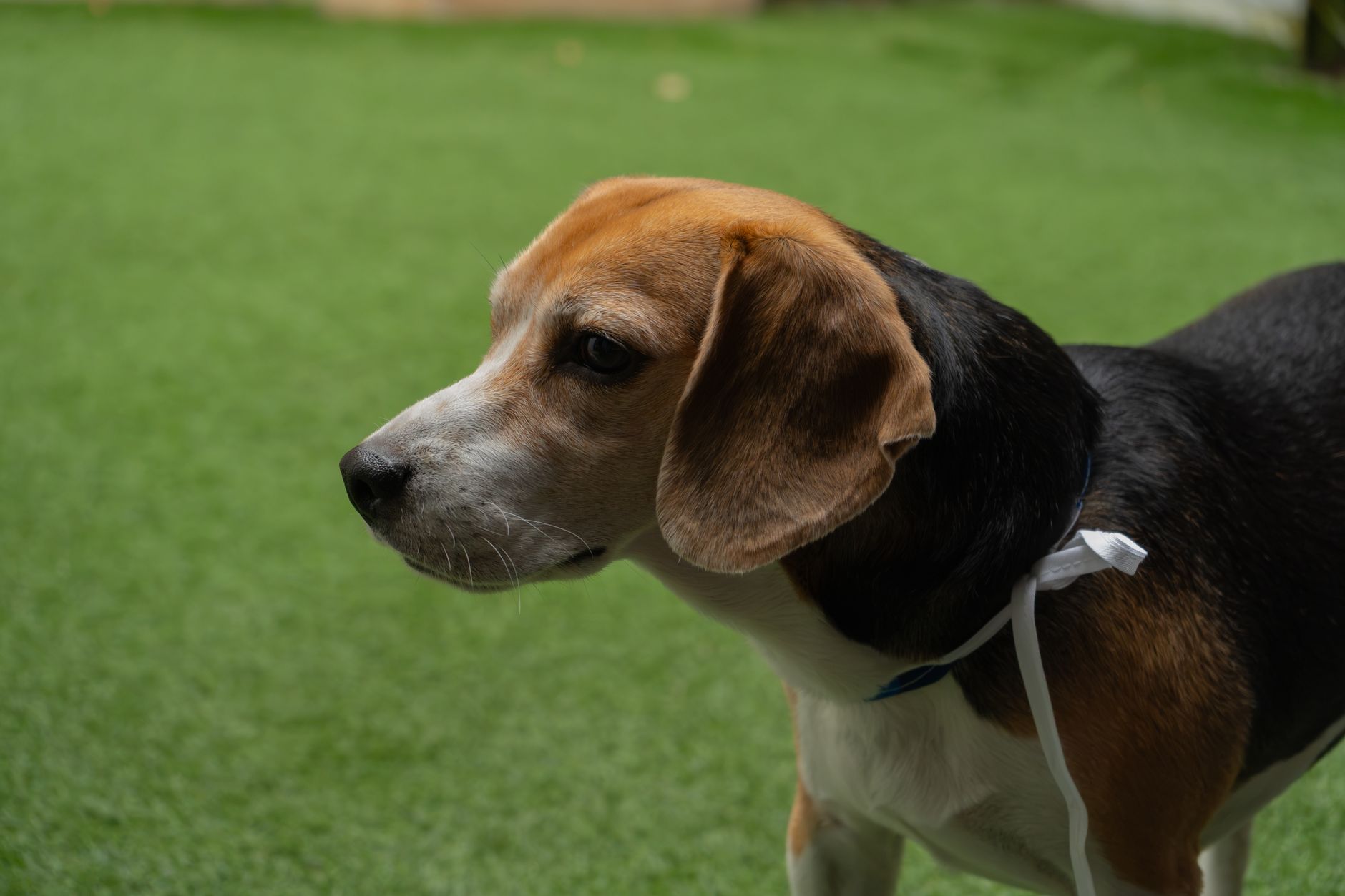
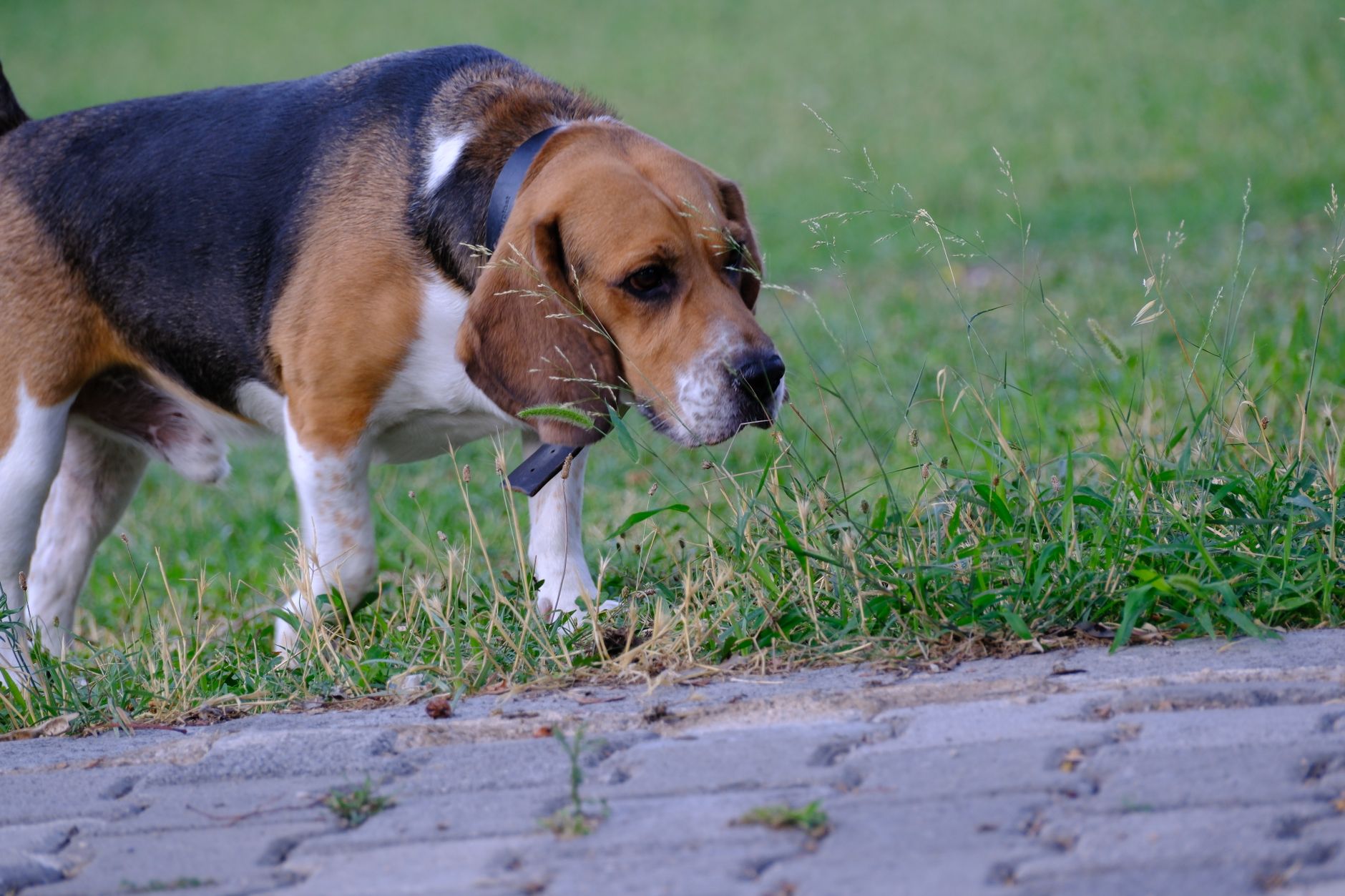
- A Bloodhound or Beagle may find the most satisfaction in scent work—letting their nose do the work.
- A Jack Russell Terrier may need a job that allows independence and persistence, since the breed was developed to work underground without constant human direction.
- A German Shepherd may excel at a job that involves watching, patrolling, or problem-solving, drawing on its history in police work, military roles, search and rescue, detection, service work, and protection.
Canine Journal does not directly answer whether working breeds make good family dogs, but it notes that breeds like Australian Shepherds may redirect herding instincts toward children or pets, and German Shepherds are loyal and observant but may become anxious or reactive if needs go unmet. That is not a reason to avoid these breeds. It is a reason to take their work drive seriously.
When you match the job to the dog, you are not just keeping them busy. You are speaking their language. If you are still deciding whether a high-drive breed fits your life, start with What To Know Before Getting A Dog. For families wanting protection without extreme drive, see 7 Low-Maintenance Guard Dogs for Families.
When A Strong Work Drive Becomes Something More
A strong work drive is not a problem in itself. It becomes something more when it goes unmet. According to Canine Journal, the article includes a section titled "When A Strong Work Drive Becomes Something More." That section, along with the FAQ, addresses questions like:
- Which dog breeds need the most mental stimulation?
- How much mental stimulation does a dog need every day?
- Do working breeds make good family dogs?
- Is your dog bored, overtired, or just really high-energy?
These are the questions owners ask when a dog's behavior starts to feel like too much. Canine Journal does not provide a specific daily duration for mental stimulation. Instead, it emphasizes that high-drive breeds need substantial daily activity plus challenging mental work. It also notes that the right job depends on what the individual dog finds rewarding.
If your dog is pacing, barking, herding the cat, or "adding the delivery driver to the file," those are signals. They may mean your dog is bored. They may mean your dog is overtired. They may mean your dog is simply high-energy. The distinction matters because the solution is different for each.
- A bored dog needs a job.
- An overtired dog needs rest.
- A high-energy dog needs more physical outlet.
- A high-drive dog may need all three, in the right proportions.
The good news is that you do not need a farm to provide meaningful work. A dog's job can be entirely invented—no sheep required. You can start today with a simple game of 'Find It' or a new trick. The goal is not to exhaust your dog. The goal is to give your dog something to accomplish. When you do that, you are not just managing behavior. You are meeting a need that was bred into them.
Quick Reference: Matching Jobs to Drives
| Breed | Original Work | At-Home Job Idea |
|---|---|---|
| Border Collie | Herding sheep | Chain of tricks, agility |
| Labrador Retriever | Retrieving game | Deliver objects, 'Find It' |
| Bloodhound | Tracking | Scent work, nose games |
| Jack Russell Terrier | Fox hunting | Independent puzzle toys |
| German Shepherd | Police, protection | Patrol, watch, problem-solving |
Frequently Asked Questions
Do all high-energy dogs need a job? No. High energy and working drive are different. A high-energy dog may just need more physical exercise. A high-drive dog needs a purpose.
Can I give my dog a job in an apartment? Yes. Jobs like 'Find It', toy names, and scent work fit small spaces. If you are in an apartment, see 5 Easiest Dog Breeds To Potty Train For Apartments.
How do I know if my dog is bored or overtired? Canine Journal's FAQ addresses this. A bored dog needs a job. An overtired dog needs rest. A high-energy dog needs more physical outlet.
Are working breeds good with kids? Canine Journal notes Australian Shepherds may redirect herding instincts toward children or pets. German Shepherds are loyal and observant but may become anxious or reactive if needs go unmet. Supervision and training matter.
Do mixed breeds need jobs too? Yes. According to Canine Journal, the article includes a section titled "Your Mixed-Breed Dog May Want A Job, Too." Working drive is not reserved for purebreds.
Final Thoughts
A dog with a job is not a dog with a chore. It is a dog with a purpose. Whether you share your home with a Border Collie, a Lab mix, or a mystery rescue, the principle holds: give them something to accomplish. Start small. Try 'Find It' tonight. Teach one toy's name. Turn dinner into a puzzle. You do not need sheep. You need a plan.
Source: Canine Journal