10 Best Small Dogs for Kids: Family-Friendly Breeds That Thrive
Introduction: Can Small Dogs Be Good With Kids?
Small dogs can absolutely be wonderful companions for children—but the right match matters. According to iHeartDogs, the key is choosing a breed whose temperament, energy level, and size align with your family's lifestyle. The site lists ten small breeds that tend to do well with kids: the Beagle, Maltese, Bichon Frise, Pug, Toy or Miniature Poodle, Cavalier King Charles Spaniel, Yorkshire Terrier, Miniature Schnauzer, Shetland Sheepdog, and Boston Terrier.
That said, iHeartDogs cautions that dogs don't come with guarantees and any dog needs training. It also notes that larger dogs are less fragile and less likely to be accidentally injured than small breeds—a crucial point for families with very young children. Before you commit, it's worth reading What To Know Before Getting A Dog so you understand the full-time responsibility.
In this guide, we'll profile each of the ten breeds, highlight which are best for older kids versus toddlers, compare exercise and grooming needs, and cover essential training and safety considerations.
The 10 Best Small Dog Breeds for Families
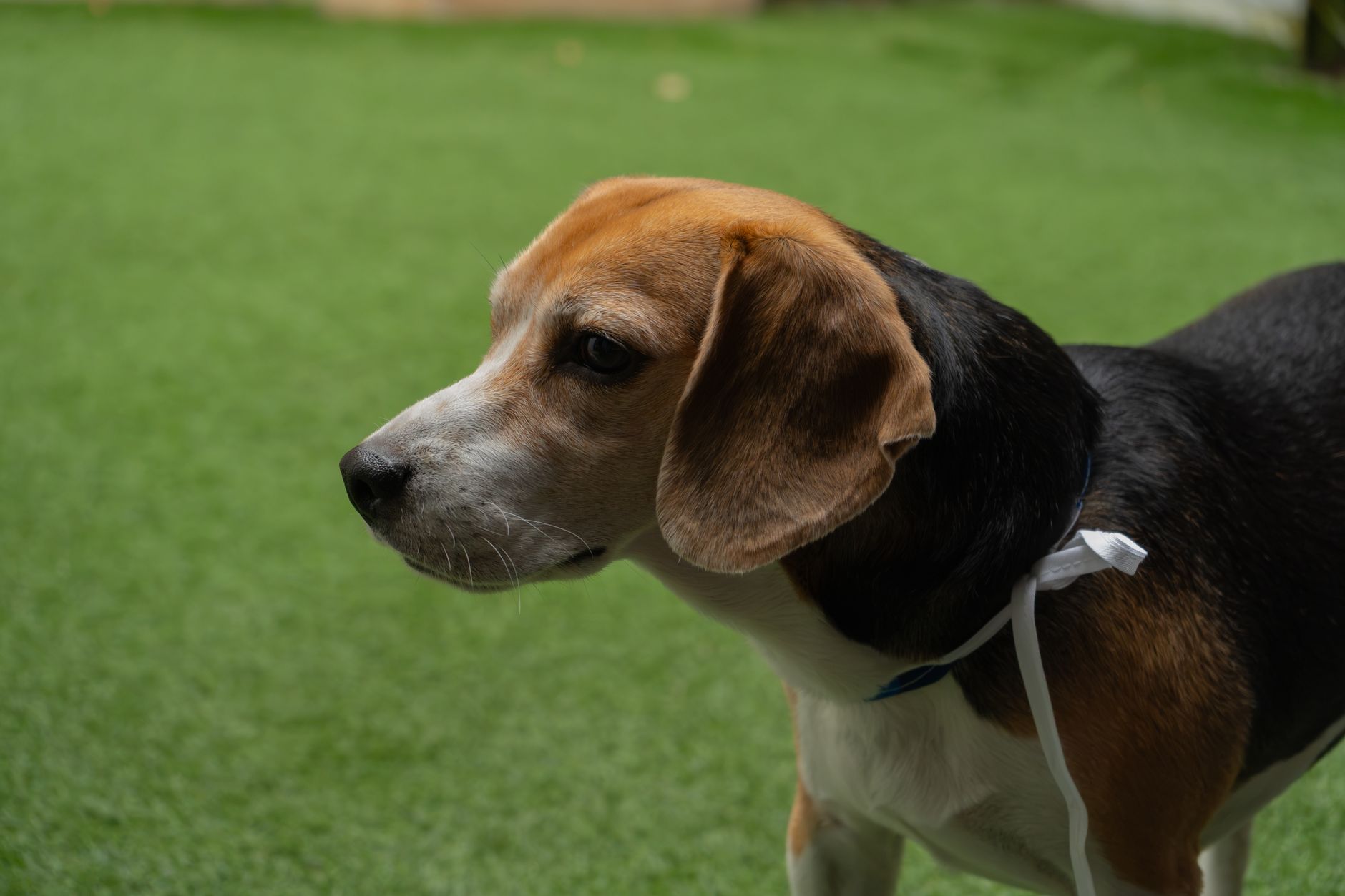
Beagle
Beagles are friendly, happy, short-haired dogs that need a lot of exercise—much of which can come from playing with kids, according to iHeartDogs. As scent hounds, they tend to follow their nose, so a solid fence is recommended to keep them safe at home. Their merry nature and playful energy make them a great fit for active families.
Maltese
Bred to be companion dogs, Maltese may be snappy or get injured by toddlers, but they adore older kids, iHeartDogs notes. They get by with short walks outside and brief runs inside the house, making them low-exercise companions. Their small size means they thrive in apartments but need gentle handling.
Bichon Frise
Bichon Frises are playful, high-energy dogs bred to be companions, and the AKC describes them as a 'cheerful' breed, according to iHeartDogs. Their curly hair needs regular brushing to avoid painful mats—a grooming commitment families should plan for. Their joyful disposition makes them fun playmates for kids who can help with brushing.
Pug
Pugs love kids and are sturdy enough to avoid being easily injured by rambunctious children, iHeartDogs reports. They are strong-willed but rarely aggressive, have low exercise needs and little grooming, and are prone to overheating—so keep them cool during play. Their compact size and affectionate nature suit many families.
Toy or Miniature Poodle
Toy and Miniature Poodles are bred primarily for companionship (unlike Standard Poodles) and are described as the second-smartest dog breed in the world, making them easily trained, according to iHeartDogs. However, they may not have patience for young children but make a great pet for older kids. Their intelligence means they need mental stimulation and consistent training.
Cavalier King Charles Spaniel
Cavalier King Charles Spaniels are affectionate, playful, patient, and eager to please, with moderate exercise needs, iHeartDogs notes. They are often used as therapy dogs and would do well comforting upset kids—a gentle, intuitive breed for families seeking a cuddly companion. Their therapy-dog background ties into Are Emotional Support Dogs Legitimate?.
Yorkshire Terrier
Yorkshire Terriers have a large-dog personality in a tiny body and do best with older children since they may not have patience for toddlers, according to iHeartDogs. They are very intelligent and easy to train, though they may become yappy—early socialization and training can help manage barking.
Miniature Schnauzer
Miniature Schnauzers are very playful and easy to train, need a lot of exercise and mental stimulation, and have a high prey drive—likely to chase anything smaller than themselves, iHeartDogs reports. Their spirited nature suits active families who can provide outlets for their energy.
Shetland Sheepdog
Shetland Sheepdogs are eager to please and hard-working with lots of energy; they may herd children if not given an appropriate outlet, iHeartDogs warns. They are extremely intelligent and easy to train, making them responsive to consistent guidance. Their herding instinct means they need activities like agility or fetch to stay happy.
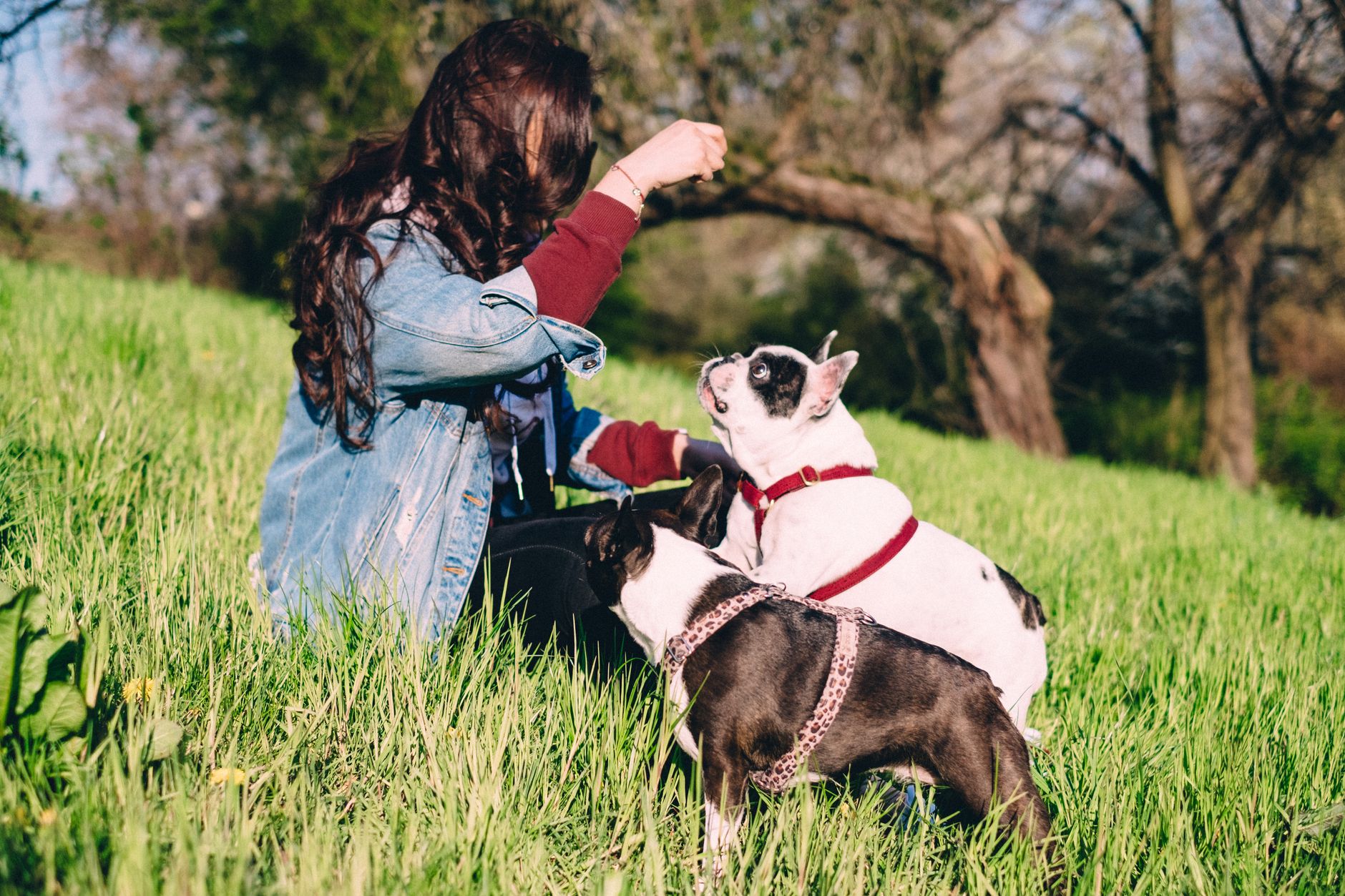
Boston Terrier
Boston Terriers, nicknamed the 'American Gentleman,' are happy-go-lucky and easily trained, according to iHeartDogs. They are generally quiet if trained well as a puppy, love being around people though can become territorial, and have a short coat needing minimal grooming—a low-maintenance charmer for many households.
Best Small Breeds for Older Kids vs. Toddlers
When choosing a small dog for a family with toddlers, it's important to consider a breed's fragility and patience level. iHeartDogs points out that larger dogs are less fragile and less likely to be accidentally injured than small breeds—a key consideration for homes with very young children.
Among the ten breeds listed, some are better suited to older kids than toddlers. Specifically, iHeartDogs notes that Maltese, Toy/Miniature Poodles, and Yorkies are better suited to older kids than toddlers. These breeds may be snappy or lack patience for the unpredictable movements of toddlers, and their small size makes them more vulnerable to injury.
For families with toddlers, sturdier breeds like the Pug—described as sturdy enough to avoid being easily injured by rambunctious children—may be a better fit. Beagles, with their friendly and happy nature, can also be good with kids, though their exercise needs and scent-driven wandering require a secure fence. Cavalier King Charles Spaniels, known for being patient and affectionate, are another option for families with young children, as they are often used as therapy dogs and would do well comforting upset kids. Boston Terriers, with their happy-go-lucky attitude, can also adapt well to family life if trained early.
Ultimately, matching a breed's tolerance and size to a child's age and behavior is crucial. Always supervise interactions between dogs and young children, and teach kids how to handle dogs gently.
Exercise, Grooming, and Care Needs at a Glance
Understanding a breed's exercise and grooming requirements helps families prepare for daily care. Here's a breakdown based on iHeartDogs' descriptions.
| Breed | Exercise Needs | Grooming Needs | Key Care Notes |
|---|---|---|---|
| Beagle | High; play with kids counts | Low (short coat) | Needs a solid fence |
| Maltese | Low; short walks, indoor runs | Regular coat care | Gentle handling; better for older kids |
| Bichon Frise | High-energy play | Regular brushing to avoid mats | Cheerful companion |
| Pug | Low | Little grooming | Prone to overheating |
| Toy/Miniature Poodle | Mental stimulation needed | Curly coat may need professional grooming | Best for older kids |
| Cavalier King Charles Spaniel | Moderate | Not specified | Patient, therapy-dog temperament |
| Yorkshire Terrier | Moderate (small size) | Long coat may need trimming | May become yappy |
| Miniature Schnauzer | High; plus mental stimulation | Wiry coat may need regular grooming | High prey drive |
| Shetland Sheepdog | High; needs an outlet | Long coat needs brushing | May herd children |
| Boston Terrier | Adaptable | Minimal (short coat) | Train early to prevent territorial behavior |
Other Care Notes:
- Pugs are prone to overheating, so avoid strenuous activity in hot weather.
- Beagles need a solid fence due to their scent-driven wandering.
- Miniature Schnauzers have a high prey drive and may chase smaller animals.
- Shetland Sheepdogs may herd children without an appropriate outlet.
Always consider a breed's specific needs before bringing one home, and consult breed-specific resources for detailed care guidelines. If you live in an apartment, see 5 Easiest Dog Breeds To Potty Train For Apartments.
Training and Safety Considerations Before Choosing a Small Dog
Before bringing a small dog into your family, it's essential to understand that training is non-negotiable. iHeartDogs emphasizes that dogs don't come with guarantees and any dog needs training—regardless of breed or size. This is particularly important for small breeds, which can develop behaviors like snapping or yapping if not properly socialized and trained.
For example, Yorkshire Terriers are very intelligent and easy to train, though they may become yappy; early training can curb excessive barking. Boston Terriers are generally quiet if trained well as a puppy, highlighting the value of starting training early. Miniature Schnauzers are very playful and easy to train, but their high prey drive means they may chase anything smaller than themselves—training can help manage this instinct. Shetland Sheepdogs are extremely intelligent and easy to train, but they may herd children if not given an appropriate outlet, so providing alternative activities like agility or fetch is wise. Toy and Miniature Poodles are described as the second-smartest dog breed in the world, making them easily trained, but they may not have patience for young children—so training should include gentle handling and respect for the dog's boundaries.
Safety also involves supervision: small dogs are more fragile, and iHeartDogs notes that larger dogs are less likely to be accidentally injured than small breeds. This means families with toddlers should always monitor interactions and teach children how to pet and hold dogs gently. Some breeds are especially sensitive, as covered in 15 Dog Breeds More Sensitive Than You Think.
Additionally, some breeds have specific safety considerations: Beagles need a solid fence to prevent wandering, and Pugs are prone to overheating, so care should be taken during play. Investing time in training and setting up a safe environment will help ensure a harmonious relationship between your small dog and your children.
Quick Comparison: Which Small Dog Fits Your Family?
- Best for active families: Beagle, Miniature Schnauzer, Shetland Sheepdog
- Best for toddlers (sturdier, patient): Pug, Cavalier King Charles Spaniel, Boston Terrier
- Best for older kids: Maltese, Toy/Miniature Poodle, Yorkshire Terrier
- Lowest exercise needs: Pug, Maltese
- Lowest grooming: Pug, Boston Terrier, Beagle
- Highest grooming commitment: Bichon Frise, Shetland Sheepdog
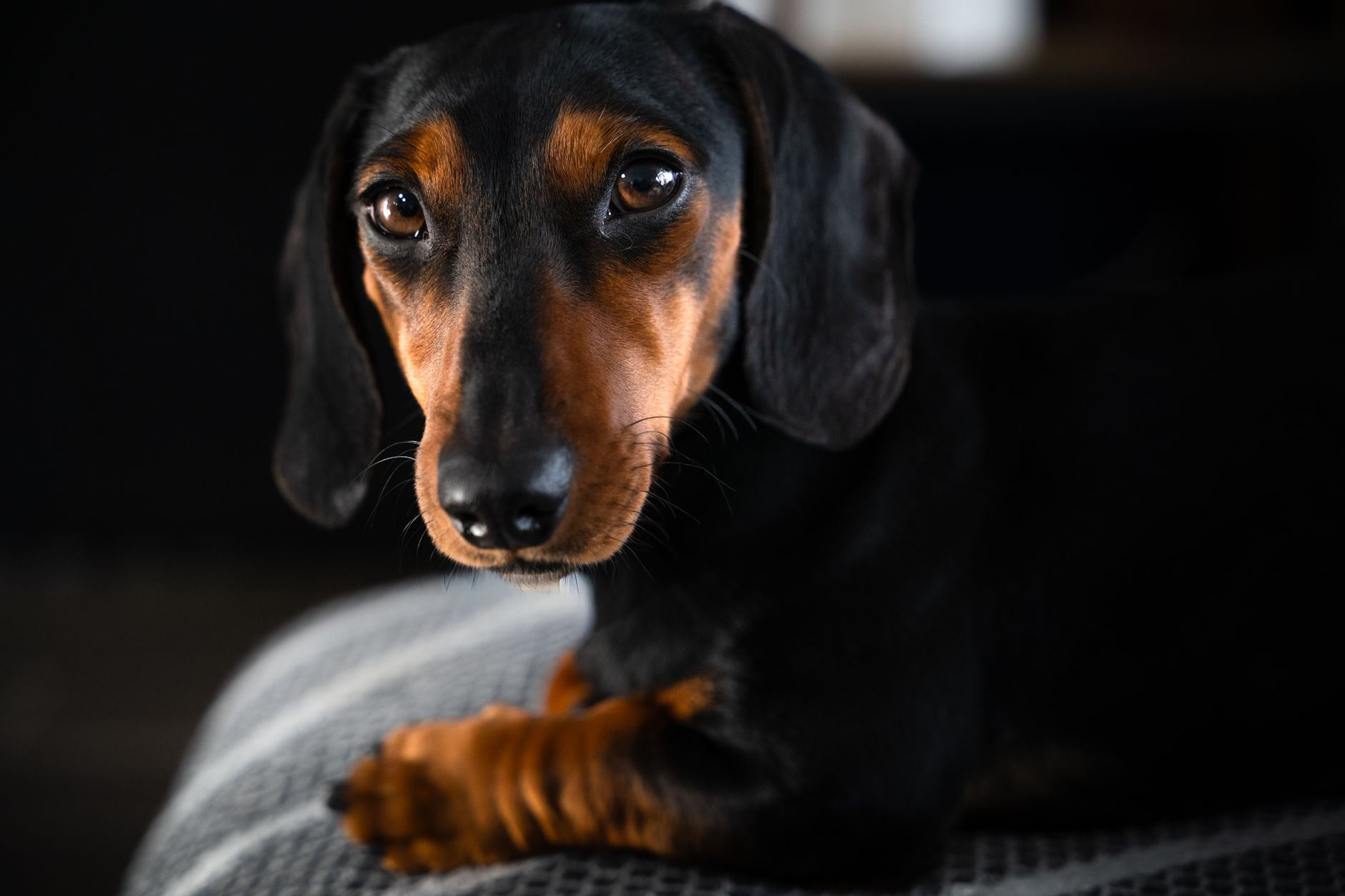
If you're still weighing small-breed options, you may also like Is a Mini Dachshund Right for You? or Hidden Truths About the Cavoodle No One Tells You?. For families comparing working and protective instincts, see 7 Low-Maintenance Guard Dogs for Families.
Frequently Asked Questions
Are small dogs good with kids? Yes—many small breeds are affectionate and playful with children, but the right match depends on temperament, energy level, and size. iHeartDogs stresses that any dog needs training and that small breeds are more fragile.
Which small dog is best for toddlers? Sturdier, patient breeds like the Pug, Cavalier King Charles Spaniel, and Boston Terrier are generally better suited to toddlers. Maltese, Toy/Miniature Poodles, and Yorkies are better for older kids.
Do small dogs need less exercise? Not always. Beagles, Bichon Frises, Miniature Schnauzers, and Shetland Sheepdogs have high energy needs, while Pugs and Maltese need less.
Are small dogs easy to train? Many are—Poodles, Yorkies, Shetland Sheepdogs, and Boston Terriers are described as intelligent and trainable—but early, consistent training is essential for every breed.
Final Thoughts
Choosing the best small dog for your kids comes down to matching temperament, energy, and size to your family's reality. Supervise interactions, commit to training, and plan for grooming and exercise. With the right breed and preparation, a small dog can become a cherished family companion.
Source: iHeartDogs