Deaf Puppy Surrendered to Shelter Becomes National Guard Ministry Dog
From Shelter Puppy to Ministry Dog
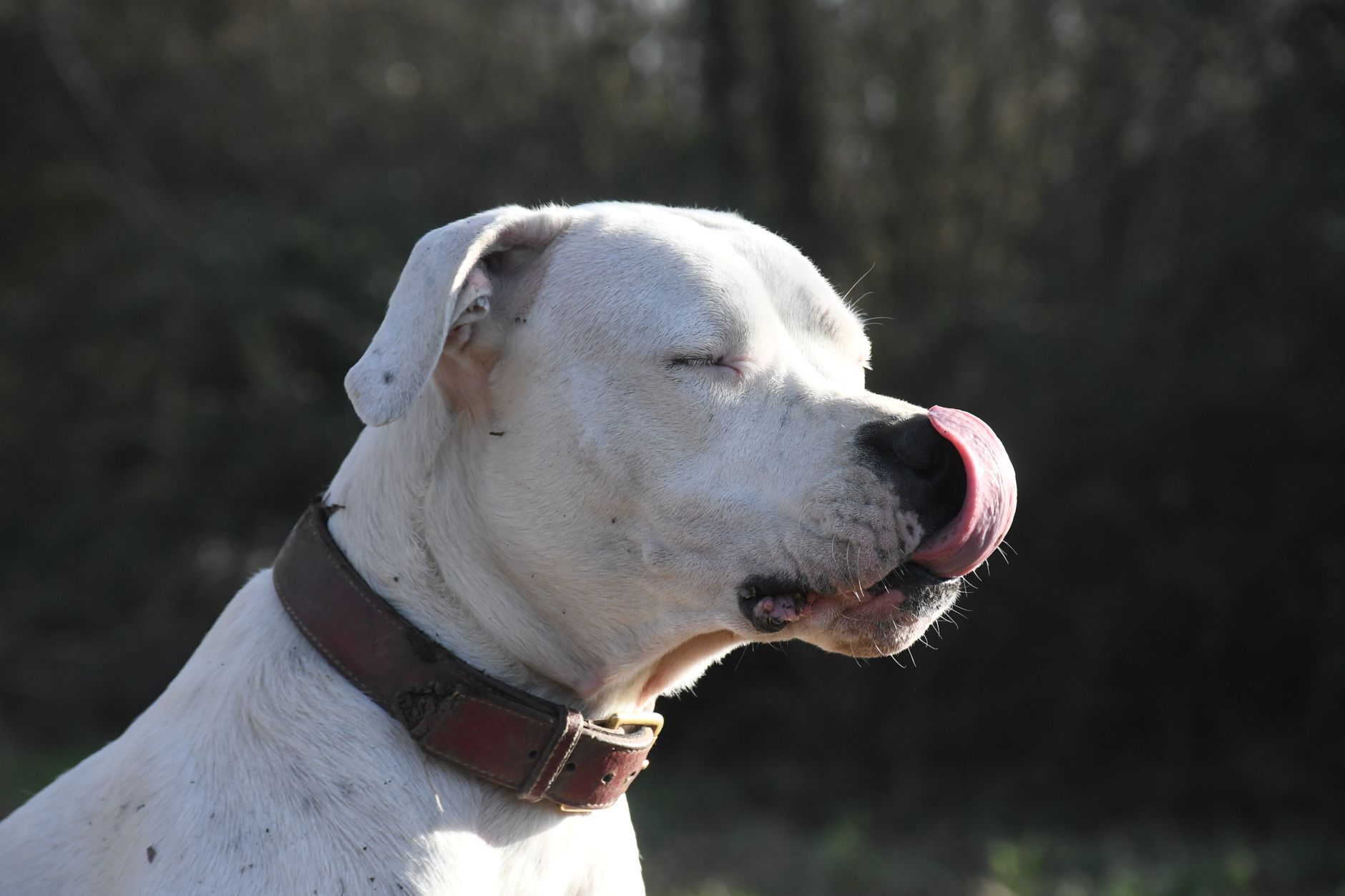
When a deaf puppy is surrendered to a shelter, the future can look uncertain. But for Axel, a 3-year-old Dogo Argentino, that early setback was just the beginning of an extraordinary journey. According to iHeartDogs, Axel was surrendered to a shelter as a puppy because he was deaf. His previous owners made that difficult decision after discovering his hearing loss. What they likely couldn't have predicted was that Axel would go on to serve his country.
Today, Axel serves with the Michigan National Guard as a ministry dog. He is preparing to deploy alongside the 1st Battalion, 125th Infantry Regiment. His handler is Sgt. Mollie Karazim, who adopted him and adapted his training around his deafness. Karazim joined the Michigan National Guard seven years ago and initially hoped to become a canine handler, but became a religious affairs specialist instead. When she adopted Axel, she took on the challenge of training a deaf dog for a very special role.
Axel's story is a powerful reminder that a dog's limitations don't have to define their potential. With the right person by their side, even a puppy surrendered for being deaf can grow into an invaluable asset. In Axel's case, that meant becoming a source of comfort and connection for soldiers.
If you're considering adopting a rescue dog, learning to train a rescue dog through decompression and trust-building is the essential first step.
Learning a New Language: Hand Signals and Trust
Training any dog requires patience and consistency, but training a deaf dog demands an entirely different approach. According to iHeartDogs, Axel has learned more than 50 hand signals and visual commands, including several based on American Sign Language, according to the Michigan National Guard. This impressive repertoire didn't happen overnight. It was built through the dedicated efforts of his handler, Sgt. Mollie Karazim, who adapted his training around his deafness.
For a deaf dog, visual cues are everything. Without the ability to hear verbal commands, Axel relies on clear, consistent hand signals to understand what is expected of him. Karazim's willingness to learn and teach these signals created a foundation of trust and communication. The fact that many of the signals are based on American Sign Language highlights the thoughtful, structured approach she took.
This kind of training is not just about obedience; it's about building a partnership. Every hand signal represents a moment of connection, a shared language that only the two of them fully understand. For dog owners with deaf pets, Axel's story offers inspiration. It shows that deafness is not a barrier to learning—it just requires a different method. With more than 50 signals under his belt, Axel proves that a deaf dog can be just as responsive and capable as any hearing dog when given the right tools.
The foundation of this approach is positive reinforcement—rewarding desired behaviors rather than correcting mistakes. When you're ready to accelerate the process, these 7 ways to train your puppy faster can help you build momentum without sacrificing clarity.
How to Start Training a Deaf Dog: A Simple Framework
If you've just adopted a deaf puppy, here's a practical starting point:
- Choose a marker signal. Use a flashlight flick or a hand wave to mark correct behavior, then reward immediately.
- Keep sessions short. Five to ten minutes, two to three times a day, works best for puppies.
- Teach one signal at a time. Pair the signal with the action, reward, and repeat until consistent.
- Use high-value treats. Small, soft treats that can be delivered quickly keep focus.
- Stay consistent. Everyone in the household must use the same signals.
Avoid these puppy training mistakes that can slow progress, especially with a deaf dog who depends entirely on visual clarity.
Preparing for Deployment: Training and Responsibilities
Axel's role is unique among military dogs. According to iHeartDogs, his job is very different from the work performed by military dogs trained for patrol or detection. Instead, Axel's role centers on supporting the emotional and spiritual well-being of soldiers. He is a ministry dog, not a working dog in the traditional sense. As he prepares to deploy alongside the 1st Battalion, 125th Infantry Regiment, his training focuses on being a calming, comforting presence.
Over the past year, Axel has attended drill weekends, traveled in Humvees, spent time in the field, and interacted with service members throughout the battalion. These experiences have acclimated him to military life and helped him build relationships with the soldiers he will soon support. When Axel is working, he wears a dedicated vest and collar indicating that he is on duty. This visual cue helps soldiers understand when he is available for comfort and when he is off duty.
Much of the financial investment in Axel's care and training has come from Karazim herself. Her commitment goes beyond the typical responsibilities of a handler. She has taken on the cost of preparing Axel for his role, ensuring he is ready to serve. As deployment approaches, Axel's preparation continues. He is not training to sniff out explosives or patrol perimeters; he is training to be a source of emotional and spiritual support. That mission requires a different kind of readiness—one built on trust, calmness, and the ability to connect with people under stress.
The Impact of a Deaf Dog on Soldier Morale
Axel's presence in the Michigan National Guard is already making a difference. According to iHeartDogs, Karazim has described Axel as an 'icebreaker' who helps create connections with soldiers. That simple description captures something profound: a deaf dog, once surrendered because of his disability, is now helping soldiers open up emotionally.
Military life can be demanding, and service members often carry heavy burdens. Having a dog like Axel around offers a moment of relief. His role is to support the emotional and spiritual well-being of soldiers, and he does so simply by being there. Because he is deaf, he doesn't react to loud noises or sudden sounds the way other dogs might. Instead, he relies on visual cues and his bond with Karazim, which makes him a steady, non-judgmental presence.
Karazim has called the experience 'incredibly rewarding' and described Axel as an important asset to the ministry. That sentiment speaks to the impact a single dog can have on an entire battalion. Soldiers who might hesitate to talk about their feelings may find it easier to open up when Axel is nearby. He doesn't need to hear their words to offer comfort; his presence alone creates a safe space.
For dog owners, Axel's story is a reminder that our pets can serve purposes we never imagined. A deaf dog can be a bridge between people, a source of calm in chaos, and a reminder that connection doesn't always require words.
Challenges and Rewards of Handling a Deaf Service Dog
Handling a deaf service dog comes with unique challenges, but also remarkable rewards. For Sgt. Mollie Karazim, the journey has required adaptability and dedication. According to iHeartDogs, she adapted Axel's training around his deafness, which meant developing a visual language that now includes more than 50 hand signals and visual commands. This process demanded patience and creativity, but it also deepened the bond between them.
One challenge is ensuring Axel understands his environment without sound. In a busy military setting, where verbal commands are common, Karazim must rely on visual cues and physical signals. This requires constant vigilance and clear communication. Additionally, much of the financial investment in Axel's care and training has come from Karazim herself, adding a personal cost to her commitment.
Yet the rewards are significant. Karazim has called the experience 'incredibly rewarding' and described Axel as an important asset to the ministry. Seeing him interact with soldiers, help them open up, and provide comfort is a testament to what they have built together. Axel's role is not about patrol or detection; it's about emotional and spiritual well-being. That mission is just as vital, and Axel excels at it.
For anyone considering adopting a deaf dog, Axel's story offers hope and proof. With the right approach, a deaf dog can learn, serve, and thrive. The challenges are real, but so are the rewards. Karazim's dedication shows that when you meet a dog on their terms, the possibilities are endless.
If your training progress stalls, it may be time to revisit why your positive reinforcement training stops working. And if you're working with a particularly strong-willed breed, these vet-approved tips on how to train your stubborn dog can help you stay consistent.
What Axel's Story Teaches Every Dog Owner
Axel's journey from a surrendered deaf puppy to a National Guard ministry dog is more than an inspiring headline. It's a practical case study in what happens when a handler meets a dog on the dog's terms.
Key takeaways:
- Deafness is not a limitation. With 50+ hand signals, Axel performs a role that requires focus, calmness, and connection.
- Consistency beats intensity. Short, repeated sessions built Axel's vocabulary over time.
- The right match matters. Karazim's patience and willingness to learn a new language made Axel's success possible.
- Every dog has potential. A puppy surrendered for being deaf became an asset to an entire battalion.
If you're raising a puppy and want to build a strong foundation from the start, a puppy survival guide can help you understand what to expect in those critical early months. And if you're starting from day one at home, this train a puppy at home blueprint gives you a structured plan.
Axel's story proves that the dogs who need us most often give back the most in return. Whether you're training a deaf puppy, a rescue dog, or a stubborn breed, the principles remain the same: patience, consistency, and trust.
Source: iHeartDogs