Why Your Positive Reinforcement Training Stops Working (And What to Do Instead)
Dealing with a dog that constantly pulls on the leash, ignores basic commands, and barks frantically is incredibly exhausting. Traditional advice often suggests physically correcting the dog using harsh collar pops or forcing them into submission to assert dominance over the household. These outdated, punishment-based methods actively destroy trust, turning a simple lack of manners into severe, fear-based aggression. The absolute fastest way to achieve flawless obedience is utilizing positive reinforcement dog training. By actively rewarding desired behaviors and strictly managing the environment to prevent mistakes, a chaotic dog rapidly transforms into a focused, eager-to-please companion. The biggest takeaway is that ditching fear for high-value rewards builds an unbreakable bond and permanent behavioral change.
What Is Positive Reinforcement Dog Training?
Positive reinforcement operates on a very simple, scientifically proven biological principle regarding animal learning. When a specific behavior is immediately followed by a highly desirable reward, the canine brain is wired to repeat that exact behavior more frequently. It focuses entirely on catching the dog doing something right, rather than waiting for them to make a mistake just to issue a punishment.

This specific methodology completely rejects the debunked "alpha wolf" dominance theory that saturated popular media for decades. Dogs do not actually plot to take over the household hierarchy by sitting on the couch or walking ahead on the leash. They simply engage in behaviors that are actively rewarding to them in that exact moment, making training a game of controlling the rewards.
- Food Rewards: High-value, pungent treats like freeze-dried beef liver, roasted chicken, or small cubes of cheese.
- Play Rewards: A quick, intense game of tug or tossing a favorite tennis ball across the yard.
- Life Rewards: Access to the backyard, sniffing a fascinating bush, or greeting a friendly house guest.
Why Does Punishment Fail For Reactive Dogs?
Utilizing physical corrections on a fearful, reactive dog is the equivalent of pouring gasoline directly onto a raging fire. When a dog lunges at a passing bicycle out of sheer terror, delivering a painful shock or leash pop completely validates their internal fear. The dog quickly associates the passing bicycle with intense physical pain, causing their future reactions to become significantly more violent and highly unpredictable.
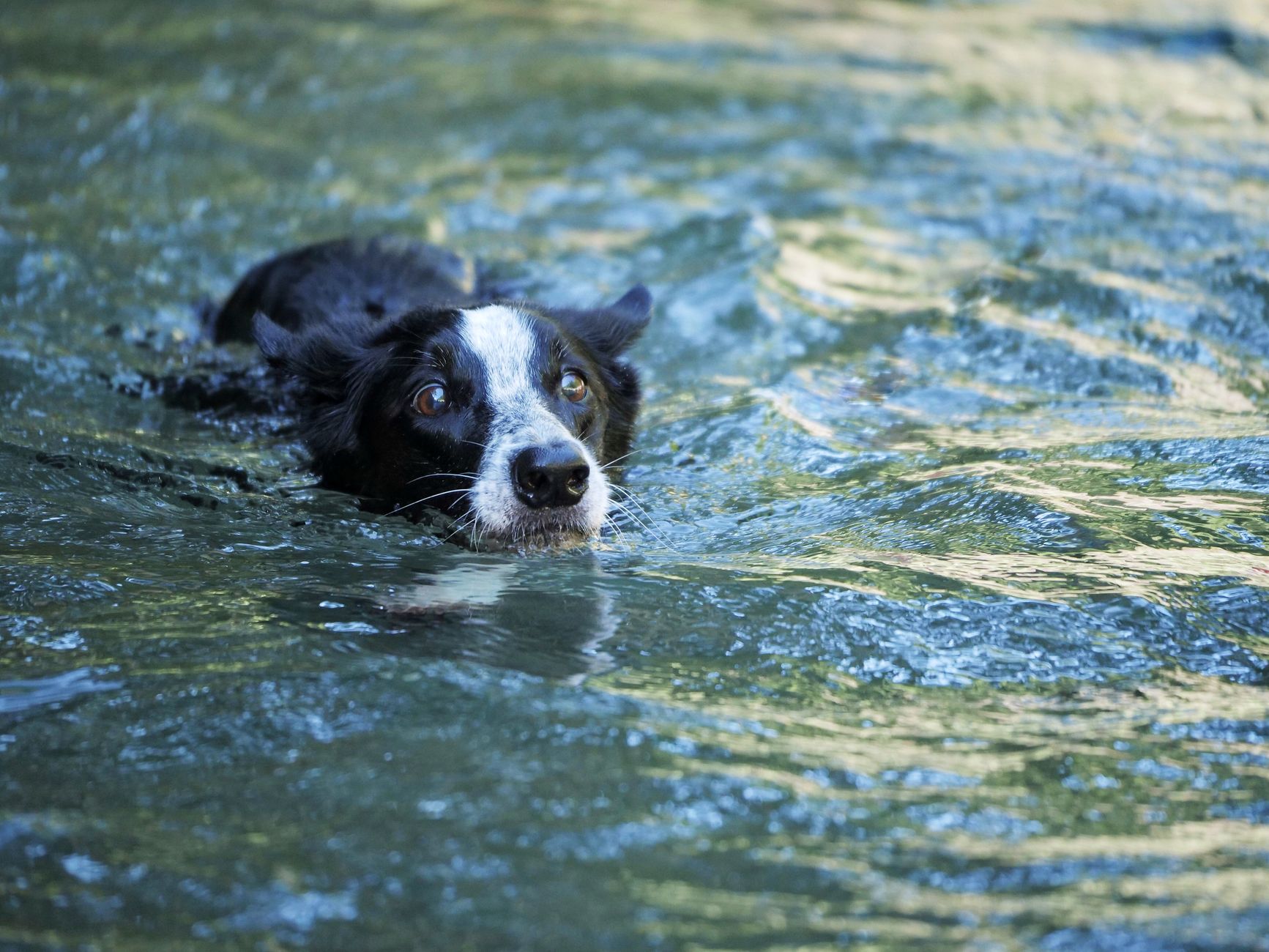
Consider a recent behavioral rescue case involving a severely traumatized Blue Heeler pulled from a high-kill municipal pound. Traditional trainers recommended heavy prong collar corrections to fix the dog's intense leash reactivity toward approaching strangers. Instead, utilizing a purely positive approach—rewarding the dog with tiny pieces of hotdog every time they looked calmly at a stranger—completely extinguished the terrifying lunging behavior within three weeks.
🚨 Vet Fact: High levels of chronic stress caused by punishment-based training actively suppress a dog's immune system and slow physical healing. Dogs trained exclusively with positive reinforcement display significantly lower resting cortisol levels, leading to better overall digestion and a longer, healthier lifespan.
How To Start Positive Reinforcement Training Today?
Achieving elite obedience requires flawless timing and establishing a crystal-clear line of communication with the canine brain. The reward must arrive exactly when the desired action occurs, otherwise the dog connects the treat to the wrong behavior entirely. This is exactly where a mechanical clicker or a sharp, consistent verbal marker word like "Yes!" becomes an absolute necessity for success.

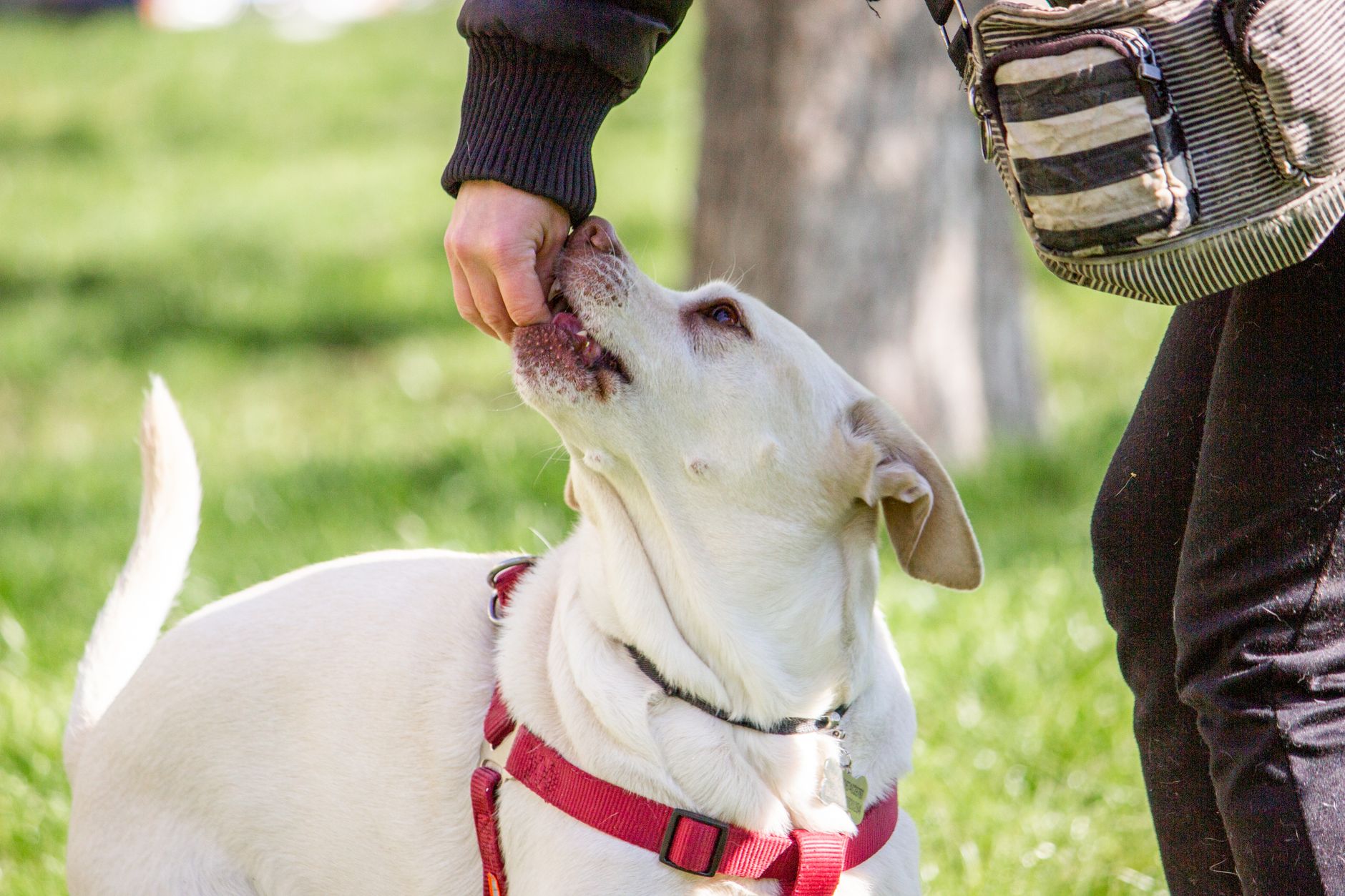
The marker acts exactly like a camera flash, capturing the precise millisecond the dog's rear end hits the floor during a "sit" command. Once the marker sounds, a high-value reward must follow immediately, guaranteeing the dog understands exactly what earned the paycheck.
- Step 1: Load The Marker. Say "Yes!" and immediately hand over a treat, repeating this ten times in a row until the dog understands the word reliably predicts food.
- Step 2: Catch The Behavior. Wait for the dog to naturally offer a good behavior, mark it instantly with the word, and deliver the reward.
- Step 3: Add The Cue. Once the dog reliably offers the behavior independently, add the verbal command right before they physically perform the action.
What Is The Premack Principle In Dog Training?
Here is an advanced behavioral insight that transforms stubborn, high-energy breeds into highly responsive, cooperative partners. The Premack Principle, widely known as "Grandma's Law," dictates that a highly probable behavior can be used to reinforce a significantly less probable behavior. Simply put, the dog must perform a boring task (sitting calmly) to access a highly exciting task (chasing a squirrel up a tree).
Food is not the only valid currency in the canine world, especially for dogs with intense prey drive. If a Kelpie desperately wants to sprint out the back door, the open door itself becomes the ultimate positive reinforcement tool. Asking the dog to hold a strict "sit" before turning the doorknob teaches them that calm impulse control is the only key to unlocking the environment.
🐾 Snoutbit Pro-Tip: Ditch the metal food bowl entirely and use the dog's daily kibble allowance exclusively for short, engaging training sessions. Hand-feeding meals through basic obedience drills builds massive handler engagement and completely prevents the dog from holding out for higher-value junk food.
Does Environmental Heat Affect Dog Training?
Local climate extremes play a massive, hidden role in a dog's frustration tolerance and overall ability to learn complex new concepts. During the brutal, sweltering heat of an Australian outback summer or a highly humid US August, outdoor training sessions must be strictly managed or canceled entirely. A dog suffering from severe thermal stress physically cannot focus on commands, as their entire biological system is focused solely on panting to survive.
Intense heat turns normally eager-to-please breeds like Frenchies and Golden Retrievers into stubborn, highly lethargic animals. Training during peak heat waves should be moved entirely indoors to air-conditioned spaces to ensure the dog's core temperature remains incredibly safe.
Furthermore, heavy coastal tick seasons often limit safe access to wooded hiking trails and tall grass fields. When robust working dogs lose their standard physical outlets, indoor clicker training and trick learning become vital for burning off unspent mental energy safely. Shaping a brand-new, complex behavior like turning off a light switch tires a working brain significantly faster than a monotonous neighborhood walk.
How To Stop A Puppy From Biting Without Yelling?
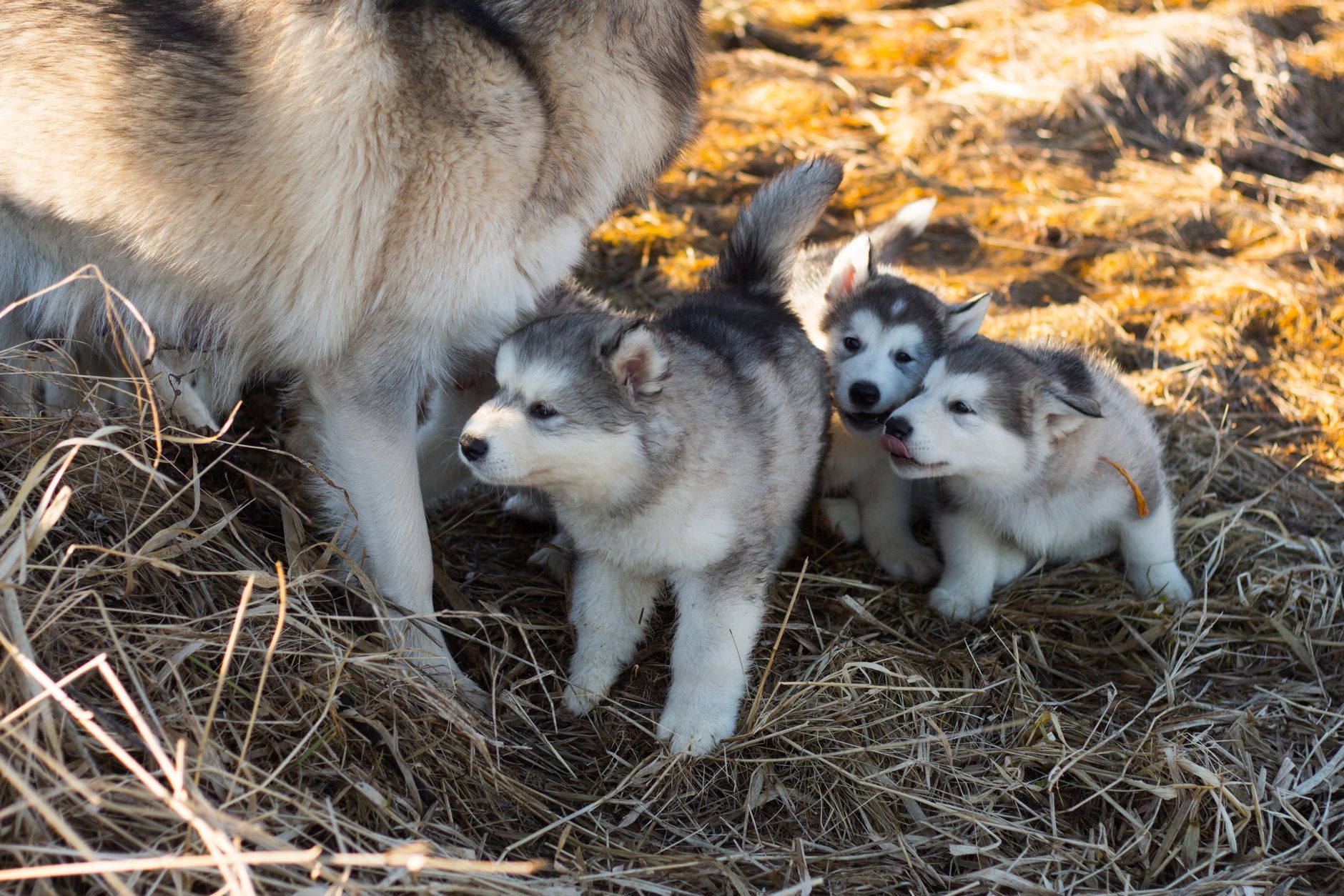
Puppy teething turns adorable fluffballs into relentless land sharks, pushing exhausted families to their absolute emotional breaking point. Standard advice often involves yelping loudly or tapping the puppy on the nose, which simply hyper-arouses the animal and triggers rougher, harder wrestling. Positive reinforcement actively redirects that intense biting energy onto highly appropriate, safe chewing outlets while removing the reward of human attention.
When those razor-sharp milk teeth target human ankles, all movement must stop immediately, and a durable rubber toy must be offered instead. A recent case involved a vibrant Staffy pup that terrorized young children during the evening hours with relentless ankle-biting. By rewarding calm settling on a designated mat and enforcing a strict, mandated nap schedule, the frantic biting completely vanished without a single verbal correction.
🚨 Vet Fact: Puppies completely lack natural bite inhibition and have absolutely no idea how fragile human skin truly is. Punishing a puppy for natural mouthing behaviors often creates severe "hand shyness," leading to a deeply fearful adult dog that snaps when approached by strangers.
What Are The Biggest Mistakes In Reward-Based Training?
Many pet parents mistakenly believe that positive reinforcement means simply bribing the dog with a hotdog to get them to comply. Bribing occurs when the food is visibly waved directly in front of the dog's nose before the command is ever spoken. The intelligent canine brain quickly learns that if human hands are empty, compliance is entirely optional and can be ignored.
The high-value reward must remain completely hidden inside a pocket or specialized training pouch until the exact second the marker word is used. This creates a highly engaging slot-machine effect, where the dog gladly works because the paycheck is an exciting, unpredictable surprise.
- Fading The Lure: Remove the food from the guiding hand as rapidly as possible to prevent the dog from becoming dependent on a visible bribe.
- Variable Rewards: Once a behavior is flawlessly learned, stop rewarding every single repetition and switch to an unpredictable, randomized payout schedule.
- Value Matching: Use boring daily kibble for easy living room tricks, but pull out the stinky freeze-dried liver when practicing emergency recalls at a busy park.
Why Is Capturing Better Than Luring?
Advanced positive trainers frequently rely on a hands-off technique known as "capturing" to build highly durable, bulletproof canine behaviors. Instead of actively pushing a dog into a "down" position or luring their nose with a treat, the handler simply sits quietly and waits. The very second the dog naturally decides to lie down on their own, the handler marks the action and rewards heavily.
Behaviors that a dog chooses to offer independently are ingrained into their neural pathways significantly faster than physically forced behaviors. It teaches the dog to actively think, problem-solve, and experiment with different actions to figure out exactly how to make the human produce a treat.
How To Stop Leash Pulling Positively?
Walking a powerful dog that yanks the leash constantly causes severe shoulder pain and turns neighborhood strolls into absolute misery. Traditional methods involve using choke chains to issue sharp physical corrections, which frequently causes permanent damage to the delicate canine trachea. The positive reinforcement solution relies entirely on the concept that forward motion is a highly coveted reward that must be earned.

The absolute second the leash becomes tight, the handler must stop walking completely and become a solid, immovable tree. The dog only gets to step forward when they yield to the leash pressure, look back, and offer a completely loose, relaxed "J" shape in the line.
🐾 Snoutbit Pro-Tip: Training sessions should never exceed five to ten minutes in length, especially for young puppies or highly distracted adolescents. Quitting the session while the dog is still having a blast ensures they eagerly look forward to the very next training opportunity.
What To Do Next
Achieving a perfectly behaved companion does not require intimidation, heavy dominance, or painful physical force. By strategically managing the environment and paying generously for good choices, any dog can learn to navigate the human world safely and confidently. Positive reinforcement is the ultimate key to unlocking a lifetime of stress-free adventures and mutual respect.
Here are two simple, immediate steps to take today to transform the training routine:
- Audit The Treat Pouch: Throw away dry, stale biscuits and immediately chop up a handful of high-value, pungent treats like cheese or plain boiled chicken.
- Start The "Name Game": Stand in a quiet room, say the dog's name exactly one time, and the split second they make eye contact, mark with "Yes!" and deliver a premium reward.
Disclaimer: The content on Snoutbit.com is for informational and educational purposes only and is not intended to replace professional veterinary advice, diagnosis, or treatment. Always consult with your veterinarian before making significant changes to your dog’s diet, exercise routine, or health regimen.