Calling a dog across a crowded public park only to be completely ignored is incredibly frustrating and inherently dangerous. The sheer embarrassment of watching a stubborn dog sprint toward an active roadway while refusing a dry biscuit leaves pet parents feeling entirely powerless. Utilizing low-value, odorless cookies to battle against the highly stimulating smells of the outside world is a guaranteed recipe for behavioral failure.

The definitive solution is transitioning away from dry baked goods and weaponizing highly pungent, single-ingredient proteins. The biggest takeaway is that a dog’s obedience is directly tied to the exact biological currency held in the handler’s hand. Upgrading to wet, intensely aromatic meats instantly cuts through environmental distractions, transforming a chaotic, leash-pulling dog into a laser-focused obedience machine.
Training Treat Value Hierarchy: Overview Mind Map
- Core Objective: Build unshakeable environmental focus and rapid command execution without relying on visible bribes.
- Low-Value (Living Room): Standard daily kibble, dry baked biscuits, plain crunchy vegetables.
- Medium-Value (Quiet Backyard): Chewy commercial strips, dehydrated sweet potato, plain turkey jerky.
- High-Value (Parks & Distractions): Boiled chicken breasts, freeze-dried beef liver, squeeze tubes of pureed meat.
- Critical Constraints: Must be pea-sized, must not easily crumble, must be highly fragrant to the canine nose.
Why do dogs spit out dry kibble outside?
Dogs perceive the physical world almost entirely through their highly advanced olfactory system, meaning intense scent dictates absolute value. A dry, baked dog biscuit smells like absolutely nothing compared to the overwhelming, fascinating odors of a public dog park or a busy hiking trail. Expecting a dog to willingly abandon a fleeing squirrel for a flavorless, crunchy cookie is biologically impossible and deeply unfair to the animal.
Furthermore, when a dog crosses a stress threshold or becomes heavily overstimulated, their saliva production naturally plummets. A dry mouth makes chewing and swallowing a hard biscuit physically uncomfortable, causing the dog to simply spit the food onto the concrete. Transitioning to moist, high-water-content treats completely bypasses this biological hurdle, allowing the dog to swallow effortlessly even when highly aroused.
🚨 Vet Fact: Heavily processed commercial training treats frequently contain artificial red dyes, cheap grain fillers, and chemical preservatives that aggressively disrupt the canine gut microbiome. Utilizing single-ingredient, whole-food proteins drastically reduces the terrifying risk of explosive diarrhea following a heavy, repetition-based obedience session.
Advanced Insight 1: The Licking Protocol For Reactivity
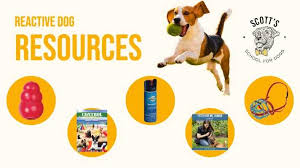
Generic training advice assumes dogs must always chew their rewards to feel physically and mentally satisfied. Elite behaviorists utilize liquid treats dispensed directly from silicone squeeze tubes to rapidly lower a dog’s resting heart rate in highly stressful environments. The repetitive physical act of licking releases massive amounts of natural, highly calming endorphins directly into the canine bloodstream.
Consider a highly reactive German Shepherd in Seattle that violently lunged at passing bicycles on a popular paved walking trail. Standard chewed treats completely failed because the dog’s jaw physically locked up during states of extreme, panic-induced tension. The handler smartly switched to a squeeze tube filled with plain, pureed baby food meats, offering a continuous stream of licking as bicycles rapidly passed by.
The continuous, soothing licking physically prevented the dog from holding its breath and lunging at the tires. This simple mechanical swap rapidly rewired the dog’s anxious brain to view cyclists as calming, highly rewarding environmental events.
🐾 Snoutbit Pro-Tip: Never attempt to chop up sticky treats like cheese or hot dogs while actively out on a walk with the dog. Spend ten minutes every Sunday evening meticulously pre-cutting high-value proteins into tiny cubes, storing them in airtight containers in the refrigerator for immediate, mess-free access all week.
How to perfectly size training rewards
Owners constantly make the catastrophic mechanical mistake of handing out massive, golf-ball-sized cookies for a simple, basic “sit” command. The canine brain neurologically registers the exact same dopamine hit from a tiny, microscopic crumb as it does from an entire heavy steak. Giving massive portions instantly fills the dog’s stomach, completely destroying their food drive within the first five minutes of a training class.
Treats must be strictly cut down to the literal size of a green pea or a single small blueberry. This microscopic sizing guarantees the dog swallows the reward instantly without ever needing to stop and chew. Rapid consumption allows the handler to effortlessly execute thirty fast-paced repetitions in the exact time it takes an amateur to deliver three large, crunchy biscuits.
Advanced Insight 2: The Acoustic Value of Crunch
While wet, stinky treats are the undisputed kings of obedience currency, strategically utilizing crunchy treats serves a highly specific behavioral purpose. Tossing a hard, highly brittle treat onto a concrete sidewalk creates a sharp, distinct acoustic pop. This sudden noise acts exactly like a mechanical clicker, instantly snapping a distracted dog’s focus back toward the handler without requiring a single verbal command.
This technique is incredibly brilliant for teaching distance commands or rapid emergency stops. When the dog hears the distinct crack of the treat hitting the pavement, their prey drive is instantly engaged, triggering them to hunt for the fallen reward. It seamlessly turns a boring obedience drill into an intense, highly rewarding game of urban foraging.
🚨 Vet Fact: Treats and wet dietary toppers must absolutely never exceed ten percent of a dog’s total daily caloric intake. Overfeeding rich, fatty training treats completely disrupts the carefully balanced vitamin profile of their primary kibble, leading directly to rapid weight gain and dangerous joint strain.
Are human foods safe for daily obedience sessions?
Scouring the human refrigerator is often the absolute best, most cost-effective strategy for finding unparalleled canine currency. Plain, boiled chicken breast, cubed string cheese, and unseasoned baked salmon are universally worshipped by almost all major dog breeds. These fresh, highly bioavailable proteins provide massive motivation without the dangerous, hidden sodium levels frequently found inside commercial pet store jerkies.
However, owners must remain fiercely vigilant about highly toxic kitchen ingredients when preparing homemade obedience rewards. Grapes, raisins, onions, macadamia nuts, and any product containing the artificial sweetener xylitol are profoundly lethal to the canine metabolic system. Always obsessively double-check ingredient labels on household items like peanut butter to guarantee they contain absolutely zero synthetic sweeteners before heading out to train.
A rescued Boxer mix in Texas suffered from intense environmental fear, completely freezing up in sheer panic whenever loud neighborhood trash trucks drove by. The owner initially tried to lure the dog forward with standard hot dogs, but the extremely high fat content quickly triggered severe stomach cramping. Switching to firm, baked cubes of plain sweet potato provided an incredibly high-value, high-fiber reward that the dog became entirely obsessed with.
The dog happily trotted past the terrifying sanitation trucks just to hear the satisfying crunch of the novel, healthy root vegetable.
Advanced Insight 3: The Rapid Satiation Curve
Dogs heavily suffer from rapid flavor fatigue if fed the exact same protein for too long during an intense, hour-long training session. A piece of chicken holds massive, undeniable value for the first twenty repetitions, but the canine brain eventually normalizes the taste and entirely loses interest. Elite handlers combat this rapid biological boredom by carrying a customized “trail mix” of three completely different textures and flavors mixed together in the same pouch.
Reaching into the training pouch becomes an exciting, highly unpredictable lottery for the working dog. They never know if the very next reward will be a piece of cheddar cheese, a crunchy freeze-dried liver cube, or a savory chunk of roasted turkey. This intense biological unpredictability completely shatters the satiation curve, keeping the dog heavily engaged and actively working hard for the entire duration of the walk.
🐾 Snoutbit Pro-Tip: Wash wearable silicone training pouches with hot, heavily soapy water after every single outdoor session. Raw meat juices and greasy cheese oils easily hide in the bottom corners, quickly creating a toxic, invisible bacterial biofilm that will severely sicken a dog upon the next use.
Why the physical delivery of the treat matters
The physical velocity at which a handler delivers a treat directly manipulates the dog’s internal emotional arousal levels. Handing a treat incredibly slowly to a hyperactive puppy actively forces their frantic nervous system to completely calm down and stabilize. A slow, highly deliberate delivery directly to the mouth is the absolute best way to reinforce a quiet “stay” or “settle” command on a living room mat.

Conversely, explosive obedience requires high-velocity, highly energetic reward delivery to build anticipation. When teaching a fast, emergency recall, tossing the treat aggressively across the grass the second the dog arrives builds massive prey drive. The dog quickly learns that sprinting toward the handler results in an intense, highly exciting game of chasing the rolling food.
What To Do Next
- Execute a Treat Sizing Audit: Take the current bag of commercial training treats out of the pantry and physically chop every single piece into four smaller, pea-sized cubes. This simple mechanical prep step instantly quadruples the amount of available training currency and actively prevents rapid, session-ending canine obesity.
- Build a High-Value Pouch: Boil a single, plain chicken breast tonight and dice it into microscopic, highly aromatic cubes. Mix these fresh meat cubes with a handful of the dog’s standard dry kibble inside a sealed container, allowing the potent chicken juices to completely coat the boring kibble overnight to create an irresistible, low-cost training mix.
Disclaimer: The content on Snoutbit.com is for informational and educational purposes only and is not intended to replace professional veterinary advice, diagnosis, or treatment. Always consult with your veterinarian before making significant changes to your dog’s diet, exercise routine, or health regimen.