Cleaning up the third indoor urine puddle completely before morning coffee pushes even the most dedicated pet parents to the absolute brink of sanity. Those relentless, completely silent accidents violently destroy expensive living room rugs and create a deeply frustrating wedge between the human and the new arrival. It frequently feels exactly like the dog is intentionally being spiteful, actively choosing the soft carpet over the grassy backyard.
The definitive solution requires immediately stepping entirely away from outdated, highly ineffective methods like aggressively rubbing the dog’s nose directly in the mess. Successfully curing a stubborn indoor elimination habit strictly demands deploying a clinical, biologically appropriate behavioral blueprint that actively sets the young canine up for flawless victories. By engineering a highly structured daily routine and brilliantly managing the indoor spatial environment, handlers effortlessly transform a chaotic carpet-soiler into a deeply reliable, perfectly housebroken companion.
Advanced Insight 1: The Umbilical Cord Tether Strategy
The absolute biggest, highly destructive mistake new owners make is granting a tiny puppy completely free, unsupervised access to the entire hallway. A young dog physically lacks full biological bladder control until they are roughly sixteen weeks of age. Allowing them to wander entirely out of sight practically guarantees they will quietly squat behind the sofa, permanently establishing the living room as an acceptable indoor bathroom.
To completely shortcut the housebreaking process, handlers must instantly deploy the highly advanced “umbilical cord” tethering method. The exact second the puppy is completely outside of their secure sleeping crate, they must be physically attached to the human handler using a standard six-foot nylon leash. This brilliant spatial management entirely prevents the puppy from secretly sneaking away to heavily soil the dining room floorboards.
Consider the highly realistic reality of raising a brilliantly intelligent, fiercely independent Village Dog and Shiba Inu mix named Anggu. During early puppyhood, Anggu was entirely restricted from free-roaming the house and remained physically tethered to a waist belt during all active waking hours. Because this forced the handlers to actively notice every single subtle physical sniff or sudden circle, the stubborn mixed breed was successfully rushed outside instantly, achieving perfect housebreaking rapidly.
🚨 Vet Fact: A rapidly growing puppy can physically hold their bladder for exactly one hour per month of age, plus exactly one additional hour. Expecting an eight-week-old puppy to successfully hold their urine for an entire eight-hour workday completely defies canine biology and practically guarantees massive housebreaking failure.
Advanced Insight 2: Eliminating The “Phantom Scent” Trap
When a puppy repeatedly returns to the exact same corner of the living room to urinate, humans frequently misdiagnose the behavior as intense canine stubbornness. In reality, the puppy is simply following a highly powerful, completely invisible biological beacon. Standard grocery store bleach or heavy ammonia-based floor soaps completely fail to actively destroy the microscopic uric acid crystals left behind entirely deep in the carpet fibers.
The canine olfactory system violently misinterprets chemical ammonia as a highly aggressive territorial marker left behind by a completely strange animal. This heavily encourages the puppy to aggressively pee in the exact same spot tomorrow to confidently reclaim their perceived indoor territory. Handlers absolutely must completely ditch standard household cleaners and aggressively deploy a clinical-grade, completely bio-enzymatic pet stain destroyer.
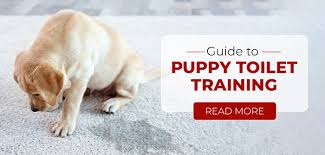
These highly advanced enzymatic formulas contain live, completely harmless bacteria that actively consume the uric acid crystals until the phantom scent is permanently eradicated. Once the biological beacon is completely destroyed, the puppy’s intense, highly repetitive urge to eliminate behind that specific armchair completely vanishes.
🐾 Snoutbit Pro-Tip: When treating a massive urine puddle on a thick rug, simply pouring the enzymatic cleaner perfectly on top of the stain is entirely insufficient. The liquid urine aggressively spreads outward as it physically sinks directly into the carpet padding, requiring handlers to heavily saturate a massive circle completely surrounding the visible wet spot.
Advanced Insight 3: Hacking The Substrate Preference
A highly frustrating housebreaking phenomenon occurs when a puppy happily spends thirty minutes playing in the grass, only to instantly pee the exact second their paws touch the kitchen tile. This is absolutely not a malicious behavioral rebellion; it is a highly documented psychological condition clinically known as substrate preference. During the highly critical early developmental window, puppies neurologically imprint on the specific physical texture they completely prefer to eliminate on.
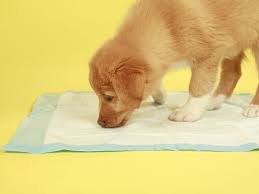
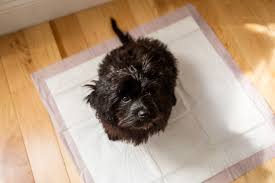
If a puppy originally spent their first eight weeks living entirely on soft, highly absorbent pee pads or heavy newspaper, wet grass feels completely alien and entirely wrong to their paws. To successfully fix this severe preference, handlers must actively engineer a flawless transitional bridge. Start by physically placing a completely clean pee pad completely outside directly on top of the backyard grass.
Take the intense reality of managing highly traumatized rescue litters at bustling facilities like Wenny’s animal shelter in Rawang. These completely abandoned puppies frequently arrive exclusively accustomed to soiling completely hard concrete kennel floors. The dedicated rescue volunteers actively transition these stubborn puppies by heavily mixing natural dirt directly onto the concrete, brilliantly rewiring the puppy’s brain to successfully accept natural outdoor textures before adoption.
The Silent Interruption Protocol
Even with incredibly flawless tethering and massive environmental management, occasional indoor accidents are completely biologically inevitable during the learning phase. When a handler actually catches the puppy mid-squat, their immediate human reaction completely dictates the future trajectory of the entire housebreaking process. Loudly clapping, aggressively screaming “no,” or violently charging the puppy causes massive, deeply ingrained psychological trauma.
When a puppy is violently terrified during the act of elimination, they brilliantly calculate that urinating in front of the human is highly dangerous. This forcefully teaches the dog to actively hide behind heavy furniture or wait until the human is completely asleep to safely empty their bladder. Handlers must strictly execute the “Silent Interruption” protocol, actively prioritizing calmness over severe behavioral correction.
The exact micro-second the indoor urine stream begins, the handler must simply say a highly neutral “oops,” calmly scoop the puppy completely off the floor, and rapidly carry them straight outside. The physical elevation completely safely interrupts the bladder muscles from actively releasing more urine. Once placed safely on the outdoor grass, quietly allow the puppy to finish, entirely preserving their deeply fragile trust in human leadership.
🚨 Vet Fact: Severe, highly persistent indoor urination completely accompanied by excessive water drinking is frequently a completely silent indicator of a highly painful urinary tract infection (UTI). If a previously reliable, completely housebroken puppy suddenly regresses, immediately secure a sterile urine sample for a comprehensive veterinary urinalysis before aggressively increasing behavioral training.
The Power of the High-Value Payout
When the puppy finally successfully eliminates on the correct outdoor substrate, the human reaction absolutely must be massively enthusiastic. Casually tossing a piece of boring, highly processed dry kibble completely fails to successfully cut through the massive neurological noise of a highly stimulating outdoor environment. Handlers strictly require insanely high-value, highly odorous biological reinforcers to flawlessly capture the dog’s complete attention.
Aggressively utilize heated hot dogs, massive chunks of completely plain boiled chicken, or highly pungent freeze-dried liver exactly three seconds after the outdoor urine stream completely stops. The biological payout must be massive enough to easily and entirely override any lingering desire to quietly eliminate inside the warm, highly comfortable house.
Furthermore, this massive reward delivery absolutely must happen completely outside, directly on the grass. If the handler actively waits until the puppy walks all the way back into the kitchen to deliver the highly premium treat, the puppy brilliantly associates the reward with walking indoors, not with urinating outside. Highly precise reward timing is completely non-negotiable for successfully establishing rock-solid bathroom habits.
What To Do Next
- Deploy the Leash Tether: Take a standard, completely lightweight six-foot nylon leash and physically clip it directly to a sturdy belt loop completely right now. Ensure the puppy remains entirely tethered to the handler’s physical body whenever they are freely awake inside the house today, flawlessly guaranteeing the rapid detection of every single pre-potty physical warning sign.
- Execute a Carpet Audit: Walk directly to the cleaning supply cabinet this exact afternoon and heavily audit your current floor cleaners. If the primary spray completely lacks live bio-enzymes or heavily features chemical ammonia, instantly throw it entirely in the trash and order a premium enzymatic destroyer to permanently eradicate completely hidden uric acid beacons.
Disclaimer: The content on Snoutbit.com is for informational and educational purposes only and is not intended to replace professional veterinary advice, diagnosis, or treatment. Always consult with your veterinarian before making significant changes to your dog’s diet, exercise routine, or health regimen.