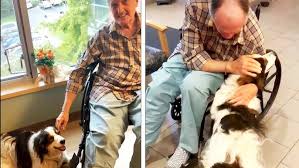
Bringing a brand-new rescue dog into the living room frequently shatters the beautiful, highly romanticized daydream of instant canine companionship. The highly anticipated joyful homecoming rapidly transforms into an incredibly tense, completely unpredictable standoff. Handlers watch their new dog pace relentlessly, violently destroy furniture, or cower silently behind the sofa, instantly sparking severe human frustration and deep emotional exhaustion.
This sheer exhaustion is heavily magnified when overwhelmed owners completely misread the dog’s terrified body language, accidentally pushing the fragile animal far past their absolute biological threshold. Punishing a stressed dog for a completely natural, terrified growl violently suppresses their communication system, practically ensuring the dog will silently bite the exact next human who reaches for their collar.

The definitive solution requires immediately stepping entirely away from highly dangerous human expectations and heavily educating the entire family on microscopic canine body language. Successfully navigating the incredibly fragile post-shelter transition strictly demands deploying clinical behavioral observation to identify completely invisible stress markers. By flawlessly interpreting these biological cries for help, pet parents perfectly establish absolute trust and deeply secure the new pack dynamic.
The Silent Stress Blueprint: Overview Mind Map
- The Yawn Deception: Understanding exactly why a tired-looking dog is actually displaying severe, violently skyrocketing adrenaline.
- The Velcro Trauma: Why a completely new rescue dog that refuses to leave a human’s side is exhibiting intense insecurity, absolutely not deep emotional love.
- The Whale Eye Warning: Recognizing the highly dangerous half-moon of white sclera that strictly predicts an impending, highly explosive physical bite.
- Learned Helplessness: How completely misdiagnosing a shut-down, entirely silent dog as “calm” heavily sets the stage for massive future behavioral failures.
🚨 Vet Fact: When a dog experiences severe, highly intense environmental stress, their adrenal glands aggressively pump massive amounts of raw cortisol directly into the bloodstream. It physically takes the canine body up to seventy-two complete hours to entirely metabolize and flush a single massive cortisol spike entirely out of their biological system.
Advanced Insight 1: The Micro-Signals (Yawning and Lip Licking)
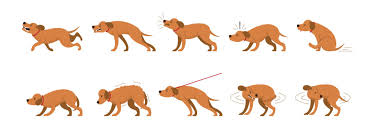
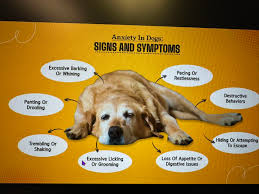
Generic pet blogs constantly list highly obvious stress markers like severe panting or violently tucked tails. Elite behaviorists understand that waiting for those massive physical signs means the handler has already completely failed the terrified dog. A canine desperately tries to communicate extreme discomfort through highly microscopic physical twitches clinically known as calming signals.
Rapid, completely out-of-context yawning when the dog is absolutely not physically tired is a massive biological indicator of severe emotional conflict. Similarly, frantic lip licking or rapid tongue flicking when entirely away from the food bowl completely indicates the central nervous system is heavily overloaded. Handlers must actively view these tiny facial movements strictly as a polite, highly desperate canine request for immediate physical space.
Take the highly relatable reality of adopting a heavily traumatized, extremely sensitive Boxer mix named Cooper. Whenever completely strange men entered the living room, Cooper sat perfectly still but began rapidly flicking his tongue directly over his nose exactly every three seconds. By recognizing this microscopic lip-licking as severe, crippling anxiety, the dedicated handlers brilliantly calmly escorted Cooper to a quiet back bedroom, flawlessly preventing a highly dangerous, fear-based lunging incident entirely.
Advanced Insight 2: The “Velcro Dog” Trauma Response
A massive, highly destructive mistake dedicated owners make is heavily romanticizing a brand-new rescue dog’s severe hyper-attachment. When a shelter arrival violently refuses to leave the handler’s side, constantly leaning heavily against their legs, owners frequently assume the dog instantly formed a deep, magical bond. Elite trainers aggressively reject this completely toxic narrative, recognizing it strictly as a terrifying biological trauma response.
Following the massive, highly chaotic sensory overload of a concrete animal shelter, a highly insecure dog frequently selects exactly one human to act as their absolute biological life raft. This relentless shadowing completely lacks genuine canine confidence and is entirely fueled by severe, highly crippling separation anxiety. Actively rewarding this frantic clinging behavior practically guarantees the dog will violently destroy the front door the exact second the human leaves for work.
Handlers absolutely must completely stop heavily petting a new rescue dog that constantly forces themselves physically against human legs. The ultimate behavioral goal is brilliantly teaching the terrified canine that completely resting alone on a highly comfortable orthopedic bed completely across the room is entirely safe and heavily rewarding.
🐾 Snoutbit Pro-Tip: Never attempt to deeply comfort a completely terrified, severely shaking rescue dog by heavily wrapping your arms tightly around their neck. In canine body language, a tight, highly restrictive physical hug perfectly mimics a highly dominant, aggressively predatory attack, instantly causing their internal stress levels to violently skyrocket.
Advanced Insight 3: The “Good Dog” Shutdown Illusion
When a deeply traumatized dog arrives in a brand-new home and immediately completely curls into a silent, entirely unmoving ball, owners frequently celebrate their “perfectly calm” new pet. This is the absolute most dangerous behavioral misdiagnosis in the entire canine rescue world. The dog is absolutely not relaxed; they are actively experiencing a terrifying, highly clinical psychological state known strictly as learned helplessness.
The canine’s central nervous system is so massively overloaded with severe stress hormones that the brain entirely shuts down absolutely all physical responses. The dog completely stops trying to actively interact with the highly terrifying environment, perfectly, but falsely, mimicking a deeply relaxed, well-behaved animal. When this massive biological suppression inevitably entirely wears off weeks later, the “perfect” dog frequently explodes into severe, highly destructive behavioral reactivity.
Consider the incredibly intense behavioral operations at bustling rescue facilities managing severely neglected, highly abused stray populations. A completely terrified Shepherd mix recently arrived entirely flat, completely allowing dedicated rescue volunteers to heavily handle her without a single flinch. The highly educated handlers strictly recognized the severe shutdown, entirely stopping all unnecessary physical touch and forcing strict spatial decompression, brilliantly preventing a massive fear bite when the dog finally “woke up” a week later.
The Danger of Trigger Stacking
Understanding microscopic canine stress signals completely saves lives, but handlers must also heavily understand exactly how environmental pressure physically accumulates. “Trigger stacking” occurs when a highly sensitive rescue dog is actively exposed to multiple, slightly scary events in incredibly rapid succession. A dog might successfully handle a loud garbage truck, but if a screaming toddler runs past exactly thirty seconds later, the dog violently erupts into severe aggression.
The rescue dog’s brain physically entirely lacks the biological time required to successfully process and completely drop the stress from the first event. The highly toxic cortisol levels strictly stack directly on top of each other, pushing the dog violently over their absolute emotional threshold. This perfectly explains why a dog completely ignores the postman on Monday but aggressively attempts to bite the exact same postman on Tuesday.
Handlers absolutely must actively play the role of a highly protective biological shield completely during the entire decompression phase. If the dog experiences a highly stressful event, the handler must aggressively force the dog to deeply rest, completely canceling all physical walks for exactly twenty-four hours to flawlessly allow the nervous system to chemically reset.
🚨 Vet Fact: Sudden, massive pupil dilation entirely outside of completely dark environments is a highly severe, immediate biological warning sign. The canine sympathetic nervous system violently forces the pupils incredibly wide to instantly pull in massive amounts of visual data completely right before launching a highly explosive “fight or flight” response.
The 3-3-3 Rule and Absolute Choice
Successfully reading canine stress signals is highly critical, but handlers must heavily pair that exact knowledge with aggressive environmental management. The canine brain physically requires massive amounts of entirely undisturbed time to successfully purge severe shelter trauma. Elite behaviorists strictly mandate the highly clinical “3-3-3 Rule” for absolutely every single brand-new shelter arrival.
It takes exactly three days for the initial biological shock to fade, three weeks for the dog to successfully learn the new household routine, and a massive three full months to build a true, deep emotional bond. During the highly critical first three weeks, handlers must strictly enforce a completely boring, highly predictable daily existence. Absolutely completely ban all neighborhood dog park visits, chaotic family parties, and highly stressful, crowded pet store trips.
Provide the deeply stressed dog with complete, unwavering behavioral choice. Allow the dog to entirely decide exactly when they want to actively interact, completely leaving the room if they violently choose to retreat to their secure wire crate. By fiercely protecting the rescue dog from heavy environmental flooding, the handler flawlessly proves they are a highly competent, completely trustworthy pack leader.
What To Do Next
- Execute the Gaze Audit: Walk completely into your primary living room this exact afternoon and actively audit your own direct eye contact. Completely stop intensely staring directly into the brand-new rescue dog’s eyes, flawlessly utilizing soft, highly averted peripheral glances to brilliantly completely remove massive social pressure from the terrified animal.
- Deploy the Sanctuary Space: Instantly designate a highly quiet, entirely low-traffic corner of the house strictly as the dog’s absolute safe zone today. Place a highly comfortable bed or a heavy-duty covered crate in this exact spot, aggressively instructing the entire human family that absolutely no one is allowed to physically touch or verbally address the dog when they retreat to this specific sanctuary.
Disclaimer: The content on Snoutbit.com is for informational and educational purposes only and is not intended to replace professional veterinary advice, diagnosis, or treatment. Always consult with your veterinarian before making significant changes to your dog’s diet, exercise routine, or health regimen.