A dropped almond hits the kitchen floor, and the family dog swallows it before anyone can blink. The immediate, frantic panic sets in as owners rush to their phones to search for poisoning symptoms. The terror of a looming, high-cost emergency veterinary visit creates massive stress for any dedicated pet parent.

The straightforward answer is that dogs should absolutely never eat almonds. While they lack the specific, deadly chemical compound found in macadamia nuts, almonds remain incredibly hazardous to canine health. They act as perfect little throat plugs, trigger severe gastrointestinal distress, and deliver a dangerous payload of fat that can easily hospitalise a dog.
What happens if a dog eats one single almond?
A single, plain, unsalted almond rarely requires a rushed midnight trip to the emergency vet clinic. The robust canine stomach will likely pass it harmlessly or the dog will vomit it up later in the day. Owners of large breeds like Golden Retrievers usually have very little to worry about regarding a single dropped nut.
However, toy breeds and brachycephalic (flat-faced) dogs face a disproportionate, massive risk of airway obstruction from just one piece. Dogs do not chew their food meticulously; their jaws are biologically designed for shearing and rapid gulping. This gulping mechanism makes hard, round nuts the ultimate, unpredictable choking hazard for eager, food-motivated pups.
🐾 Snoutbit Pro-Tip: Keep a pet-specific first aid kit in the pantry. If a dog begins violently choking on an almond, knowing exactly how to perform a modified canine Heimlich manoeuvre is a vital, life-saving skill for any pet parent to master.
Why do dogs struggle to digest whole nuts?
Canine digestive tracts are primarily designed to efficiently process animal proteins and bone, not dense, fibrous plant matter. When an almond enters the stomach intact, the canine gastric acids struggle immensely to break down the tough outer shell. The nut essentially sits in the highly acidic environment, causing severe cramping and loud, painful bowel sounds.
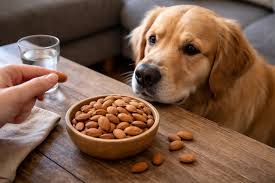
If a dog manages to swallow several almonds whole, these undigested nuts act like dense, unyielding stones travelling through the delicate intestines. Because the stomach acid cannot dissolve them, they frequently clump together in the narrowest parts of the bowel. This creates a terrifying, life-threatening scenario known as a gastrointestinal blockage.
What are the severe signs of a gastrointestinal blockage?
A bowel obstruction is a catastrophic medical emergency that will not resolve itself naturally. When almonds completely block the intestinal tract, food and gas violently back up into the stomach. This requires immediate, high-cost surgical intervention to physically cut open the bowel and remove the blockage, saving the dog’s life.
Owners must watch meticulously for these undeniable red flags:
- Projectile Vomiting: An absolute inability to keep even small amounts of water down.
- Anorexia: A sudden, complete refusal to eat highly valued food or treats.
- Abdominal Distension: The stomach feels rock-hard to the touch and looks visibly swollen.
- Lethargy: Extreme weakness and an inability to stand up or walk outside.
Can dogs get pancreatitis from eating almonds?
Beyond the physical choking hazard, nuts are massive, highly concentrated fat bombs. Even a small handful of almonds contains enough dense fat to completely overwhelm a healthy canine pancreas. The pancreas is responsible for releasing crucial digestive enzymes, and when flooded with sudden dietary fat, it becomes intensely and dangerously inflamed.
Consider a robust Australian Staffy that attended a classic weekend backyard barbie. The dog eagerly inhaled a dropped bowl of roasted almonds meant for the human guests. By midnight, the Staffy was exhibiting severe abdominal pain and required a three-day hospital stay on intravenous fluids for acute pancreatitis, turning a fun afternoon into a stressful financial nightmare.
🚨 Vet Fact: A dog suffering from extreme abdominal pain caused by pancreatitis will often adopt a “praying position.” They will press their front elbows flat against the floor while keeping their rear end raised high in the air to temporarily relieve the intense internal pressure.
Are salted or flavoured almonds toxic to dogs?
Plain almonds are dangerous enough, but the flavoured varieties found in Aussie pantries are significantly more lethal. They are typically coated heavily in salt, garlic powder, onion powder, jalapeño spices, or dark chocolate. Garlic and onion are profoundly toxic, actively destroying canine red blood cells and leading to severe, life-threatening anaemia.
Chocolate-covered almonds present an incredibly dangerous, lethal double-threat. Theobromine, the toxic compound naturally found in chocolate, acts as a severe cardiac stimulant in dogs. Ingestion leads directly to rapid, irregular heart rates, violent neurological seizures, and potential cardiac arrest without immediate veterinary intervention.
How does salt toxicity affect canine health?
Dogs possess a significantly lower biological threshold for sodium tolerance than humans do. Consuming a handful of heavily salted nuts aggressively pulls vital fluid out of the dog’s cellular tissue. This triggers a severe, cascading medical condition clinically known as hypernatremia.
A recently rescued Kelpie on a rural Australian property managed to rip open a sealed packet of tamari-roasted almonds left carelessly on a coffee table. The massive, sudden influx of sodium caused severe neurological tremors and extreme, terrifying lethargy. The owners had to execute an emergency dash to the vet clinic for life-saving IV fluid resuscitation to flush the salt from the dog’s kidneys.
What is the hidden aflatoxin risk with tree nuts?
Here is an advanced, highly critical insight rarely discussed in generic pet forums: the invisible mould risk. Tree nuts are highly susceptible to microscopic moulds, particularly when stored improperly in the warm, humid climates found across the Australian coastline. This specific mould, known scientifically as Aspergillus, silently thrives on the fibrous outer shell of the nut.
This mould produces highly toxic, invisible chemical compounds called aflatoxins. Aflatoxins are severely hepatotoxic, meaning they aggressively damage the canine liver even in microscopic, virtually undetectable quantities. Long-term exposure to trace amounts of aflatoxins leads directly to chronic liver failure and permanent metabolic damage.
🐾 Snoutbit Pro-Tip: Never allow a dog to scavenge fallen, rotting nuts from trees during a neighbourhood walk. Nuts left decaying on the damp ground ferment quickly and naturally harbour massive, highly dangerous colonies of toxic moulds and deadly bacteria.
Does phytic acid in almonds harm dogs?
Almonds are naturally loaded with a controversial plant-based anti-nutrient known as phytic acid. This complex compound exists to protect the nut in the wild, but it wreaks absolute havoc inside a canine digestive tract. Phytic acid actively binds to essential, life-sustaining minerals like calcium, zinc, and iron while inside the dog’s gut.

Once bound by the phytic acid, these critical minerals simply pass through the dog’s body entirely unabsorbed. Regularly feeding a dog foods exceptionally high in phytic acid completely prevents their body from absorbing vital dietary nutrients. Over time, this leads directly to silent, long-term dietary deficiencies, brittle bones, and a severely compromised immune system.
Are almond butter and almond milk safe for dogs?
Many owners mistakenly assume that heavily blending or crushing the nut removes the danger entirely. While smooth almond butter successfully eliminates the immediate physical choking hazard, it retains the exact same dangerous, pancreas-destroying fat content. Feeding thick spoonfuls of nut butter is a guaranteed recipe for severe gastrointestinal upset.
Furthermore, boutique or sugar-free almond butters frequently utilise xylitol as an artificial sweetener to lower the calorie count. Xylitol is profoundly and lethally toxic to canines, triggering a massive, uncontrollable insulin release. This chemical reaction causes fatal hypoglycaemia (plummeting blood sugar) and irreversible liver necrosis within mere minutes of ingestion.
Almond milk is similarly problematic and should be entirely avoided. Commercial almond milk is heavily processed, filled with artificial thickeners, and often heavily sweetened. These synthetic additives completely disrupt a dog’s delicate gut microbiome, leading to chronic diarrhoea and painful abdominal bloating.
🚨 Vet Fact: If a dog ingests any product containing xylitol, do not wait for symptoms to appear before seeking help. Xylitol absorbs into the canine bloodstream incredibly fast, making immediate veterinary-induced vomiting the only reliable way to prevent a fatal outcome.
Does roasting or blanching make almonds safe?
No culinary preparation method successfully neutralises the inherent biological dangers of this specific tree nut. Roasting almonds often involves cooking them in highly processed, inflammatory seed oils at extreme temperatures. This adds an entirely extra layer of toxic, inflammatory fat to an already dangerous, hard-to-digest snack.
Blanched almonds, which simply have the thin brown skin removed through a boiling process, remain equally hazardous. They still pose the exact same severe, terrifying choking risk and deliver the same massive, dangerous fat payload to the pancreas. There is absolutely no safe, reliable way to prepare an almond for canine consumption.
What safe, crunchy alternatives can dogs eat?
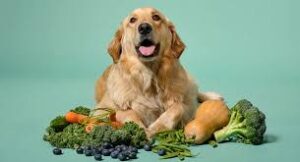
Dogs heavily rely on their mouths to explore the world, and they often crave the deeply satisfying physical sensation of crunching down on a hard snack. The solution is to swap the dangerous, fat-laden tree nuts for biologically appropriate, low-calorie vegetables. These safe alternatives naturally scrape daily plaque off their teeth while providing vital, healthy hydration.
- Fresh Green Beans: Serve them completely raw or snap them directly from the garden for an incredibly satisfying, low-calorie crunch.
- Thick Carrot Sticks: Packed with beta-carotene, these dense root vegetables safely exhaust a dog’s natural chewing drive.
- Frozen Apple Slices: With all seeds meticulously removed, these icy treats provide excellent core temperature regulation for an active dog during a blistering Aussie summer.
Exactly what to do if a dog eats an almond
If the worst happens and a dog accidentally snatches an almond, absolute calmness is required. First, immediately assess the exact quantity consumed relative to the dog’s total body weight. A tiny Chihuahua eating two almonds is a far more critical emergency than a massive Mastiff eating the same amount.
Do not immediately attempt to induce vomiting at home with harsh chemicals like hydrogen peroxide unless explicitly instructed by a veterinary poison control centre. Inducing vomiting at home carries a massive risk of the dog accidentally inhaling the stomach acid and the nut into their lungs. This creates a secondary, lethal condition called aspiration pneumonia.
Instead, monitor the dog meticulously for the next forty-eight hours. Watch closely for any signs of extreme lethargy, a sudden refusal to eat their normal kibble, or painful vomiting. If the dog passes a normal, solid stool the following day and maintains their typical high energy, the nut has likely passed through their system safely.
What To Do Next
- Conduct a Pantry Audit Today: Immediately secure all dangerous tree nuts, trail mixes, and chocolate-covered snacks in airtight, hard plastic containers. Move these sealed containers to the highest, most inaccessible, secure shelf in the kitchen to completely eliminate the risk of counter-surfing theft.
- Prepare a Safe, Crunchy Swap: Chop up two large carrots into thick, bite-sized sticks and place them in a sealed container in the fridge. Use these cold, crunchy vegetables exclusively as high-value, totally safe training rewards throughout the upcoming week.
Disclaimer: The content on Snoutbit.com is for informational and educational purposes only and is not intended to replace professional veterinary advice, diagnosis, or treatment. Always consult with your veterinarian before making significant changes to your dog’s diet, exercise routine, or health regimen.