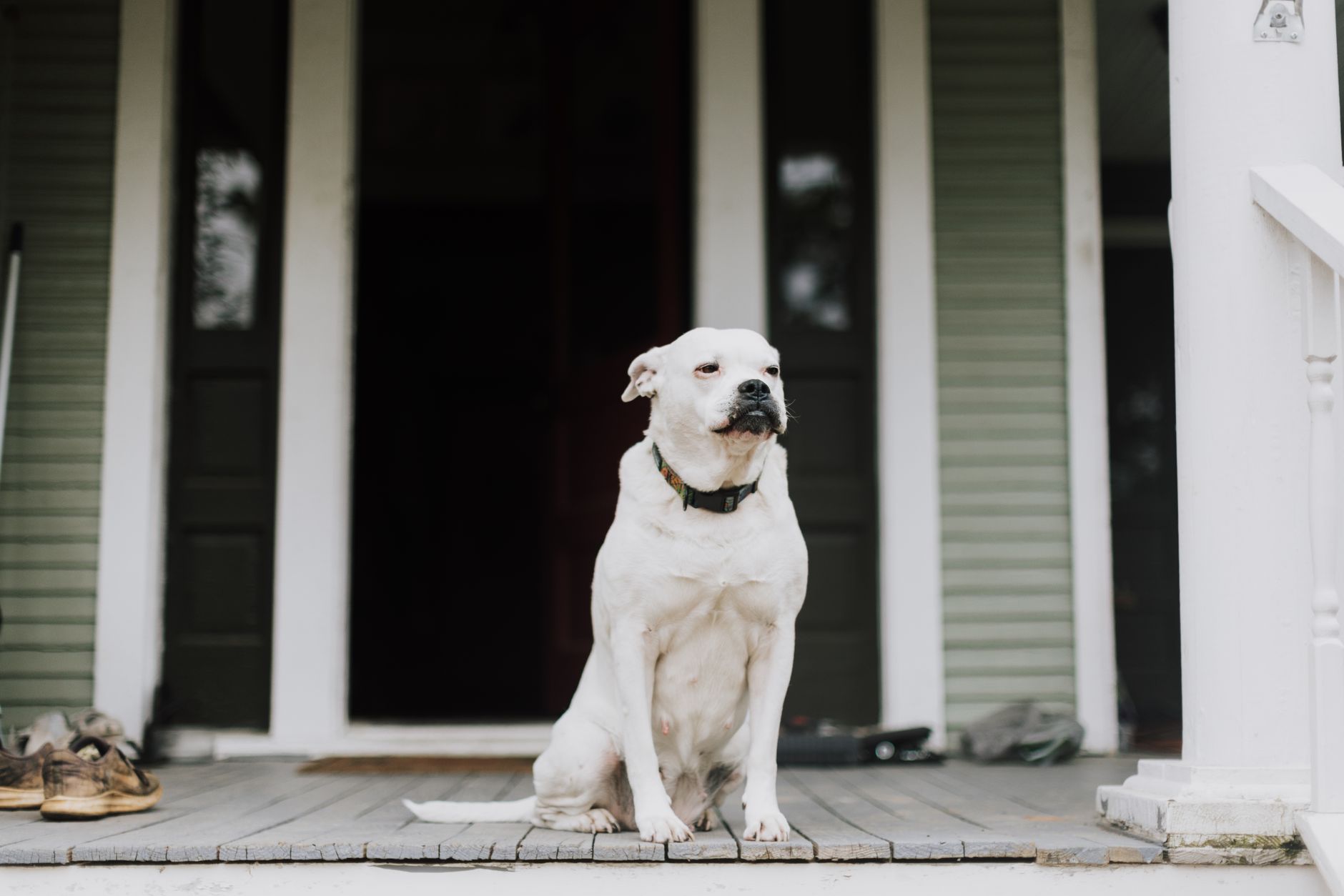
Rescue Dog Petey: From Punished for Barking to Singing with Mom
Introduction
Every dog has a voice. Some are loud and boisterous, others soft and timid. But for Petey, an American Bulldog rescued from a shelter, his voice was once a source of punishment—not joy. According to iHeartDogs, Petey was disciplined for barking and growling at the shelter, a response that left him silent for months. His story is a powerful reminder of how patience, safety, and love can transform a fearful dog into a joyful companion. Today, Petey sings enthusiastically during car rides, and his mom often joins in. A video shared on Instagram (@partywithpetey) captured one of these moments and received over 11,000 likes. As Petey celebrates his first Gotcha Day while recovering from knee surgery and transitioning to new food, his journey offers hope and practical lessons for anyone who has adopted a dog with a troubled past. This article explores how Petey went from being punished for barking to singing with his mom—and what his transformation teaches us about the power of patience.
From Punished to Silent: Petey's Shelter Experience
Petey's story begins in a shelter, a place that should be a temporary stop on the way to a loving home but can often be stressful and confusing for dogs. According to iHeartDogs, Petey was punished for barking and growling while at the shelter. For a dog, barking and growling are natural forms of communication—expressions of excitement, fear, warning, or simply a way to seek attention. When these natural behaviors are met with punishment, a dog can become confused and fearful. For Petey, the consequence was profound: he spent months barely making a sound. This silence was not a sign of obedience but a sign of suppression. He had learned that using his voice led to negative outcomes, so he chose to stay quiet. This behavior is not uncommon in shelter environments, where dogs may be exposed to high stress and inconsistent training methods. Petey's experience highlights the importance of understanding canine communication and the risks of punishing natural behaviors. Instead of learning to be quiet, dogs like Petey learn to be afraid. Fortunately, Petey's story did not end in that shelter. His silence was a symptom of his past, but it would not define his future. The first step toward healing was finding a home where his voice would be welcomed, not punished.
Finding a Safe Place: The Beginning of Petey's Transformation
When Petey was adopted, he entered a new chapter. According to iHeartDogs, his new mom provided a safe and comfortable home, allowing him to gradually relax. This environment was the opposite of what he had experienced before—no punishment for barking, no stress from shelter life. Instead, he found consistency, warmth, and patience. For a dog who had been punished for using his voice, the transition was not immediate. Trust had to be rebuilt. His mom understood that Petey needed time to feel secure, and she gave him the space to adjust at his own pace. Gradually, Petey began to unwind. The silence that had defined his early months in the shelter started to fade. This phase of Petey's journey underscores a critical lesson for adopters: a safe and comfortable home is the foundation of rehabilitation. It is not about forcing a dog to change but about creating an environment where change can happen naturally. Petey's mom did not demand that he bark or growl; she simply offered safety. And in that safety, Petey began to heal. The transformation was not overnight, but it was real. From a dog who barely made a sound, Petey started to show glimpses of his true personality. The voice that had been suppressed was still there, waiting for the right moment to emerge.
Car Ride Concerts: How Petey Found His Voice
The breakthrough came in an unexpected place: the car. According to iHeartDogs, Petey now sings enthusiastically during car rides, and his mom often joins in. This behavior is a far cry from the silent dog he once was. Car rides can be exciting for many dogs—the sights, the smells, the movement—and for Petey, they became a safe space to express joy. His singing is not just noise; it is a celebration of his newfound freedom. The fact that his mom joins in shows the bond they have built. She does not silence him; she encourages him. This shared activity has become a symbol of Petey's recovery. The video shared on Instagram (@partywithpetey) captured one of these car ride concerts and received over 11,000 likes, resonating with people who understand the significance of a rescued dog finding his voice. Petey's singing is a testament to the power of patience and acceptance. In his previous life, barking and growling were punished. Now, his vocalizations are met with companionship and joy. This shift has allowed Petey to be himself—loud, happy, and expressive. For dog owners, Petey's story is a reminder that vocalizations are a natural part of canine behavior. Instead of suppressing them, we can channel them into positive experiences. If you're struggling with excessive barking, learn humane ways to stop dogs from barking instantly without causing fear. Understanding why do dogs howl can also shed light on your dog's vocal repertoire. Petey's car ride concerts are not just cute; they are a sign of trust and healing.
A Quiet Gotcha Day: Celebrating Recovery and Love
Gotcha Day is a special milestone for any rescue dog, marking the anniversary of their adoption. For Petey, this first Gotcha Day is particularly meaningful. According to iHeartDogs, Petey is celebrating his first Gotcha Day while recovering from knee surgery and transitioning to new food. This means that his celebration is a quiet one, focused on rest and care. But the significance is not lost. Despite the challenges of surgery recovery and dietary changes, Petey is surrounded by the love and safety of his home. His mom is by his side, ensuring he is comfortable and well-cared for. This Gotcha Day is a reminder that rescue is not just about the initial adoption; it is about the ongoing commitment to a dog's well-being. Petey's recovery from knee surgery is another hurdle he faces with his mom's support. The transition to new food is a practical detail that shows the everyday care involved in guardianship. Through it all, Petey's voice—the one he was once punished for—remains a source of joy. His mom's words capture the essence of his journey: 'The voice he was once punished for is now the sound of my happiest days.' This quote, shared by iHeartDogs, is a powerful testament to the transformation that love and patience can bring. Petey's first Gotcha Day may be quiet, but it is filled with meaning.
The Power of Patience: Lessons from Petey's Journey
Petey's story is more than just a heartwarming tale; it offers valuable lessons for anyone who shares their life with a dog. According to iHeartDogs, Petey was punished for barking and growling at the shelter, which led to months of silence. This shows how punishment can suppress natural behaviors and damage a dog's confidence. When Petey was adopted, his mom provided a safe and comfortable home, allowing him to gradually relax. This patience was key. She did not force him to bark or growl; she created an environment where he felt safe enough to do so on his own terms. The result is a dog who now sings enthusiastically during car rides, and his mom often joins in. This transformation did not happen overnight, but it happened because of consistent love and acceptance. Petey's story also highlights the importance of celebrating small victories. His car ride concerts, captured in a video on Instagram (@partywithpetey) that received over 11,000 likes, are a testament to his progress. As Petey celebrates his first Gotcha Day while recovering from knee surgery and transitioning to new food, we are reminded that rescue is a journey, not a single event. His mom's words—'The voice he was once punished for is now the sound of my happiest days'—encapsulate the reward of patience. For dog owners, Petey's journey is a call to listen to our dogs, to understand their needs, and to create homes where they can be themselves. It is a reminder that every dog has a voice worth hearing.
Practical Takeaways for Adopters of Fearful or Silent Dogs
Petey's transformation offers a roadmap for anyone welcoming a rescue dog with a troubled past. Here are actionable steps based on his journey:
- Create a safe space. Designate a quiet area with a comfortable bed where your dog can retreat. Avoid forcing interactions; let them come to you.
- Never punish growling or barking. These are warning signs and expressions of emotion. Punishment suppresses communication and can lead to fear-based aggression. Instead, identify the trigger and address it with positive reinforcement.
- Be patient. Trust-building takes weeks or months. Celebrate small wins, like a tail wag or a tentative bark.
- Use enrichment to build confidence. Activities like puzzle feeders and scent games provide mental stimulation and reduce anxiety. Explore dog enrichment strategies to get started.
- Seek professional help if needed. If your rescue dog shows signs of separation anxiety or other behavioral issues, consult a certified trainer or behaviorist.
- Understand barking triggers. Learn why do dogs bark at nothing to better interpret your dog's vocalizations.
- Use humane training methods. If barking becomes excessive, techniques to how to stop dog barking fast can help without causing fear.
Conclusion
Petey's journey from a punished, silent shelter dog to a joyful car-ride singer is a testament to the transformative power of patience, safety, and love. His story reminds us that every dog has a voice worth hearing—and that with the right environment, even the most fearful dog can learn to sing again. As Petey celebrates his first Gotcha Day, recovering from surgery and enjoying his new food, his mom's words echo: 'The voice he was once punished for is now the sound of my happiest days.' For adopters, Petey's story is a call to listen, to understand, and to create homes where dogs can be themselves.
Source: iHeartDogs