My rescue dog has separation anxiety what can I do?
Coming home to a shredded sofa or a noise complaint from neighbors is heartbreaking. It feels like a betrayal of the bond just formed with a new rescue. The panic a dog feels when the door shuts isn't "bad behavior"—it’s a physiological survival response.
The fastest way to help a rescue dog settle is to stop testing their limits. Relief comes from a structured "Gradual Departure" protocol that rewires the brain to see an empty house as a place of rest rather than a source of terror.
Why do rescue dogs struggle with being alone?
Rescue dogs often carry "attachment trauma" from multiple rehomations. Whether a Kelpie in Sydney or a Lab in Chicago, the fear of being abandoned again is a universal canine experience.
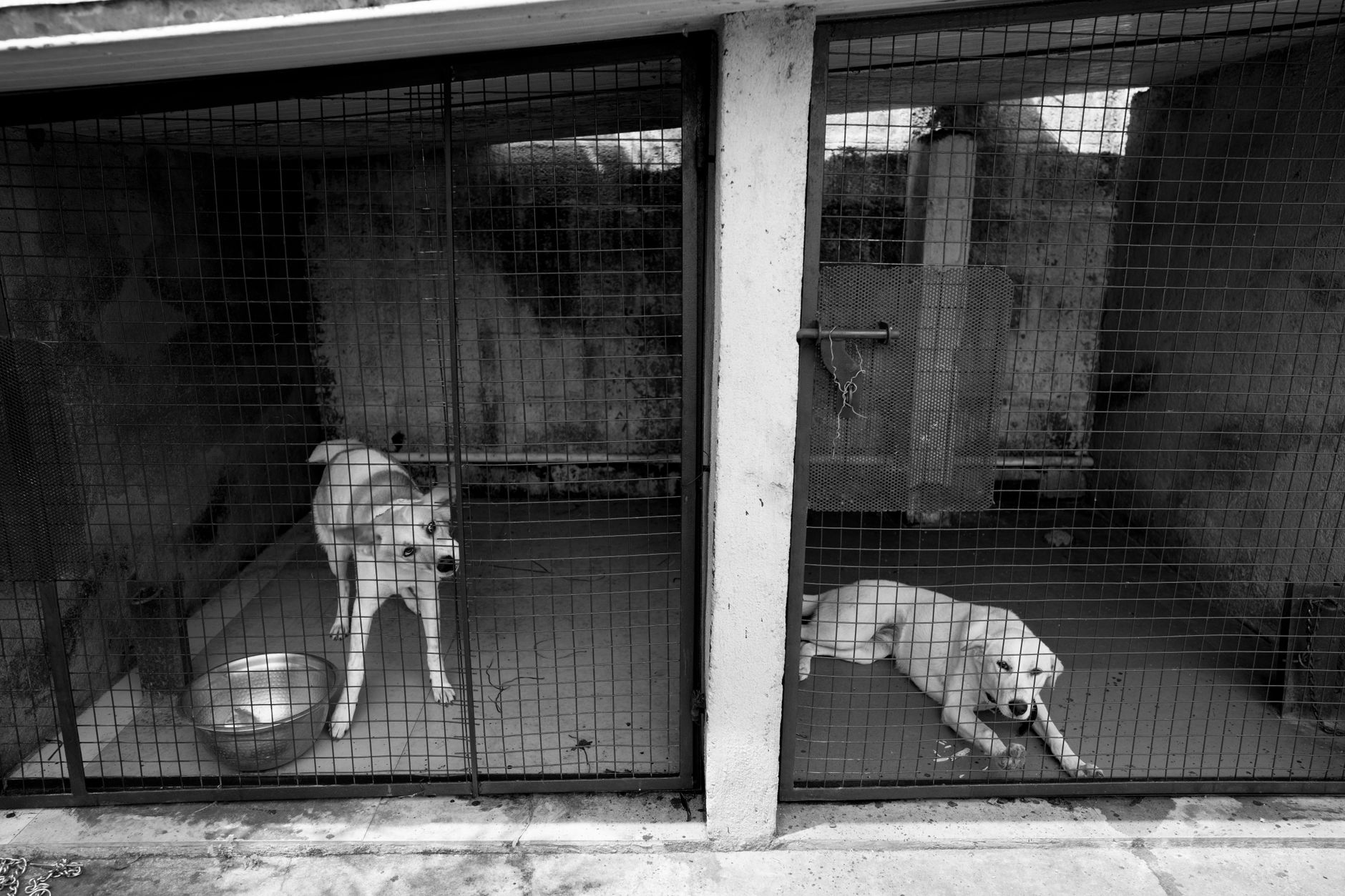
When a dog enters a new home, they enter a "hyper-attachment" phase. They cling to the new provider because that person represents safety in an unfamiliar world. When that safety net leaves, the dog’s amygdala triggers a "fight or flight" response.
What are the signs of separation anxiety vs. boredom?
- Destruction at exit points: Scratching at doors or windows implies an attempt to escape to find the owner.
- Hypersalivation: Finding puddles of drool (not water) is a clear sign of a panic attack.
- Vocalizing immediately: Howling or barking that starts within 5-10 minutes of departure.
- Self-mutilation: Licking paws or biting tails until raw.
🐾 Snoutbit Pro-Tip: Film the dog for 30 minutes after leaving. If they settle after 15 minutes, it might be boredom. If the pacing and panting escalate, it is likely true separation anxiety.
How can the environment reduce dog stress?
The home should be a sensory sanctuary. In the US, central heating can make a house stuffy; in Australia, the summer heat can agitate a restless Staffy or Blue Heeler.
Keep the temperature regulated and use white noise or "Through a Dog’s Ear" music to drown out trigger sounds like mail deliveries or neighborhood birds. Using calming pheromone diffusers near the dog's preferred sleeping spot can also provide a subtle chemical signal of safety.
What is the "Safe Zone" strategy?
Avoid the "crate or nothing" mentality. Many rescues have negative associations with small cages from their time in shelters.
Instead, use a "Safe Zone"—a laundry room, a kitchen with a baby gate, or a corner of the living room. Fill this area with high-value items the dog only gets when the owner is gone. This creates a positive association with the owner’s absence.
How to desensitize departure cues?
Dogs are masters of observation. They know the exact moment the "leaving ritual" begins. The sound of keys, the putting on of a coat, or the smell of sunscreen (especially for those heading to an Australian beach) can trigger a panic attack before the door even opens.
The "Cue Mismatch" Exercise:
- Pick up the car keys, then go sit on the couch and watch TV.
- Put on work boots or a heavy coat, then feed the dog dinner.
- Open the garage door, then immediately close it and make a cup of coffee.
By performing these actions without actually leaving, the "predictive power" of the cues is broken. The dog stops associating the keys with the onset of fear.
🚨 Vet Fact: A dog’s heart rate can double just at the sight of an owner picking up a handbag or wallet, long before the exit occurs.
What are advanced "Information Gain" tips for rescues?
- The "Scattered Foraging" Technique: Instead of a bowl, scatter the dog’s breakfast across a snuffle mat or hidden around the Safe Zone just as the exit happens. Foraging lowers cortisol levels naturally.
- The "Intermittent Return" Protocol: Most people leave for 5 minutes, then 10, then 20. Instead, vary the time. Leave for 2 minutes, then 30 seconds, then 5 minutes, then 1 minute. This prevents the dog from "counting the clock" and anticipating a long absence.
- The "Second Hand Scent" Soak: Take an old t-shirt, wear it to bed for two nights so it is saturated with scent, and place it in the dog's bed. For a rescue dog, scent is a powerful tether to their new "person."
How does exercise impact separation anxiety?
A tired dog is not necessarily a cured dog, but a physically fulfilled dog has a lower baseline of anxiety. For high-energy Aussie breeds like Kelpies or American favorites like Australian Shepherds, a simple walk isn't enough.

Mental "work" is more tiring than physical running. Engaging in 15 minutes of nose-work or trick training before leaving can help flip the brain into "rest and digest" mode. In hotter Australian climates, ensure this exercise happens in the early morning to avoid heatstroke.
Should medication be considered for rescue dogs?
While behavior modification is the long-term solution, some dogs are in such a high state of panic that they cannot learn. They are "over threshold."
In these cases, discussing "situational anxiolytics" with a veterinarian can be a game-changer. These are not "doggy sedatives" to knock the dog out; they are tools to lower the panic enough so the desensitization training can actually take root in the brain.
🐾 Snoutbit Pro-Tip: Never use "Bark Collars" or shock devices for separation anxiety. Punishing a panic attack only increases the dog's fear of being alone.
Why is the "Hello and Goodbye" ritual important?
The most common mistake is making a big deal out of leaving and returning. Long, emotional goodbyes tell the dog, "Something big is happening, and I’m worried too."
The Low-Arousal Approach:
- Departure: Give a "Safe Zone" treat, say a calm cue like "be right back," and walk out. No hugging.
- Return: Walk in, put the keys away, change clothes, and wait until the dog is calm before offering a quiet greeting. Ignoring the "crazy" greeting prevents reinforcing the high-arousal state.
How long does it take to see progress?
Rescue dogs are individuals. One might settle in two weeks, while another might take six months. Consistency is the only shortcut.
If a dog experiences a "regression" (a sudden bad day after three good ones), do not panic. This is normal in behavior modification. Simply go back a few steps in the training and shorten the departure times for a day or two.
🚨 Vet Fact: Studies show that dogs mirror the stress levels of their owners. Remaining calm and matter-of-fact during training sessions helps the dog regulate their own emotions.
What to do next?
- Audit the Departure: Tomorrow morning, write down every single thing done in the 20 minutes before leaving. Start desensitizing the first three items on that list this weekend.
- Set up a Camera: Use a free app or a home security camera to watch the dog for the first 15 minutes of the next departure. This data is essential for knowing if the current plan is working.
Disclaimer: The content on Snoutbit.com is for informational and educational purposes only and is not intended to replace professional veterinary advice, diagnosis, or treatment. Always consult with your veterinarian before making significant changes to your dog’s diet, exercise routine, or health regimen.