
The scratching starts, the summer mosquitoes swarm, and the deep fear of tick-borne disease sets in. Buying the wrong preventative leaves a dog exposed to fatal illnesses, while overlapping the wrong parasite pills can trigger a massive chemical overload. Which highly popular, beef-flavored chew is actually required for total safety?
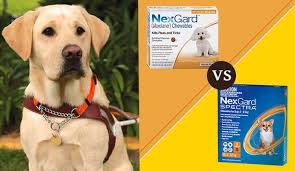
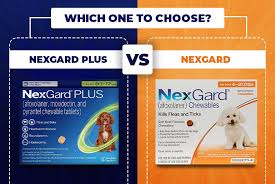
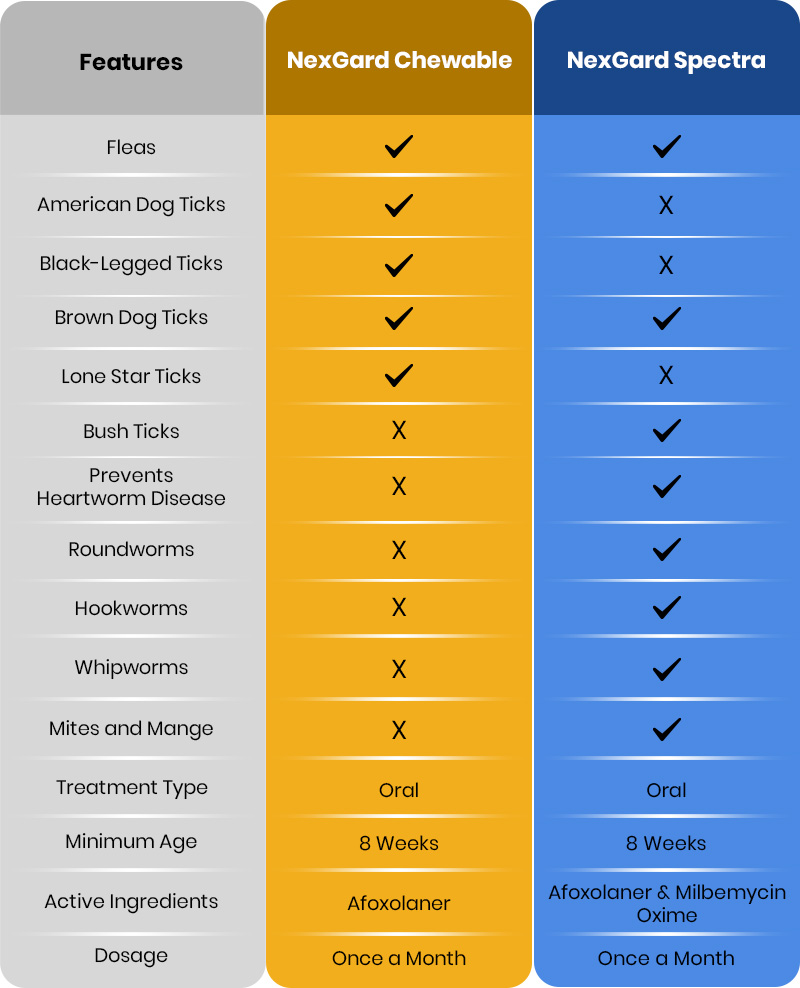
The biggest takeaway: Standard NexGard kills only fleas and ticks, while NexGard Spectra adds life-saving protection against heartworms and intestinal worms in a single dose. If a dog already takes a separate monthly heartworm pill, stick to standard NexGard. If an all-in-one monthly solution is desired to prevent heartworms, roundworms, fleas, and ticks simultaneously, NexGard Spectra is the exact upgrade required.
To instantly clarify the clinical differences between these two medications, here is a quick overview mind map.
🧬 Overview Mind Map: The NexGard Family Matrix
- Standard NexGard: Contains Afoxolaner. Targets only adult fleas and ticks.
- NexGard Spectra: Contains Afoxolaner + Milbemycin Oxime. Targets fleas, ticks, heartworms, roundworms, hookworms, and whipworms.
- The Shared Mechanism: Systemic absorption (parasites must physically bite the dog to die).
- The Crucial Warning: Both belong to the isoxazoline class, requiring extreme caution for dogs with a history of seizures.
The Core Difference: Afoxolaner vs. Milbemycin Oxime
Understanding the price difference and clinical application requires looking directly at the active ingredients. Standard NexGard relies entirely on a single powerful chemical called afoxolaner. This chemical absorbs into the dog’s bloodstream and attacks the central nervous system of any flea or tick that takes a blood meal.
NexGard Spectra utilizes that exact same dose of afoxolaner but introduces a second, highly potent drug called milbemycin oxime. This addition is what elevates the chew from a basic bug killer to a comprehensive, internal parasite eradicator. Milbemycin oxime circulates through the bloodstream to kill microscopic heartworm larvae injected by mosquitoes.
Furthermore, this second ingredient paralyzes and flushes out dangerous intestinal parasites like hookworms and whipworms. Combining these two chemicals into a single, highly palatable block is a massive pharmaceutical achievement, but it changes the safety protocols completely.
🚨 Vet Fact: Because NexGard Spectra contains a heartworm preventative, a dog must have a negative heartworm blood test on file before starting the medication. Giving milbemycin oxime to a dog already harboring adult heartworms can trigger a fatal, anaphylactic-like shock as the microfilariae die off massively in the bloodstream.
Advanced Insight #1: The Toxic Overlap Trap
When owners decide to upgrade their dog’s protection to Spectra for the sake of convenience, a highly dangerous mistake frequently occurs. They purchase the new all-in-one chew but fail to throw away their leftover boxes of standalone heartworm medication.
Administering NexGard Spectra alongside another heartworm pill (like Heartgard or Interceptor) results in a massive, toxic double-dose of macrocyclic lactones. This chemical overload severely stresses the dog’s liver and kidneys.
Symptoms of this accidental overdose include profound lethargy, heavy drooling, vomiting, and loss of coordination. Whenever a dog transitions to an all-in-one preventative, all previous standalone parasite pills must be safely discarded immediately.
The Real-World Florida Golden Retriever Crisis
Consider a Golden Retriever living in the humid, mosquito-dense environment of South Florida. The dog was historically prescribed standard NexGard for ticks and a separate monthly pill for heartworms. Seeking an easier routine, the owner purchased a six-month supply of Spectra.
Out of habit, the owner gave the new Spectra chew on the first of the month, followed immediately by the old heartworm pill. Within six hours, the Golden Retriever was heavily panting, unable to stand, and violently vomiting.
The emergency veterinary clinic quickly identified the toxic overlap of milbemycin oxime and ivermectin. The dog required 48 hours of intensive IV fluid therapy simply because the owner did not realize Spectra already contained a full heartworm preventative dose.
The Intestinal Worm Factor
While heartworm prevention is heavily discussed, the intestinal worm coverage provided by Spectra is equally vital. Hookworms and roundworms are heavily prevalent in public dog parks and contaminated soil.
Standard NexGard does absolutely nothing to stop these internal parasites from ravaging a dog’s gut. Spectra actively paralyzes these worms, allowing the dog to safely pass them in their stool. For households with young children who play closely with the family dog, this internal deworming barrier is crucial for human health safety.
🐾 Snoutbit Pro-Tip: Never administer either version of this medication on a completely empty stomach early in the morning. Giving the dense, rich chew immediately after a large, bulky meal drastically reduces the risk of nausea and ensures optimal drug absorption into the bloodstream.
Advanced Insight #2: The Hidden Tapeworm Gap
Top-ranking veterinary guides praise Spectra as a “complete” wormer, but seasoned canine behaviorists and vet techs know this is slightly misleading. There is one highly common, disgusting parasite that completely evades the chemicals in NexGard Spectra: the tapeworm.
Tapeworms are exclusively transmitted when a dog accidentally swallows an infected flea during self-grooming. While the afoxolaner in the chew will kill the flea quickly, if the dog swallowed that flea beforehand, a tapeworm will still develop in the intestines.
Neither standard NexGard nor Spectra contains praziquantel, the specific drug required to eradicate tapeworms. If a dog has suffered a recent, severe flea infestation, an entirely separate, targeted tapeworm tablet will still be required from the vet clinic.
The Australian Paralysis Tick Challenge
The geographical location heavily dictates how effective these medications truly are in the field. In the US, the primary threats are Lyme-carrying Deer ticks and Lone Star ticks, which both versions handle exceptionally well.
The Australian landscape presents a significantly more lethal opponent. The Australian paralysis tick (Ixodes holocyclus) is aggressive, highly toxic, and prevalent in the coastal bushlands. While both chews are registered by the APVMA to kill paralysis ticks, the mandatory “bite-to-die” requirement remains a massive clinical concern.
A robust Staffordshire Bull Terrier working on a dense Queensland property was on a strict monthly Spectra schedule. During the blistering peak of summer tick season, a paralysis tick successfully latched onto the dog’s neck.
The Staffy Recovery Reality
Because it is a systemic drug, the tick had to bite the Staffy and feed for several hours before the afoxolaner finally killed it. While the tick eventually died and shriveled up, it managed to inject enough neurotoxin beforehand to cause temporary hind-leg weakness and a change in the dog’s bark.
The owners had to rush the dog for emergency antiserum treatment. The medication functioned exactly as designed by killing the tick, but it highlighted a terrifying reality. Systemic oral chews are not a substitute for daily, physical tick checks in high-risk environments.
🚨 Vet Fact: The active ingredient afoxolaner kills adult fleas within 4 to 8 hours of attachment. This rapid kill rate completely disrupts the flea life cycle, preventing them from laying the 50-plus eggs a day needed to infest household carpets and furniture.
Advanced Insight #3: The Disease Transmission Window
Many pet owners mistakenly believe these oral chews act as an invisible shield that physically repels bugs. They absolutely do not possess any repellent properties. Fleas and mosquitoes will still land on the dog’s coat, and ticks will still attempt to burrow into the skin.
This creates a small but highly dangerous disease transmission window. Ticks are incredibly hardy creatures and can take up to 48 hours to fully succumb to the medication and fall off the host.
For absolute safety in heavily wooded, high-risk zones, pairing the oral chew with a topical, pet-safe bug repellent spray is a necessary dual-layer strategy. Repelling the bug before it bites the skin is always safer than waiting for the internal poison to kill it.
Managing the Isoxazoline Neurological Risks
The absolute most fiercely debated aspect of the entire isoxazoline drug class involves severe neurological adverse reactions. Regulatory bodies worldwide mandate a strict warning label detailing the rare risk of seizures, ataxia (stumbling), and severe muscle tremors.
The active chemical is genetically engineered to target the nervous systems of invertebrates, theoretically leaving mammalian receptors completely alone. However, in a very small fraction of dogs, the drug inadvertently crosses the blood-brain barrier.
Breeds with known neurological sensitivities, such as Frenchies with a documented history of epilepsy, should avoid this entire class of drugs completely. A localized, topical treatment is infinitely safer for a dog that already battles a lowered seizure threshold.
Navigating Herding Breed Sensitivities
Certain breeds possess a genetic anomaly known as the MDR1 (Multi-Drug Resistance 1) mutation. This mutation prevents the blood-brain barrier from properly keeping specific drugs out of the central nervous system.
Breeds like Australian Shepherds, Border Collies, and Kelpies are notoriously prone to this genetic defect. The milbemycin oxime found in NexGard Spectra is generally considered safe for MDR1 dogs when given at the exact prescribed dose.
However, accidental overdosing in these specific breeds can quickly lead to severe neurological toxicity. Always weigh the dog accurately at the clinic before purchasing a six-month supply to ensure the correct weight bracket is selected.
What To Do Next
- Audit the Medicine Cabinet: Check the pantry today to see if the dog is currently taking a standalone heartworm preventative (like Heartgard). If so, standard NexGard is the correct choice to avoid a toxic chemical overlap.
- Schedule the Blood Test: If deciding to upgrade to NexGard Spectra, call the local veterinary clinic immediately to schedule a mandatory rapid heartworm antigen blood test before administering the first dose.
Disclaimer: The content on Snoutbit.com is for informational and educational purposes only and is not intended to replace professional veterinary advice, diagnosis, or treatment. Always consult with your veterinarian before making significant changes to your dog’s diet, exercise routine, or health regimen.