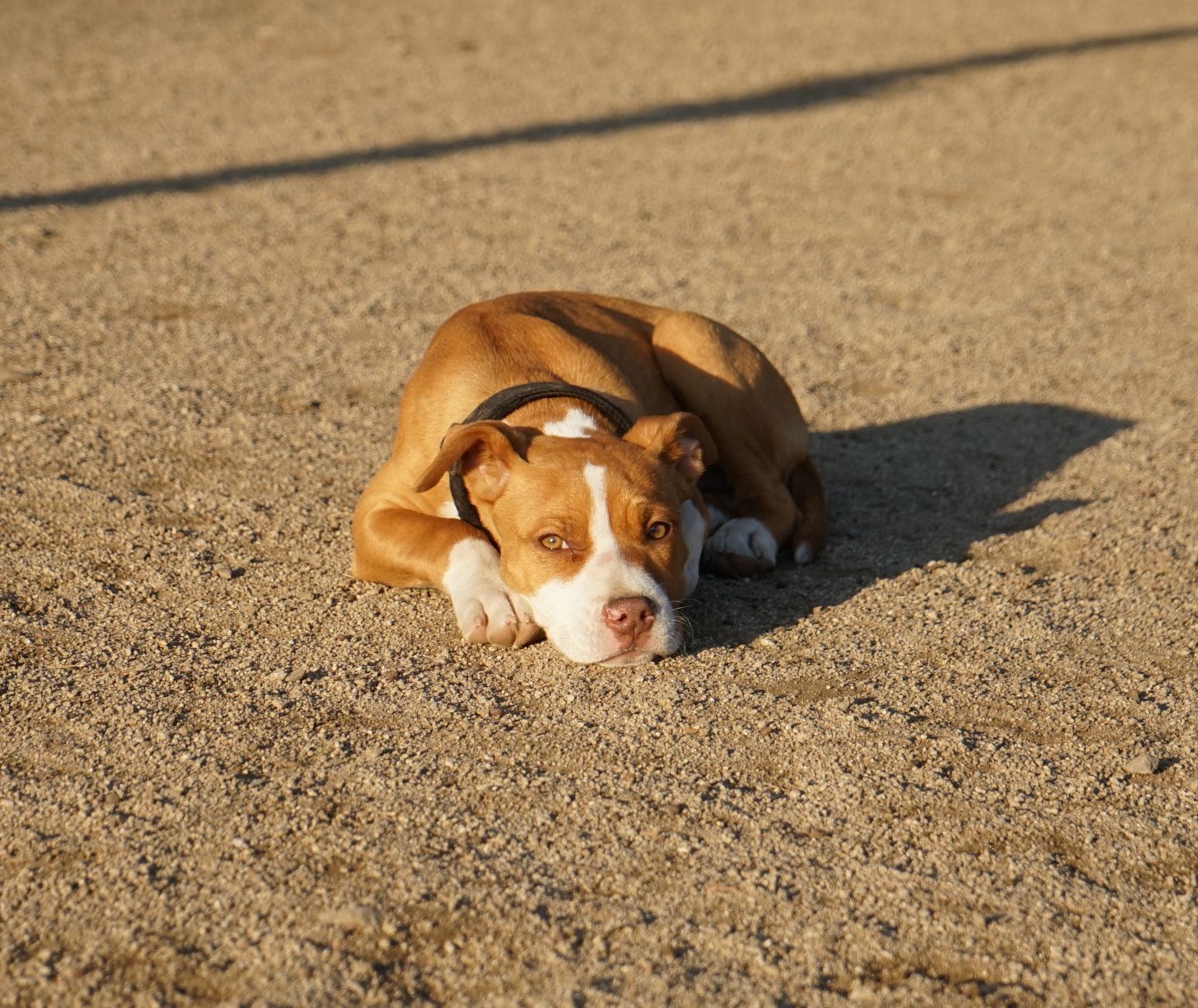
Missing Pit Bull Reunited After 8 Years: The Microchip Miracle
Introduction
When a beloved dog goes missing, the days that follow are often filled with frantic searches, endless worry, and a sinking feeling that hope is slipping away. For Cara Seiler, that nightmare began in 2013 when her Pit Bull mix, Kemo, disappeared from a friend's front yard at just two years old. According to iHeartDogs, Seiler suspected Kemo was stolen but did not share her reasons publicly.
What followed was an eight-year journey of unwavering determination. Seiler refused to give up hope, and her search inspired her to found Canine Haven Rescue in Waterloo, Indiana—an organization dedicated to helping other dogs find forever homes and assisting with lost dog searches. Then, in 2021, a miracle happened: Fort Wayne Animal Care and Control found Kemo at age ten, and thanks to his microchip, he was reunited with his family.
This is a story of resilience, the power of microchipping, and the unbreakable bond between a dog and his people.
The Disappearance of Kemo
In 2013, Kemo, a Pit Bull mix, was just about two years old when he vanished from a friend's front yard. The circumstances were suspicious—according to iHeartDogs, Cara Seiler suspected Kemo was stolen, though she chose not to share her reasons publicly. Regardless of what happened, the effect was devastating: Kemo was gone, and his family was left with nothing but questions and a deep sense of loss.
What followed was an eight-year search that would test the limits of anyone's hope. Seiler and her family refused to give up, scouring every possible lead and keeping Kemo's memory alive. As iHeartDogs reports, they searched for eight years, never once abandoning the belief that he might still be out there. That kind of perseverance is rare, and it speaks volumes about the bond they shared with Kemo.
During those long years, Seiler didn't just wait for a miracle—she took action. She founded Canine Haven Rescue in Waterloo, Indiana, a decision that would change the lives of many other dogs. But even as she poured her heart into helping others, she never stopped looking for Kemo. The search continued quietly in the background, a constant thread in her life. The family's dedication would eventually pay off in a way no one could have predicted.
A Mission Born from Heartbreak: Canine Haven Rescue
While the search for Kemo continued, Cara Seiler channeled her heartbreak into something positive. According to iHeartDogs, she founded Canine Haven Rescue in Waterloo, Indiana, during Kemo's absence. The organization had a clear mission: to help dogs find forever homes and to assist with lost dog searches. It was a way to turn her own painful experience into a force for good, ensuring that other families wouldn't have to endure the same uncertainty she faced.
Canine Haven Rescue became a beacon of hope for dogs in need. By focusing on both adoption and lost dog recovery, Seiler created a resource that addressed two critical aspects of dog welfare. The rescue not only helped homeless dogs find loving families but also provided support for owners desperately searching for their missing pets. This dual approach was directly inspired by Seiler's own journey—she knew firsthand the anguish of a lost dog and the importance of never giving up.
The founding of Canine Haven Rescue is a testament to Seiler's resilience. Instead of being consumed by grief, she built something that would make a difference. The rescue's work in Waterloo, Indiana, and beyond has undoubtedly touched many lives, both human and canine. And while Seiler was helping others, she continued to keep Kemo's microchip information up to date—a small but crucial act that would eventually bring her beloved dog back home. As iHeartDogs notes, she emphasized that she never gave up and always kept his microchip information current.
The Miraculous Reunion
In 2021, eight years after Kemo went missing, Fort Wayne Animal Care and Control found him. He was now ten years old—a senior dog who had been through who-knows-what during his time away. According to iHeartDogs, Kemo was found to be very healthy but close to 25 pounds overweight. Despite the years and the extra weight, he was alive and well, and the shelter quickly scanned his microchip.
That microchip, which Seiler had diligently kept up to date, was still registered to his family. Fort Wayne Animal Care and Control facilitated the reunion, and what happened next was nothing short of heartwarming. As iHeartDogs reports, when Kemo was reunited with his family, he remembered them and showed affection as if no time had passed. The years apart melted away in an instant, and the bond they shared was as strong as ever.
The reunion was a moment of pure joy for Seiler and her family. After eight long years of searching, hoping, and never giving up, they finally had Kemo back in their arms. The fact that he recognized them and responded with love was the ultimate reward. It was a happy ending that many would have thought impossible, but Seiler's unwavering hope and the power of a tiny microchip made it a reality. The story of Kemo's return is a beautiful reminder that miracles can happen when you least expect them.
The Power of Microchipping
Kemo's story is a powerful testament to the importance of microchipping your pets. According to iHeartDogs, Kemo still had his microchip, which allowed the shelter to reunite him with his family. Without that chip, it's unlikely that Fort Wayne Animal Care and Control would have been able to identify him and contact his owners. Microchips are tiny devices, but they can make an enormous difference in a lost pet's chances of coming home.
Equally important is keeping your contact information up to date. Seiler emphasized that she never gave up and always kept Kemo's microchip information current. That diligence paid off in a big way. If she had moved or changed her phone number without updating the registry, the shelter might not have been able to reach her. It's a simple step that many pet owners overlook, but it's crucial for ensuring that a microchip can do its job.
Microchipping is a safe, permanent form of identification that cannot be removed or lost like a collar. It's a quick procedure that can be done at most veterinary clinics, and it provides peace of mind for pet owners. Kemo's case proves that even after eight years, a microchip can bring a beloved pet back home. As iHeartDogs reports, Kemo's microchip was kept up to date, leading to his reunion—a direct cause-and-effect that highlights the value of this technology. For any dog owner, Kemo's story is a compelling reason to microchip their pet and keep their information current.
Lessons Learned: Never Give Up Hope
Kemo's story is filled with lessons for dog owners and animal lovers alike. Perhaps the most important one is to never give up hope. Seiler and her family searched for Kemo for eight years, never giving up hope, according to iHeartDogs. Their perseverance was rewarded in the most wonderful way. It's easy to feel discouraged when a pet goes missing, but Kemo's case shows that reunions are possible even after many years.
Another key takeaway is the importance of microchipping and keeping your information up to date. Seiler's diligence in this area was directly responsible for Kemo's return. It's a simple habit that can make all the difference. Additionally, Seiler's decision to found Canine Haven Rescue in Waterloo, Indiana, during Kemo's absence shows how a painful experience can be transformed into something positive. By helping other dogs find homes and assisting with lost dog searches, she turned her heartbreak into hope for others.
Finally, Kemo's reunion is a beautiful reminder of the enduring bond between dogs and their families. Despite eight years apart, Kemo remembered his family and showed affection as if no time had passed. That kind of connection transcends time and distance. It's a testament to the love and loyalty that dogs offer us every day. For anyone who has ever lost a pet, Kemo's story offers hope and inspiration. As iHeartDogs reported, the article was written by Molly Weinfurter and published on October 26, 2026, sharing this heartwarming tale with the world. It's a story that will continue to inspire dog owners to never give up and to cherish every moment with their furry friends.
Practical Steps to Protect Your Dog
Kemo's story is inspiring, but it's also a call to action. Here are simple steps every dog owner can take to increase the odds of a happy reunion if their pet ever goes missing:
- Microchip your dog and register the chip. Most veterinary clinics offer microchipping, and it's a quick, safe procedure. Make sure the chip is registered with your current contact information.
- Update your contact details whenever they change. If you move or change your phone number, log in to the microchip registry and update your information. This is the step Seiler credits for Kemo's return.
- Use a secure collar with an ID tag. While microchips are permanent, a visible ID tag can help a neighbor return your dog immediately. Combine both for the best protection.
- Keep recent photos and a description of your dog. If your dog goes missing, you'll need clear photos and details to share with shelters and on social media.
- Report your lost dog to local shelters and animal control. Fort Wayne Animal Care and Control played a key role in Kemo's reunion, so alerting local authorities is essential.
If you're bringing a newly adopted or recovered dog home, be patient. Rescue dogs may need time to adjust; resources like [[my rescue dog has separation anxiety](/my-rescue-dog-has-separation-anxiety-what-can-i-do) can help. For general anxiety tips, see separation anxiety. If you have other pets, learn how to introduce new dog to my dog safely. And to keep your dog mentally and physically healthy, try dog enrichment strategies. Finally, a well-fitted dog harness can make walks safer and more comfortable.
Frequently Asked Questions
How long can a microchip last? Microchips are designed to last the lifetime of your pet. They don't require batteries and are activated by a scanner.
Can a microchip track my dog's location? No, a microchip is not a GPS tracker. It stores a unique ID number that must be scanned by a shelter or vet. That's why keeping your contact information up to date is critical.
What should I do if my dog goes missing? Contact local animal control and shelters immediately, post clear photos on social media and neighborhood apps, and put up flyers. Also, confirm that your microchip registry information is current.
Is microchipping painful for dogs? The procedure is quick and similar to a routine vaccination. Most dogs tolerate it well.
What if my dog was stolen? Report the theft to the police and provide them with your dog's microchip number. If your dog is found and scanned, the chip will link back to you.
Conclusion
Kemo's story is a testament to the power of hope, perseverance, and a tiny microchip. After eight years apart, he was reunited with his family—healthy, a little overweight, but full of love. Cara Seiler's decision to found Canine Haven Rescue turned her heartbreak into hope for countless other dogs, and her diligence in keeping Kemo's microchip information current made his return possible.
For dog owners, the lessons are clear: microchip your pet, keep your contact information up to date, and never give up hope. Miracles can happen, even after eight long years.
Source: iHeartDogs