Will Blood Be Shed? The Ultimate Guide On How To Introduce New Dog To My Dog Safely
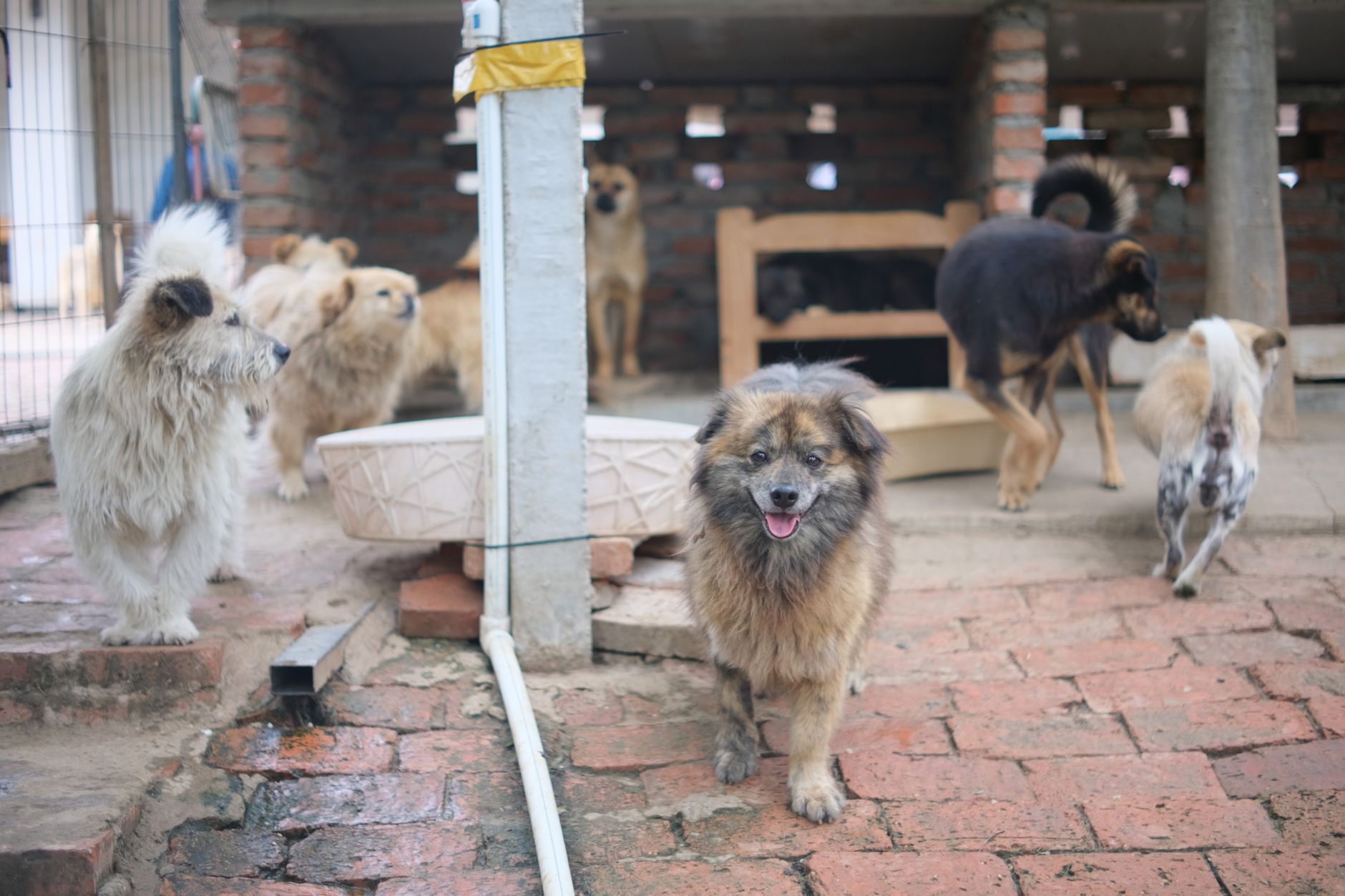
Bringing a second rescue or a bouncing puppy into the home feels like an incredible dream until terrifying growls suddenly shatter the living room peace. The massive anxiety of a potential dog fight ruins the entire adoption experience, leaving households highly stressed and completely divided. The definitive answer for how to introduce new dog to my dog is aggressively avoiding the front door entirely and executing a parallel pack walk on completely neutral territory. The biggest takeaway is that forcing two dogs to meet inside a narrow hallway triggers intense, biological territorial aggression. Moving both dogs forward together in a wide, open space creates an instant psychological bond, drastically reducing the terrifying risk of an immediate scuffle.
Why Do Indoor Introductions Fail So Quickly?
Dogs are deeply biological creatures that rely heavily on scent marking and established environmental boundaries to feel safe. When a strange canine walks directly into a resident dog's living room, it feels like a massive, highly disrespectful home invasion. Even the friendliest Golden Retriever will instinctively resource-guard their favorite couch or water bowl against a completely unknown intruder.

The front door represents a high-arousal chokepoint where territorial protective instincts are biologically amplified to the absolute maximum level. To guarantee success, handlers must pack both dogs into separate vehicles and drive to a completely neutral park or quiet neighborhood street. Removing the concept of "home turf" instantly drops both dogs' defensive walls and allows for safe, natural curiosity to take over.
🚨 Vet Fact: Canine stress hormones, primarily cortisol, take up to a full seventy-two hours to completely leave the bloodstream after a highly tense encounter. A single, poorly managed scuffle at the front door guarantees three full days of intense, biological anxiety for both animals.
What Is The Parallel Pack Walk Method?
The absolute most advanced, highly effective behavioral strategy for a seamless introduction is the parallel pack walk. Instead of allowing the dogs to meet face-to-face immediately, two separate handlers walk the dogs in the exact same direction, keeping about ten feet of distance between them. This specific motion taps directly into the ancestral canine instinct of migrating together as a cohesive, forward-moving pack.
As the dogs walk parallel to one another, they safely absorb each other's scent blowing in the wind without the intense pressure of direct, threatening eye contact. Slowly decrease the distance between the two dogs over the course of twenty minutes as their body language softens and breathing slows down.
Consider a highly realistic scenario involving a highly protective Australian Blue Heeler and a newly adopted rescue Staffy. The owners initially attempted a greeting in the enclosed backyard, resulting in immediate, terrifying lunging from the resident Heeler. The exact afternoon they relocated to a neutral coastal trail and executed a brisk, thirty-minute parallel walk, the dogs began happily sniffing the same bushes and completely ignored their previous animosity.
How Does Leash Tension Ruin Greetings?
A massive, frequently overlooked mistake during outdoor introductions is human leash handling. Handlers naturally feel incredibly anxious during the first meeting, instinctively wrapping the nylon tightly around their hands and pulling upward. This tight leash acts like a direct telegraph wire, shooting human panic straight down the line and directly into the dog's neck collar.
The physical restriction forces the dog into an unnatural, puffed-up posture that looks highly aggressive to the other approaching canine. Maintaining a relaxed, loose "J-shape" in the leash is absolutely critical to signaling that the environment is perfectly safe.
🐾 Snoutbit Pro-Tip: Implement the "Three-Second Rule" during the very first physical interaction to prevent sudden fights. Allow the dogs to sniff each other's hindquarters for exactly three seconds, then cheerfully call them away using high-value treats to completely prevent tension from slowly boiling over.
How To Handle The First Indoor Integration?
Once the dogs successfully complete the parallel walk and show zero signs of bodily stiffness, the transition indoors requires intense, meticulous management. Before the dogs ever step paw inside the house, handlers must completely sweep the environment for high-value triggers. Pick up every single stray bone, plush toy, and half-eaten chew to eliminate any hidden reason for sudden resource guarding.
Keep the resident dog outside in the yard while the new dog is allowed to calmly explore the living room dragging a lightweight indoor leash. This vital step allows the newcomer to safely map the physical environment and absorb the household scents without the resident dog staring them down.
- Introduce a heavy-duty, crash-tested baby gate to divide the primary living space perfectly in half.
- Feed both dogs high-value meals strictly on opposite sides of the gate to slowly build positive, food-based associations.
- Never leave the dogs completely unattended during the first month, utilizing secure travel crates when humans leave the house.
Does Extreme Weather Worsen Dog Introductions?
Local environmental extremes act as massive multipliers for canine psychological distress and drastically lower biological frustration tolerance. During the brutal, sweltering heat of an Australian outback summer, a dog's physical system is pushed to its absolute breaking point. Forcing two hot, exhausted dogs to meet on blistering pavement guarantees an incredibly short fuse and rapid, unprovoked snapping.
Similarly, high humidity during a US August heatwave creates a miserable environment for flat-faced breeds like Frenchies and English Bulldogs. Ensure all outdoor introductions occur strictly during the early morning hours or late evening when the ambient temperature drops significantly.
🚨 Vet Fact: A dog physically cannot process complex behavioral training or socialization cues while suffering from severe thermal stress. Heavy panting and heat exhaustion completely shut down the cognitive learning centers of the canine brain, triggering pure survival instincts.
What Is The Advanced Scent Swapping Technique?
Generic pet blogs constantly recommend letting dogs sniff each other's blankets before meeting, but they execute the technique completely wrong. Simply tossing a dirty towel on the floor provides very little actual biological information to the sniffing canine. The absolute highest concentration of unique canine identifying pheromones is located directly on their cheeks and jowls, not their back or paws.
Take a slightly damp microfiber cloth and gently rub it directly along the new dog's cheek and muzzle area. Present this heavily scented cloth to the resident dog while simultaneously feeding them incredibly high-value, premium treats like boiled chicken. This specific, targeted scent swap actively rewires the resident dog's brain to associate the new canine's unique facial pheromones directly with delicious food.
How To Balance Drastically Different Energy Levels?
Combining an energetic, bouncing puppy with a quiet senior dog creates a massive, highly dangerous behavioral mismatch. The older dog will quickly become physically exhausted and deeply frustrated by the relentless nipping, running, and playing. Handlers must act as the absolute household referee, constantly intervening to protect the senior dog's right to peaceful, uninterrupted rest.
A classic scenario involved a famously sweet Golden Retriever who had never shown an ounce of aggression toward humans or pets. The second a highly annoying rescue puppy aggressively climbed onto the Golden's favorite orthopaedic bed, a terrifying, snapping fight erupted instantly. The owners quickly realized they failed to manage the environmental space; enforcing mandatory, separate nap times in different rooms permanently eliminated the dangerous friction.
How To Manage Tick Season During Trail Introductions?
Executing the parallel pack walk on a lush, wooded trail is fantastic for neutral territory, but it exposes both dogs to severe local parasites. Heavy coastal tick seasons in the US and Australia force dedicated owners to remain hyper-vigilant during these outdoor excursions. The tall grass lining these neutral trails acts as the perfect incubator for dangerous paralysis ticks or Lyme-carrying pests.
Always perform a meticulous, hands-on physical inspection of both dogs' coats immediately after the introduction walk completely concludes. Finding and removing an embedded parasite rapidly prevents neurotoxins from permanently damaging the dog's fragile nervous system.
🐾 Snoutbit Pro-Tip: Never attempt to break up a serious dog fight by grabbing their collars or inserting your hands, which guarantees severe human bite wounds. Keep a large, sturdy piece of cardboard or a pop-up umbrella nearby to instantly wedge between the dogs and break their visual lock safely.
What To Do Next
Blending a multi-dog household requires completely abandoning old-school alpha mentalities and fully embracing modern, science-based behavioral management. By heavily prioritizing neutral territory and aggressively managing the physical environment, households can successfully foster a lifetime of canine brotherhood.
Take these two simple, immediate steps today to ensure a flawless first meeting:
- Map The Neutral Zone: Drive around the local neighborhood this afternoon to specifically locate a quiet, distraction-free park or wide walking trail. Securing this exact location beforehand prevents chaotic, highly stressful last-minute scrambling on the very day the new dog actually arrives.
- Clear The Living Room: Walk through the primary living spaces tonight and physically remove every single dog toy, bone, and food bowl. Placing these highly guarded items directly into a locked closet guarantees the first indoor interaction remains completely free of dangerous resource-guarding triggers.
Disclaimer: The content on Snoutbit.com is for informational and educational purposes only and is not intended to replace professional veterinary advice, diagnosis, or treatment. Always consult with your veterinarian before making significant changes to your dog’s diet, exercise routine, or health regimen.