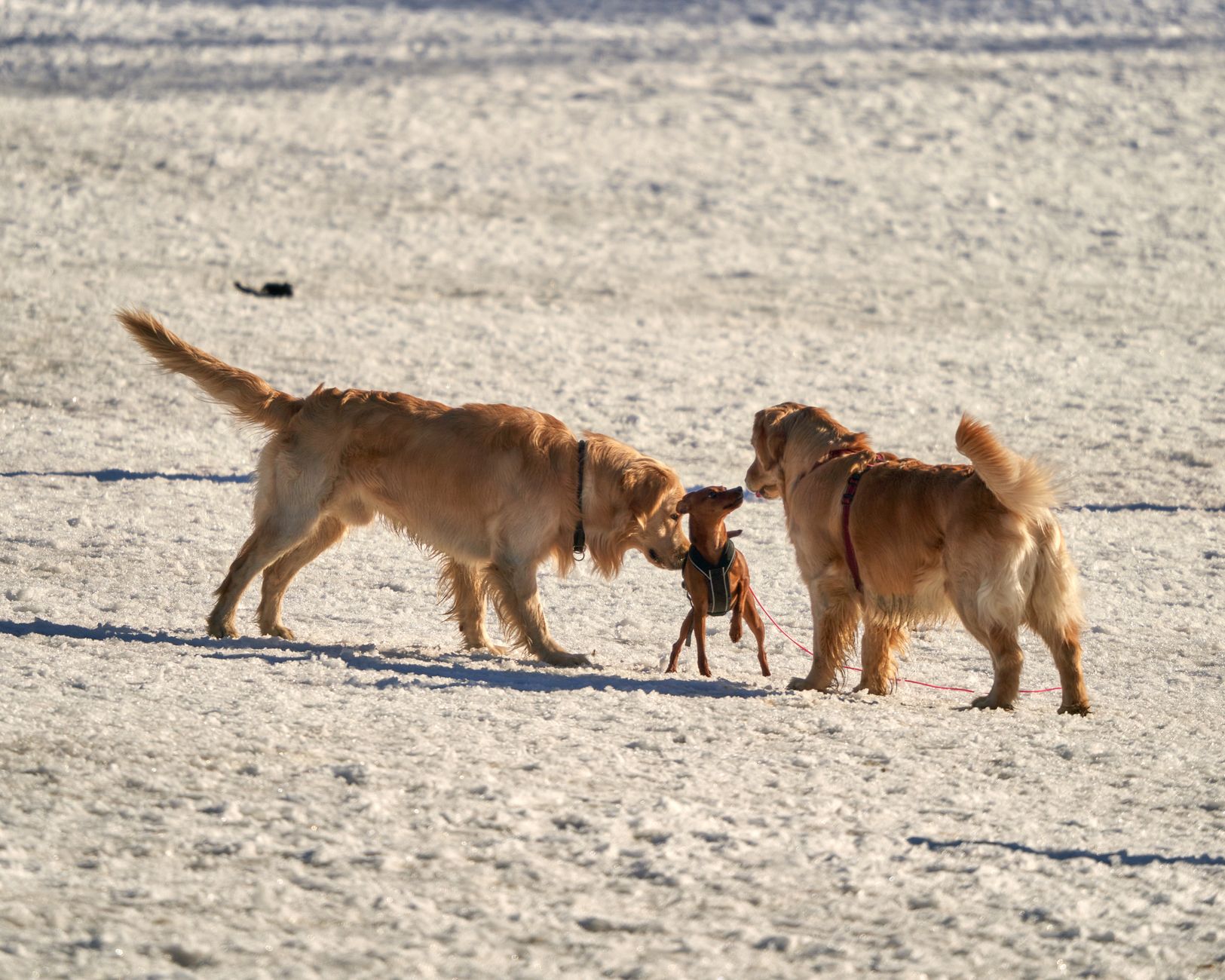
How Can I Stop a Golden Retriever from Barking at Strangers?
Stop your Golden Retriever from barking at strangers today. Discover expert veterinary tips, proven training steps, and the secret to a quiet home.
Mind Map Overview: Golden Retriever Barking Solutions
- Core Drive: Bred for retrieving and alerting; highly social but prone to frustration.
- The Risk: Terrified guests, neighbor complaints, and escalating barrier reactivity.
- The Fix: Counter-conditioning, solid "quiet" commands, and structured greeting protocols.
The Barking Crisis: Is Your Sanity Slipping?
You expected a friendly, quiet companion, not a 70-pound alarm system that terrifies the delivery driver. Yes, you can stop a Golden Retriever from barking at strangers. The secret lies in counter-conditioning their alert instinct, providing proper socialization, and teaching an incompatible behavior.
It is exhausting to apologize every time the doorbell rings or someone walks past your fence. If you ignore this vocal habit, a simple alert bark quickly escalates into severe leash reactivity or chronic barrier frustration. By utilizing targeted training and environmental management, you can regain your peace and quiet.
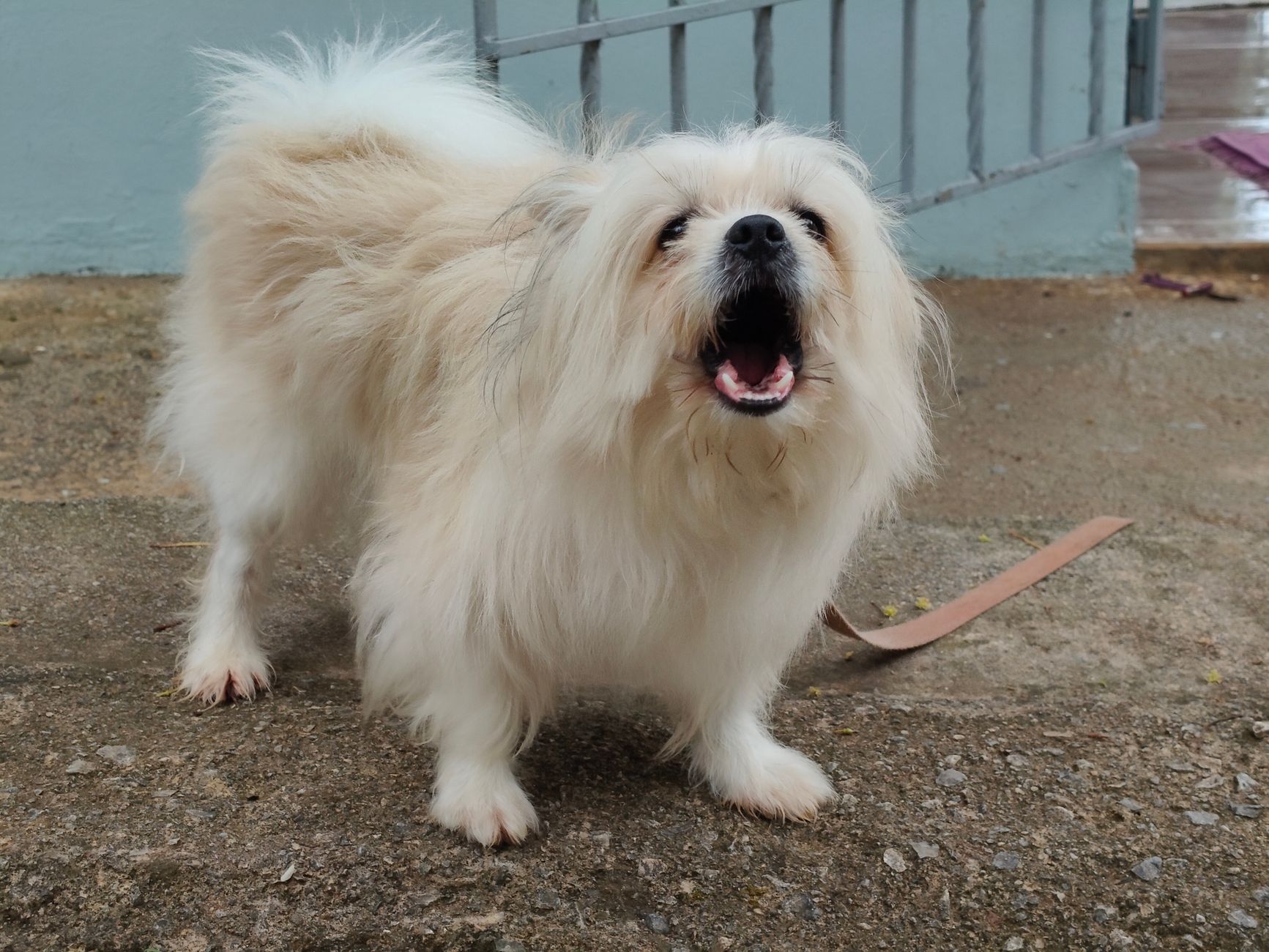
Understanding the Vocal Golden
The Genetics of Alerting
Despite their reputation as gentle family pets, Goldens are sporting dogs with strong field lines. They naturally alert their pack to new environmental changes and sudden movements. You must channel this energy properly rather than just punishing the noise.
Fear, Frustration, and Pain
A Golden Retriever barking at strangers is often displaying barrier frustration. They desperately want to greet the person but are trapped behind a door, fence, or leash. Ensure they are also cleared of underlying pain, like early-onset hip dysplasia, which severely lowers their tolerance for stress and environmental triggers.
Step-by-Step Eradication Plan
1. Management and Prevention
- Block Visual Triggers: Close the blinds or use opaque window film so your dog cannot practice barking at the mail carrier.
- Create Distance: If your dog barks on walks, immediately pivot and increase the distance between your dog and the stranger until they quiet down.
- Exercise Daily: Utilize their waterproof coat for swimming or vigorous retrieving games to completely drain their excess physical energy.
2. Active Redirection Training
- The "Quiet" Cue: Wait for a natural pause in the barking, clearly say "Quiet," and immediately reward with a high-value treat.
- Engage the Soft Mouth: Train them to hold a favorite plush toy when guests arrive. Their famous soft mouthinstincts will kick in, and they cannot bark easily with a toy taking up space.
- Counter-Conditioning: Toss treats on the ground the exact second a stranger appears in their sightline. This rewires their brain to associate scary or exciting strangers with food rather than an alarm response.

The Bottom Line for a Quiet Home
A physically tired and mentally fulfilled dog is drastically less likely to obsess over every passing stranger. Combine strict environmental management with consistent, positive reinforcement training to break the barking cycle.
Disclaimer: This article is for informational purposes only and does not constitute veterinary medical advice. Always consult with a licensed veterinarian before altering your pet's diet, starting a new training regimen, or addressing health concerns.