9 Signs Your Dog Is Overtired: Why They Act Wild & Need a Nap
Have you ever come home after a long day of hiking with your dog, only to find them racing around the living room like a maniac, nipping at your heels, and ignoring your commands? You might think they have endless energy and need more exercise, but the opposite could be true—your dog might be overtired. Just like toddlers, dogs can get cranky and hyper when they've missed sleep, and their behavior can be unmistakably wild. Understanding these signs is crucial for your dog's well-being and your sanity. By recognizing overtiredness, you can help your furry friend get the rest they truly need and avoid the chaos that comes from a sleep-deprived pup.
In this article, we'll explore the surprising ways dogs show they're overtired, when these behaviors are most likely to occur, and why offering more activity might actually make things worse. So, if your dog has been acting like a furry tornado, read on—you might just learn that the best remedy is a cozy nap.
Understanding Overtiredness in Dogs
Dogs are masters of hiding their fatigue. In the wild, showing weakness could make them vulnerable, so they've evolved to maintain a façade of alertness even when exhausted. This instinct doesn't disappear in domestic dogs. Instead, overtiredness often manifests as hyperactivity rather than sleepiness. According to canine experts, overtired dogs often act hyper instead of sleepy, showing signs like racing around, nipping, playing too roughly, and ignoring commands (Source: Canine Journal).
Why does this happen? When a dog is overtired, their stress hormones—like cortisol—spike. This 'second wind' can make them seem more energetic, but it's actually a sign of physical and mental exhaustion. Their brains are struggling to process stimuli, leading to impulsive and chaotic behavior. Recognizing this state is the first step to helping your dog.
The Wild Signs Your Dog Needs a Nap
Overtired dogs are not just a little cranky; they display a whole repertoire of behaviors that can leave you scratching your head. These signs are your dog's way of saying, 'I'm exhausted and I can't cope anymore!' Let's break down the most common ones.
1. Racing Around Like a Maniac
One of the most obvious signs of overtiredness is racing around the house or yard. Your dog might zoom from room to room, run in circles, or do laps around the furniture. This 'zoomies' behavior often occurs when dogs are overtired, as they try to burn off excess energy that they actually don't have. Instead of settling down, they get more frenetic.
2. Nipping and Mouthing
Another common sign is nipping at your hands, feet, or clothing. An overtired dog may lose their bite inhibition and nip more forcefully than usual. This is not aggression but a result of decreased impulse control. They might also mouth you excessively, trying to engage you in play even when they clearly need rest.
3. Playing Too Roughly
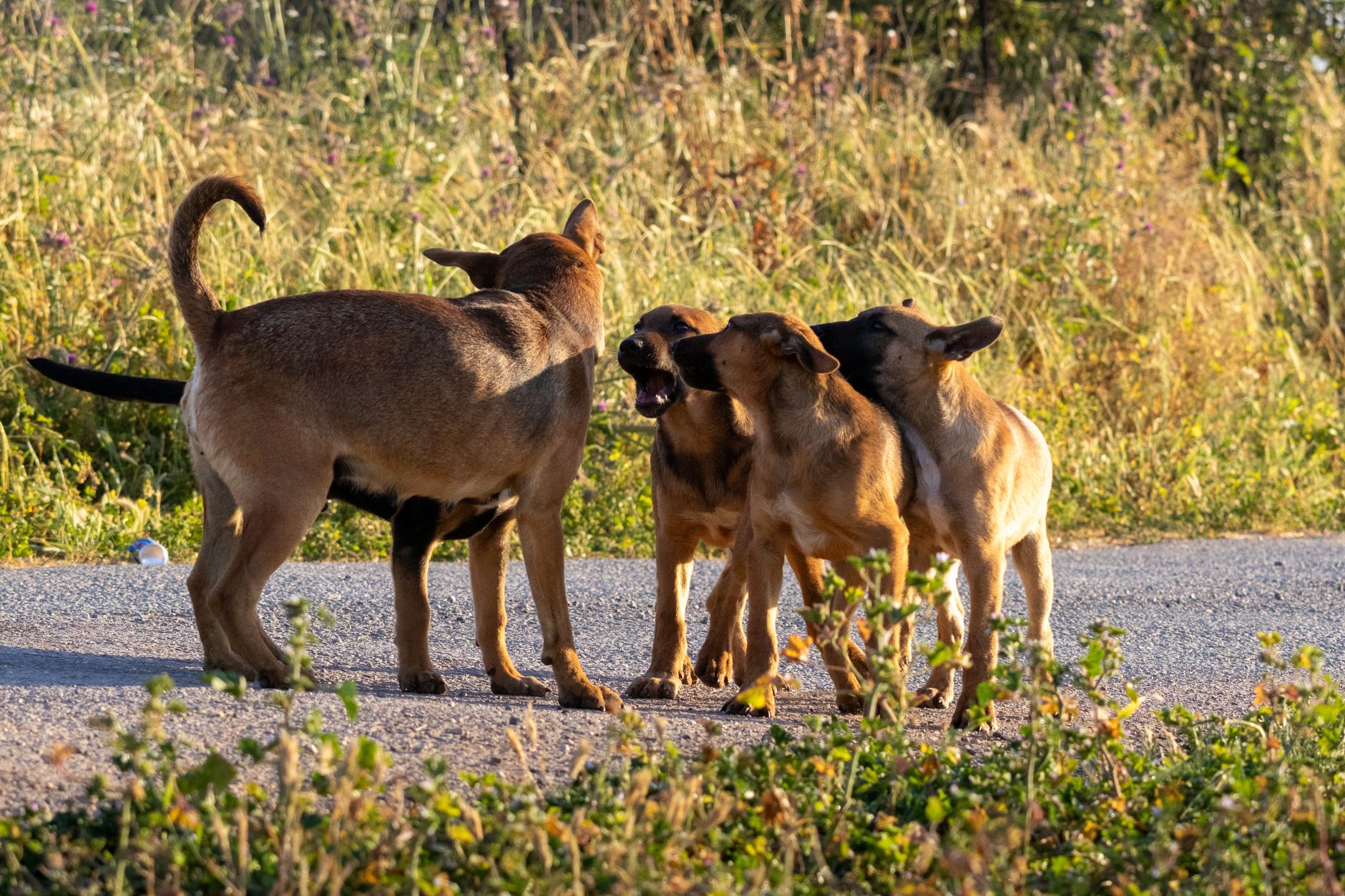
Overtired dogs often play too roughly. They might jump on other dogs, paw at them, or mount them in a way that's not appropriate. If your dog is usually gentle but suddenly becomes a wrestling champion, it could be a sign they're too tired to play nicely. Their coordination and social skills take a hit when they're exhausted.
4. Ignoring Commands
When a dog is overtired, they may ignore commands that they normally obey. Your once reliable 'sit' or 'come' might get a blank stare. This is not disobedience; it's because their cognitive function is impaired. They simply can't process information as effectively when they're fatigued, making it hard to focus on your cues.
5. Whining and Pacing
Keep an ear out for whining and an eye on their movements. Overtired dogs often whine for no apparent reason, and they might pace back and forth restlessly. This is a sign of anxiety and frustration. They want to sleep but can't settle down, so they express their discomfort vocally and through repetitive movements.
6. Demanding Attention
Does your dog keep bringing you toys, nudging your hand, or barking at you? Demanding attention is another sign. They're trying to engage you because they're overstimulated. They know you provide comfort, but they don't know how to ask for sleep, so they ask for interaction instead.
7. Barking Excessively
Barking is a common way for overtired dogs to release pent-up energy. They might bark at nothing, at the window, or even at you. This can be persistent and hard to stop. It's their way of saying 'I need help to calm down.' If you're struggling with excessive barking, check out our guide on how to stop a dog from barking fast.
8. Chewing on Inappropriate Things
Suddenly, your shoes are being destroyed or your furniture is getting nibbled? Chewing is a self-soothing behavior for dogs. When they're overtired, they may mouth objects to relieve stress. If your dog is chomping on items they usually ignore, it's time to intervene and offer rest. For more on this, see our article on how to stop a dog from chewing household items fast.
9. Being Cranky and Irritable
Finally, overtired dogs can just be cranky. They might snap at other pets or people if they get too close. They have low tolerance for handling and may even growl when you try to pet them. This is a clear sign that they need some quiet time and a nap.
When to Suspect Overtiredness
These signs are not always indicative of overtiredness, but they are much more likely to be if they occur after a busy day, missed nap, long play session, daycare visit, or exciting outing (Source: Canine Journal). So, context matters. If your dog has just spent the day at a dog park, had visitors over, or experienced a change in routine, watch for these behaviors. They are the typical triggers for overtiredness.
For example, you might take your dog on a long hike in the morning, and by the afternoon, they start acting crazy. Or perhaps they had a playdate with a buddy and missed their usual afternoon snooze. If you notice a pattern where these behaviors follow high-activity days, overtiredness is likely the culprit.
What to Do: Rest Over Exercise
It's a natural instinct to try to tire out an overactive dog with more exercise. However, if a dog gets wilder with more activity, they may need rest rather than more exercise (Source: Canine Journal). This counterintuitive advice is crucial. When you see an overtired dog, resist the urge to play more. Instead, provide a calm environment and encourage rest.
Here are some tips to help your overtired dog unwind:
- Have a designated quiet space where your dog can retreat.
- Use calming signals like soft music or a white noise machine.
- Provide a comfortable bed or crate with a favorite blanket.
- Dim the lights and reduce stimulation.
- Practice gentle massage or give them a chew toy to help them relax.
- Maintain a consistent schedule for naps and bedtime.
Remember, an overtired dog is like a toddler who needs a nap but fights it. Your job is to help them settle down, not rev them up.
Preventing Overtiredness
Prevention is always better than cure. Here are some strategies to avoid overtiredness in the first place:
- Monitor activity levels: Be mindful of how much exercise and mental stimulation your dog gets. Puppies and high-energy breeds may need more, but they also need adequate rest.
- Schedule naps: Just like babies, dogs benefit from a routine. Ensure they have quiet times during the day, especially after exciting activities.
- Watch for early signs: Learn your dog's individual cues. Some may start to get nippy or hyper before they're fully overtired. Intervene early.
- Provide mental enrichment: Sometimes dogs get overtired from too much physical activity but not enough mental stimulation. Puzzle feeders and training games can tire them out in a healthy way. Check out our dog enrichment strategies for ideas.
When to See a Vet
While overtiredness is a common and temporary condition, sometimes excessive hyperactivity or irritability can be a sign of an underlying medical issue. If your dog's behavior is extreme, persistent, or accompanied by other symptoms like lethargy, loss of appetite, or aggression, it's always best to consult your veterinarian. They can rule out any health problems and provide tailored advice.
Frequently Asked Questions
How much sleep do dogs need?
Adult dogs typically need 12-14 hours of sleep per day, while puppies and senior dogs may need up to 18-20 hours. This includes nighttime sleep and daytime naps.
Can overtiredness cause aggression?
Yes, overtiredness can lead to irritability and a lower tolerance for handling, which may result in snapping or growling. It's a sign that your dog needs rest, not that they are inherently aggressive.
Is it okay to let my dog 'cry it out' when they're overtired?
It's better to help your dog settle down rather than ignore them. Provide a calm environment and comfort them. If they are in a crate, you can cover it to create a den-like atmosphere.
What if my dog doesn't seem to want to sleep?
Some dogs have a hard time switching off. Try a calming routine, such as a short massage or giving them a chew toy. You can also use a white noise machine to block out stimulating sounds.
Are certain breeds more prone to overtiredness?
High-energy breeds like Border Collies, Australian Shepherds, and Terriers may be more prone to overtiredness because they have a hard time settling down. However, any dog can become overtired if they don't get enough rest.
Conclusion
It's easy to misinterpret your dog's hyperactivity as a sign that they need more exercise, but often it's just the opposite. Overtired dogs exhibit a range of behaviors—from racing around to nipping, ignoring commands to being cranky—that signal they're exhausted. These signs are especially telling after a busy day or when they've missed their usual downtime. The best response? Stop the activity and encourage rest. By understanding these cues, you can ensure your dog gets the sleep they need to be healthy and happy—and save your home from becoming a doggy disaster zone. So next time your furry friend is acting like a whirlwind, check the clock: maybe it's naptime, not playtime.
Remember, a well-rested dog is a well-behaved dog. Sweet dreams to your pup!
Source: Canine Journal