How To Stop A Dog From Chewing Household Items Fast
Coming home to shredded baseboards, ruined couch cushions, and destroyed shoes is financially devastating and emotionally draining. The sheer frustration of constantly replacing expensive items creates massive household tension, making owners dread walking through their own front door. Scolding a dog hours after the destruction occurs only worsens the problem, creating a terrified pet that quickly learns to chew exclusively when humans are out of sight.
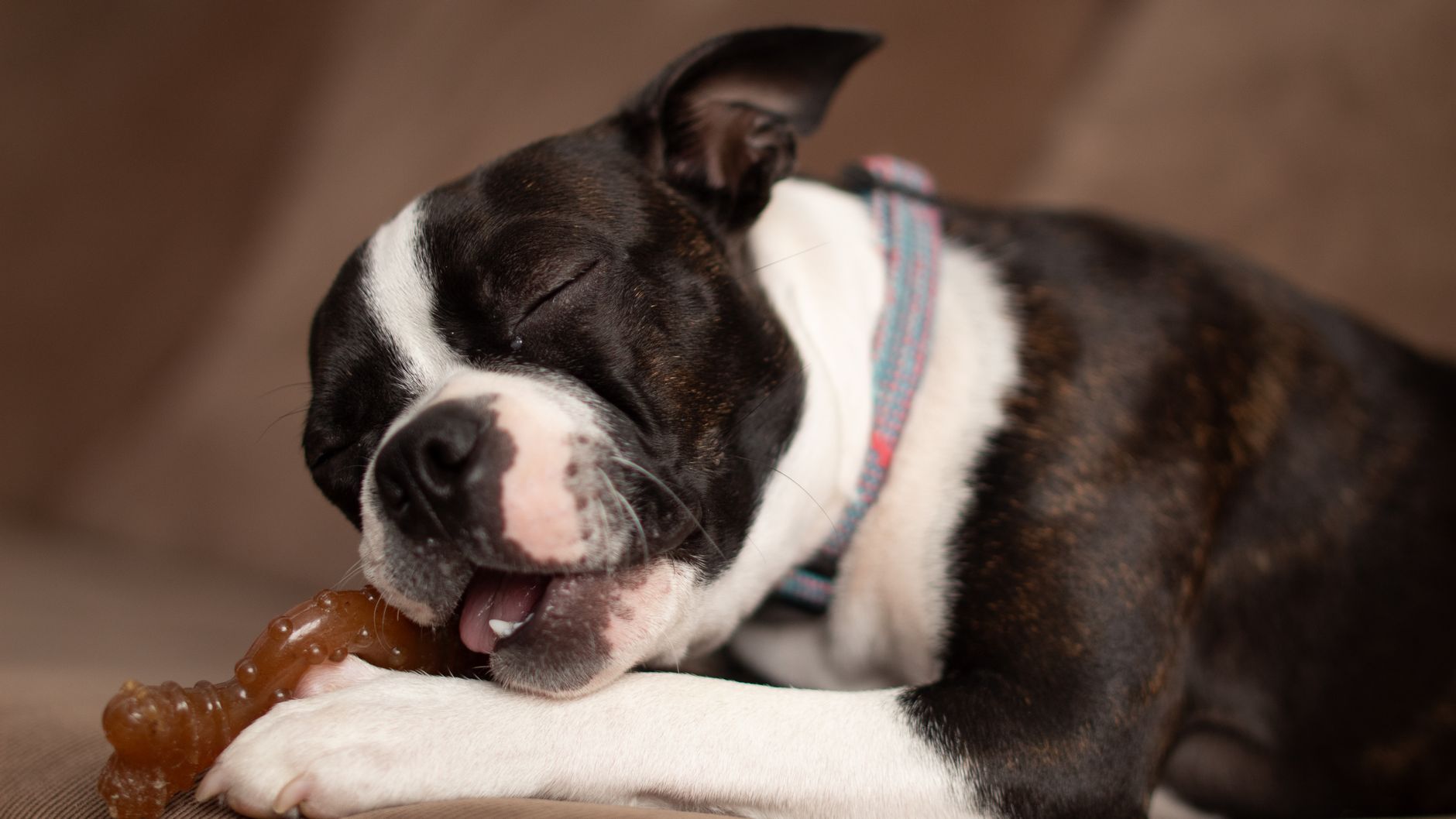
The absolute fastest way to stop a dog from chewing is combining strict environmental management with proactive, high-value redirection. Never allow a known chewer unsupervised free roam of the entire house while behavioral training is still ongoing. Instead, utilize sturdy baby gates or a comfortable crate, immediately trade forbidden items for heavy-duty puzzle toys, and guarantee the dog’s intense genetic need for mental exhaustion is met daily.
Why do dogs chew on everything in the house?
Dogs interact with the human world entirely through their mouths, utilizing their jaws as their primary tool for exploration, stress relief, and self-soothing. When a dog tears aggressively into a soft couch cushion, the physical act of chewing releases a massive rush of calming endorphins directly into their brain. This means the destruction is literally biologically rewarding, making the bad behavior highly addictive if left completely unchecked by the owner.
Boredom remains the absolute biggest culprit behind sudden waves of indoor destruction. A high-energy working breed left alone in a quiet living room for ten hours will inevitably invent a "job" to keep themselves occupied. Unfortunately for the human family, this self-appointed job usually involves aggressively remodeling the drywall or un-stuffing the decorative pillows.
🐾 Snoutbit Pro-Tip: Never offer an old, worn-out shoe or a discarded sock as an acceptable chew toy. Dogs cannot differentiate between an old gym sneaker and a brand-new designer heel, setting them up for inevitable failure and unfair punishment.
Is the dog chewing due to teething or anxiety?
Puppies endure an intensely painful teething phase between four and six months of age. The intense physical pressure of adult teeth pushing through the jawline forces them to desperately seek out hard, relieving surfaces to bite. Providing frozen rubber toys or ice cubes perfectly soothes this temporary, highly localized gum inflammation safely.
Adult dogs, however, chew for entirely different, deeply psychological reasons that require careful behavioral intervention. Separation anxiety is a massive trigger for sudden, violent destruction, usually heavily focused around exit points like front doors and low window sills. This type of chewing is a frantic panic response, not a sign of stubbornness or spite.
Consider a recent case involving a highly anxious mixed breed rescued directly from a municipal pound. The dog was so terrified of being abandoned again that it completely shredded a solid wood door frame within twenty minutes of the owner leaving. Treating the underlying panic disorder through slow desensitization, rather than just punishing the chewing, was the only way to permanently save the house.
Do different dog breeds have different chewing needs?
Genetics play a massive, undeniable role in a dog's jaw strength and their inherent biological desire to gnaw. Breeds originally engineered for retrieving, such as Golden Retrievers or Labrador Retrievers, are biologically hardwired to carry items constantly in their mouths. If these specific breeds are not provided with an acceptable outlet for this oral fixation, they will target human possessions.

Conversely, powerful terrier breeds like the American Staffordshire Terrier were historically bred for gripping and holding. These heavily muscled dogs possess immense jaw power and can easily shatter standard plastic toys into dangerous, sharp shards within seconds. They strictly require virtually indestructible, heavy-duty rubber compounds specifically engineered for power chewers to prevent fatal blockages.
How do local climates impact a dog's destructive behavior?
Weather deeply dictates daily physical activity levels, which directly correlates to the frequency of indoor canine destruction. During a brutal US winter blizzard, dogs miss their critical daily walks, leading directly to intense cabin fever and massive pent-up energy. This unburned physical energy quickly mutates into obsessive chewing as the dog tries to self-exhaust indoors.
Conversely, the sweltering heat of an Australian summer poses a constant, deadly threat of heatstroke. A Blue Heeler or Staffy unable to safely run outside during the blazing afternoon will inevitably turn that frustrated energy toward destroying indoor furniture. Owners in extreme weather zones must proactively replace lost outdoor physical exercise with intense indoor training sessions to prevent boredom-induced chewing.
During heavy tick seasons in both regions, outdoor time is often severely restricted to keep the dog safe from disease. Maintaining a robust rotation of indoor puzzle games becomes absolutely mandatory during these specific seasonal shifts.
🚨 Vet Fact: Swallowing torn fabric, heavy rope strings, or large chunks of wood easily causes a deadly gastrointestinal obstruction. If a heavy chewer suddenly stops eating, begins drooling heavily, or starts vomiting violently, immediate emergency surgical intervention is usually required.
What are advanced techniques to stop a dog from chewing?
Generic internet advice always suggests simply buying more dog toys, but strategic implementation is what actually halts the destruction permanently. Utilizing random toys without a clear plan rarely fixes a chronic chewing addiction. Implement these three specific, expert-level strategies to drastically alter the dog's behavior:
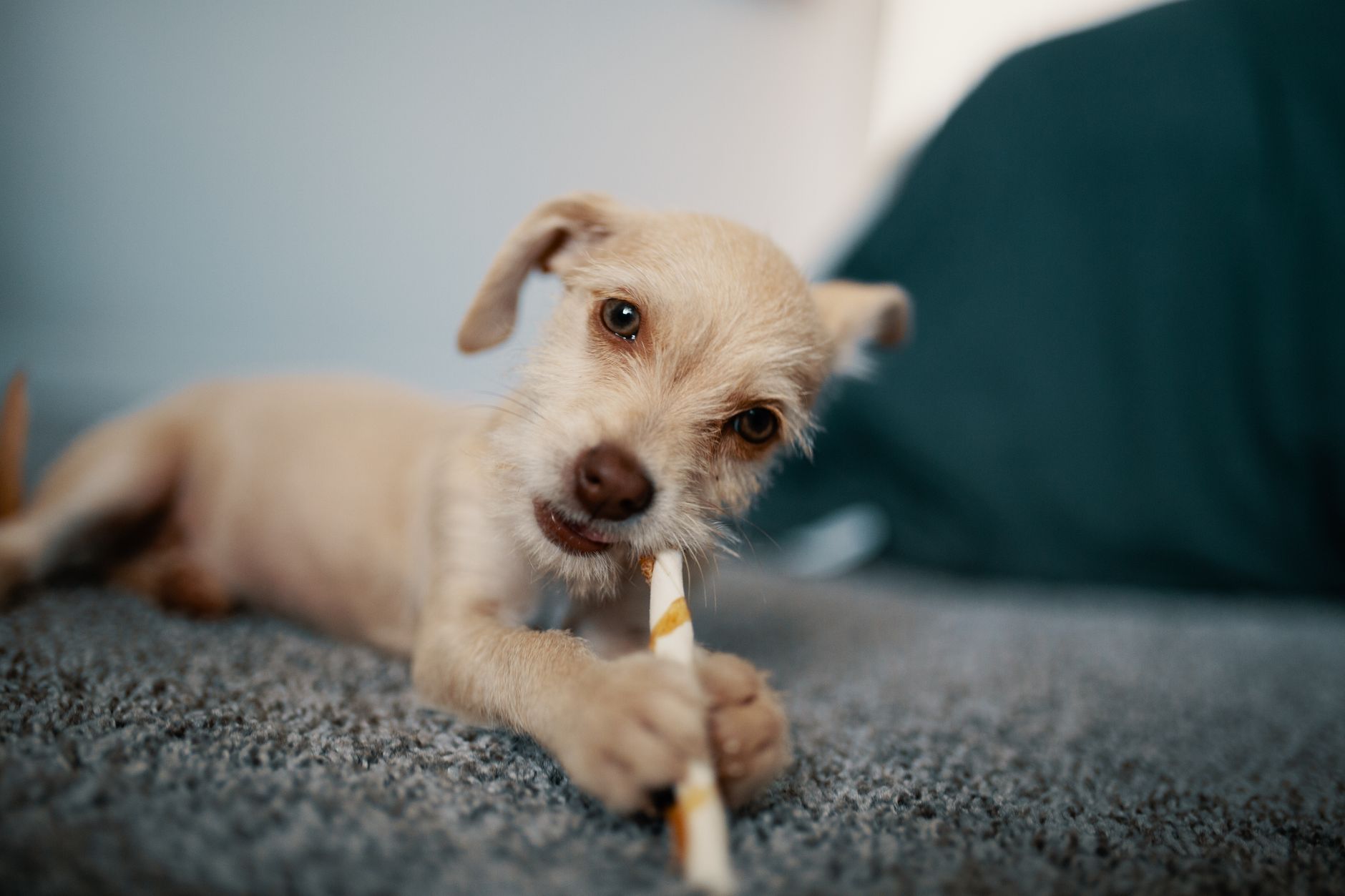
- The Toy Rotation Strategy: Dogs suffer from novelty fatigue exactly like human toddlers do. Keeping twenty toys piled in a living room basket makes them entirely boring and completely invisible to the dog. Put fifteen toys away in a hidden closet, leave five out, and rotate them every single week to artificially manufacture extreme novelty and high value.
- The Frozen Matrix Redirection: Simply handing a dog a plain, dry rubber toy rarely breaks a deeply ingrained chewing fixation. Soak the dog's daily kibble in sodium-free bone broth, stuff it tightly into a heavy-duty rubber cone, and freeze it rock solid overnight. This creates a highly rewarding, incredibly time-consuming puzzle that exhausts the jaw muscles entirely.
- The "Legal vs. Illegal" Texture Swap: Accurately match the dog's chosen illicit texture with a highly similar legal alternative. If a dog loves shredding soft couch pillows, provide a "legal" soft fabric toy explicitly designed for destruction. If they prefer gnawing on hard wooden chair legs, offer a safe, dense coffee wood chew specifically harvested for safe canine consumption.
Will bitter apple spray actually stop a dog from chewing?
Taste deterrents are a highly popular management tool, but their actual behavioral effectiveness is widely misunderstood by owners. These bitter sprays work brilliantly as a temporary interruption, but they are absolutely not a permanent behavioral cure. They only buy the owner a few seconds of hesitation to step in and redirect the dog.
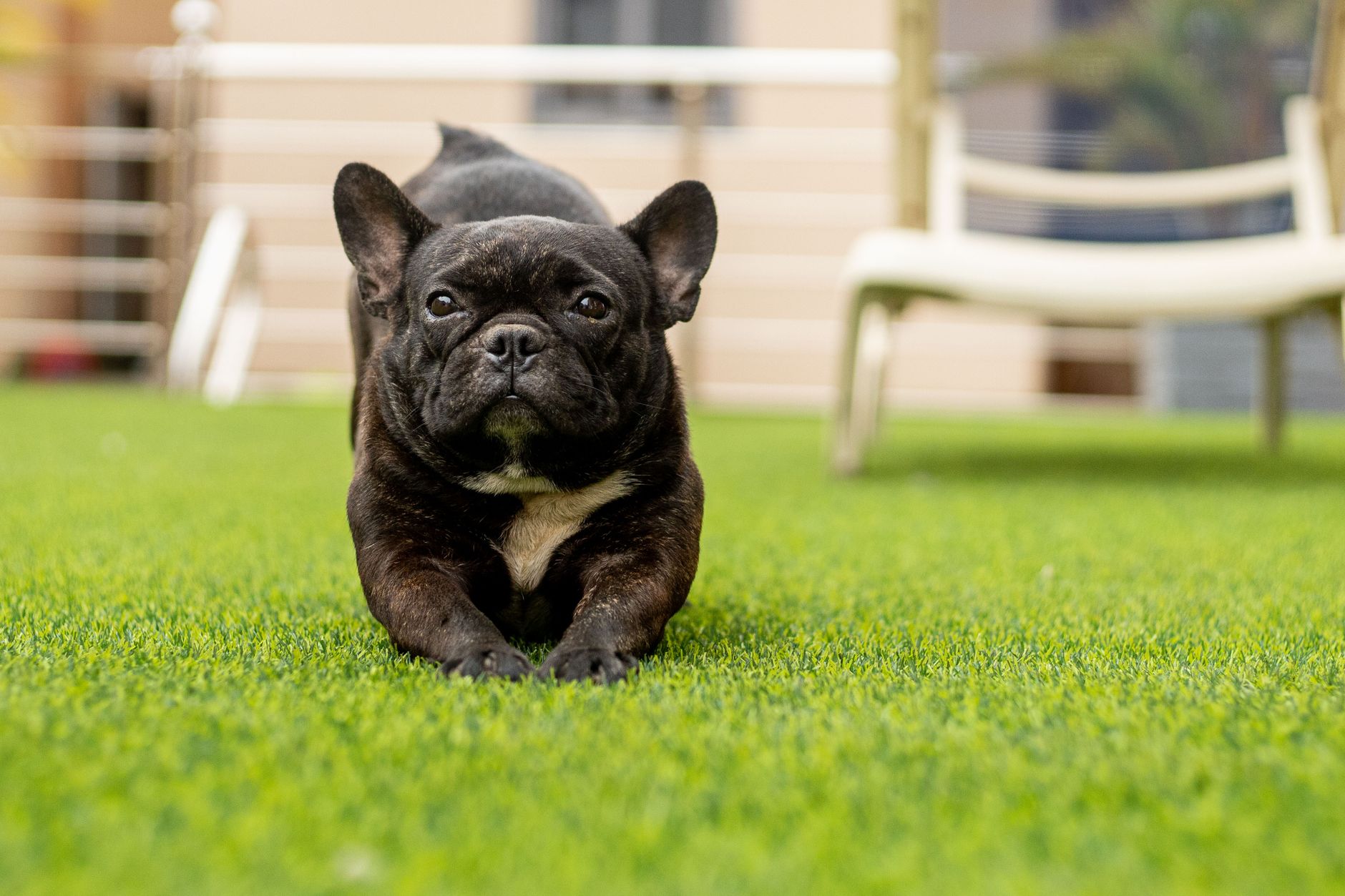
Take the example of a family who recently designed a beautiful, custom staggered-shelf display cabinet. Their adolescent Frenchie decided the asymmetrical bottom cubbies were the absolute perfect height for a daily chew session. Coating the fresh wood in bitter apple spray stopped the dog for exactly two days before the liquid evaporated and the destructive chewing resumed.
Deterrents only work permanently when paired directly with intense, high-value redirection. When the dog recoils from the bitter taste on the furniture, an owner must immediately present a legal chew toy to capture the moment. This correctly builds a new, positive habit rather than just temporarily suppressing a bad one.
How does crate training prevent destructive chewing?
A properly introduced crate is the ultimate management tool for preventing massive property damage while a dog is left unsupervised. When utilized correctly, a crate is never a punishment zone; it serves as a highly comforting, den-like sanctuary. Confining a known chewer while running errands guarantees the dog remains completely safe from swallowing dangerous household toxins or electrical wires.
Puppies must be crated or kept in a secure, puppy-proofed playpen anytime the owner cannot actively supervise them with absolute undivided attention. Allowing a teething puppy free roam of the house is entirely unfair and guarantees failure.
🐾 Snoutbit Pro-Tip: Many dogs actually learn to enjoy the specific taste of standard anti-chew sprays over time. If the dog begins licking the bitter spray off the furniture like a tasty treat, immediately switch the deterrent to a simple white vinegar and water solution.
How should an owner react when catching a dog chewing?
The absolute worst reaction is screaming, lunging aggressively, or physically snatching the forbidden item away from the dog's mouth. This intense, frightening confrontation often triggers severe resource guarding, fundamentally damaging the human-canine bond. It actively teaches the dog to swallow dangerous items whole just to keep them away from the angry human.
Instead, owners must strictly utilize the "cheerful trade" method to safely retrieve stolen items. Walk over calmly, holding a piece of high-value meat or a heavily stuffed, frozen food toy. Offer this incredible trade directly to their nose; when they willingly drop the illicit item, praise them heavily and allow them to enjoy the legal chew.
Remember, every single time a dog successfully chews a piece of furniture, the bad behavior is heavily reinforced. Strict supervision is the only foolproof way to physically break the habit while obedience training slowly takes hold.
What To Do Next
- Conduct a Room Audit: Walk through the main living area right now and physically remove all tempting items directly off the floor. Hide expensive shoes in closed closets, secure loose electrical cords behind heavy furniture, and push decorative pillows completely out of a puppy's reach.
- Prepare a Frozen Redirection: Take a heavy-duty rubber chew toy, stuff it deeply with dog-safe peanut butter and a few kibbles, and place it in the freezer tonight. Keep this high-value weapon constantly ready to instantly trade the next time the dog targets the furniture.
Disclaimer: The content on Snoutbit.com is for informational and educational purposes only and is not intended to replace professional veterinary advice, diagnosis, or treatment. Always consult with your veterinarian before making significant changes to your dog’s diet, exercise routine, or health regimen.