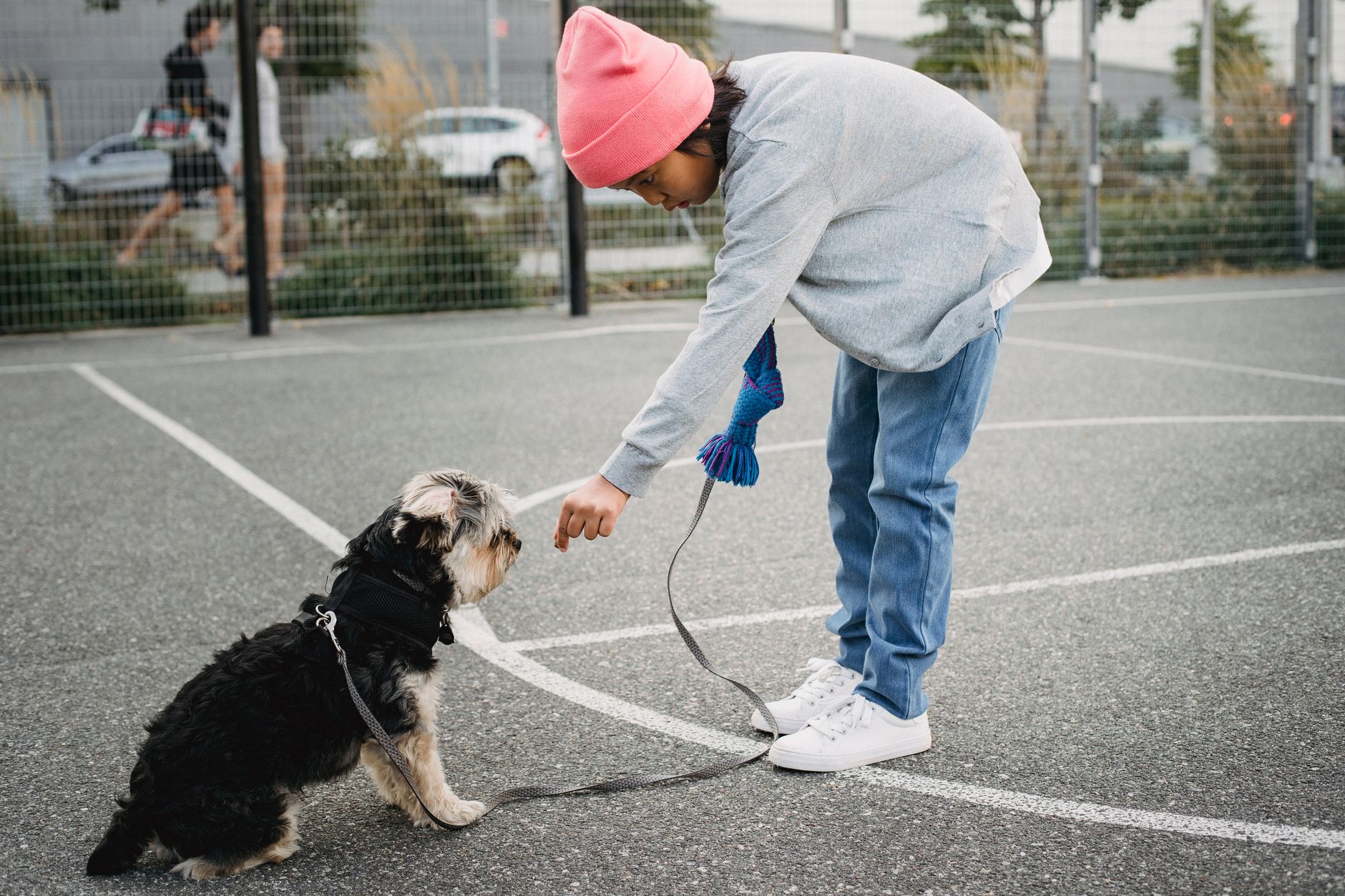
Dog Training With Treats: How To Get Real Obedience Without Bribing
Calling a dog across a crowded park only to be completely ignored is incredibly frustrating and downright dangerous. The embarrassment of realizing the dog only obeys when a piece of cheese is visibly waved in their face leaves owners feeling completely defeated. Relying on visual bribes rather than establishing true behavioral conditioning creates a terrifying lack of control in emergency situations.
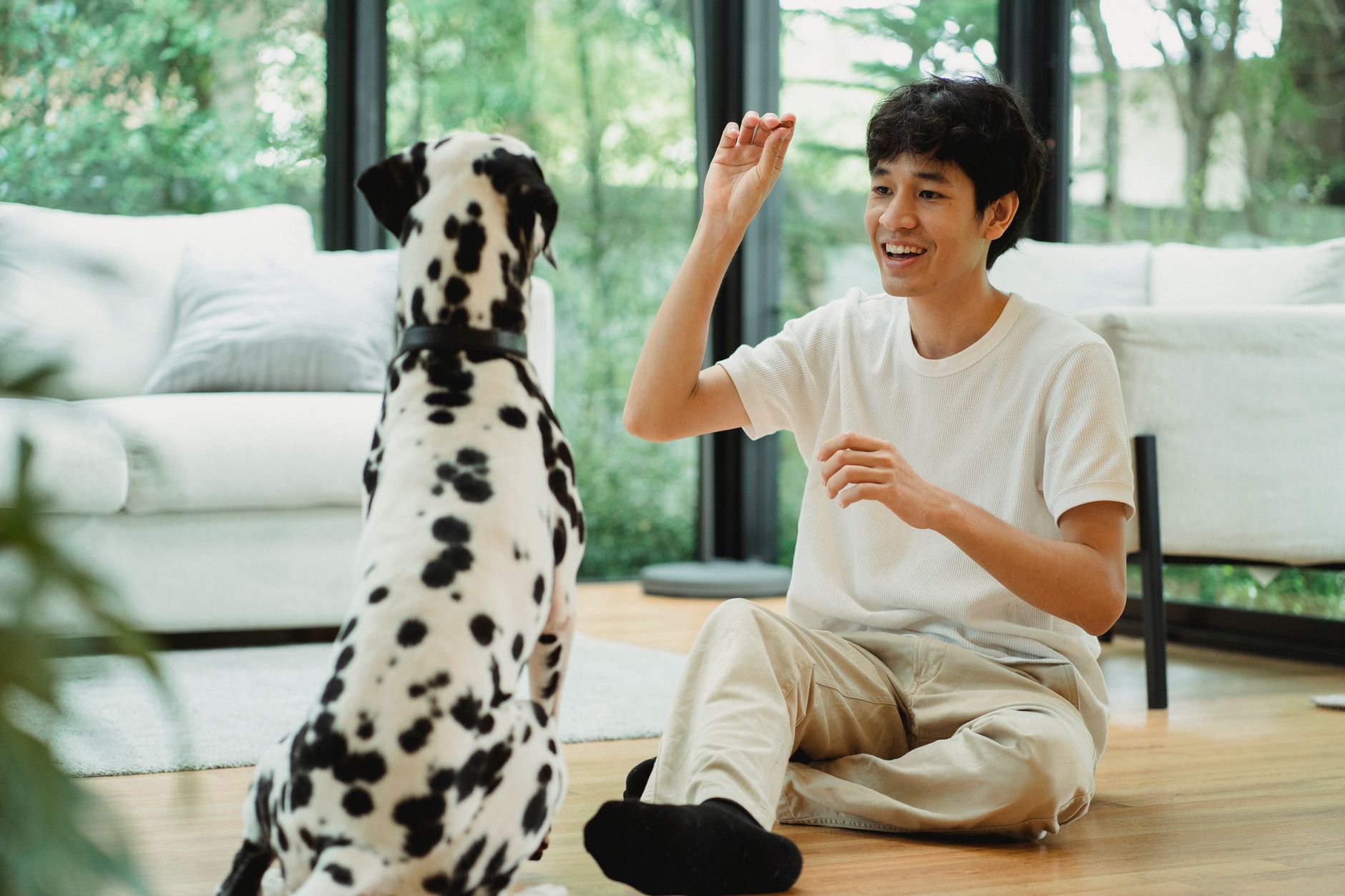
The absolute secret to dog training with treats is understanding the critical difference between a bribe and a hidden reward. To stop a dog from only listening when food is present, handlers must immediately transition from luring to variable reinforcement. The food must stay entirely hidden in a pouch until the exact second the dog successfully executes the requested command.
Why do dogs ignore commands without food?
Dogs are highly opportunistic learners driven entirely by biological efficiency and the promise of immediate reinforcement. If an owner constantly holds a treat right in front of the dog's nose before asking for a "sit," the food simply becomes part of the physical command. The canine brain quickly calculates that if the visual food cue is missing, the command itself is completely irrelevant.
This creates the classic "show me the money" canine syndrome that plagues American dog parks. The dog stares blankly at the handler, scanning their empty hands before happily sprinting back toward a distraction. Breaking this deeply ingrained, stubborn habit requires immediately moving the treats off the body or hiding them deep within a dedicated silicone training pouch.
🚨 Vet Fact: Treats should never exceed ten percent of a dog's total daily caloric intake. Relying on massive handfuls of highly processed commercial treats during training sessions actively accelerates canine obesity and places severe, crippling stress on fragile joints.
Advanced Strategy 1: The "Ghost Cookie" Technique
Generic dog training advice simply tells owners to slowly stop using treats, which immediately causes total behavioral collapse. Elite trainers utilize a highly specific, advanced method called the "Ghost Cookie" to fade the lure flawlessly. This technique physically tricks the canine brain into following a completely empty hand.
First, the handler pinches their fingers together exactly as if holding a piece of high-value chicken. They use this completely empty hand to guide the dog into a sit or a down position. The exact millisecond the dog's body hits the floor, a loud marker word is used, and the actual treat is rapidly delivered from a hidden pouch on the hip.
This specific mechanical sequence is absolutely critical for building permanent, off-leash reliability. The dog learns to trust the physical hand signal implicitly, knowing the hidden payment will inevitably follow. It permanently separates the visual presence of the food from the physical execution of the behavior.
How does environmental design influence training success?
Training a young, highly easily distracted puppy requires meticulously managing the interior architecture of the home. Consider an adolescent terrier mix that developed a destructive obsession with a newly installed, custom staggered-shelf display cabinet. The dog constantly gnawed on the asymmetrical bottom cubbies, completely ignoring verbal corrections.
Instead of endlessly scolding the dog, the owners utilized high-value treats to establish a rock-solid "place" command on a raised cot across the room. Every time the puppy glanced toward the wooden cabinet, the handler heavily rewarded them for choosing to remain on the cot instead. By reinforcing the alternative, incompatible behavior, the destructive chewing was entirely extinguished without utilizing a single harsh punishment.
🐾 Snoutbit Pro-Tip: Always train a completely new behavior in a sterile, totally quiet room before ever attempting the command outdoors. Dogs cannot generalize well; a "sit" learned in a quiet kitchen completely vanishes when heavily distracted by passing cars and barking neighbors.
Advanced Strategy 2: The Velocity of Reward Delivery
The physical speed at which a handler delivers a treat directly manipulates the dog's internal arousal levels. Handing a treat incredibly slowly to a hyperactive puppy actively forces their nervous system to completely calm down. A slow, gentle delivery directly to the mouth is the absolute best way to reinforce a quiet "stay" or "settle" command on a mat.
Conversely, explosive obedience requires high-velocity, highly energetic reward delivery. When teaching a fast, emergency recall, tossing the treat aggressively across the grass the second the dog arrives builds massive prey drive. The dog learns that sprinting toward the handler results in an intense, highly exciting game of chasing the food.
Mastering this specific delivery velocity gives handlers total emotional control over the animal. A handler can literally speed up a sluggish, bored dog or instantly calm down a frantic, overstimulated puppy simply by altering how the food is handed over.
Why is establishing a high-value treat hierarchy necessary?
Not all training treats hold the exact same psychological weight inside the canine brain. Expecting a dog to completely ignore a fleeing squirrel for a dry, boring piece of kibble is biologically impossible. Handlers must scientifically map out their dog's specific taste preferences to create a tiered reward system for different environments.

Dry kibble works perfectly for practicing basic, heavily known commands inside a boring living room. However, stepping outside into a highly stimulating urban environment requires deploying "Grade A" biological currency. This includes highly aromatic, wet proteins like boiled chicken, string cheese, or heavily scented liver paste.
🚨 Vet Fact: Heavily processed commercial training treats frequently contain artificial dyes and synthetic preservatives that actively disrupt the canine gut microbiome. Utilizing single-ingredient, whole-food proteins drastically reduces the risk of explosive diarrhea following a heavy training session.
Advanced Strategy 3: Novelty and Plant-Based Swaps
Some dogs suffer from incredibly severe animal protein allergies, making standard beef or chicken treats completely toxic. Finding high-value, highly motivating rewards for these specific dogs requires thinking far outside the traditional pet store aisle. Elite trainers often successfully utilize high-protein, plant-based alternatives to maintain intense training focus without triggering agonizing skin hives.
Take the real-world case of a terrified, highly reactive stray dog pulled directly from a municipal pound. The dog suffered from severe poultry and beef allergies, meaning traditional hot dogs caused massive gastrointestinal distress during counter-conditioning sessions. The handler sourced firm, dehydrated tofu cubes and baked sweet potato chunks, discovering the dog possessed an absolute, intense obsession with the novel, crunchy textures.
This specific, highly unorthodox swap allowed the handler to dispense hundreds of treats to heavily reward eye contact. The dog completely overcame its profound fear of strangers, proving that the novelty of the reward often matters far more than the actual meat content.
How does the "Jackpot Protocol" build unbreakable habits?
Once a dog fully understands a specific command, rewarding them with a single treat every single time actually weakens the behavior. If the dog knows the exact paycheck is always coming, they eventually decide the effort is no longer worth their time. Creating a gambling addiction inside the canine brain is the ultimate secret to permanent obedience.
Handlers must transition to a variable reinforcement schedule, heavily randomizing when and how the dog gets paid. Sometimes a perfect recall earns absolutely nothing but verbal praise, while the next recall randomly earns a massive "jackpot" of five rapid-fire treats. This unpredictable payout system keeps the dog intensely focused, constantly working hard in hopes of hitting the ultimate food lottery.
🐾 Snoutbit Pro-Tip: If a dog suddenly begins spitting out highly valued treats during a walk, it is a massive, glowing red flag. Refusing premium food instantly indicates the dog is heavily "trigger stacked" and entirely overwhelmed by environmental fear, meaning all active learning has completely stopped.
Why timing and the marker word matter most
A treat is entirely useless if the handler's mechanical timing is sloppy or delayed. Dogs live entirely in the immediate present; if a treat arrives three seconds after they sit, they have no idea what behavior actually earned the food. Utilizing a sharp, distinct marker word perfectly bridges that dangerous gap in time.

The second the dog's rear end hits the grass, the handler must immediately say a crisp, enthusiastic "Yes!" or click a mechanical training clicker. This specific sound takes a psychological snapshot of the exact behavior occurring in that specific millisecond. The marker word explicitly promises the dog that the physical treat is actively on the way, buying the handler crucial time to reach into their pouch.
What To Do Next
- Ditch the Food Bowl Today: Stop feeding the dog their daily meals out of a standard metal bowl entirely. Measure out their morning kibble ration, place it inside a wearable silicone pouch, and use every single piece exclusively to reward calm, polite behavior around the house.
- Establish a Clear Marker Word: Pick a short, highly distinct word like "Yes" or "Nice" to serve as the training marker. Stand in the kitchen tonight and practice saying the word, immediately followed by dropping a treat, ten times in a row to effectively "load" the sound in the canine brain.
Disclaimer: The content on Snoutbit.com is for informational and educational purposes only and is not intended to replace professional veterinary advice, diagnosis, or treatment. Always consult with your veterinarian before making significant changes to your dog’s diet, exercise routine, or health regimen.